
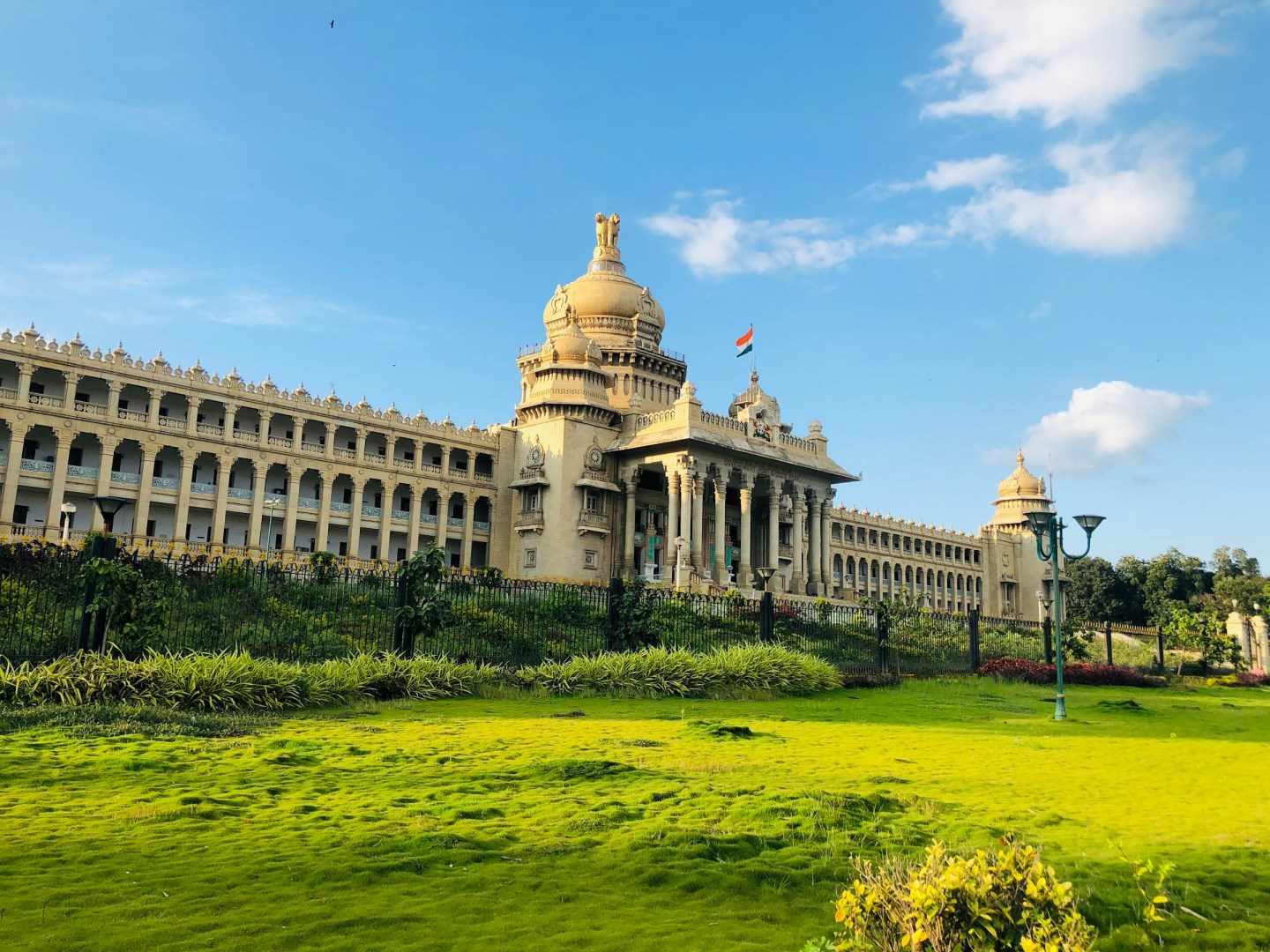
Bengaluru
The capital of Karnatika State, Bangalore is known as the "Garden City", and has a pleasant climate. Visit the Summer Palace of Tippu Sultan, the Bull Temple and the Botanical Gardens of Lal Bagh.

Honolulu, Oahu
Honolulu, the capital of Hawaiʻi and the largest city in the Pacific, blends the energy of a major urban center with the deep roots of Native Hawaiian culture. Set on the island of Oʻahu, it’s home to iconic beaches, royal history, and a rhythm all its own. This sunny capital city is the main portal to the larger Hawaiian archipelago, and the perfect base for exploring Oahu.
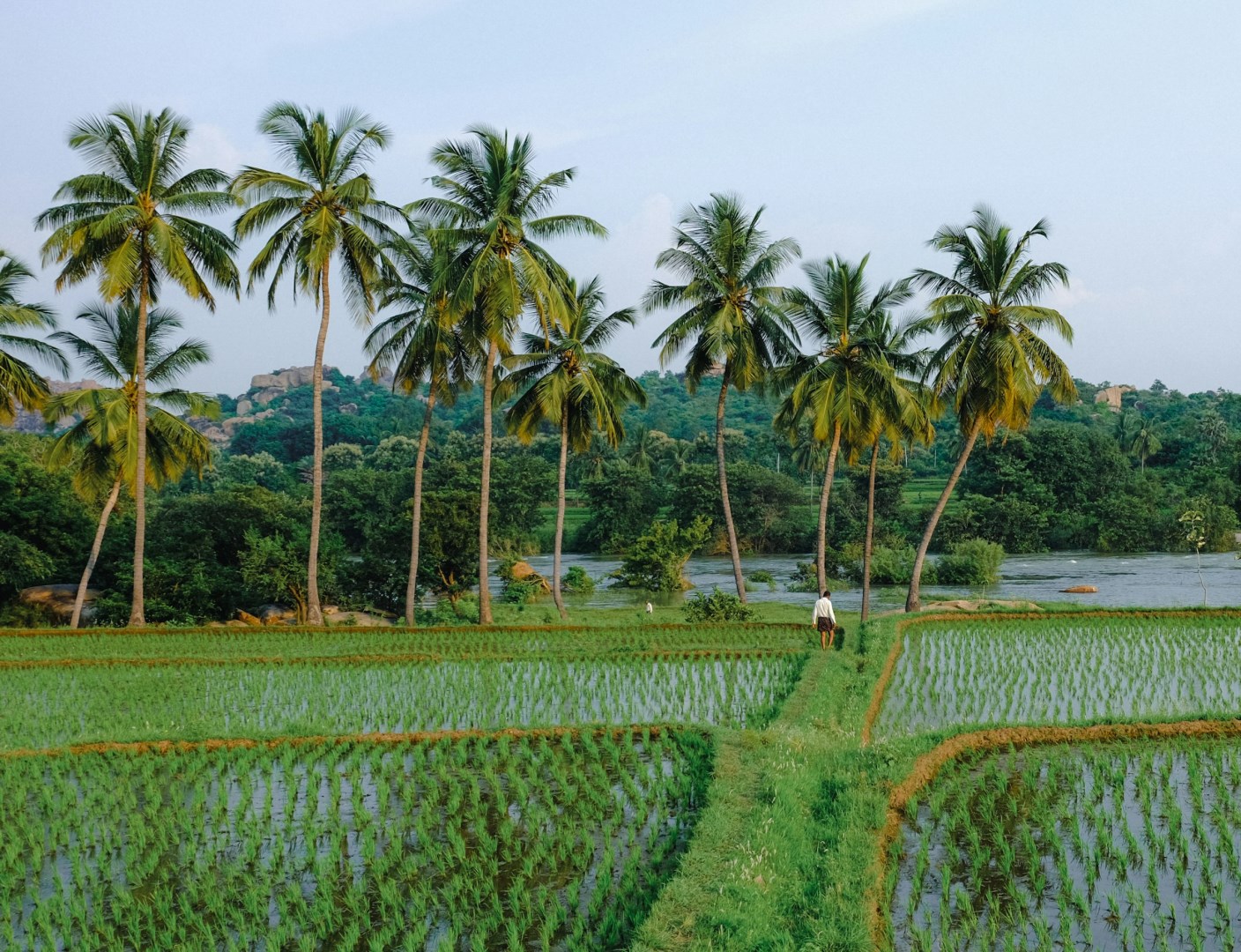
Hampi
Hampi is a historic village and archaeological landscape in Karnataka, set among dramatic granite boulders, rocky hills, banana plantations, and the Tungabhadra River. The ruins belong to the former capital of the Vijayanagara Empire and cover a wide area of temples, gateways, markets, palaces, shrines, and water structures. The landscape is notable for the way monumental architecture sits among natural rock formations and agricultural fields. Hampi is recognized as a UNESCO World Heritage Site
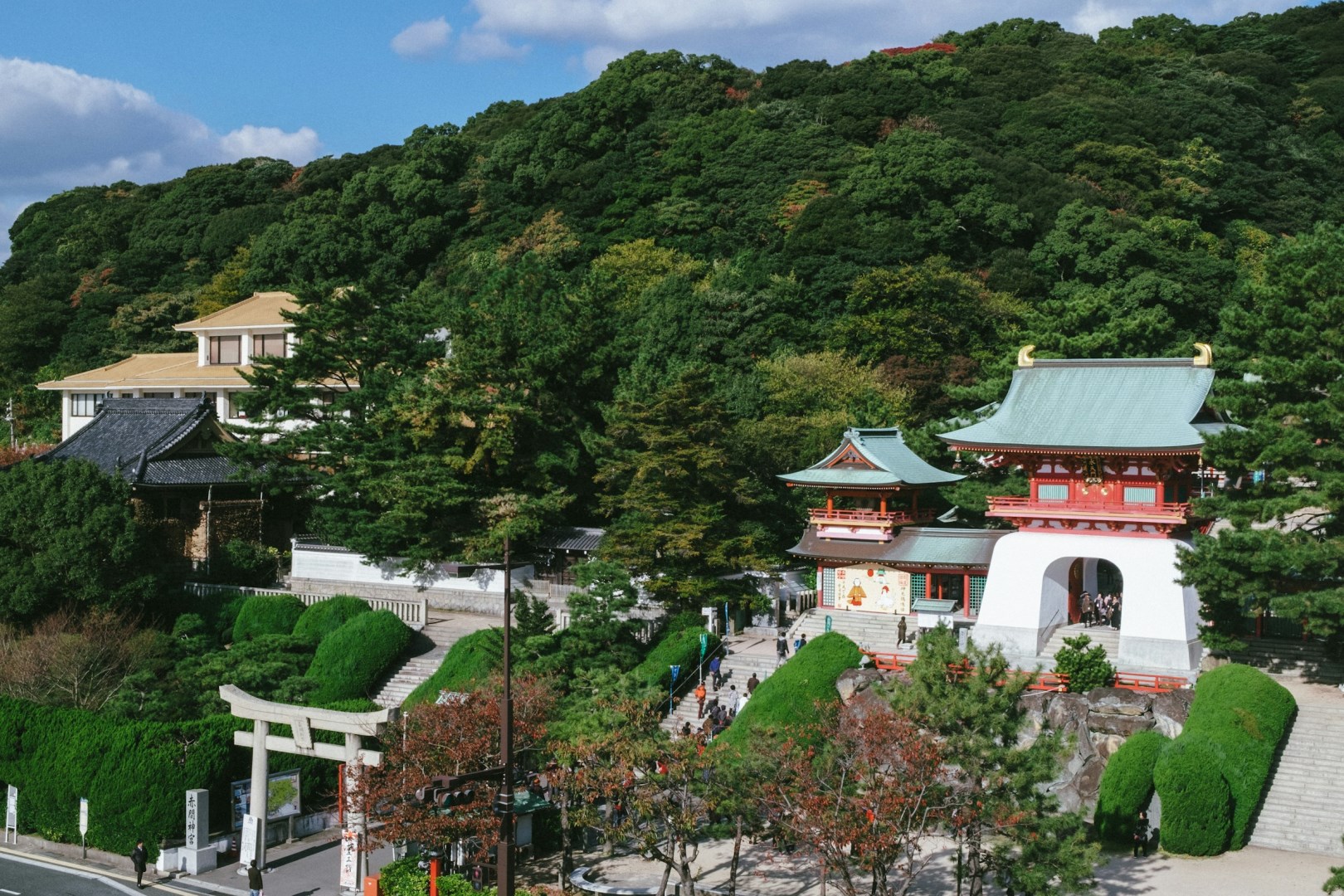
Kitakyūshū
Kitakyushu, located in northern Kyushu, Japan, is a city that seamlessly combines industrial prowess with cultural and natural attractions. Formed from the merger of five cities in 1963, Kitakyushu has a strong industrial history, particularly in steel production, while also investing heavily in environmental sustainability and urban revitalization.
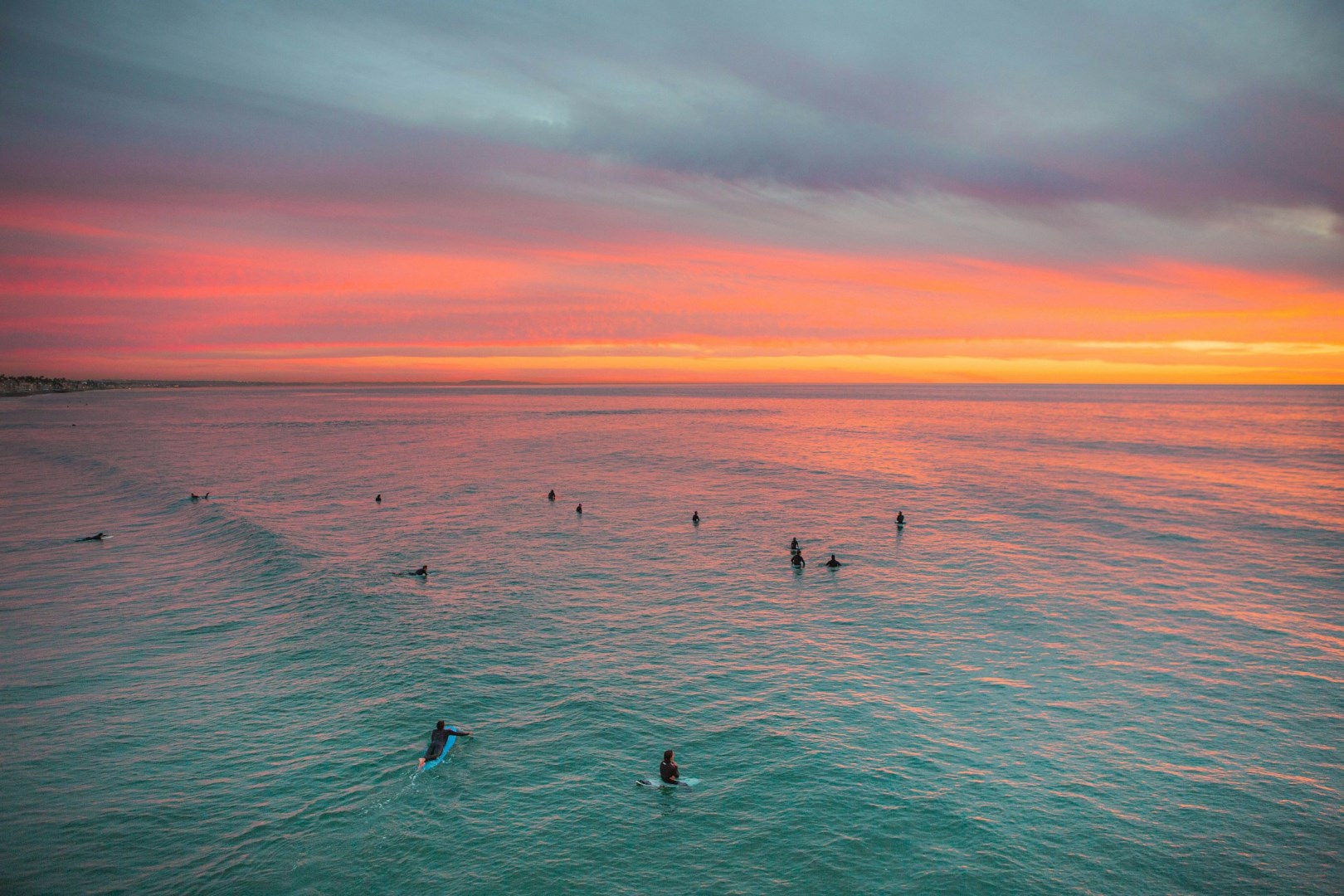
Oceanside
Oceanside is a coastal city in Southern California, located in San Diego County where the Pacific Ocean meets the northern edge of the county. Its waterfront is centered on a long sandy beach, a historic wooden pier, and a working harbor, while neighborhoods extend inland toward the foothills. Oceanside has a distinctly maritime setting, with beaches and harbor facilities alongside a compact downtown containing restaurants, galleries, shops, and cultural venues.
