
Gotland
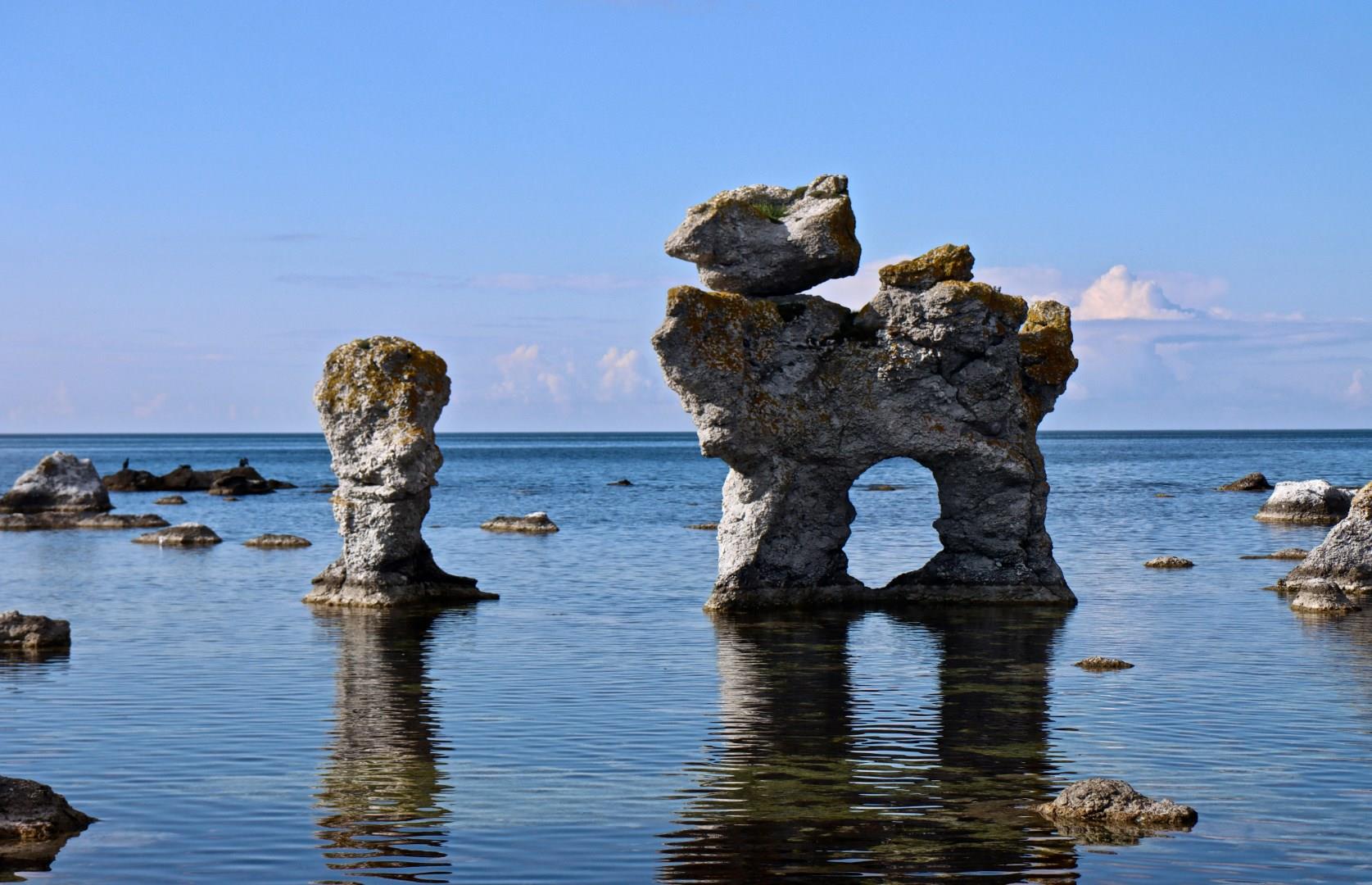
Gotland, Sweden’s largest island, sits in the Baltic Sea and feels like a world of its own. Its main town, Visby, is a UNESCO World Heritage site and one of the best-preserved medieval towns in Northern Europe. Surrounded by a 3.5-kilometer stone wall with original towers still intact, Visby once served as a key Hanseatic trading hub. Visitors can walk along cobbled streets lined with rose-covered cottages, explore Gothic church ruins, and climb up the city wall for views over the harbor.
León
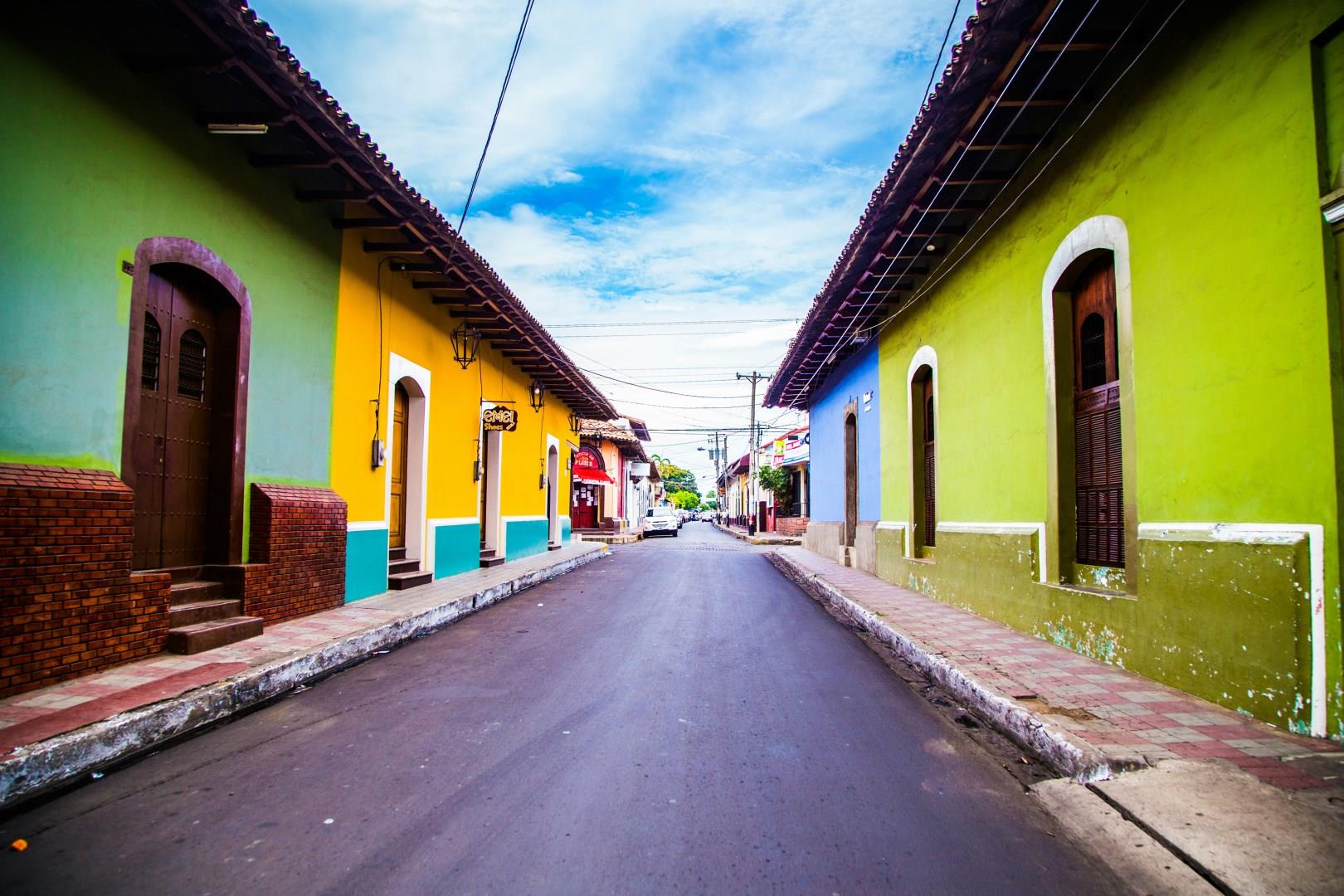
León, Nicaragua serves as the country’s capital for more than two centuries and still feels like the intellectual and political heart of Nicaragua. The city is known for its revolutionary past, visible in murals that stretch across building walls, telling stories of resistance, poets, and everyday citizens. The Cathedral of León, the largest in Central America and a UNESCO World Heritage Site, dominates the central square.
Morocco
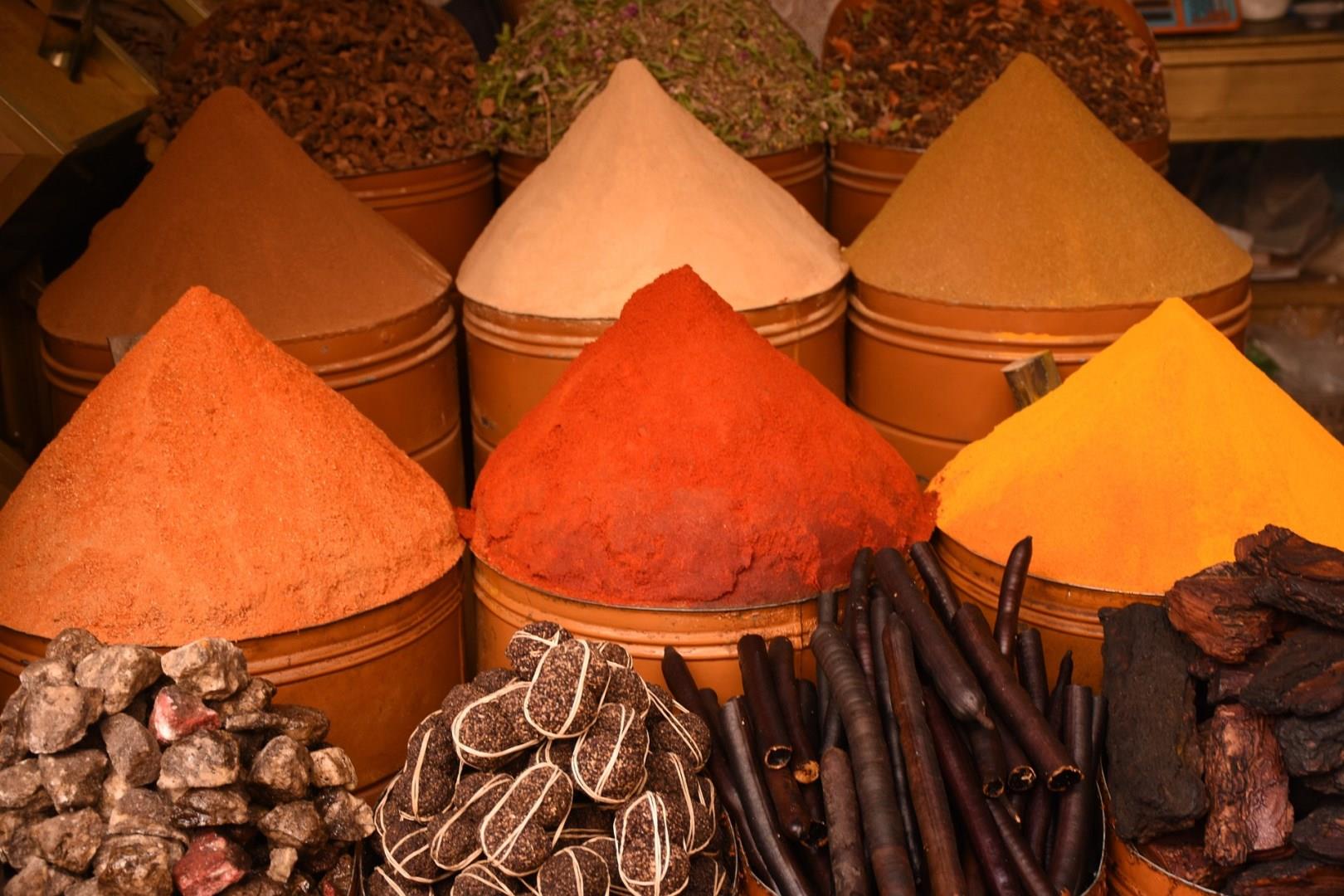
Morocco, at the crossroads of Africa and Europe, offers travelers a remarkable journey through history, culture, and landscapes that are as diverse as they are captivating. From bustling medinas to sweeping deserts and dramatic coastlines, the country blends centuries-old traditions with a vibrant modern spirit.
Ittoqqortoormiit
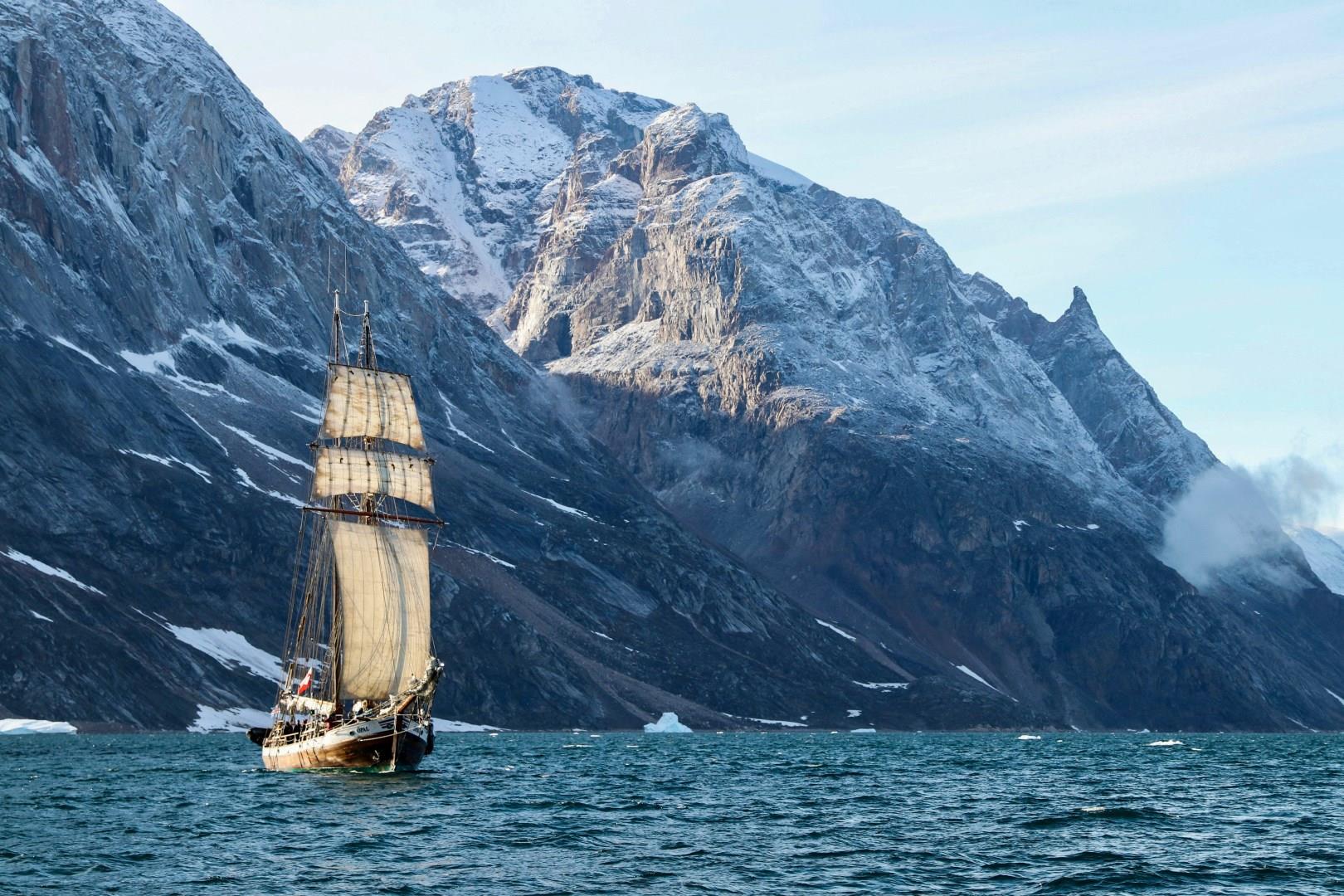
Welcome to Ittoqqortoormiit, where the stark beauty of the Arctic landscape meets a rich Inuit heritage. Located at the edge of the Scoresby Sound fjord system, this remote town offers a rare glimpse into life above the Arctic Circle. With a population of around 350 residents, Ittoqqortoormiit is a haven for those seeking solitude and adventure. Visit the Scoresby Sound to marvel at its spectacular fjords and towering cliffs, a natural wonder that’s a must-see for nature enthusiasts.
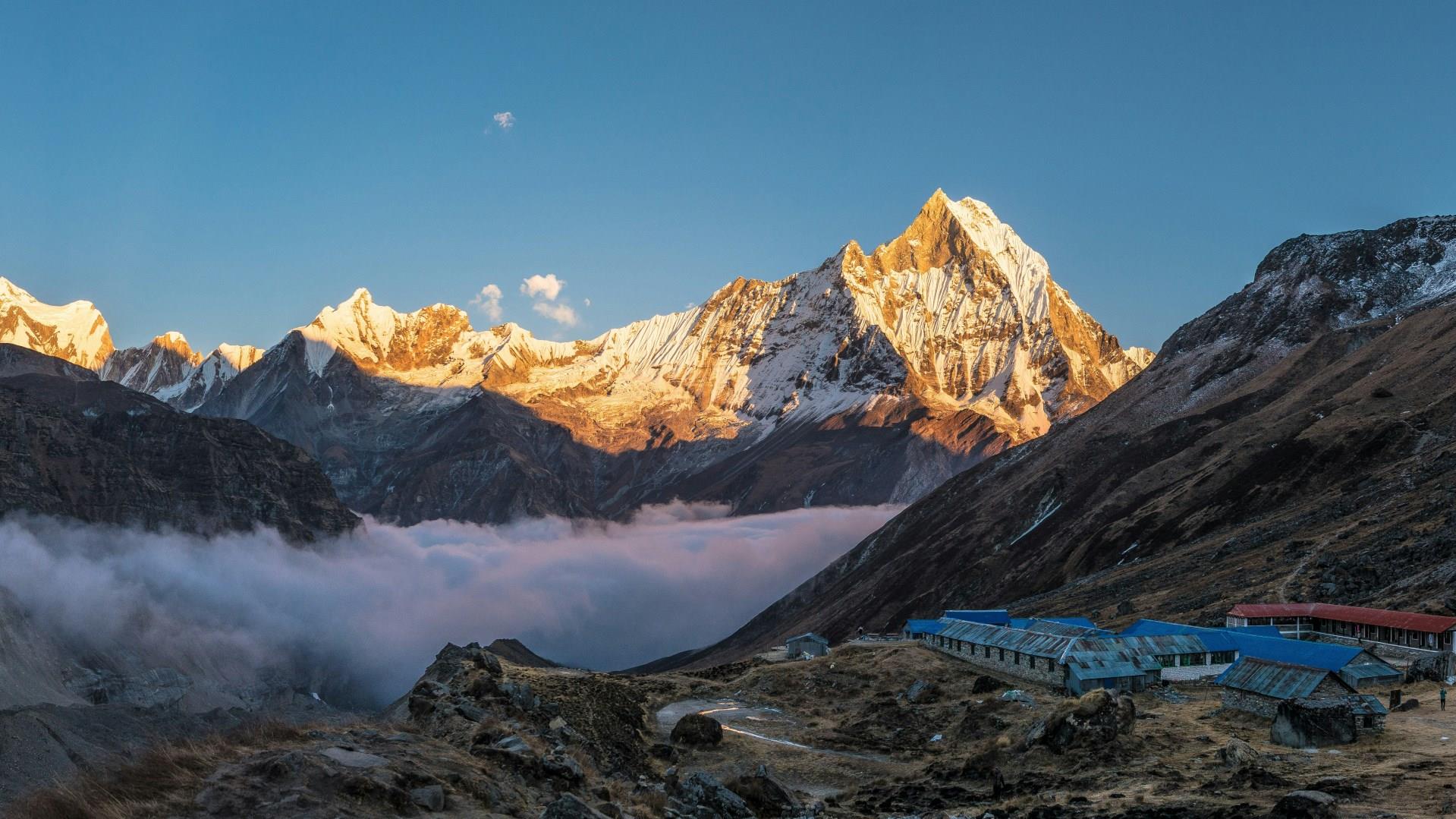
Annapurna
The Annapurna region of central Nepal is defined by both cultural depth and extreme topography. Home to a wide range of ethnic communities, including Gurung, Thakali, and Manangi peoples, the area has long been shaped by trans-Himalayan trade routes and mountain agriculture.
