
North Conway
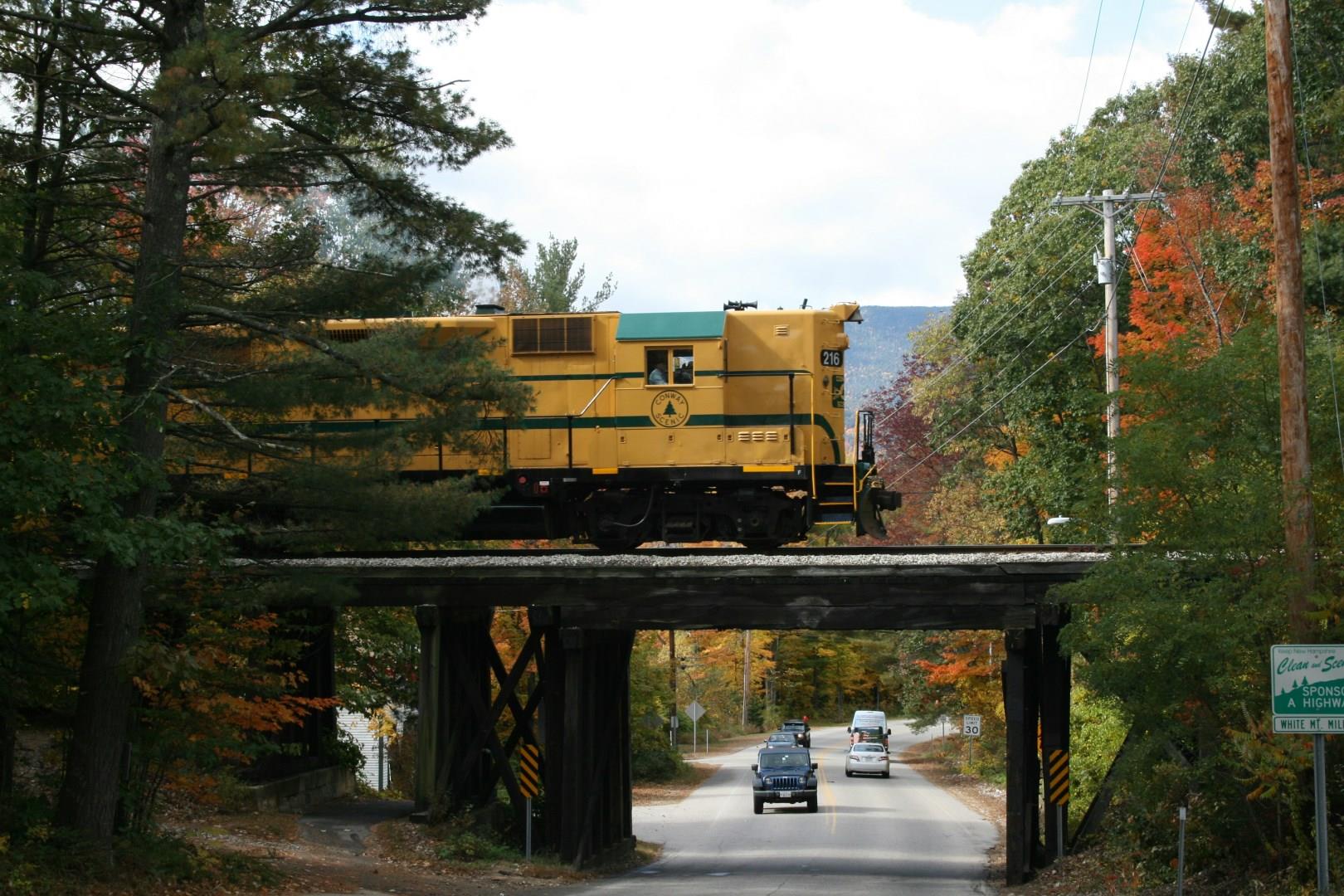
North Conway, located in New Hampshire’s Mount Washington Valley, has drawn visitors since the mid-19th century, when artists from the White Mountain School began painting its dramatic landscapes. Today, the area still offers scenic appeal, anchored by the towering presence of Mount Washington, the tallest peak in the northeastern U.S. Historic photographs and lithographs of North Conway hang in galleries downtown, showing just how little the iconic views have changed in over 150 years.
Gir National Park
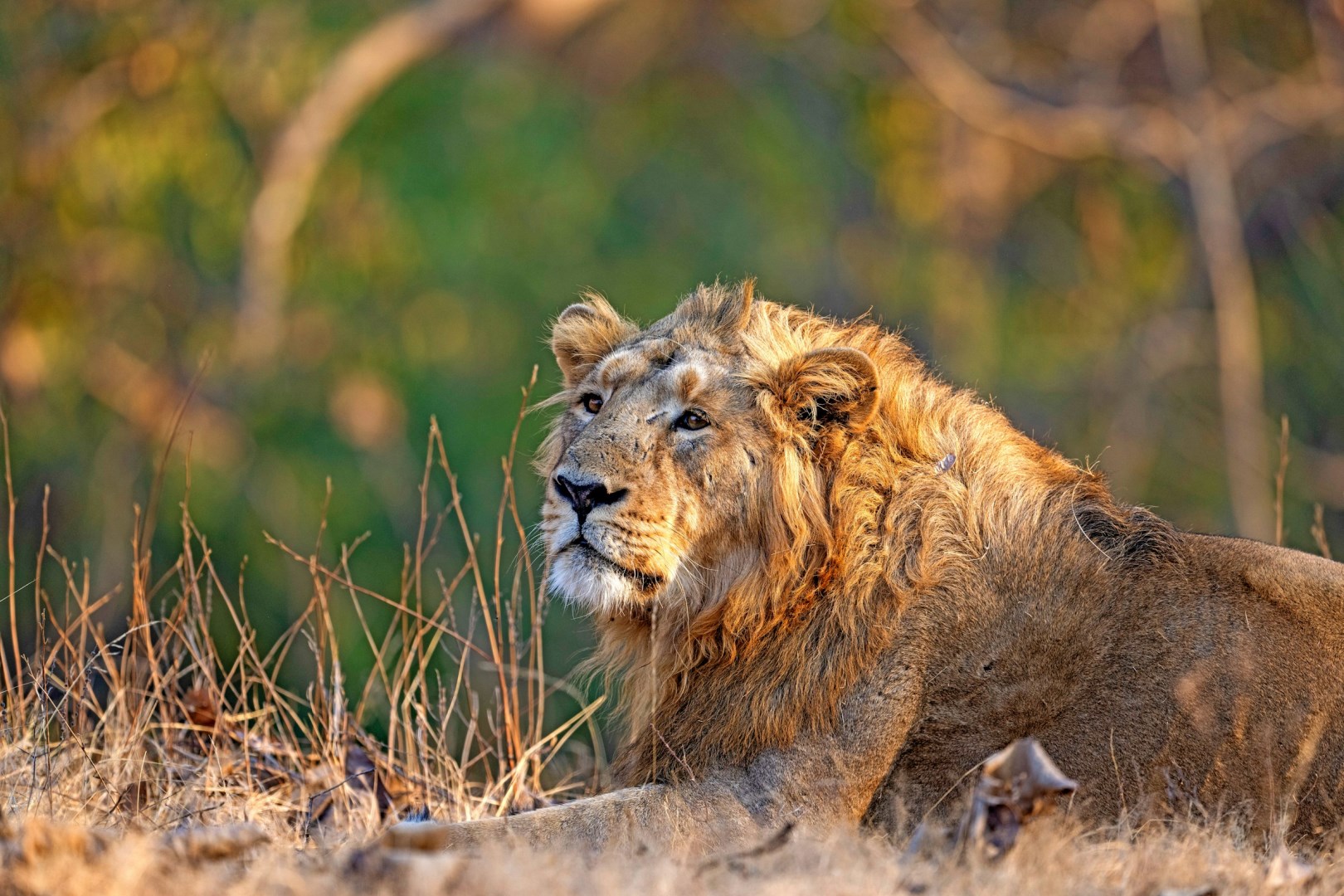
Gir National Park is a protected forest in Gujarat, western India, and the most important natural habitat of the Asiatic lion. The park forms part of the larger Gir Protected Area, a dry landscape of deciduous woodland, thorn scrub, grasslands, rocky hills, and seasonal streams. The forest is also home to leopards, chital, sambar, nilgai, wild boar, crocodiles, and numerous bird species. Unlike many of India’s major wildlife reserves, Gir is closely surrounded by villages and pastoral communitie

Las Vegas
Las Vegas, Nevada, is an electrifying city where glitz and glamour meet entertainment and excitement. Known as "The Entertainment Capital of the World," Las Vegas offers an unparalleled array of attractions, from its iconic casinos and luxurious hotels to its world-class dining and live shows. The city's entertainment scene is second to none, featuring legendary headliners, cutting-edge performances, and an array of themed attractions.
Mayaro Bay
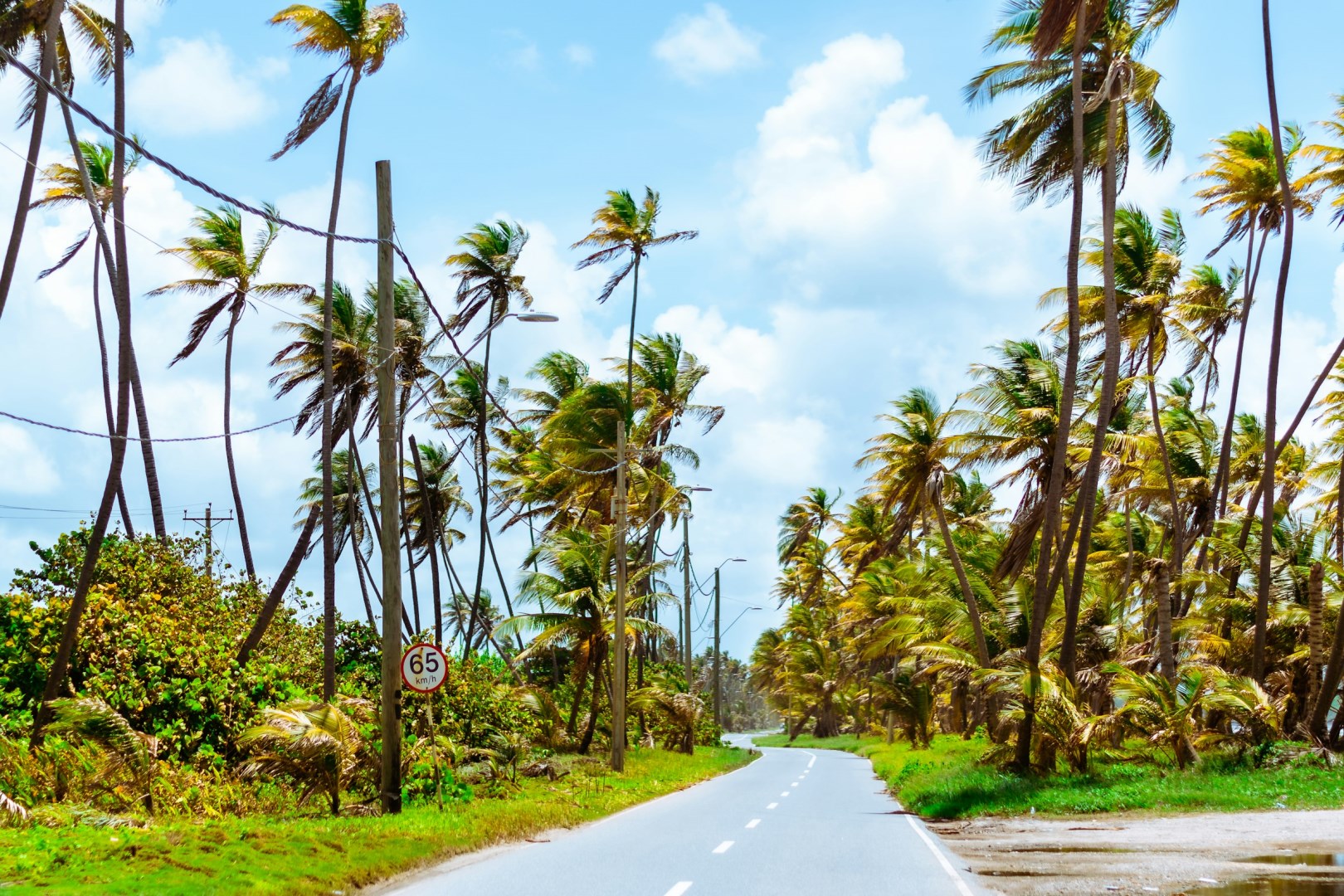
Mayaro Bay is a long stretch of coastline on the southeastern side of Trinidad, facing the Atlantic Ocean and extending along the Mayaro coast. The area is known for its broad sandy beaches, coconut palms, coastal vegetation, and low-lying landscapes shaped by the sea. Unlike Trinidad’s more developed northwestern coastal districts, Mayaro has a more rural character, with villages, fishing activity, small farms, and scattered residences along the shoreline.
Aguas Calientes
Aguas Calientes, officially called Machupicchu Pueblo, sits in a narrow valley below the ruins of Machu Picchu, shaped almost entirely by geography and access. The town grew around the railway and hot springs that give it its name, becoming a necessary stopping point rather than a destination planned in advance. Its identity is closely tied to movement, with most people arriving on foot or by train and staying briefly before heading uphill.
