
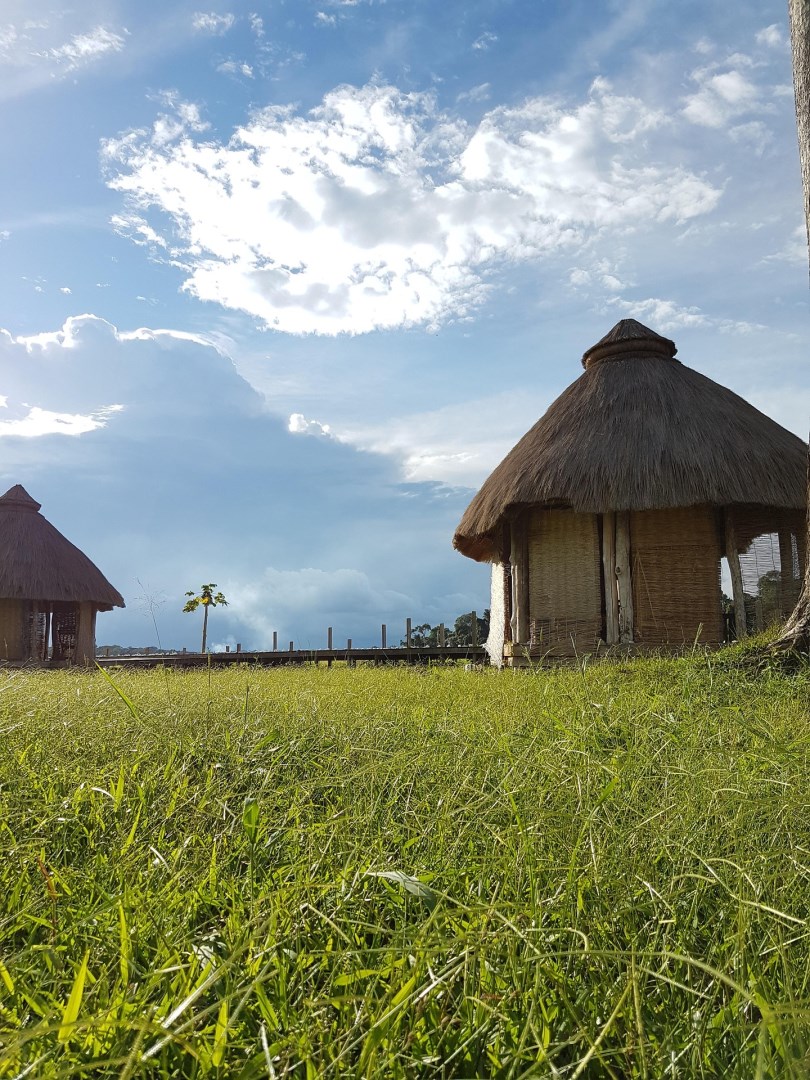
Cameroon
Cameroon is often called “Africa in miniature” for good reason. Within its borders, travelers can explore coastal beaches, dense rainforests, vast savannas, active volcanoes, and snow-capped peaks, all without crossing a border. The country’s most iconic landmark, Mount Cameroon, is the highest mountain in West Africa and an active volcano that draws hikers from around the world.
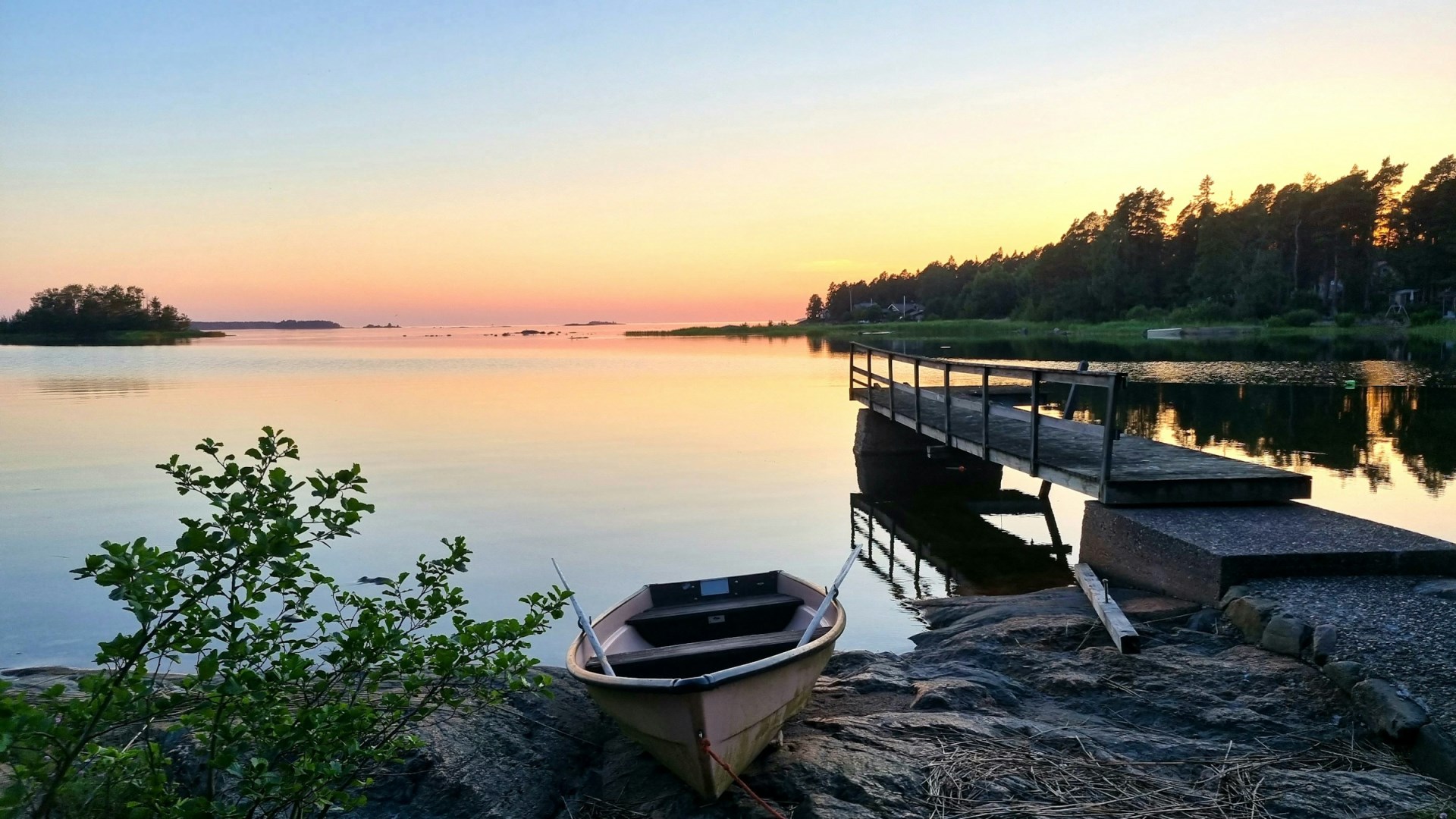
Rauma
Rauma is a historic coastal town in western Finland, located on the Gulf of Bothnia and known for its well-preserved wooden Old Rauma district. Narrow lanes, colorful timber houses, small courtyards, and irregular street patterns give the historic center a distinctive appearance. Outside the old town, Rauma remains an important port and industrial center, while the surrounding coast contains islands, rocky shores, and forested landscapes.
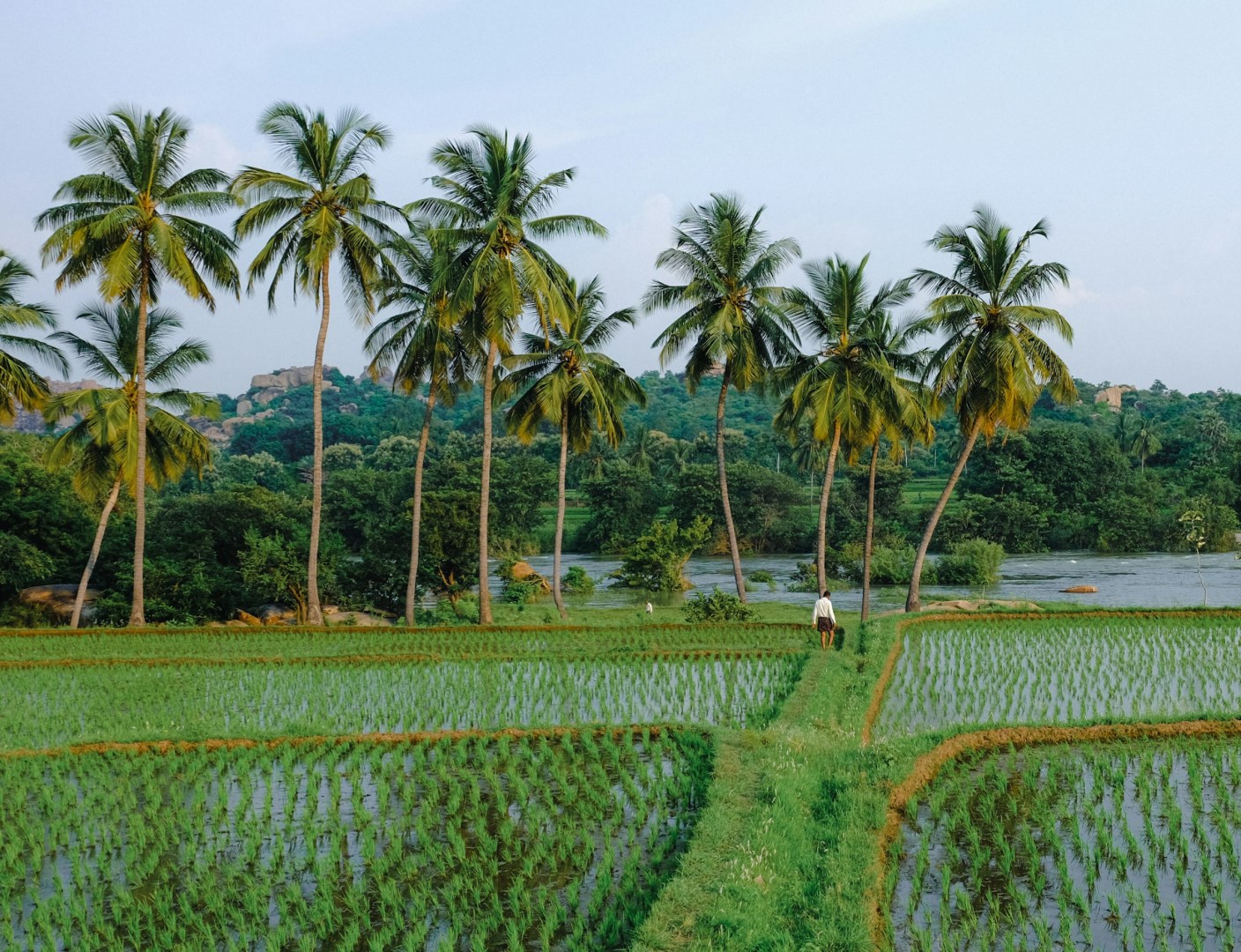
Hampi
Hampi is a historic village and archaeological landscape in Karnataka, set among dramatic granite boulders, rocky hills, banana plantations, and the Tungabhadra River. The ruins belong to the former capital of the Vijayanagara Empire and cover a wide area of temples, gateways, markets, palaces, shrines, and water structures. The landscape is notable for the way monumental architecture sits among natural rock formations and agricultural fields. Hampi is recognized as a UNESCO World Heritage Site
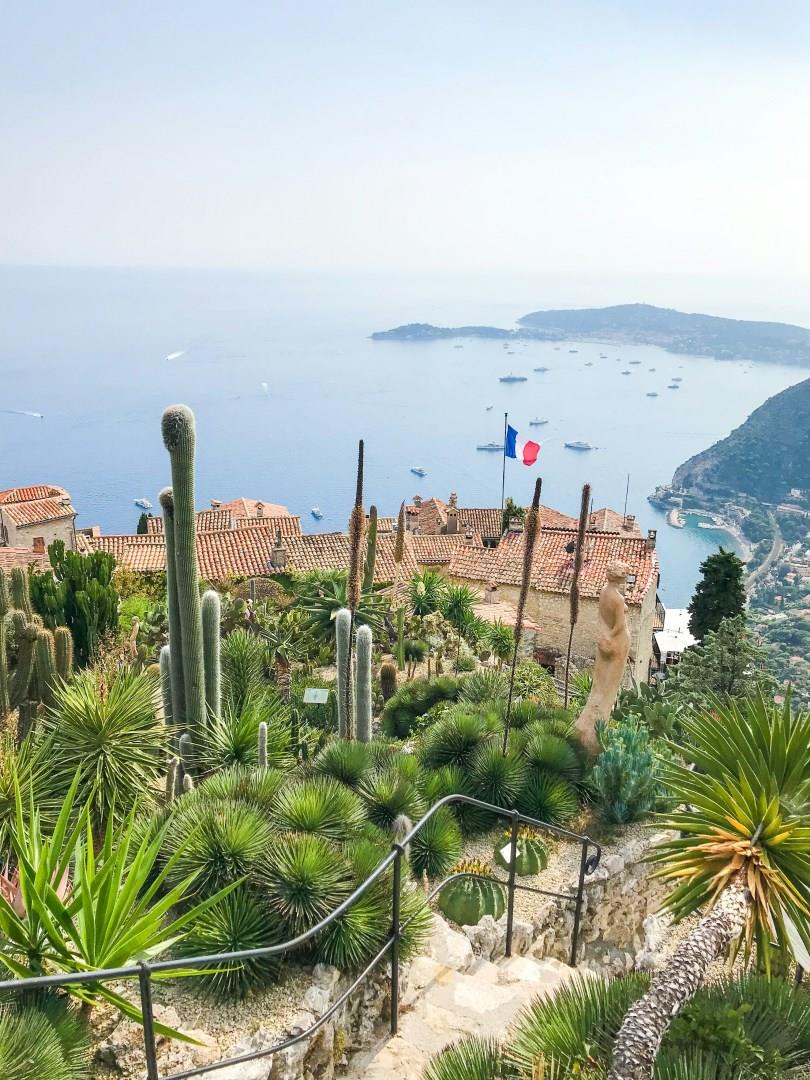
Èze
Eze is a hilltop village perched high above the Mediterranean on France’s Côte d’Azur, where stone houses and narrow lanes cling to a steep rocky outcrop between Nice and Monaco.
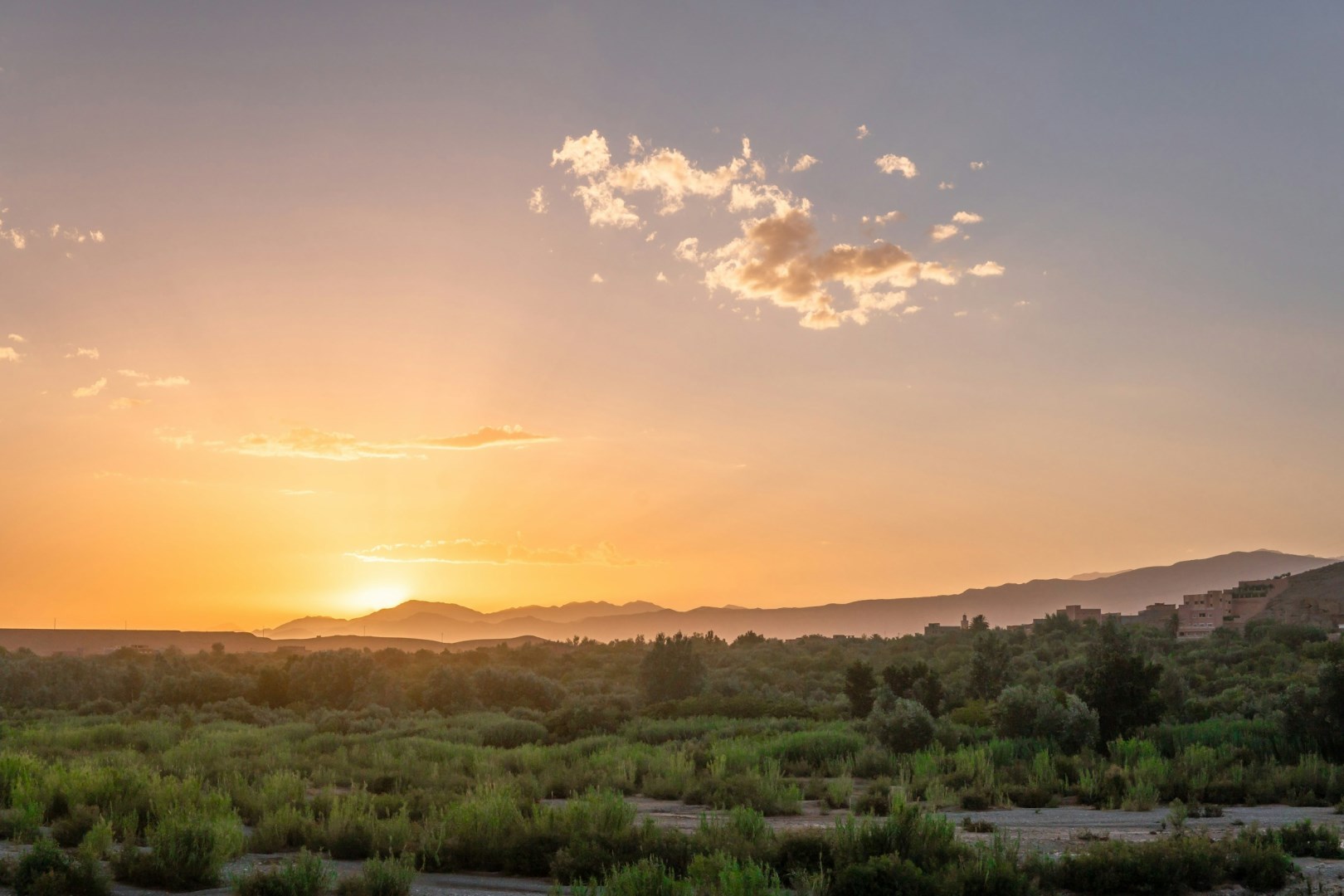
Kalaat M'Gouna
Kalaat M'Gouna is a town in Morocco set in the Valley of Roses between the High Atlas and Jbel Saghro mountain ranges. It lies near the Dadès Valley, where irrigated fields and settlements form green corridors through an otherwise dry, rocky landscape.
