

Warsaw
Warsaw stands as one of Europe’s most resilient cities, having rebuilt itself almost entirely after World War II. The Old Town, meticulously reconstructed using paintings by Italian artist Bernardo Bellotto, feels centuries old but is, in fact, less than a hundred years in its current form. Behind the medieval facades lie stories of uprisings, resistance, and quiet defiance. Visitors walking through Castle Square can enter the Royal Castle, where Poland’s Constitution of May 3, 1791 was adopted.
Missouri
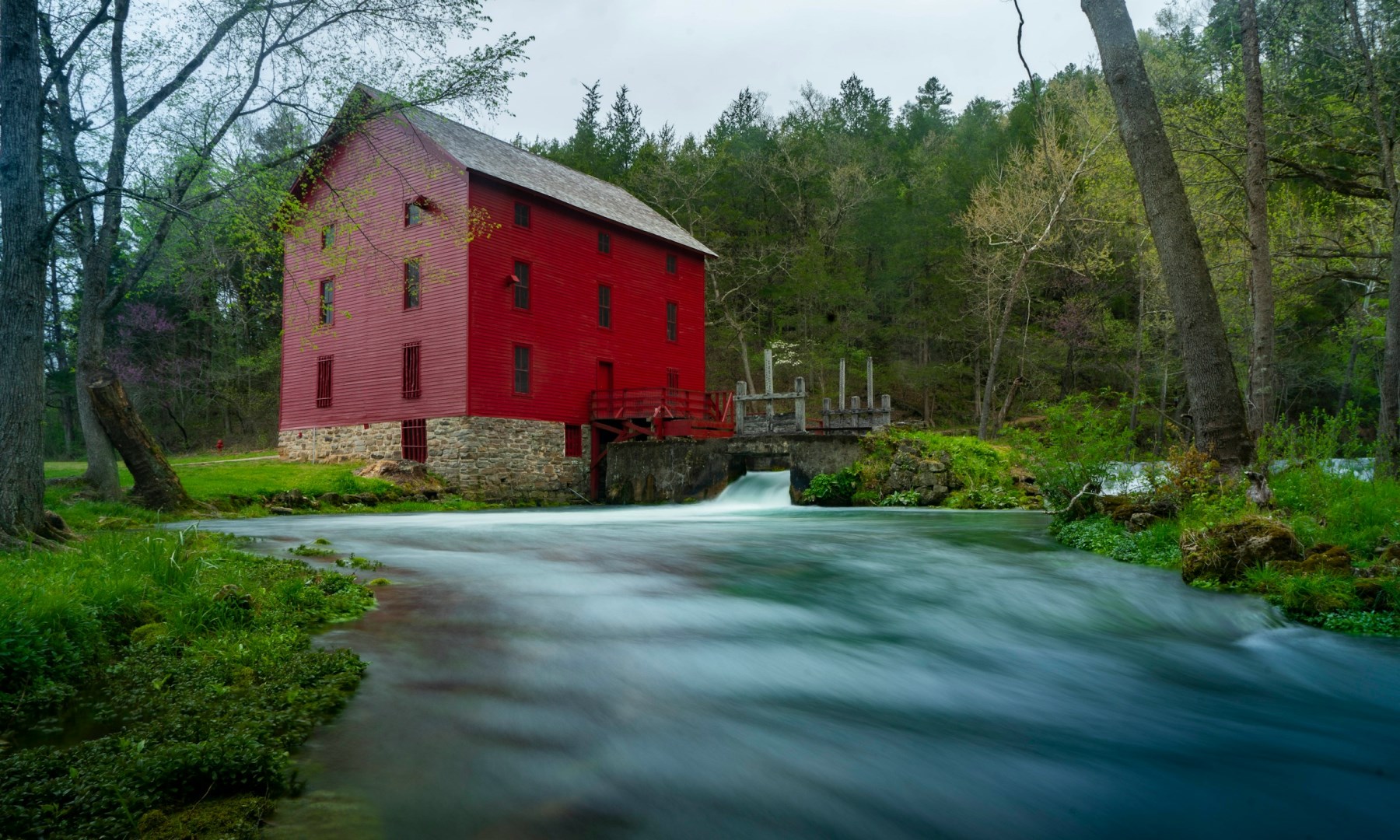
Missouri, nestled in the heart of the United States, offers a rich tapestry of history, culture, and natural beauty. Begin your exploration in St. Louis, where the iconic Gateway Arch stands as a testament to westward expansion and American ambition. This architectural marvel not only offers breathtaking views of the Mississippi River but also houses the Museum of Westward Expansion, delving into the stories of pioneers and explorers who shaped the nation.
Dominical
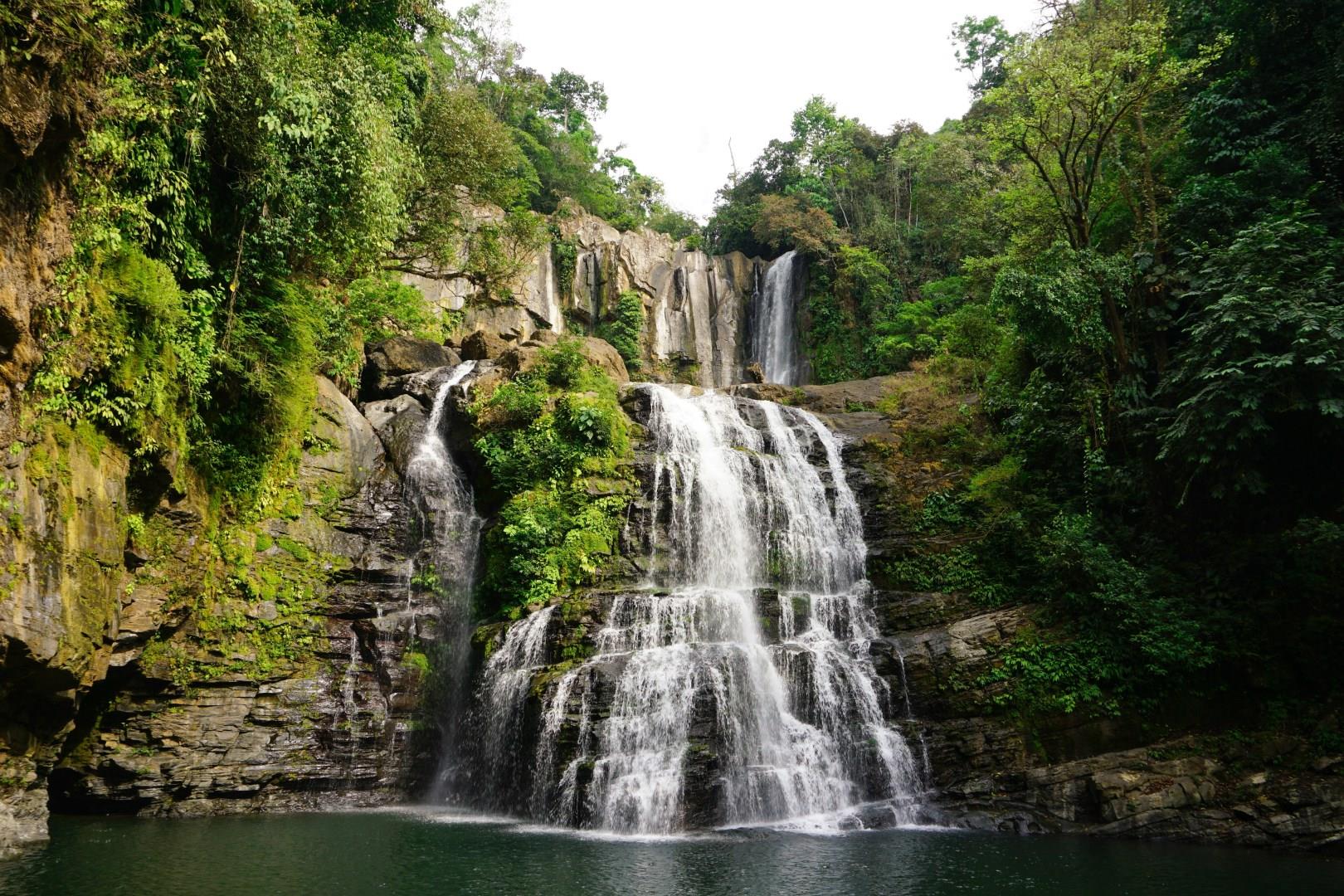
Dominical is a small coastal town on Costa Rica’s southern Pacific shore, known for its strong connection to the ocean and surrounding rainforest.

Stockholm
As a city located in a Baltic Sea archipelago, it's not surprising that Stockholm has 50 bridges and sightseeing boats moving people between its 14 islands. This contemporary and welcoming capital of Sweden is nonetheless easily navigable by foot. Every district here has a distinct flavor, from the sophisticated Östermalm to the bustling downtown energy of Norrmalm to the delightful Old Town.
Dead Sea
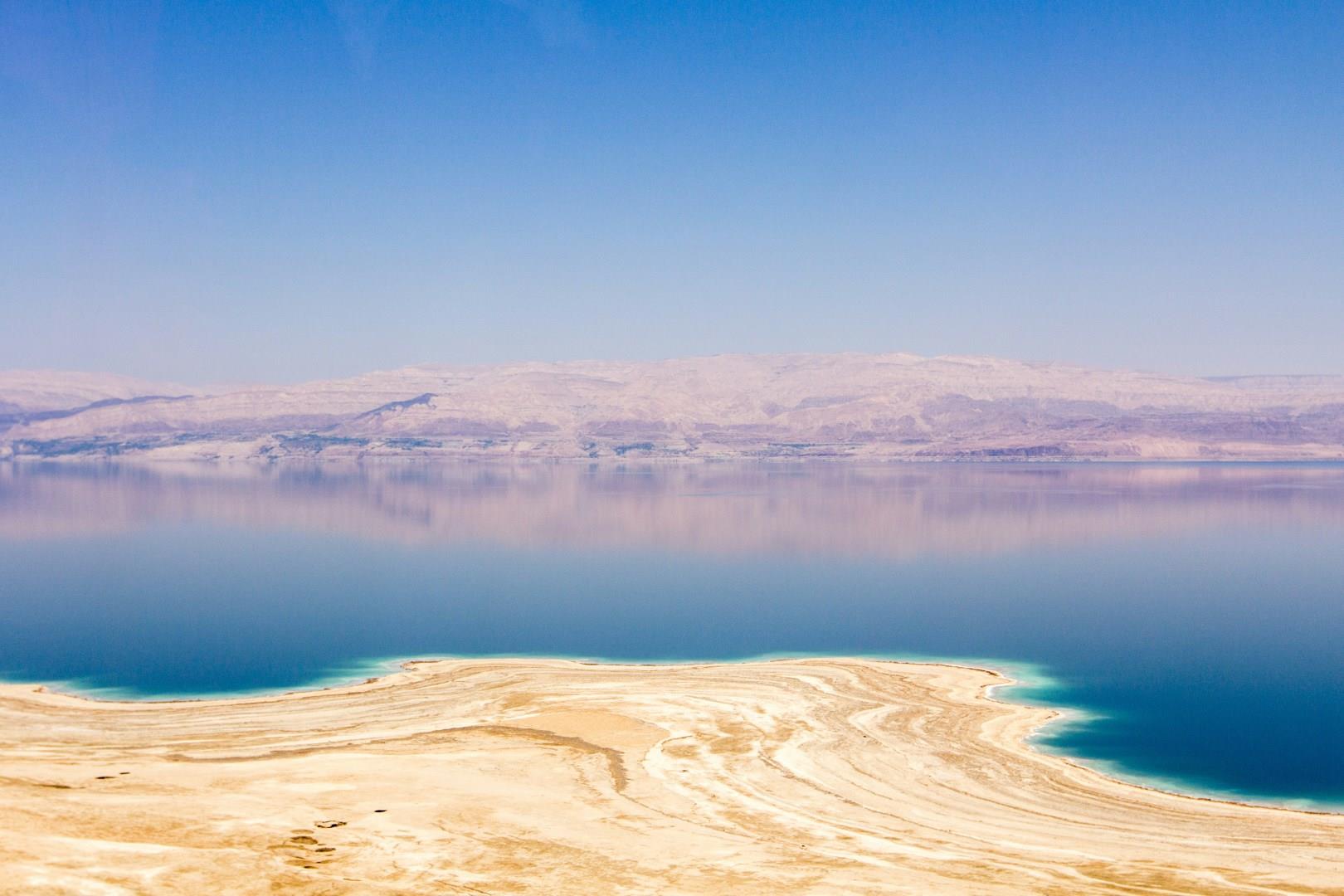
The Dead Sea lies at the lowest point on Earth, around 430 meters below sea level, and features water with nearly ten times the salinity of the ocean. That level of salinity makes floating on its surface effortless. Visitors can lie back without effort, with views opening across barren hills and reflective water. This shoreline also hosts a mix of minerals collected over millennia and known for their soothing effect on skin and joints.
