
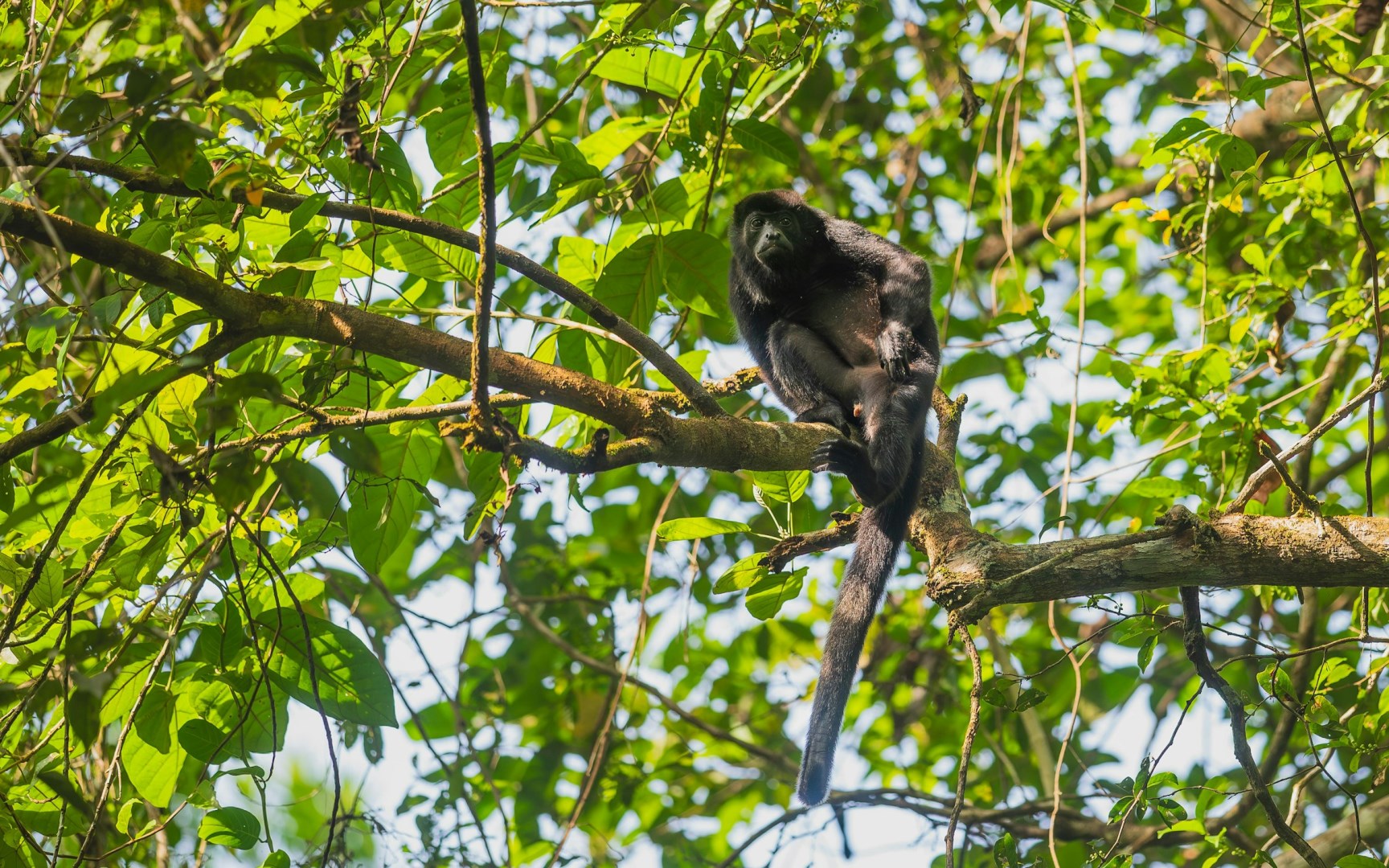
Gamboa
Gamboa, Panama, was originally built to house employees of the Panama canal. The small town's main attractions are its proximity to significant tracts of relatively undisturbed rainforest, and Pipeline Road, considered one of the best bird watching sites in Central America.
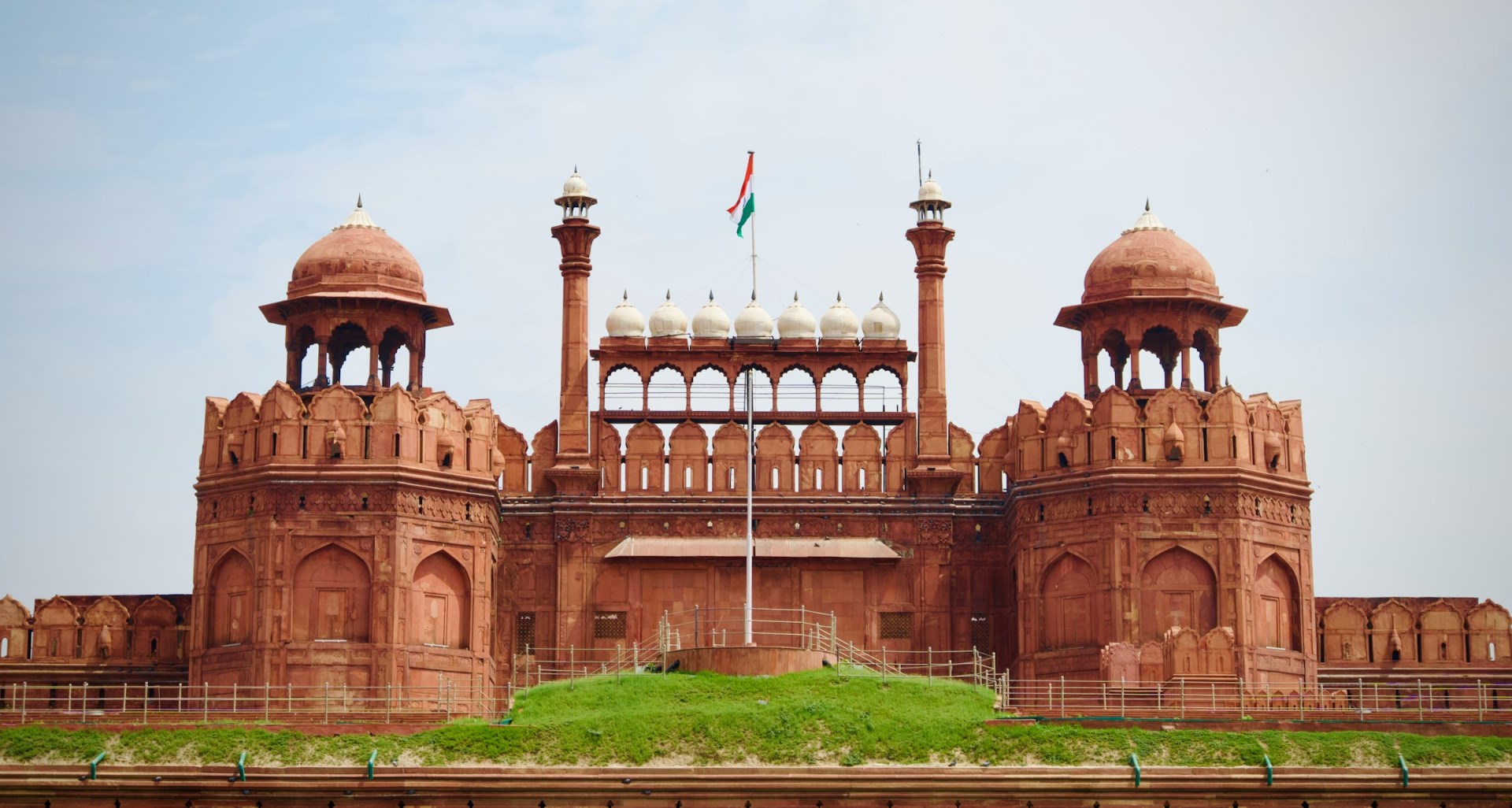
New Delhi
New Delhi is the planned central district of India’s capital, laid out with broad avenues, formal gardens, government buildings, and prominent public landmarks. Designed around ceremonial spaces and tree-lined roads, it contrasts with the dense lanes and historic neighborhoods of Old Delhi. Rashtrapati Bhavan, Parliament, India Gate, and Kartavya Path form some of the district’s defining landmarks.
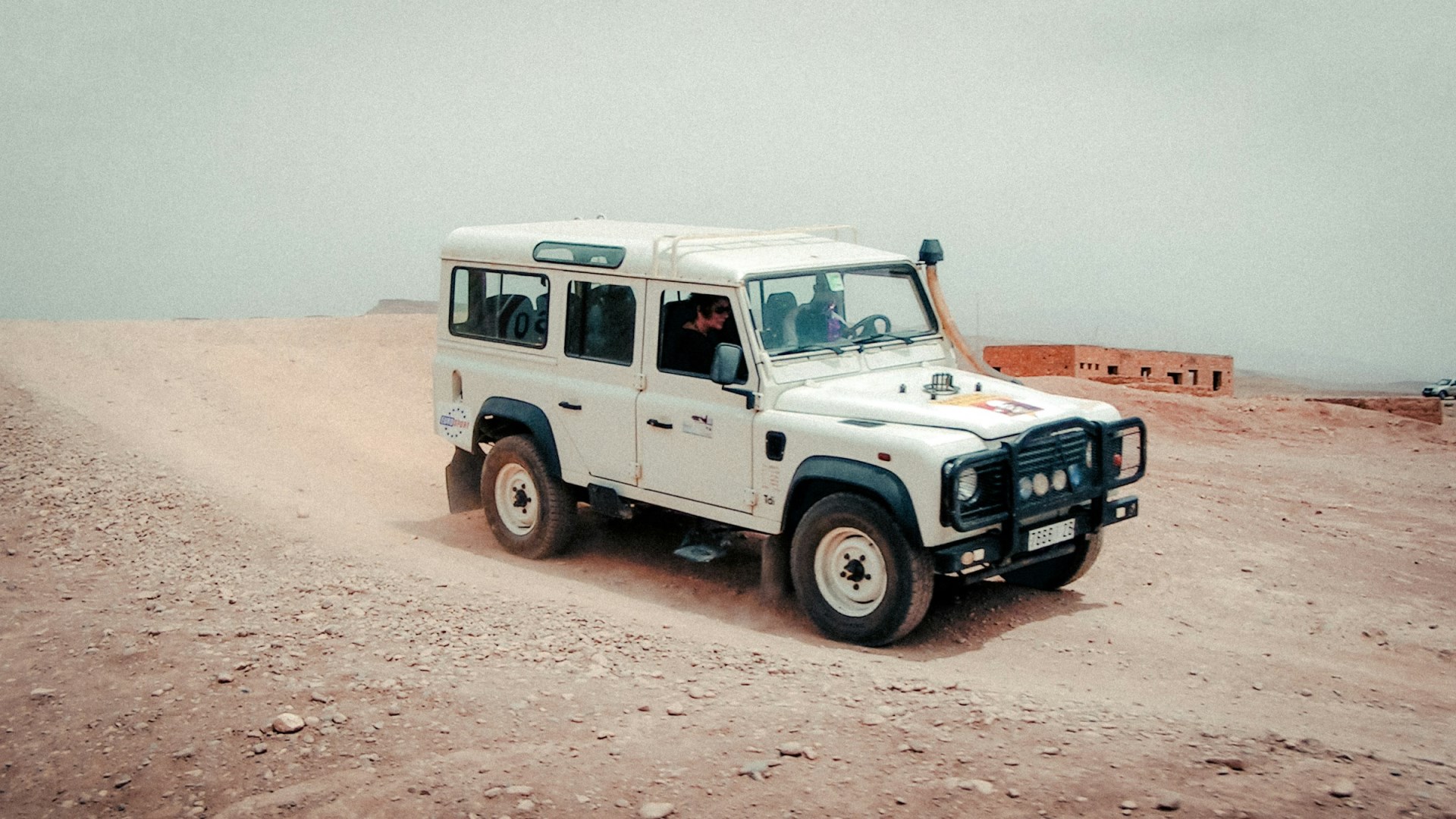
Tata
Set along the edge of the Anti-Atlas and the northern reaches of the desert, Tata offers a landscape shaped by sun, stone, and water. The town sits within a wide oasis valley, where palm groves stretch across the land in sharp contrast to the surrounding dry hills. Life here depends on careful use of water, and visitors quickly notice how every field and garden is planned with purpose. The result is a setting that feels both remote and deeply connected to the land.
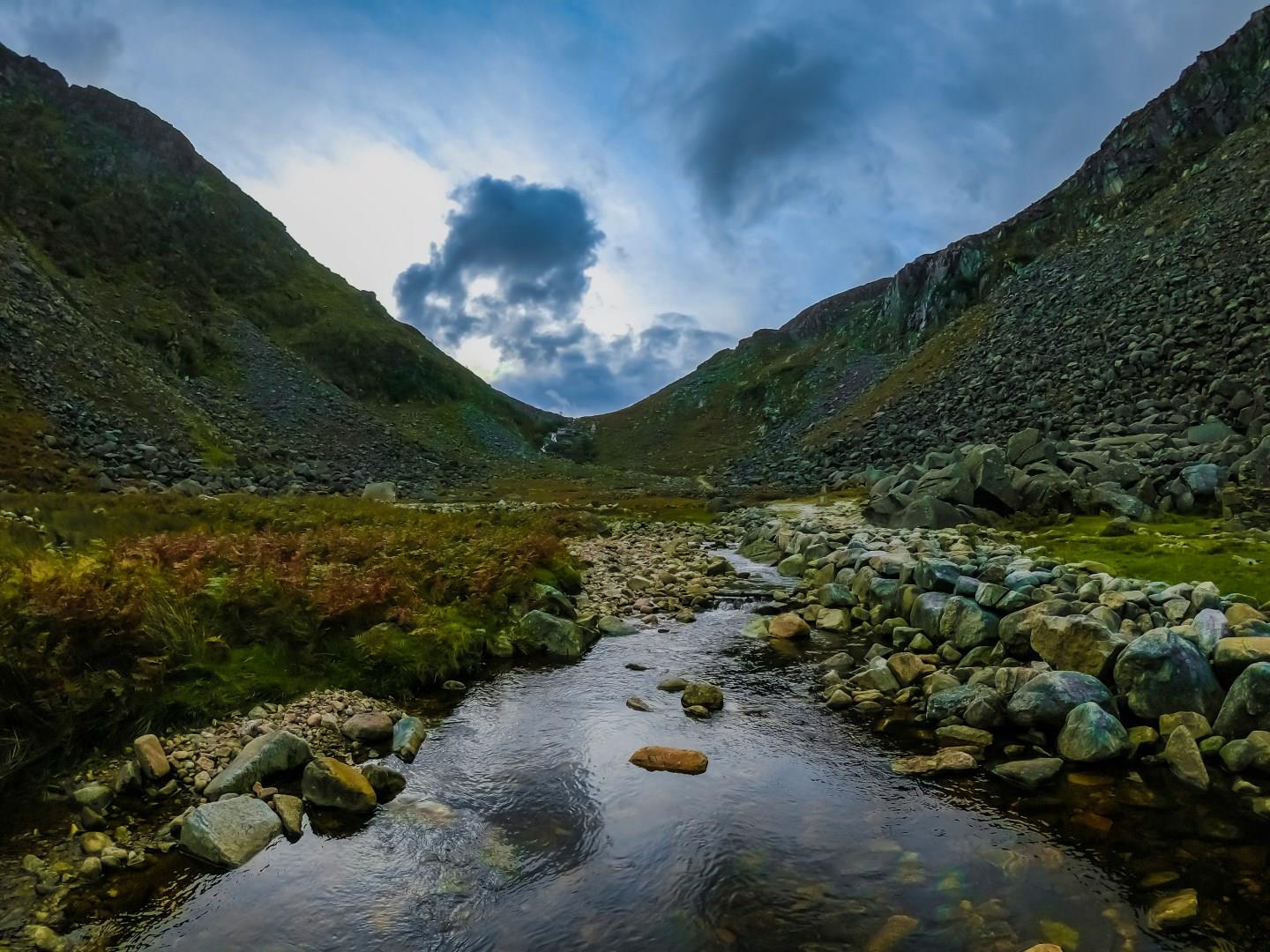
Glendalough
Glendalough, located in County Wicklow, is one of Ireland’s most historically significant and visually striking valleys. It’s best known for its early medieval monastic site, founded by St. Kevin in the 6th century. The round tower, cathedral ruins, and stone churches that remain today are surrounded by forests, lakes, and mountain trails, creating a setting that feels both ancient and untouched.
Parma
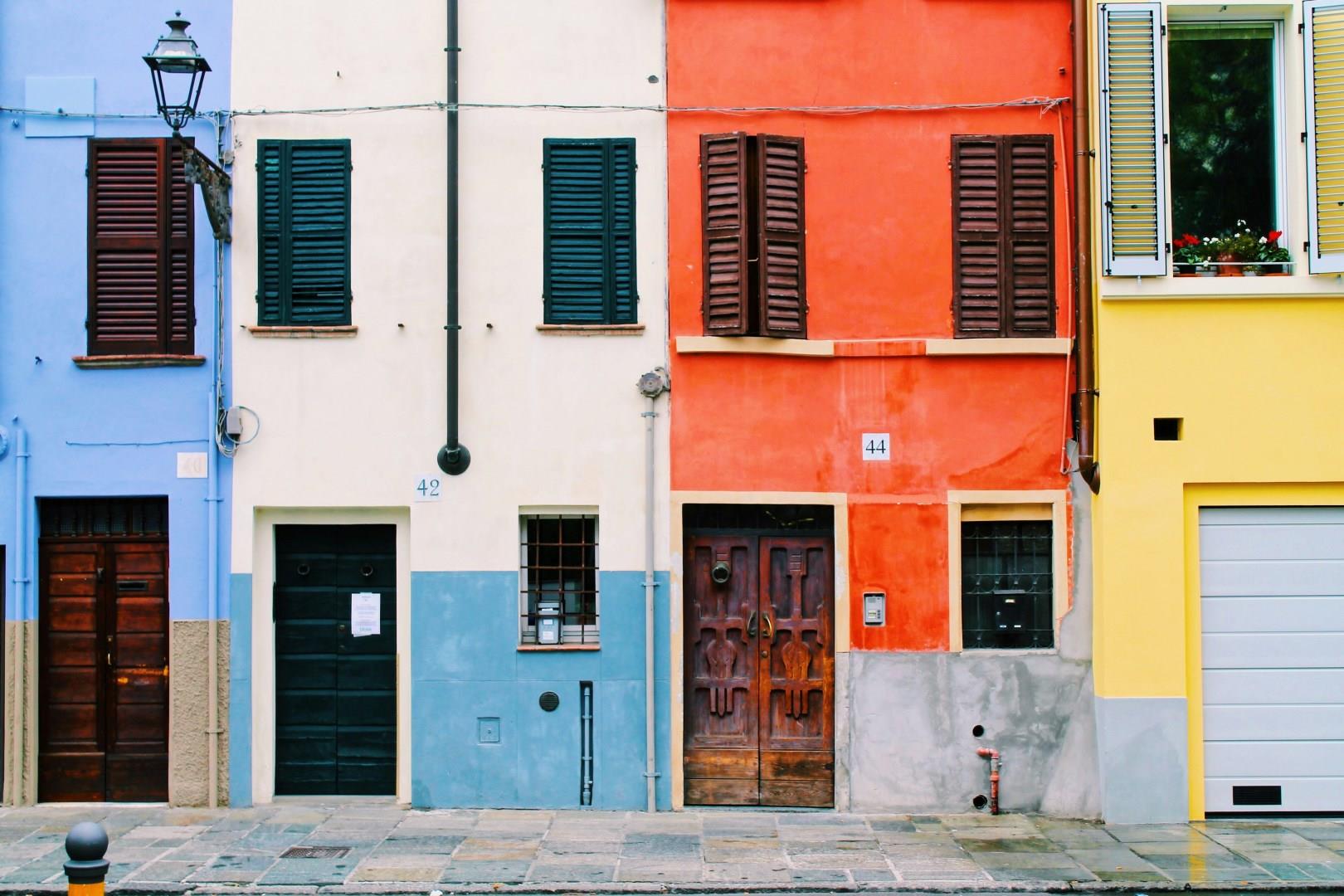
Parma, in Italy’s Emilia-Romagna region, is a city where art, history, and gastronomy intertwine. Known worldwide as the birthplace of Parmesan cheese and Parma ham, the city has long been a culinary capital, but its cultural depth extends far beyond the table.
