
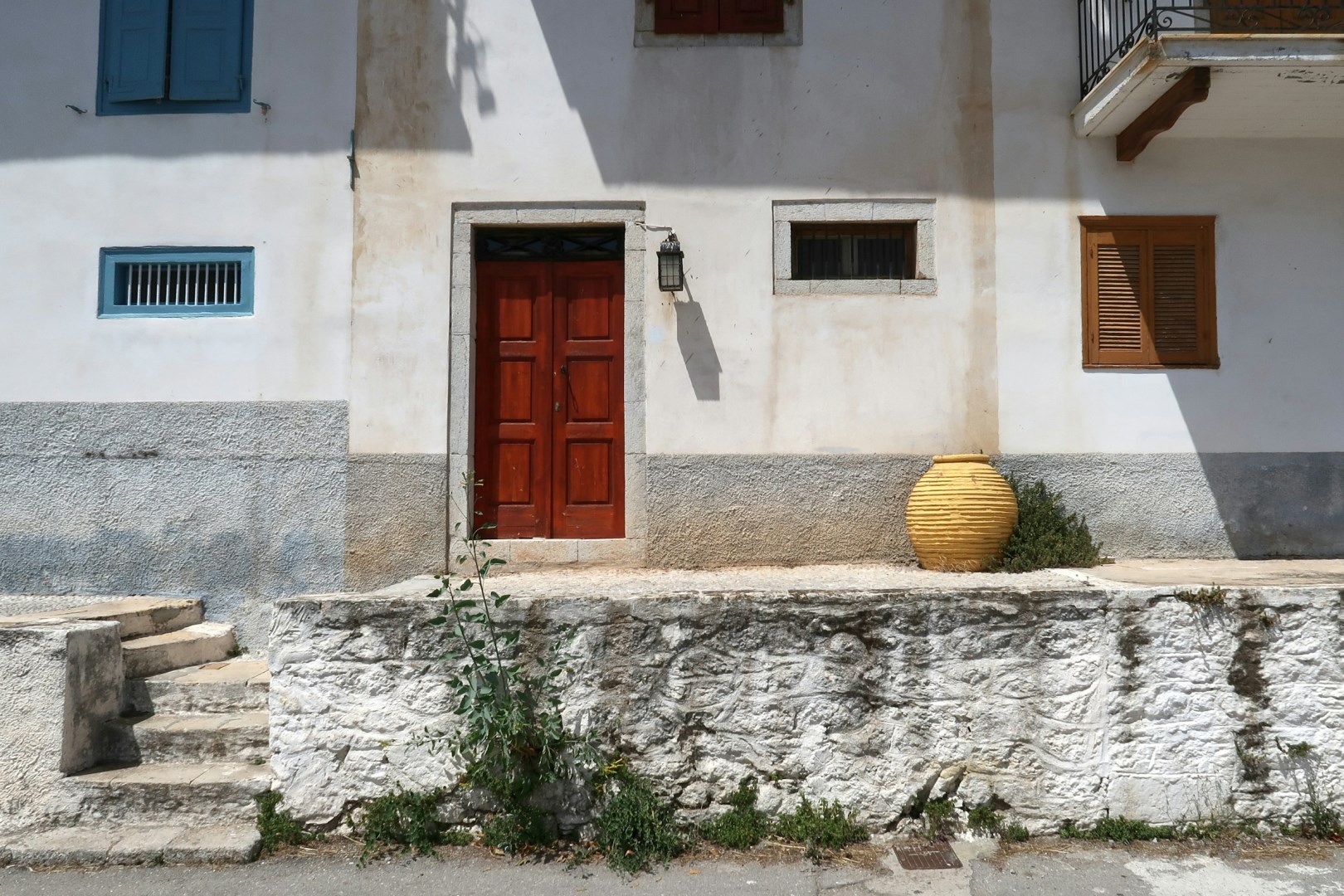
Itea
Itea is famous for its honey and olives. That said, it is the perfect little town to stay in as a starting point for day trips to such places as Delphi, one of the most popular and interesting archaeological sites in the world, and Amphissa, the capital of prefecture. Itea is also host to many festivals in the winter and summer months.
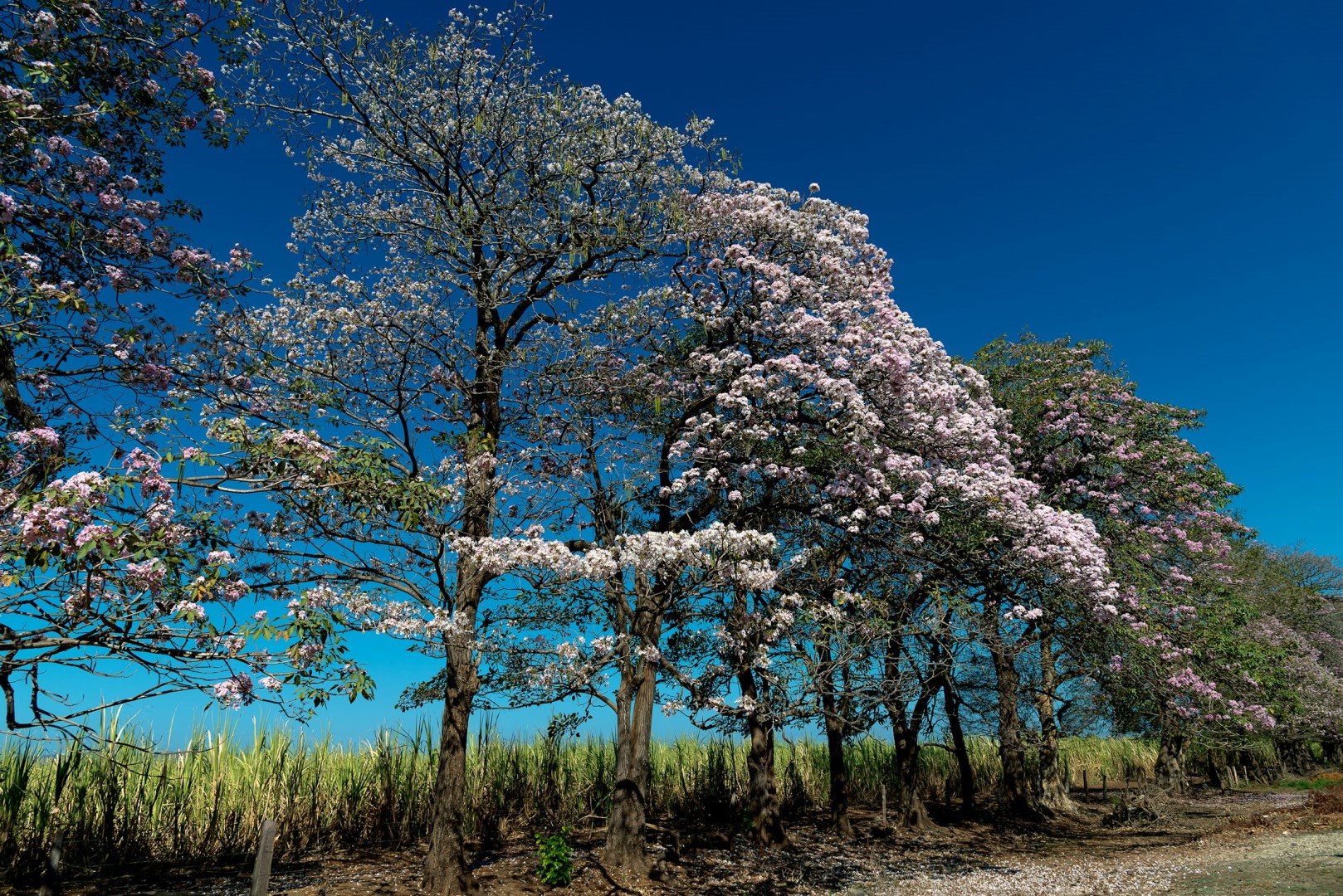
Liberia
This Northern Costa Rica city is known for its volcanoes (both active and inactive), the Catholic church Ermita de La Agonía, and the Museo del Sabanero.

Leknes
Leknes sits in the heart of Norway’s Lofoten Islands, a small town shaped more by geography than by long urban history. It developed as a regional hub for farming, fishing, and transport, serving surrounding villages spread across Vestvågøy. Rather than presenting a preserved past, Leknes reflects contemporary life in the north, practical and closely tied to seasonal rhythms.
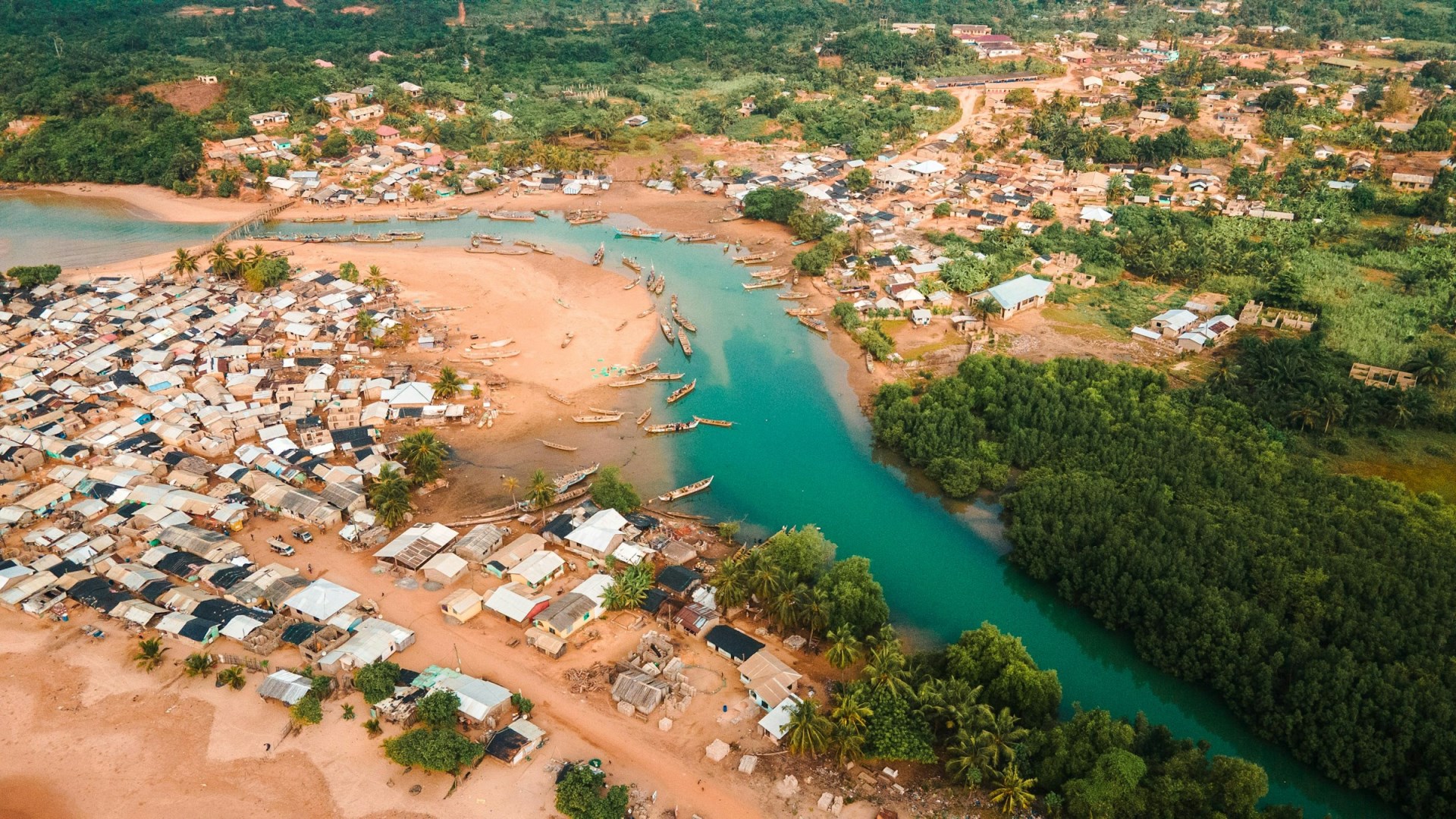
Akwidaa
Akwidaa is a small coastal settlement in Ghana’s Western Region, located where the Atlantic Ocean meets a landscape of sandy beaches, lagoons, wetlands, and tropical vegetation. The village lies near the mouth of the Tano River and close to Cape Three Points, Ghana’s westernmost coastal area. Its surroundings remain relatively rural, with fishing and small-scale farming forming important parts of local life.
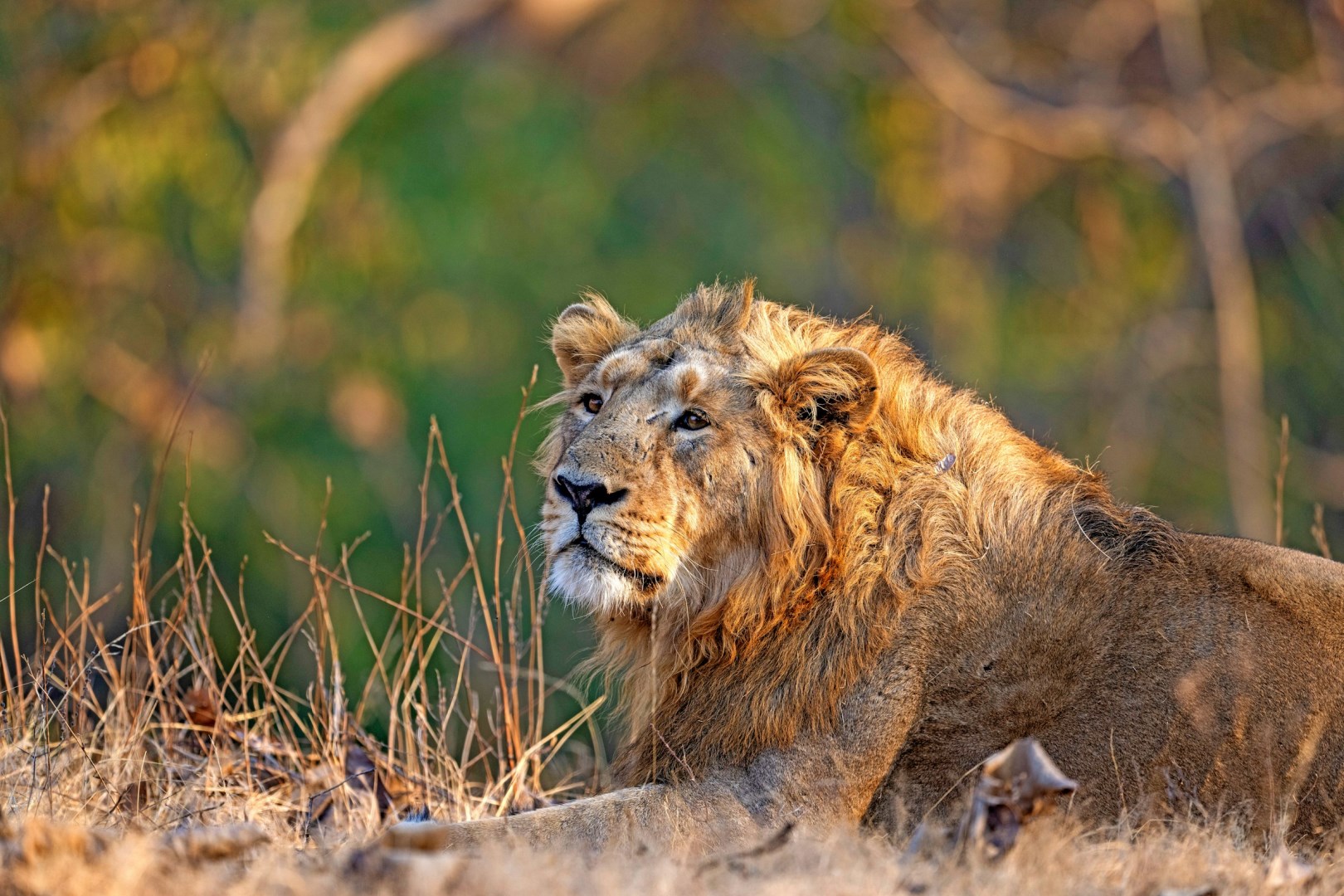
Gir National Park
Gir National Park is a protected forest in Gujarat, western India, and the most important natural habitat of the Asiatic lion. The park forms part of the larger Gir Protected Area, a dry landscape of deciduous woodland, thorn scrub, grasslands, rocky hills, and seasonal streams. The forest is also home to leopards, chital, sambar, nilgai, wild boar, crocodiles, and numerous bird species. Unlike many of India’s major wildlife reserves, Gir is closely surrounded by villages and pastoral communitie
