
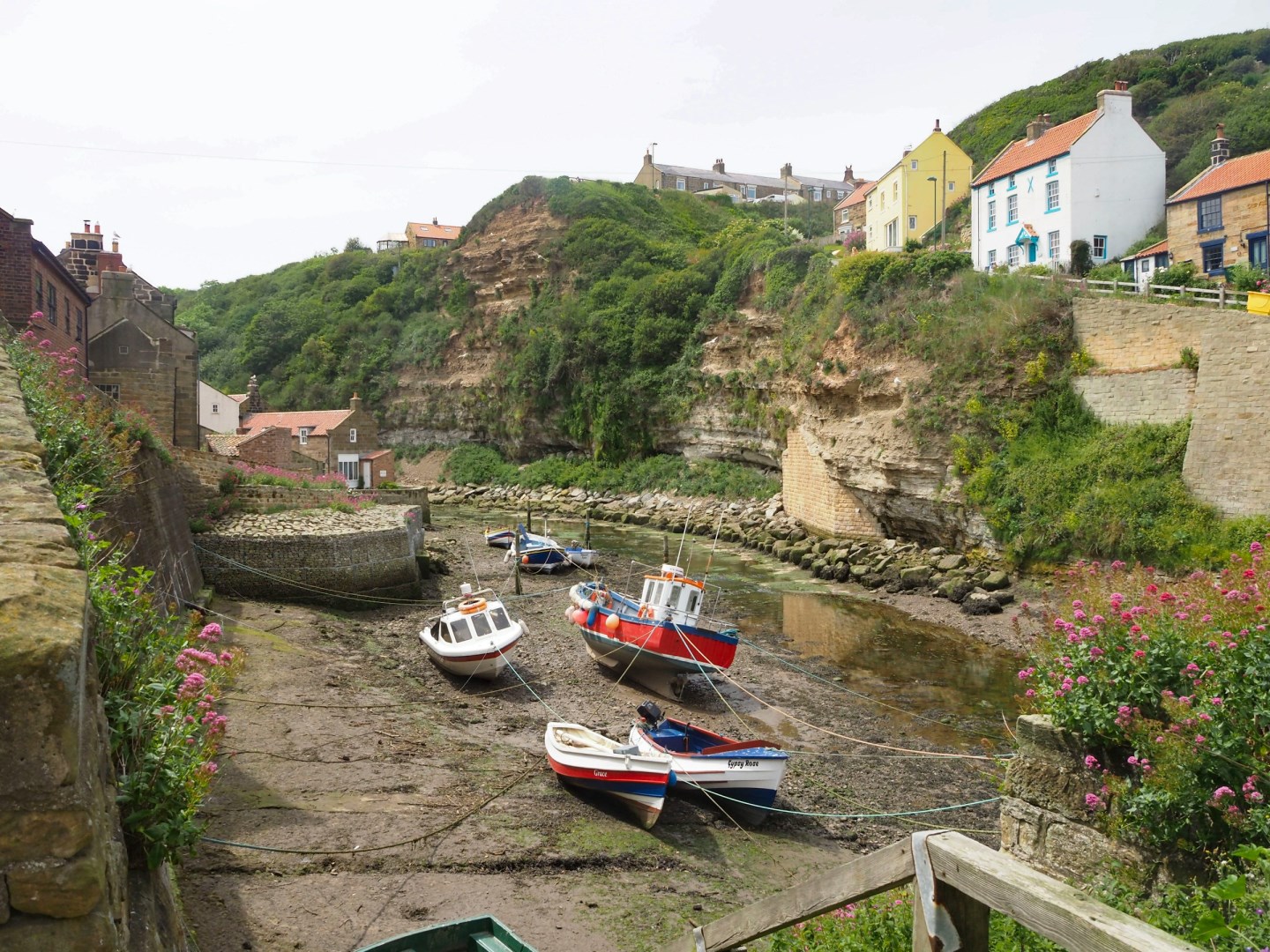
Robin Hood's Bay
Robin Hood's Bay is a small coastal village on the North Yorkshire coast, set within a steep-sided valley that reaches the North Sea. Its tightly packed stone cottages, narrow lanes, and winding passages descend toward a rocky shore, giving the village a distinctive layout shaped by its position between the cliffs and the sea. Robin Hood's Bay lies within the North York Moors National Park and forms part of the Yorkshire coast, with walking routes connecting it to nearby settlements and beaches.

Hydra
An island of international renown, Hydra is one of the first islands to have been discovered by tourism and, due to the short distance from Athens, has for years hosted a large number of tourists.
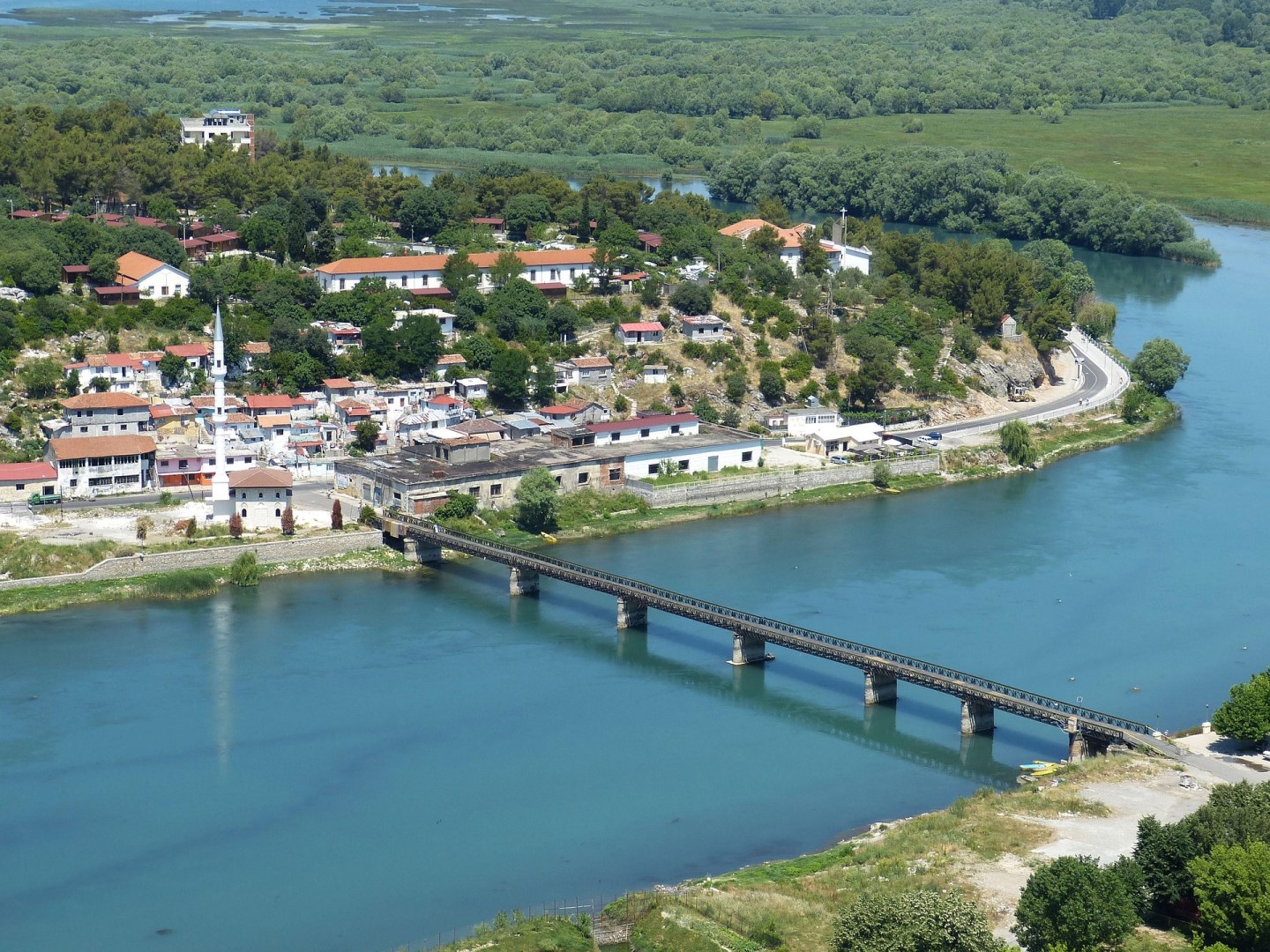
Shkodër
Shkodër is a historic city in northwestern Albania, located near Lake Shkodër and the meeting point of the Buna, Drin, and Kir rivers. Its position between the lake, lowland plains, and the Albanian Alps gives the city a varied setting and makes it an important gateway to northern Albania. Shkodër is known for its bicycle culture, pedestrian streets, historic neighborhoods, and strong artistic traditions.
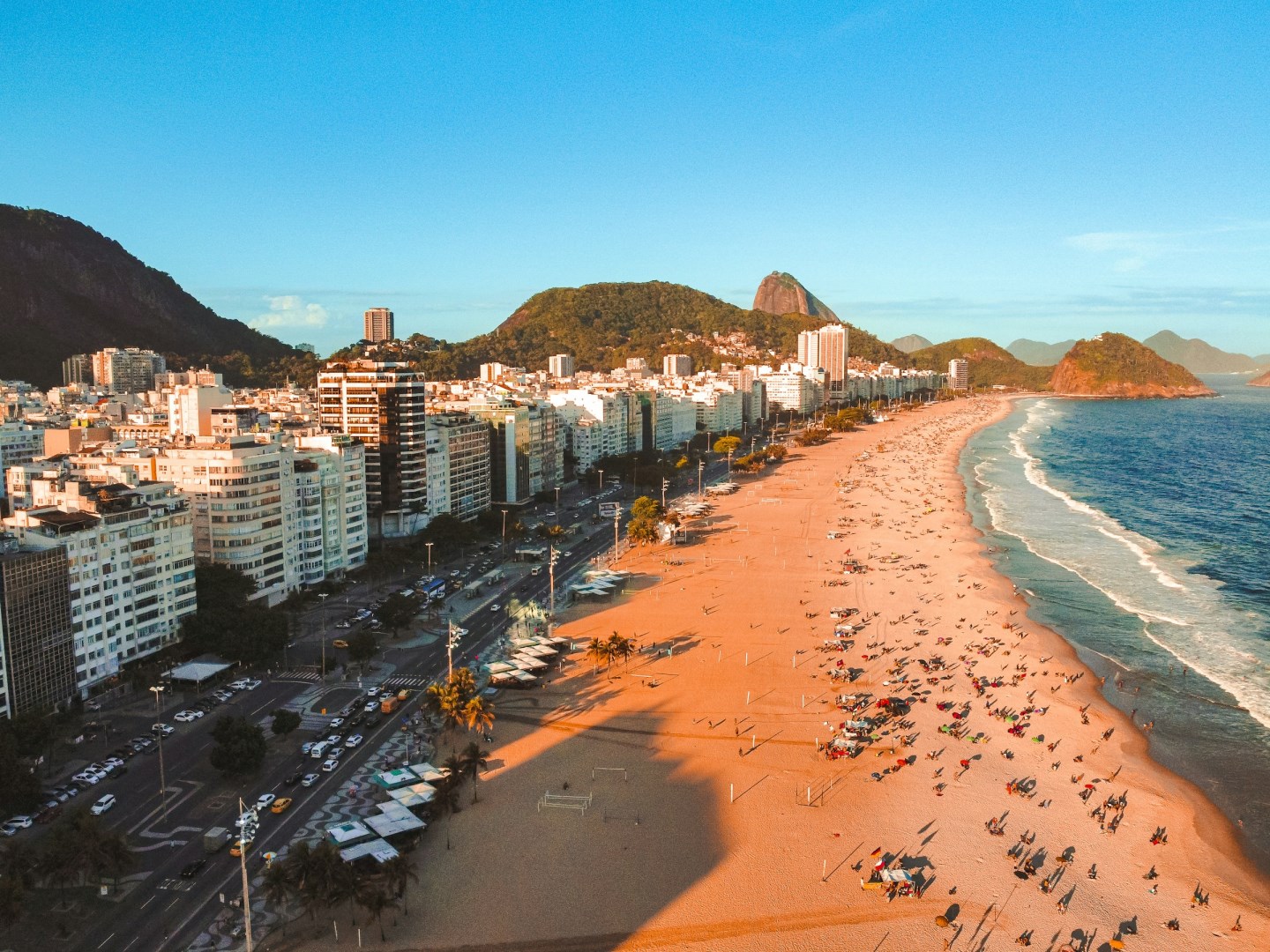
Copacabana Beach
The splendid beach location of the Copacababa allows you to absorb the warmth of Acapulco's sunshine in a relaxing, low key atmosphere.

Edmonton
Edmonton, the capital of Alberta, is a city shaped by the meeting of prairie landscapes and the powerful North Saskatchewan River. With deep Indigenous roots and a history tied to fur trading posts, it has grown into a cultural and political hub of Western Canada.
