

Galle
Galle, a coastal city in southern Sri Lanka, is a place where history and the sea are inseparably linked. Once a vital port on the spice trade routes, Galle reached its peak under Dutch colonial rule in the 17th century, when the massive Galle Fort was built.
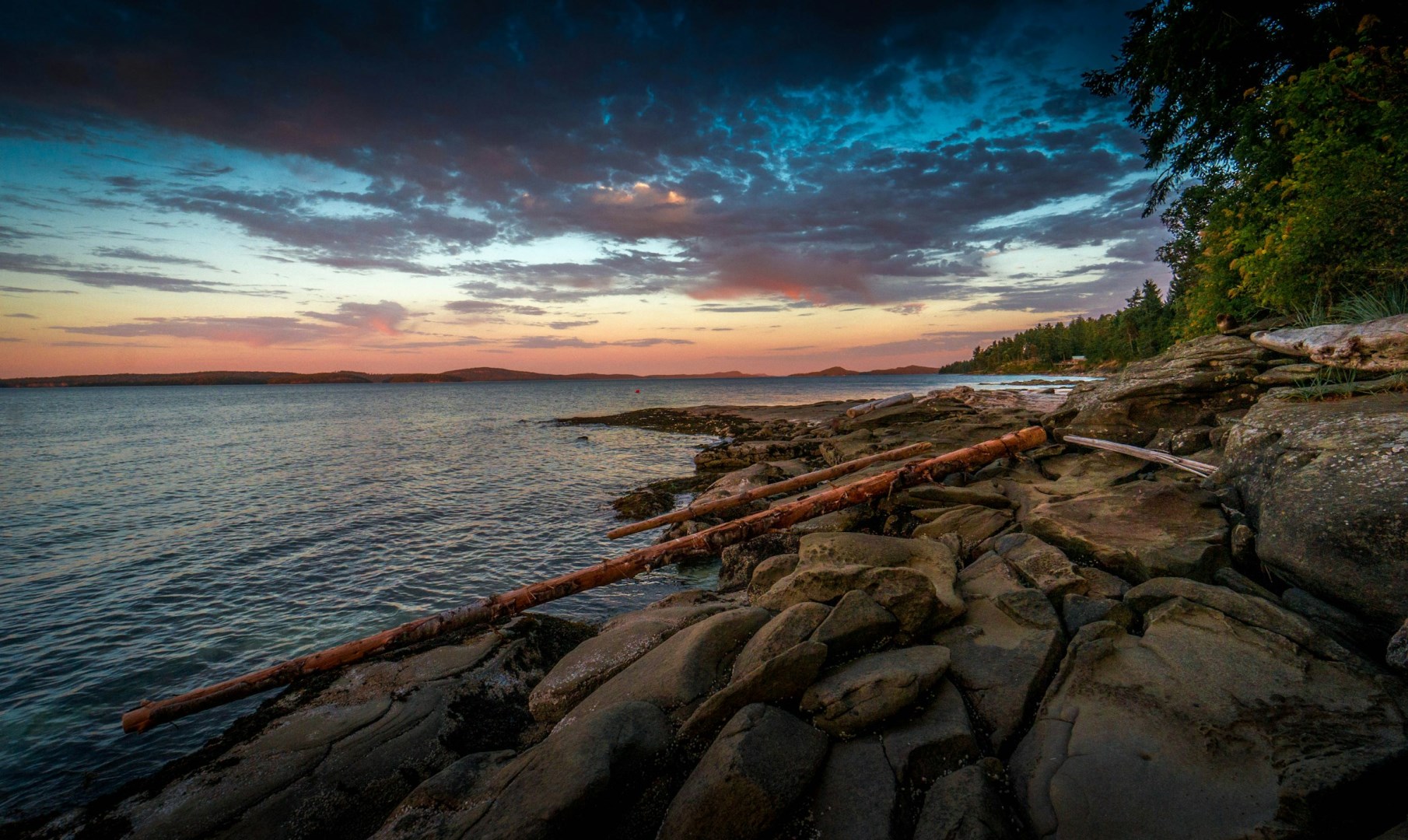
Nanaimo
Town on East side of Vancouver Island, British Columbia, Canada. Excellent shopping for native and maritime items with direct ferry access to Vancouver.

Caribbean Sea
The Caribbean Sea, a gem nestled between the Caribbean islands and the coastlines of Central and South America, offers a breathtaking escape into a world of azure waters and tropical allure. Encompassing over 2.5 million square kilometers, this sea is renowned for its crystal-clear waters, vibrant coral reefs, and idyllic islands.
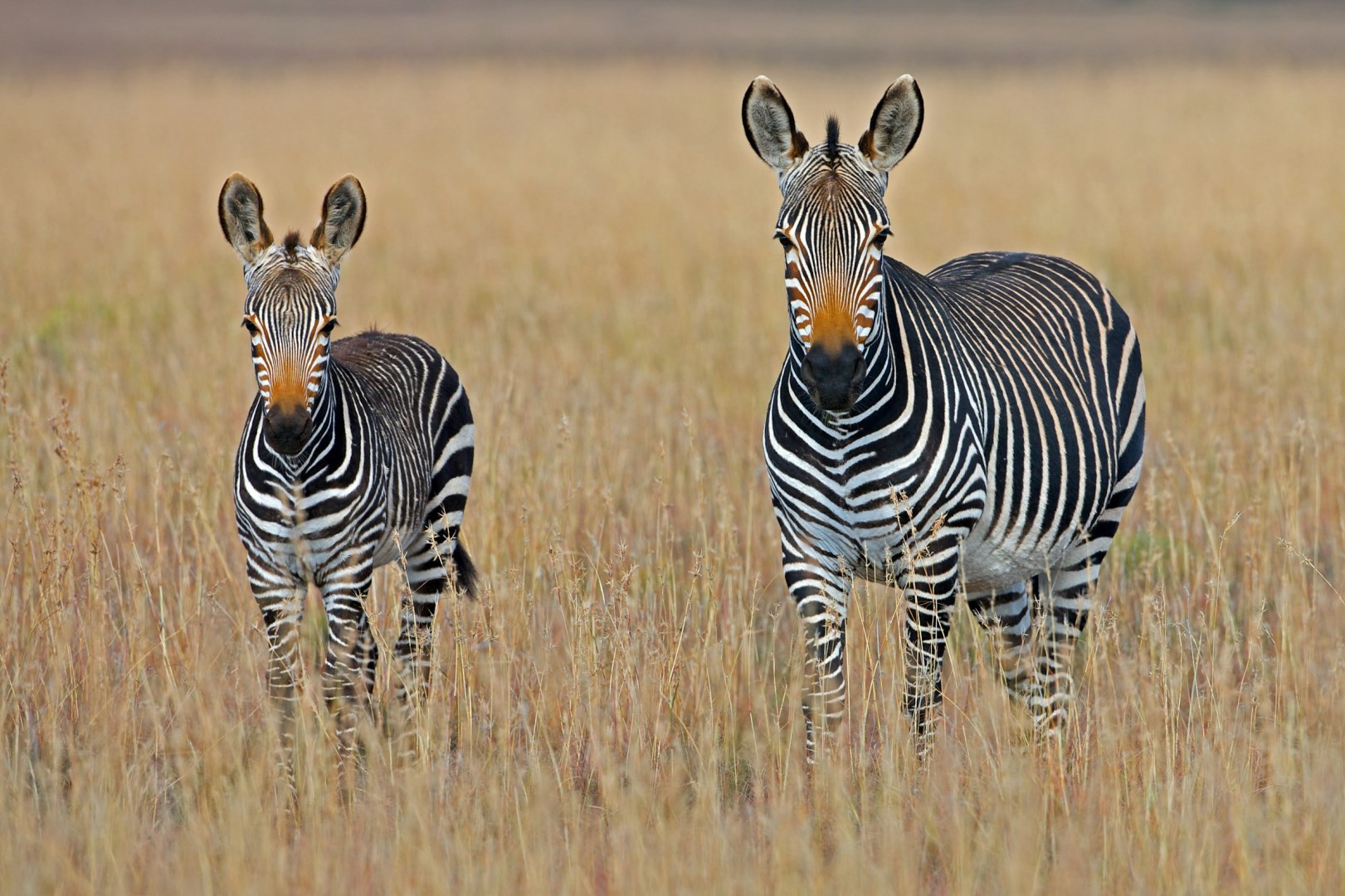
Mountain Zebra National Park
Mountain Zebra National Park lies in the Eastern Cape near Cradock, protecting a rugged section of the Great Karoo. The park’s landscape includes open grassland, rocky mountains, valleys, and dry plateaus, with vegetation adapted to the region’s semi-arid conditions. It was established to protect the Cape mountain zebra, a species that was once severely reduced in number.

Micronesia
Micronesia, officially the Federated States of Micronesia (FSM), is made up of more than 600 islands scattered across the western Pacific Ocean. Each of its four states (Yap, Chuuk, Pohnpei, and Kosrae) offers travelers something distinctly different. Ancient stone ruins, sapphire lagoons, volcanic peaks, and remote island communities all tell a story of resilience, connection, and seafaring heritage.
