
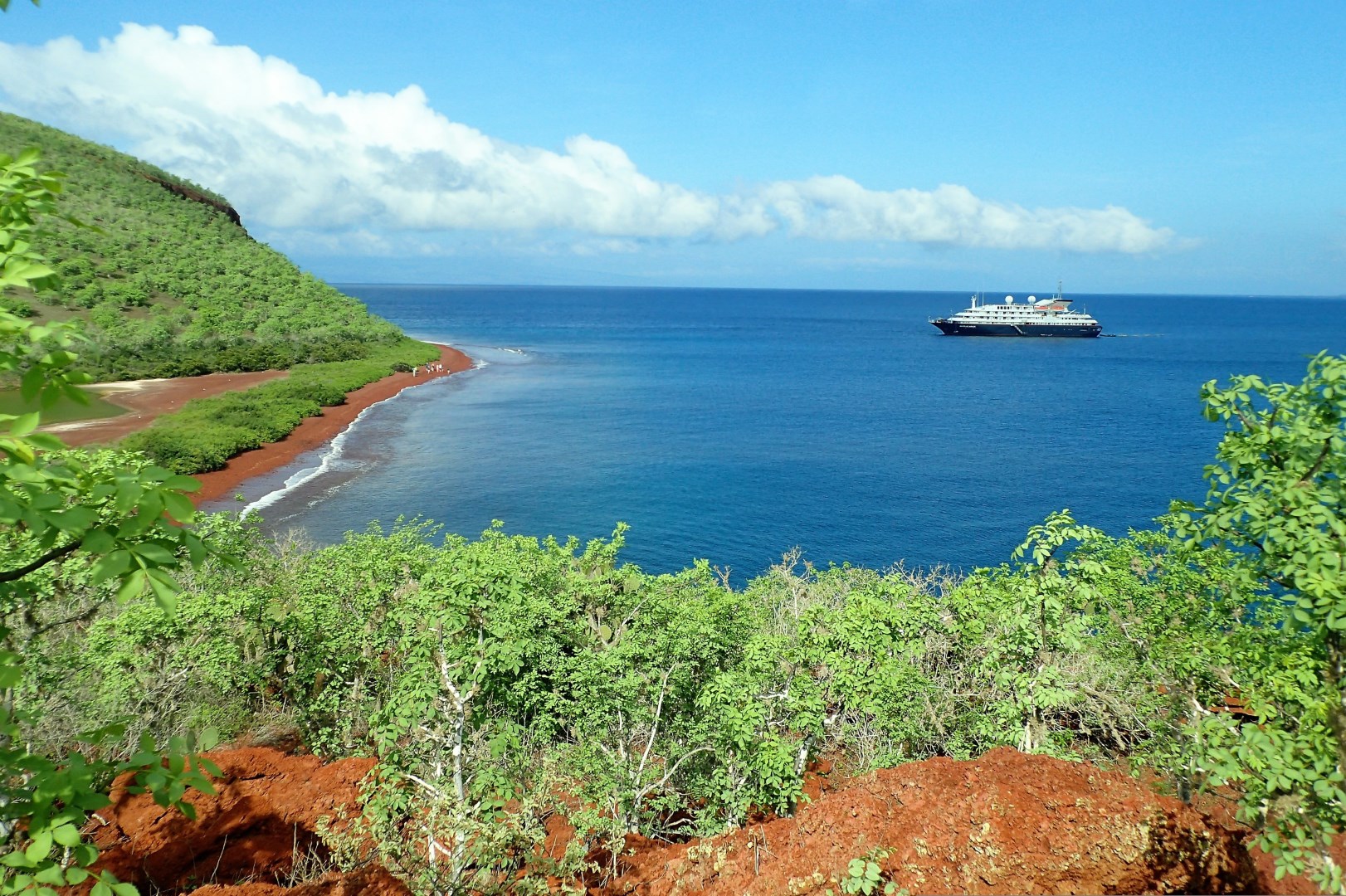
Santiago Island
Set in the heart of the Galápagos archipelago, Santiago Island offers a raw and untamed landscape shaped by volcanic forces. Unlike more developed islands in the region, Santiago remains largely uninhabited, giving visitors a rare look at ecosystems that have evolved with minimal human presence. Its coastline shifts from black lava fields to soft sandy beaches, while inland trails reveal hardened flows and scattered vegetation slowly reclaiming the terrain.
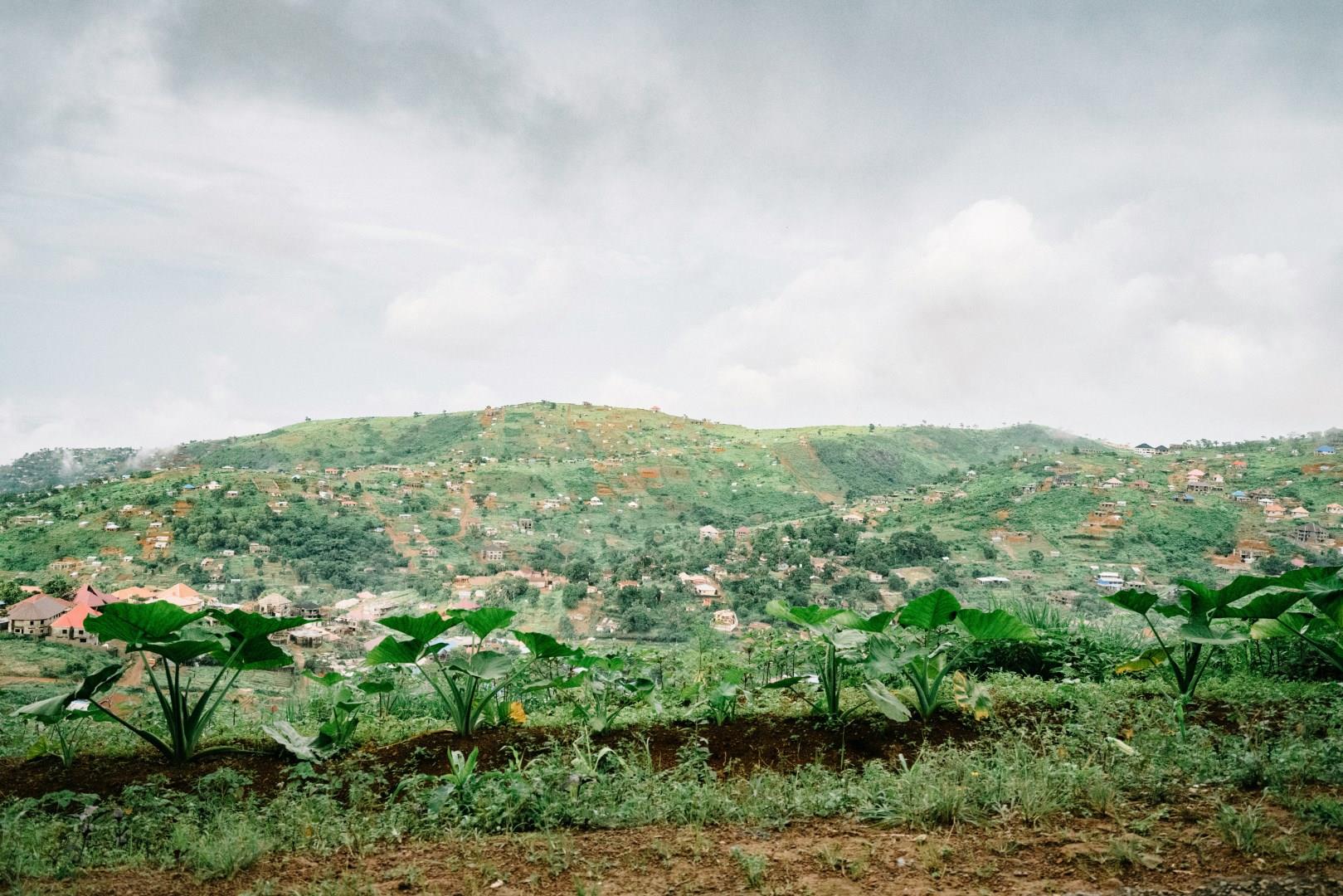
Freetown
Freetown, the capital of Sierra Leone, is a city where history and daily life intertwine along the shores of the Atlantic. Founded in 1792 as a settlement for freed slaves from Britain and the Americas, it remains a place of cultural depth and resilience.
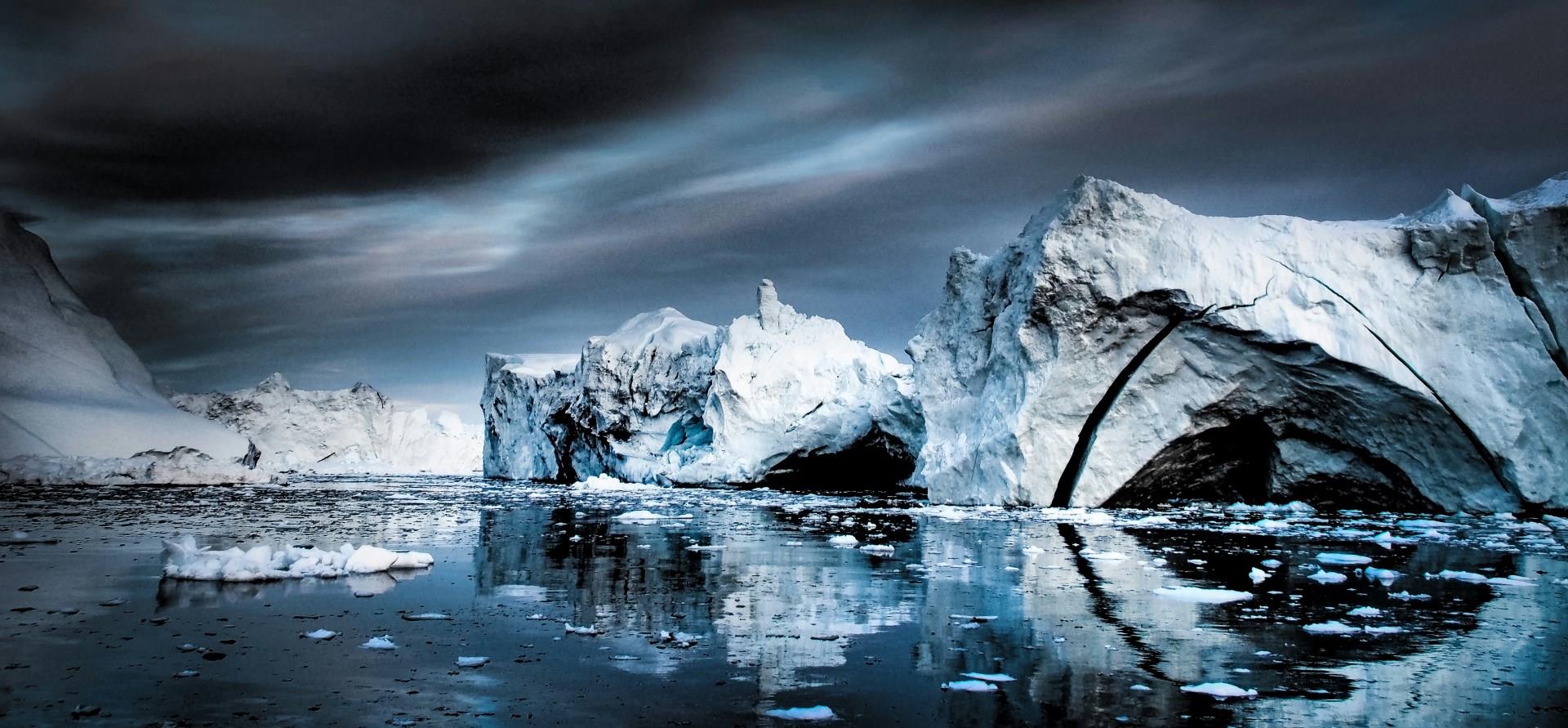
Ilulissat
On Greenland’s west coast, Ilulissat (once known as Jakobshavn) welcomes travelers with astonishing ice scenery and a sense of scale that feels almost otherworldly. The town sits beside Disko Bay, where immense icebergs drift silently past, glowing pink and gold in the Arctic light. The name “Ilulissat” means “icebergs,” and it could not be more fitting. Here, every turn toward the sea offers a fresh view of towering ice forms, each one sculpted by nature into something fleeting and beautiful.
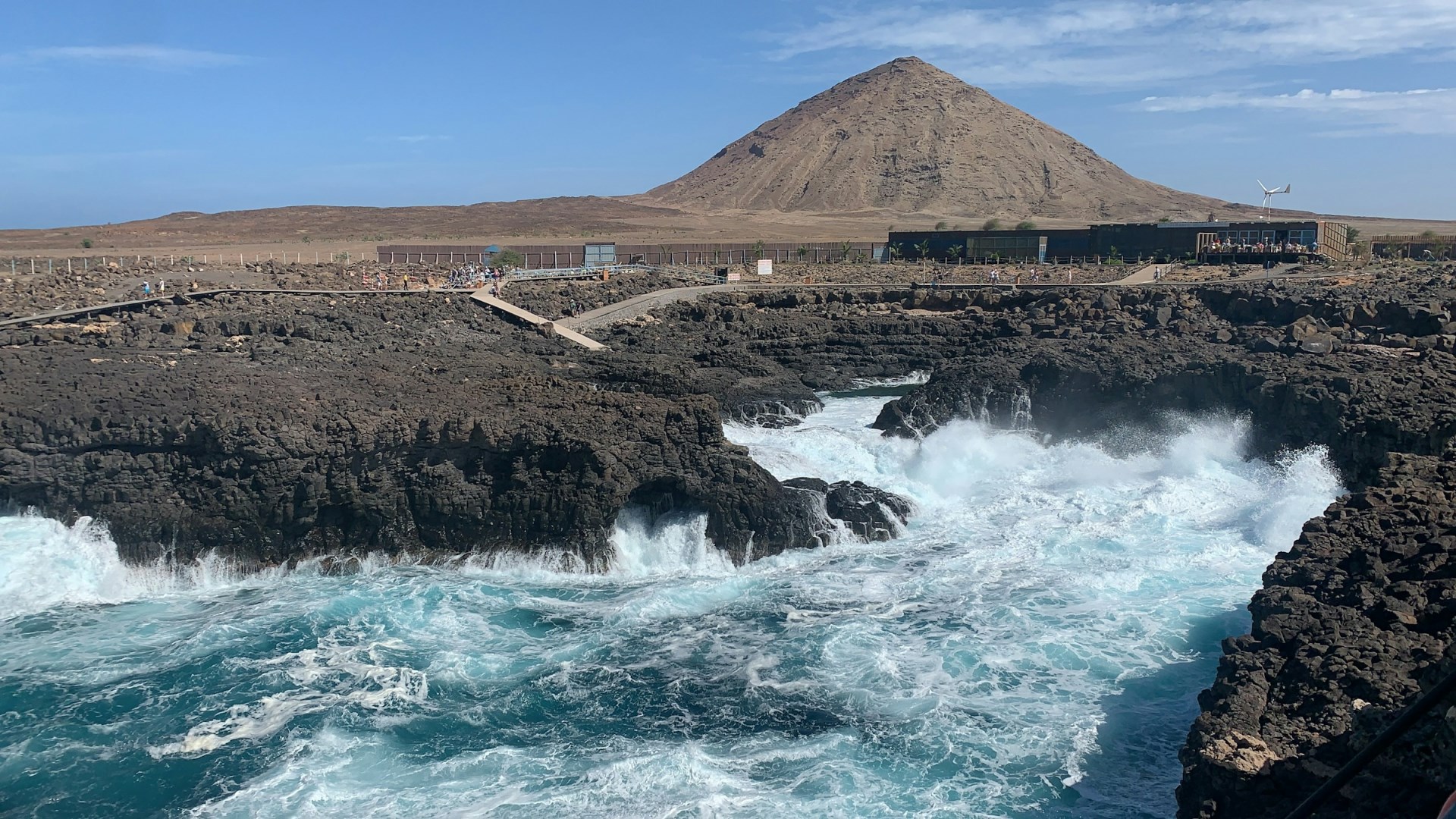
Sal
Sal is a relatively flat, dry island in Cabo Verde, known for its broad beaches, volcanic landscapes, and strong connection with the sea. Its main urban centers are Espargos, the island’s administrative capital, and Santa Maria, a coastal town that developed around fishing and salt production and is now the island’s principal tourism center.
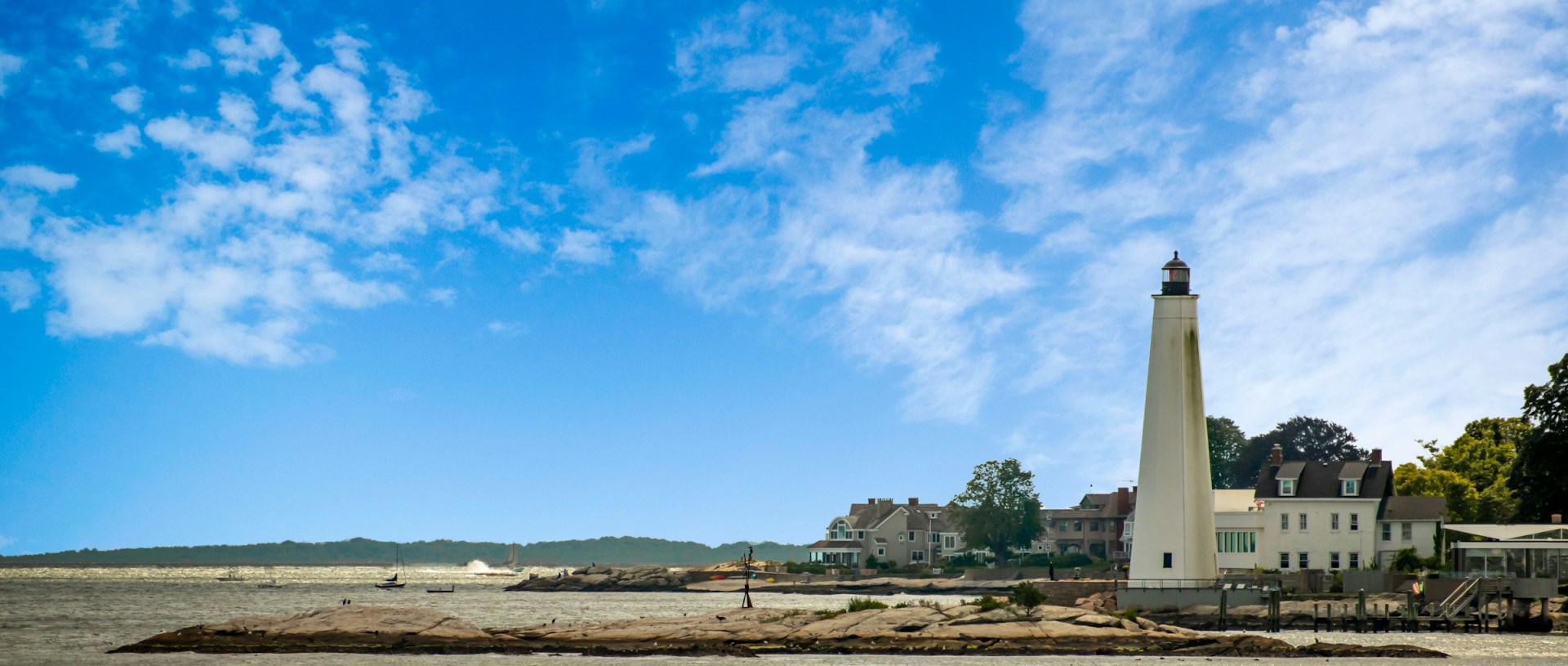
New London
New London, city, New London County, southeastern Connecticut, on the Thames River near its mouth on Long Island Sound; incorporated as a city 1784.
