
Ciudad Guayana
As you cruise along the Orinoco, South America's second-longest river, you will pass an imposing 17th-century fort. Just up the river is Ciudad Guayana, your gateway to Angel Falls. The falls, discovered 60 years ago by American bush pilot Jimmy Angel, are the hightest in the world. More than a half-mile hight and 15 times taller than Niagara Falls, they are undoubtedly one of the world's most breathtaking natural wonders.

Rhode Island
Rhode Island may be the smallest state in the U.S., but it offers an outsized variety of experiences, from colonial history to coastline escapes. Founded in 1636 by Roger Williams as a haven for religious freedom, the state still reflects its independent spirit. In Providence, travelers can visit the John Brown House Museum to explore the city’s role in early American commerce, or walk Benefit Street, lined with preserved 18th- and 19th-century homes.
Lincoln
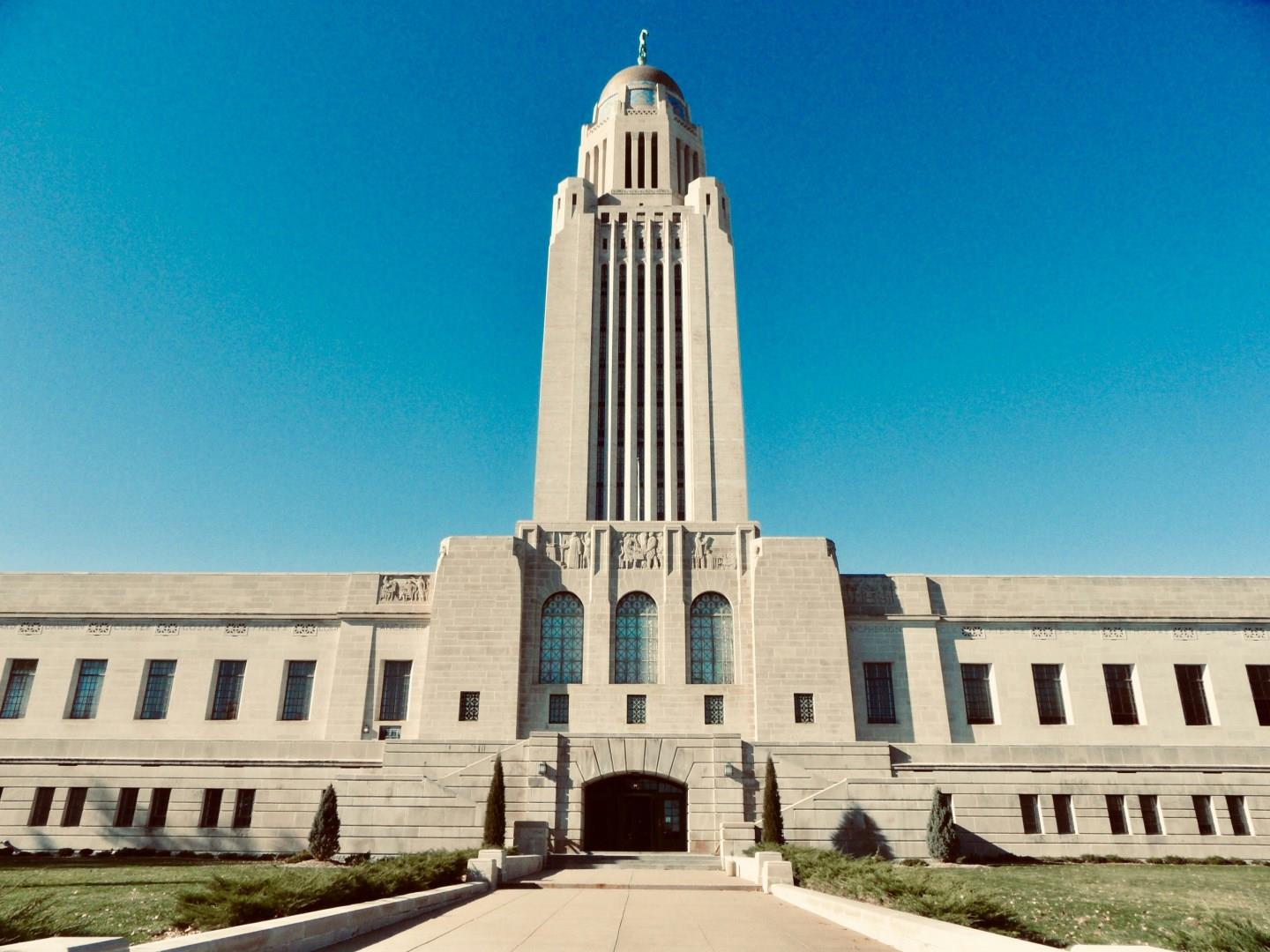
Lincoln, Nebraska, blends college-town spirit with prairie roots, offering a travel experience that’s both laid-back and surprising. As the state capital, Lincoln is home to the stunning Nebraska State Capitol building, an architectural landmark with a 400-foot tower topped by a bronze sower casting seeds over the land. Visitors can tour the building and ride to the 14th floor observation deck for sweeping views of the city and surrounding plains.

Honningsvag
Honningsvag is a town on the north coast of Norway and the gateway to Nordkapp, or North Cape, which marks the northernmost point in Europe. This remote Norwegian destination is a popular stop for cruises to Northern Europe and the Arctic.
Puebla
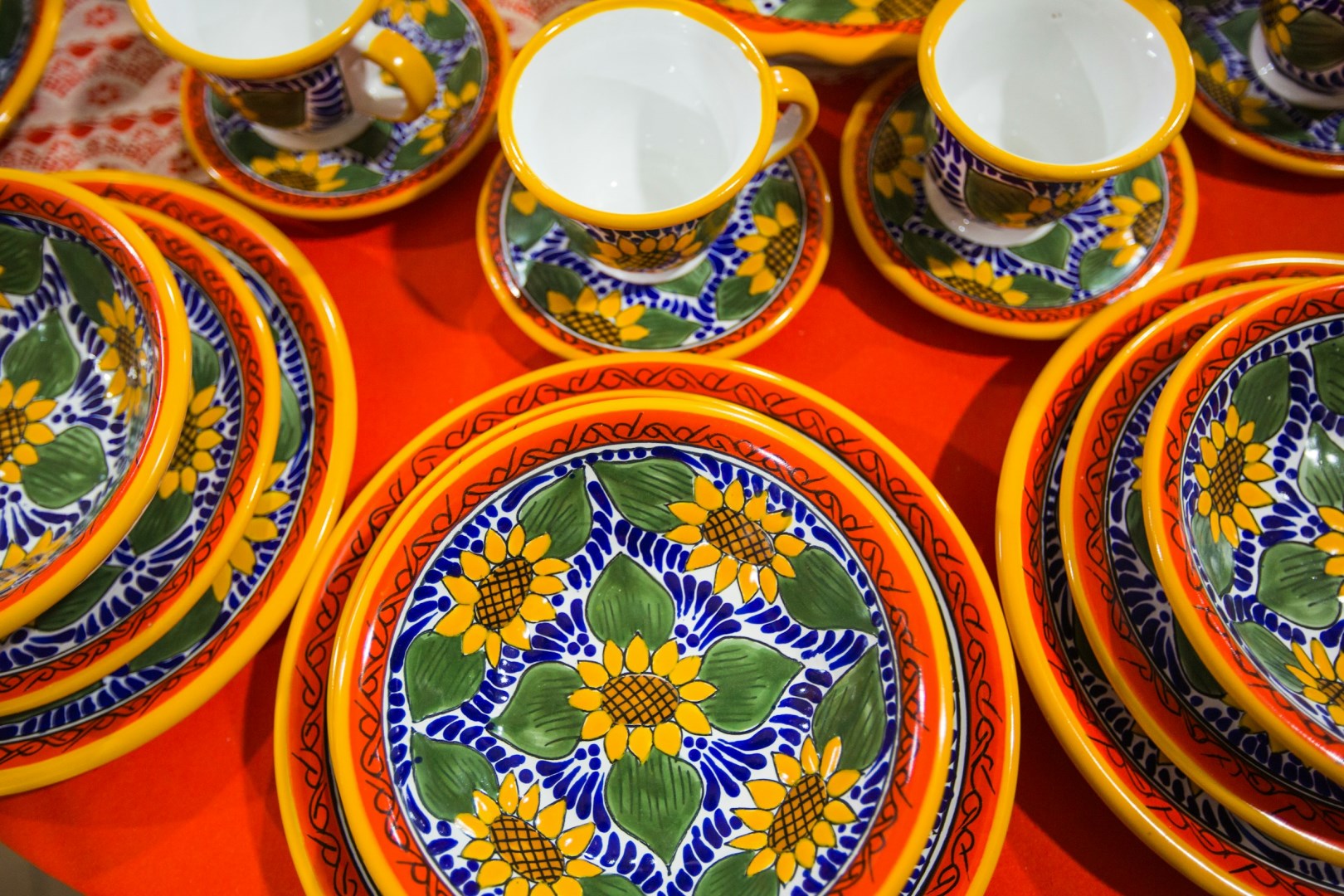
Puebla is a state in east-central Mexico, stretching from the high volcanic plateau near Mexico City into the mountains and warmer valleys toward Veracruz and Oaxaca.
