
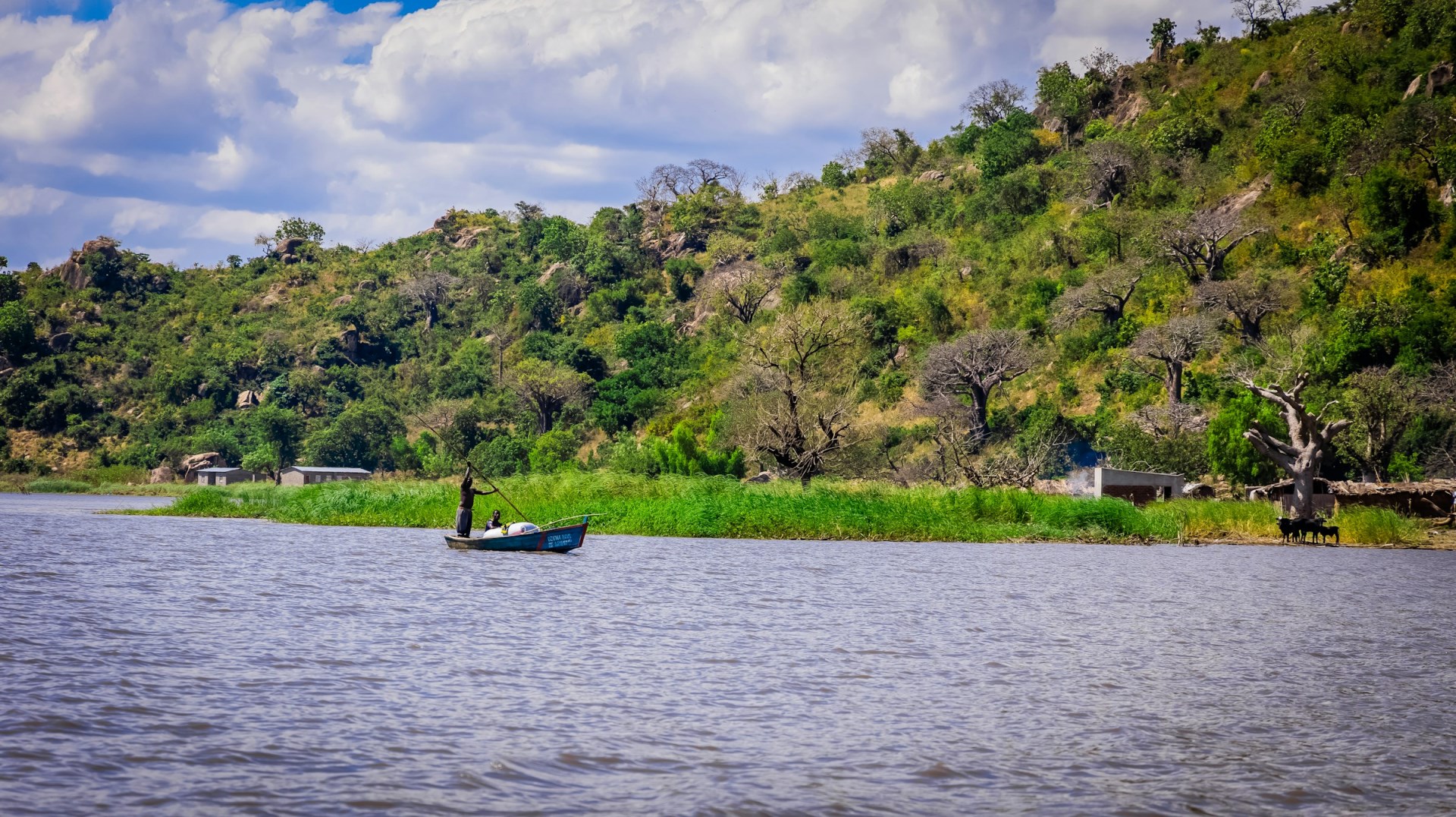
Njalo Island
Njalo Island is a small inhabited island in Lake Chilwa, in southern Malawi’s Phalombe District. Situated in the lake’s open waters, it is part of a wetland landscape shaped by changing water levels, shallow channels, marshes, and seasonal fishing activity. The island is home to a close-knit community whose daily life is closely connected to the lake. Fishing provides an important source of food and income, while boats are essential for transport between the island and mainland communities.
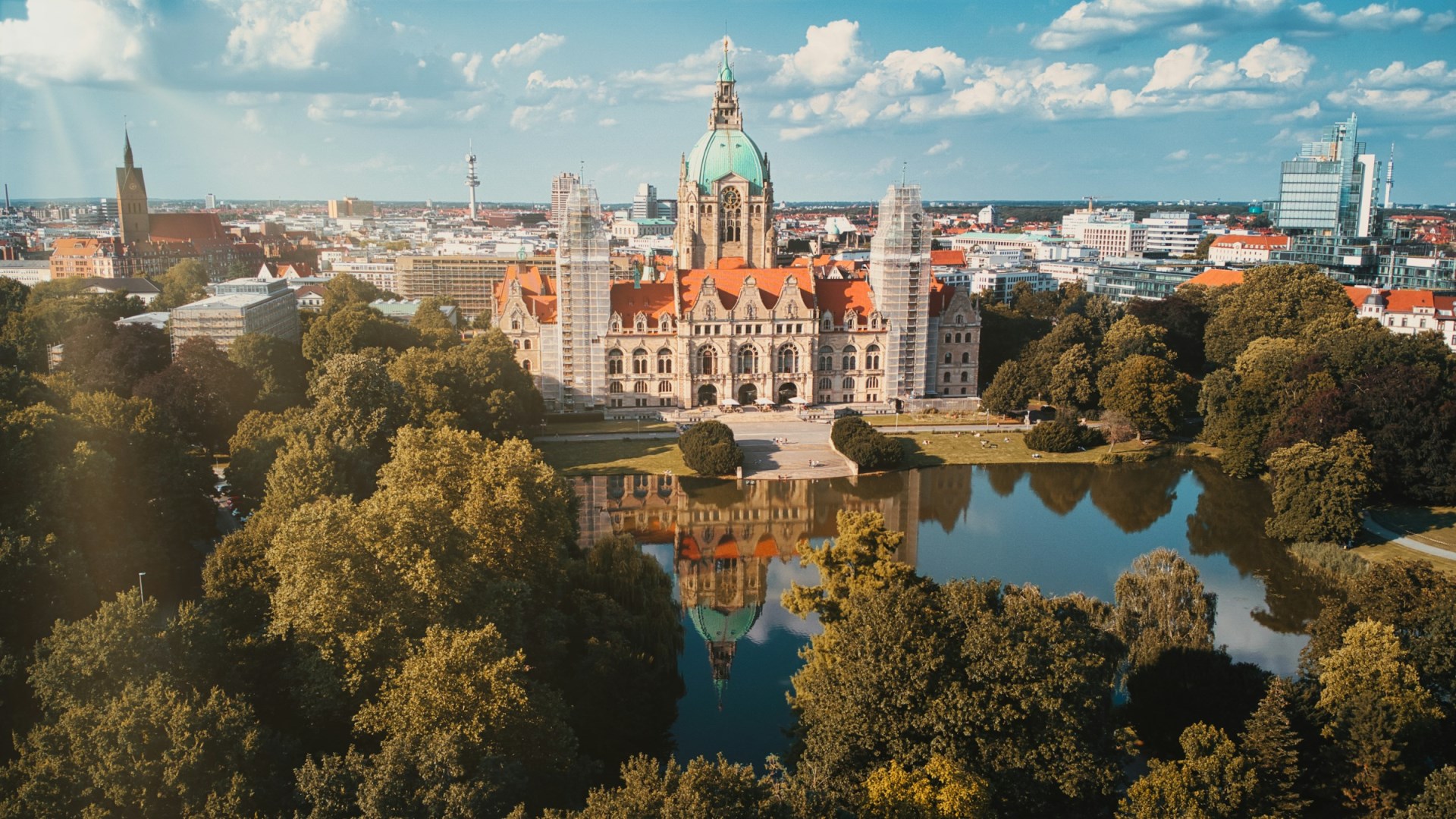
Hannover
Hannover is the capital of Lower Saxony in northern Germany and one of the country’s most important centers for business, education, and trade fairs. Situated along the Leine River, the city combines modern urban development with extensive green spaces, historic landmarks, and cultural institutions.
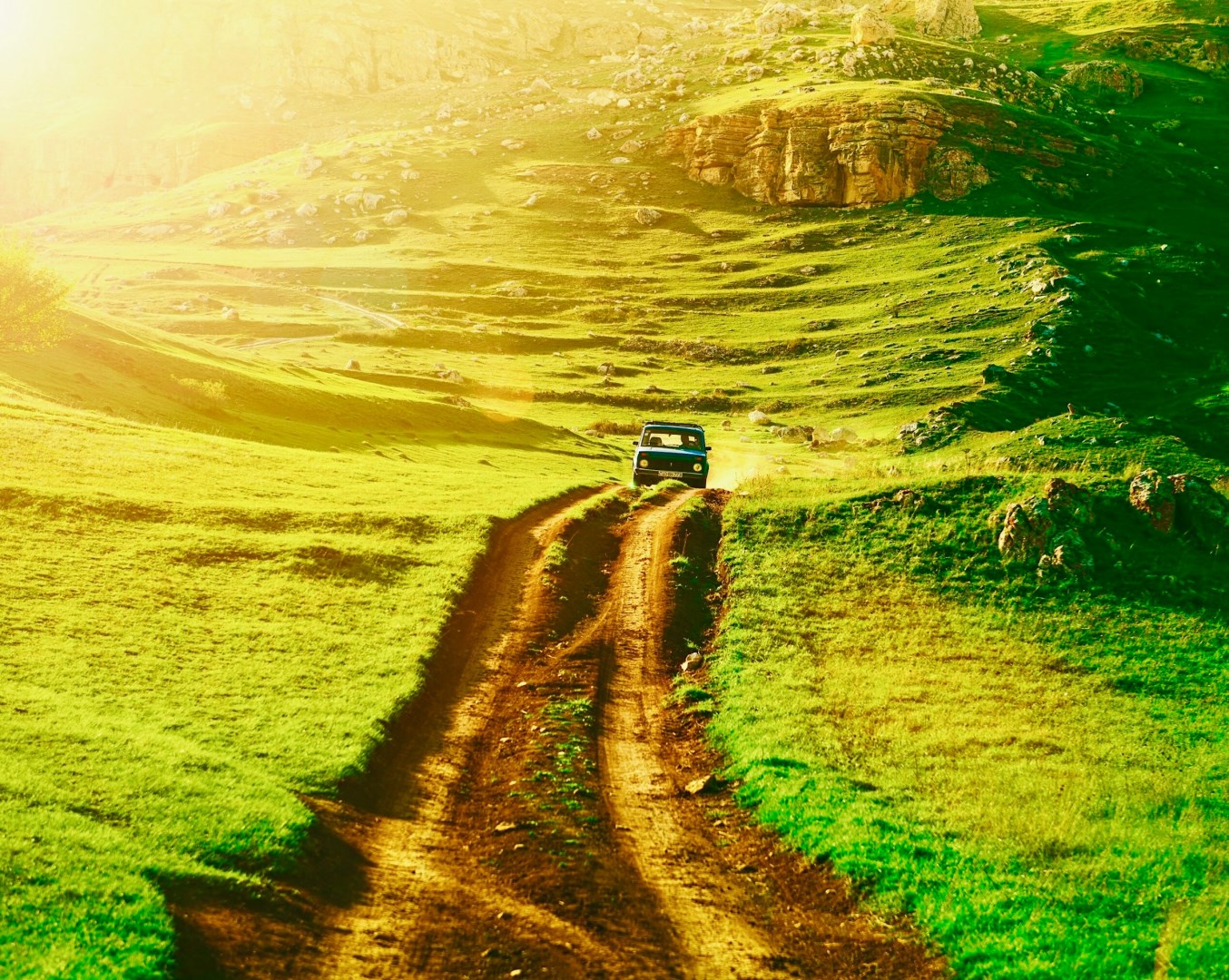
Khinaliq
Khinaliq is a high-mountain village in northern Azerbaijan, situated in the Greater Caucasus Mountains at an elevation of more than 2,000 meters. The village is built on steep slopes above the Qudyalchay valley, with tightly packed stone houses rising in terraces along the mountainside. Surrounding peaks, alpine meadows, rocky ridges, and deep valleys create a rugged landscape shaped by the high-altitude environment.
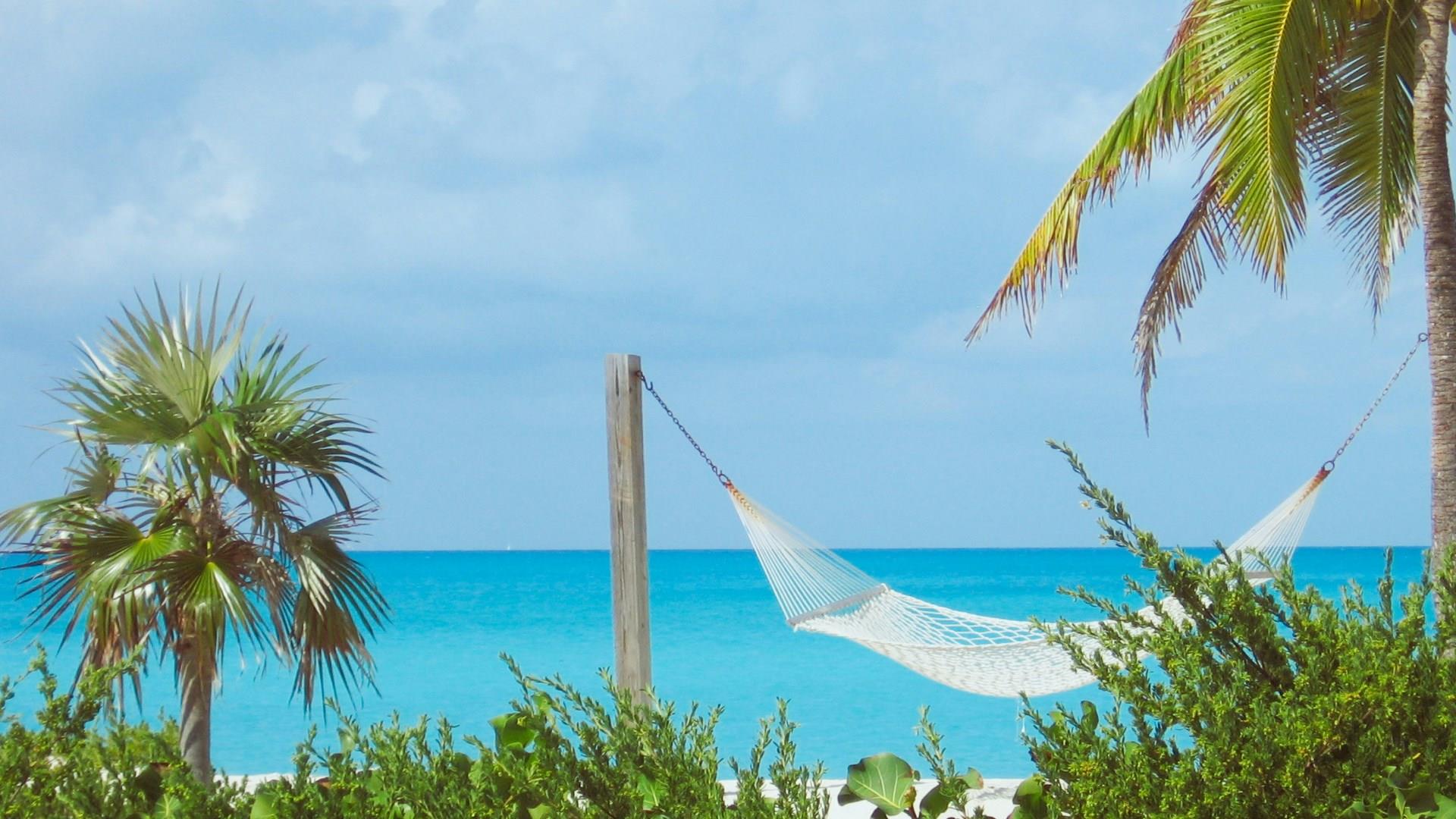
Cat Island
Cat Island, one of the more unspoiled Out Islands of The Bahamas, is a destination that feels worlds away from the busier resort hubs. Stretching about 50 miles long, the island is lined with pink-sand beaches, rolling green hills, and quiet fishing villages where time seems to stand still.

Cuba
Cuba is an island nation where history, culture, and natural beauty intertwine in captivating ways. Known for its Spanish colonial architecture, vibrant music, and revolutionary legacy, the country offers a fascinating window into both the Caribbean and Latin American worlds. Havana, with its colorful facades, classic American cars, and lively plazas, embodies Cuba’s charm and resilience, while towns like Trinidad and Cienfuegos showcase UNESCO-listed heritage and a slower pace of life.
