
Phakding
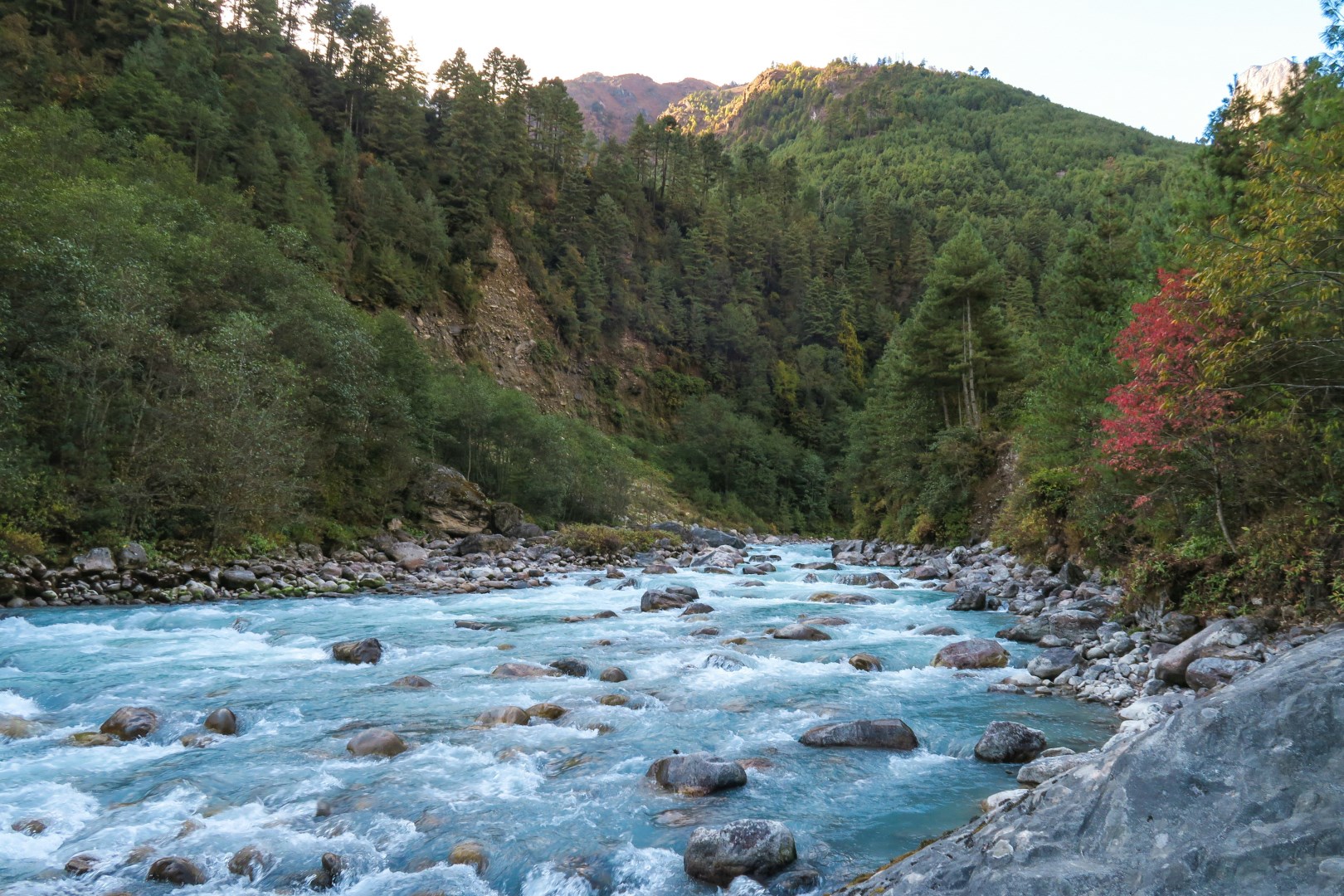
Set along the banks of the Dudh Koshi River, Phakding welcomes travelers at the early stages of the journey toward Mount Everest. Sitting at a lower elevation than many nearby stops, the village is surrounded by green hills, pine forests, and terraced farmland. The steady sound of the river accompanies visitors as they cross suspension bridges and follow winding trails that connect small settlements throughout the valley.
Dover
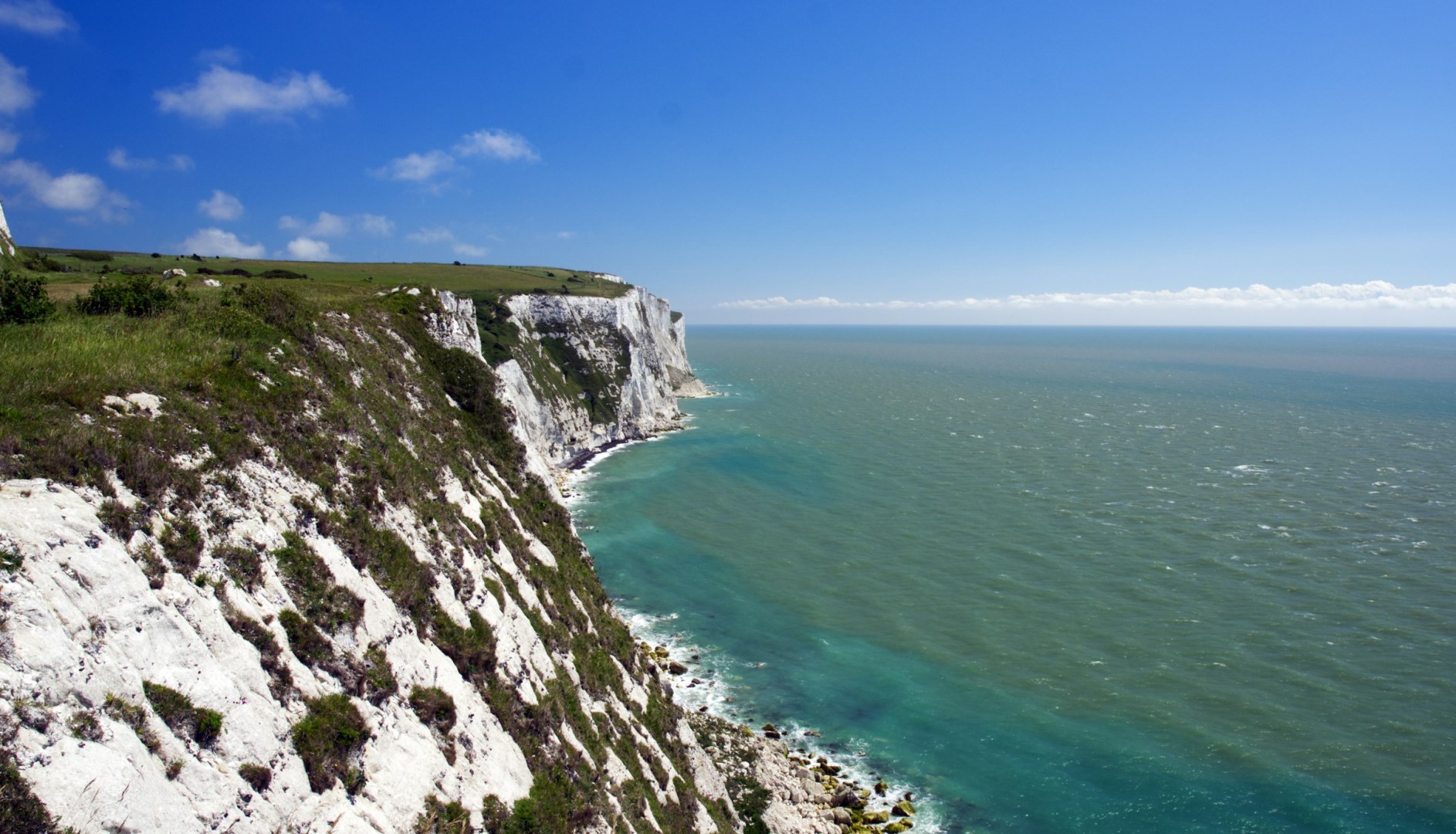
The historic city of Dover, nestled on the southern coast of England, is a captivating destination known for its iconic White Cliffs and strategic maritime heritage. Overlooking the Strait of Dover, these towering chalk cliffs offer breathtaking views across to France and serve as a symbol of Britain's resilience.

Kamloops
Kamloops, located in the interior of British Columbia, sits at the meeting point of the North and South Thompson Rivers. The name comes from the Secwépemc word “Tk’emlúps,” meaning "where the rivers meet," and the area has been a gathering place for Indigenous communities for thousands of years. Today, visitors can explore this rich cultural heritage at the Secwépemc Museum and Heritage Park, where trails lead through archaeological sites and reconstructed pit houses.
Telšiai
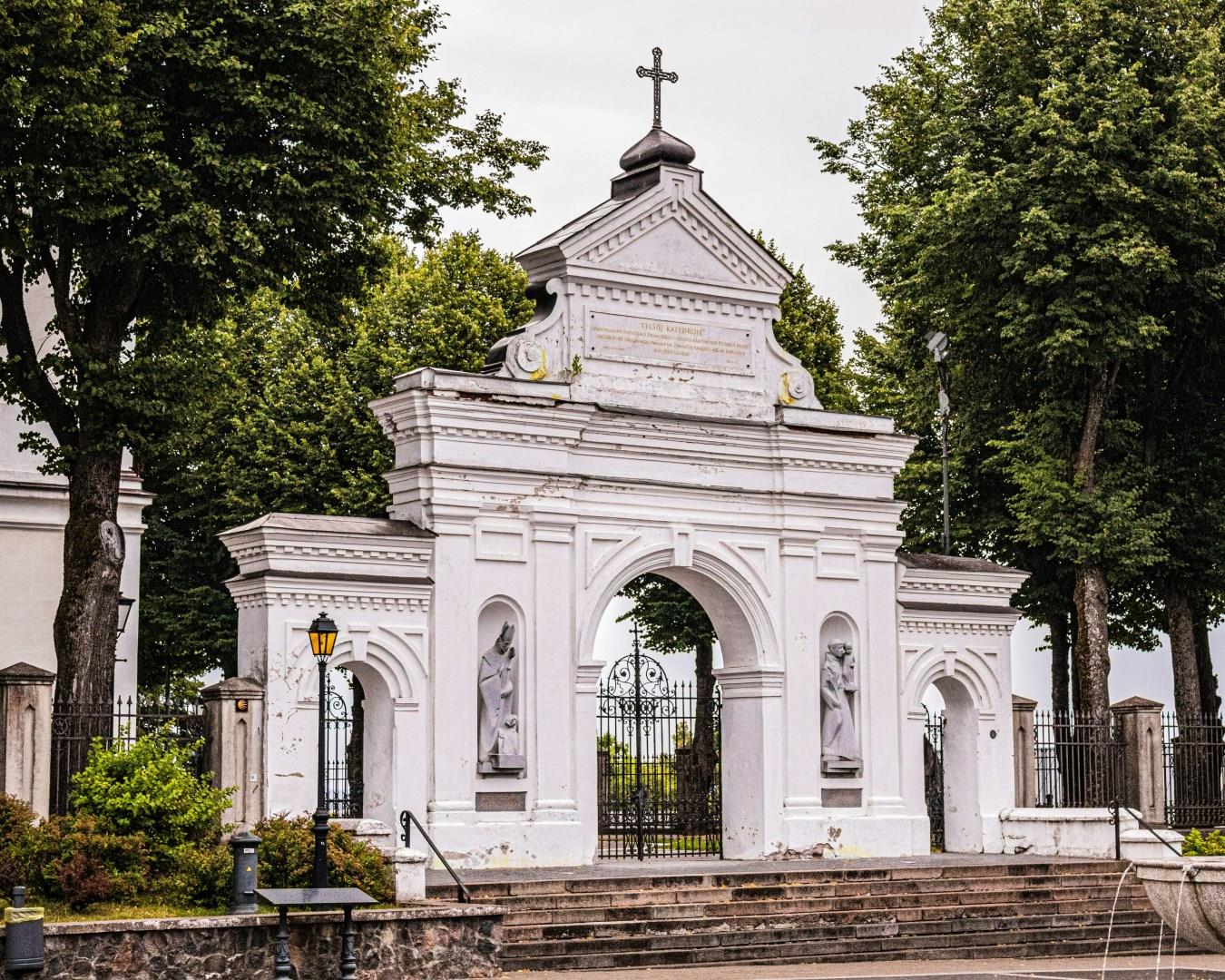
Telšiai, often called the capital of Lithuania’s Samogitia region, offers visitors a deep dive into a unique cultural heritage paired with striking natural settings. The town is set on the shores of Lake Mastis, where the reflections of historic buildings and lush forests create a calm and inviting atmosphere. Telšiai’s old market square bustles with life and is home to some of the town’s most notable landmarks, including the Neo-Gothic St. Anthony of Padua Cathedral.
Bulawayo
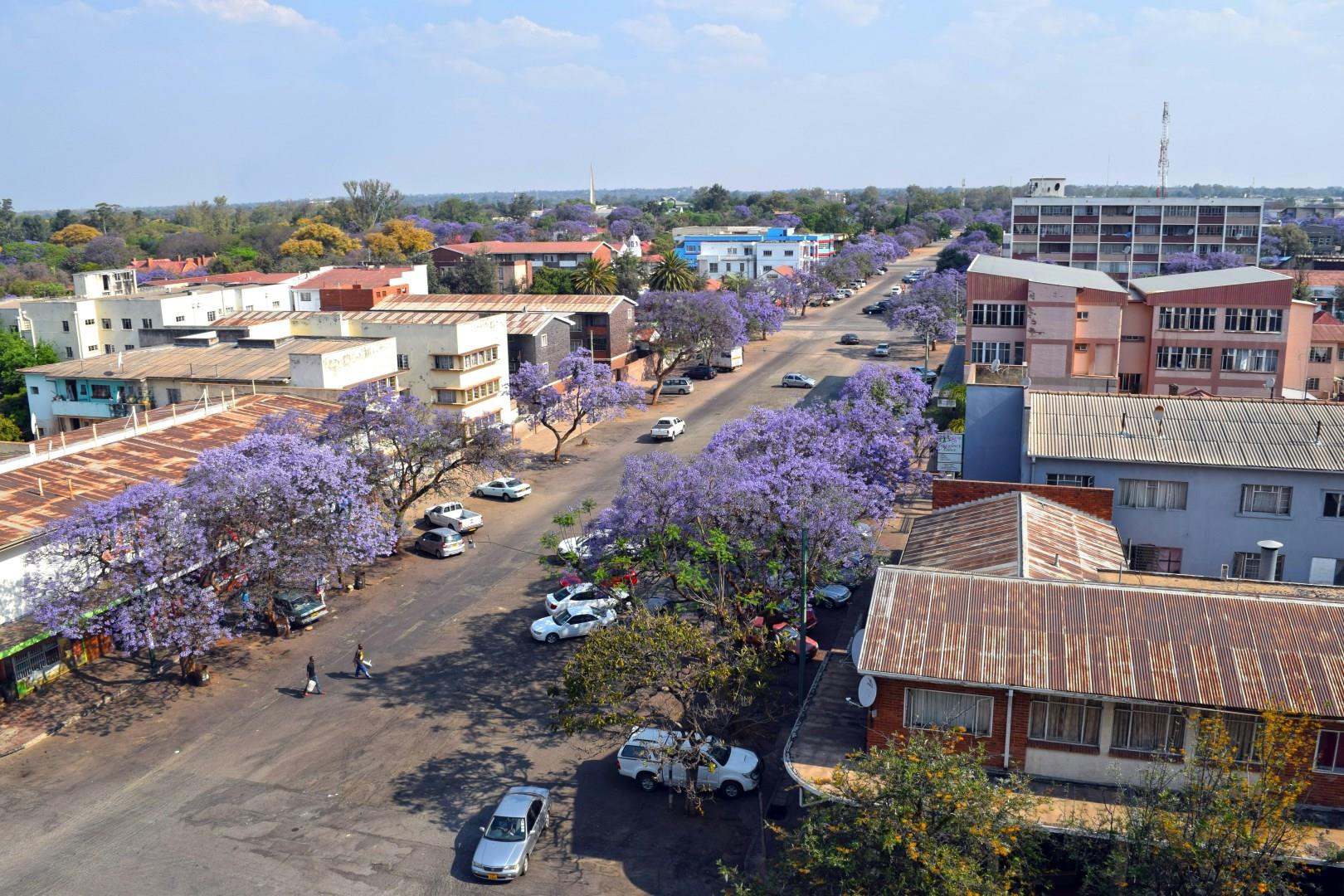
Bulawayo is Zimbabwe’s second-largest city and a place where industrial heritage and deep cultural roots intersect. Founded near the former capital of the Ndebele kingdom, the city carries strong historical significance tied to King Lobengula and the resistance to colonial expansion.
