
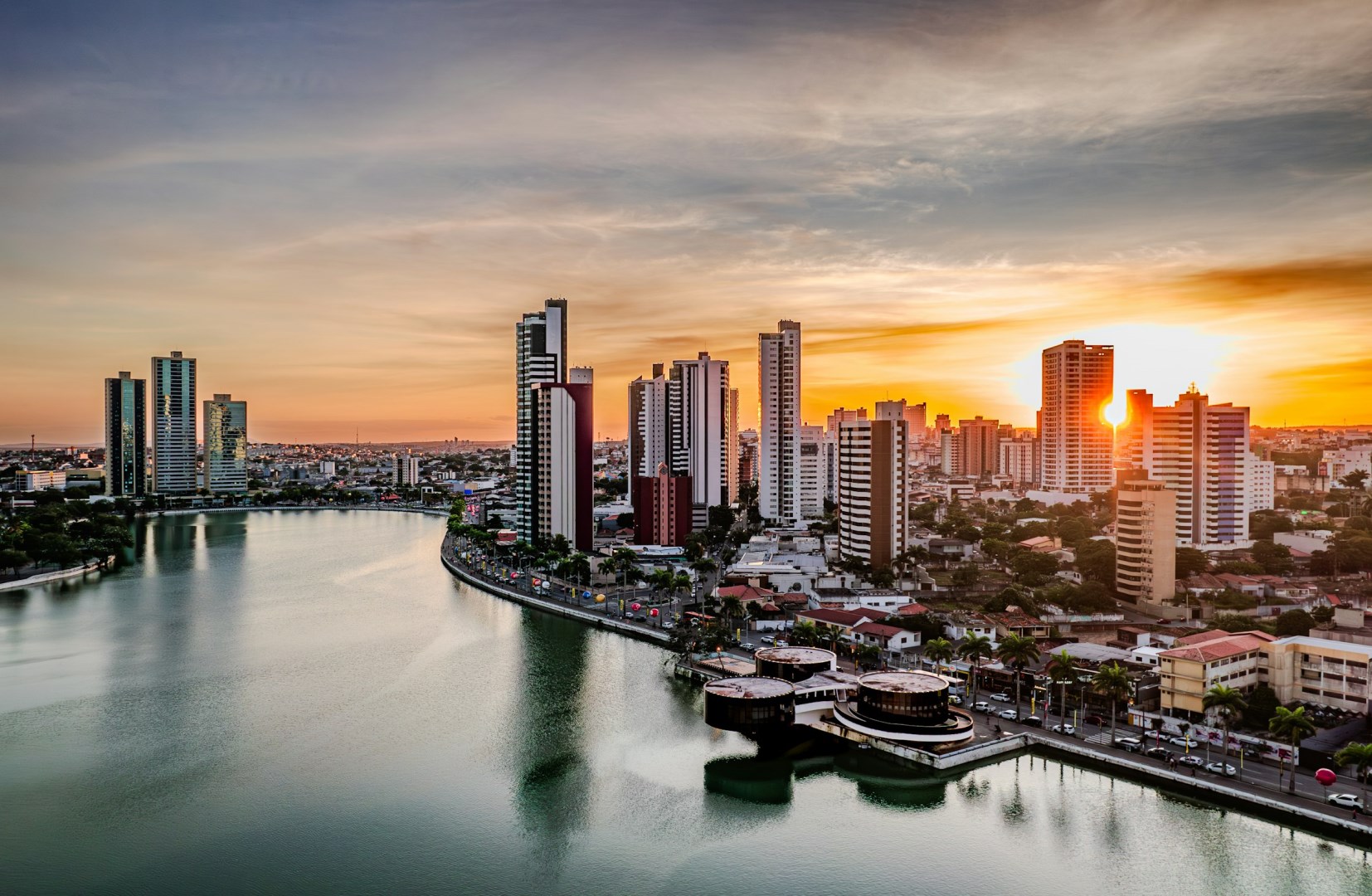
Campo Grande
Campo Grande is the capital of Mato Grosso do Sul in central-western Brazil and an important urban gateway to the southern Pantanal and destinations such as Bonito. The city is often known as Cidade Morena, a reference to the reddish soil found across the region. Its broad avenues, parks, and low-density neighborhoods reflect its location on the edge of the Brazilian interior, where urban life meets ranching country and cerrado landscapes.

Lanzarote
Lanzarote, the northernmost of the Canary Islands, is a striking destination characterized by its volcanic landscapes and unique architectural heritage. Known for its otherworldly scenery, the island boasts a remarkable volcanic terrain shaped by eruptions in the 18th and 19th centuries. The Timanfaya National Park is a highlight, where visitors can witness geothermal demonstrations and explore the dramatic lava fields on a guided tour.
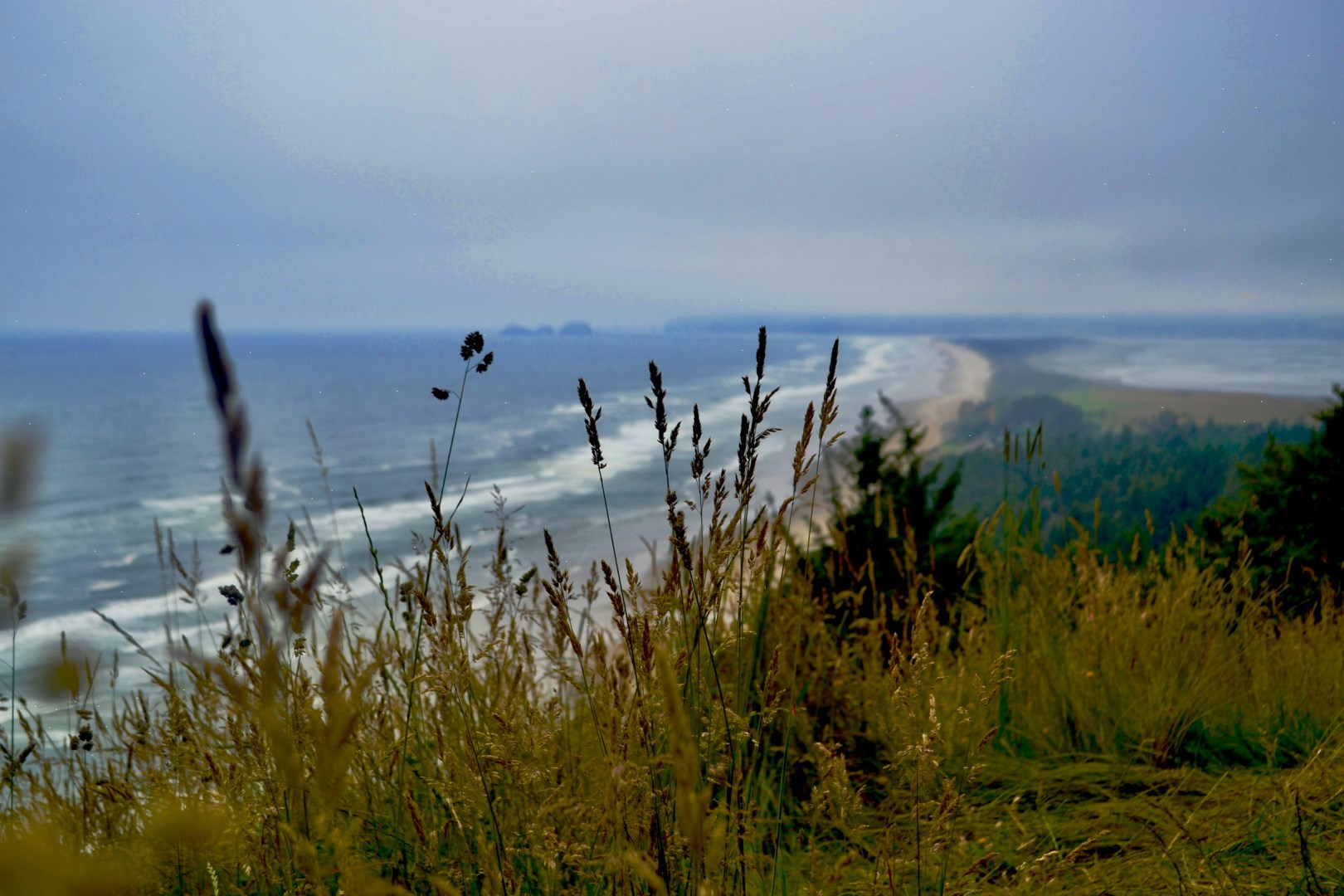
Tillamook
Tillamook is a small city on Oregon’s northern coast, located near the head of Tillamook Bay where several rivers meet the Pacific Ocean. The surrounding landscape includes dairy farmland, forested hills, tidal wetlands, and coastal waterways, giving the community a strong connection to both agriculture and the sea.
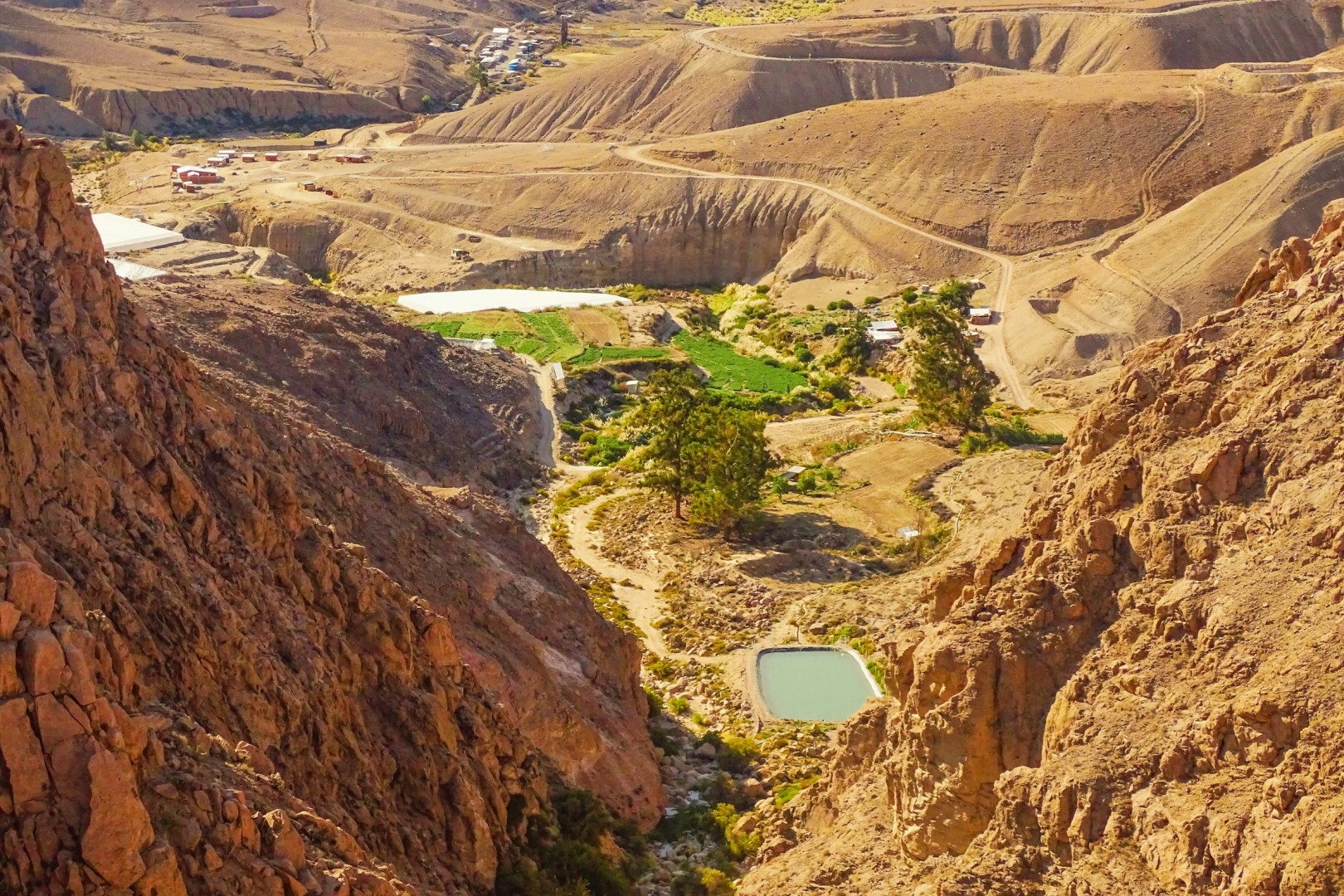
Arica
At Chile's northernmost end, the dizzying railway from high Bolivia comes down to the sea. Arica, the City of Eternal Spring, has a population of 169,000. and is located in the Atacama Desert. See San Marcos Cathedral, designed by Gustave Eiffel, and marvel at Pre-Incan relics in the City Museum. Or leave the city to venutre to the White City of Arequipa, the Incan capital of Cuzco and Machu Picchu and the ancient Inca city in the clouds.

Saint Augustine
Saint Augustine, Florida, is a charming tapestry of history and coastal beauty. As the oldest continuously inhabited European-established settlement in the continental United States, this historic city offers a fascinating glimpse into early American life. Founded by Spanish explorers in 1565, Saint Augustine boasts an array of colonial architecture and historic landmarks.
