

Crotone
Located along the coast of Southern Italy, Crotone emanates a classic Italian lifestyle that appeals to tourists both foreign and domestic.

Atlanta
Atlanta, Georgia, is a city where Southern charm meets modern sophistication, making it a must-visit destination for travelers. Known as the "City in a Forest" due to its lush tree canopy, Atlanta boasts a vibrant blend of history, culture, and innovation. Explore the iconic Martin Luther King Jr. National Historical Park, where you can walk in the footsteps of the Civil Rights leader, visiting his childhood home and the church where he preached.
Orpheus Island
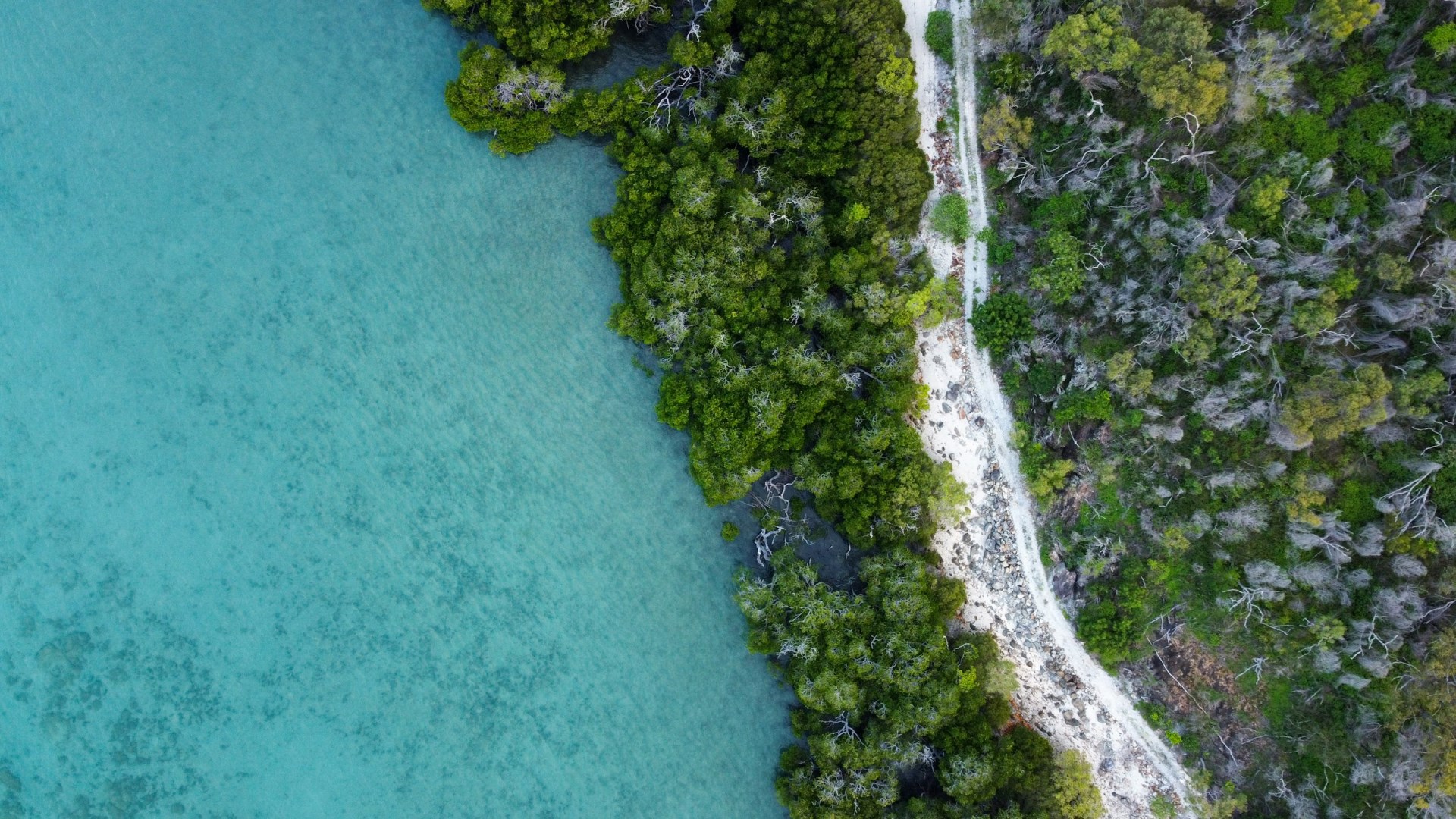
Orpheus Island is totally unspoilt and has its own National Park. Beautiful sunny beaches offer you total seclusion. You can also enjoy sailing, windsurfing, snorkeling and coral viewing. A choice of beach-front bures or studios, along with some of the fines food and wine selections in Australia, make Orpheus a great choice for your island stop over.
Bahia Wulaia
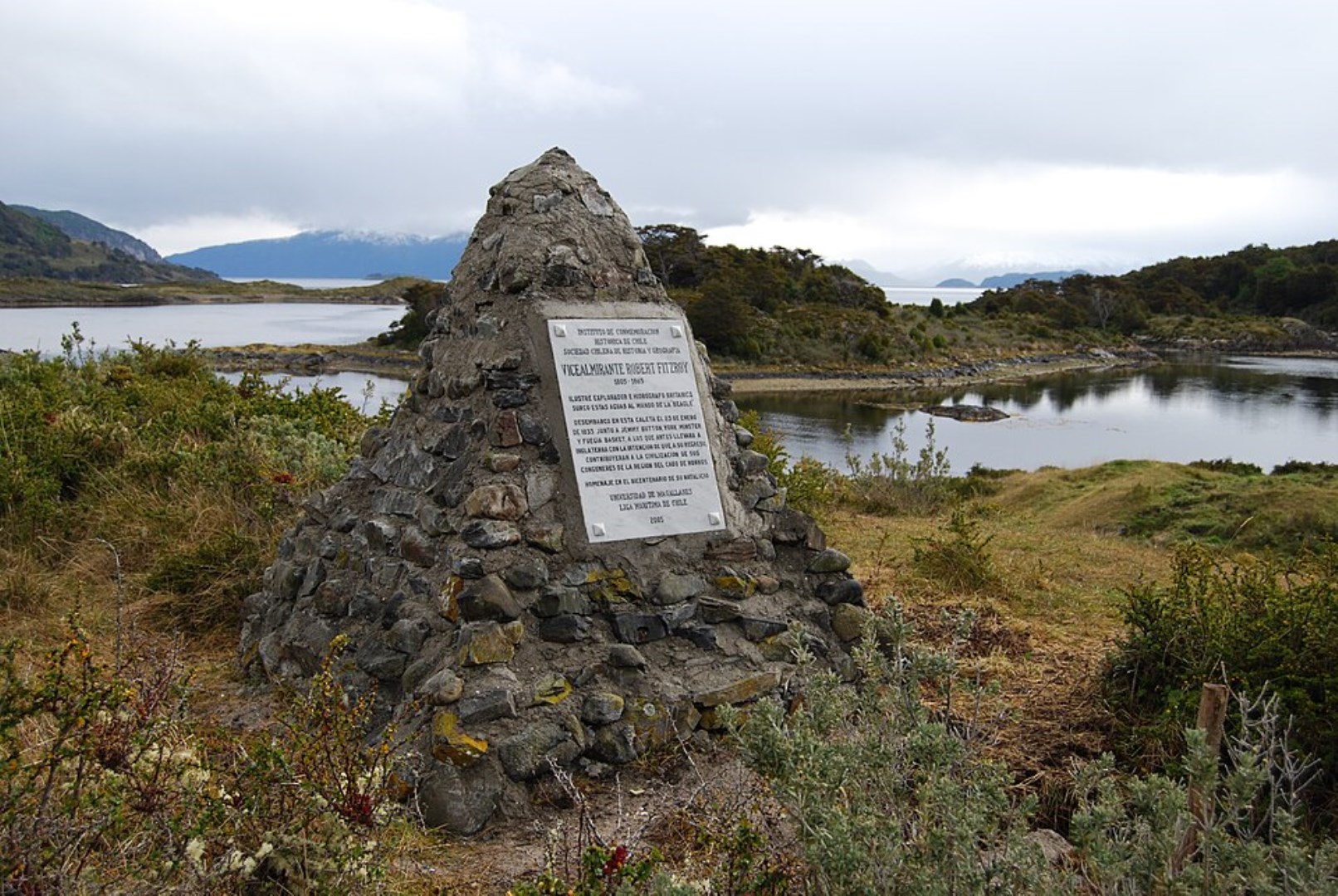
A historic bay on Navarino Island known for its Yaghan heritage, forested trails and scenic views across Tierra del Fuego.
Sognefjord
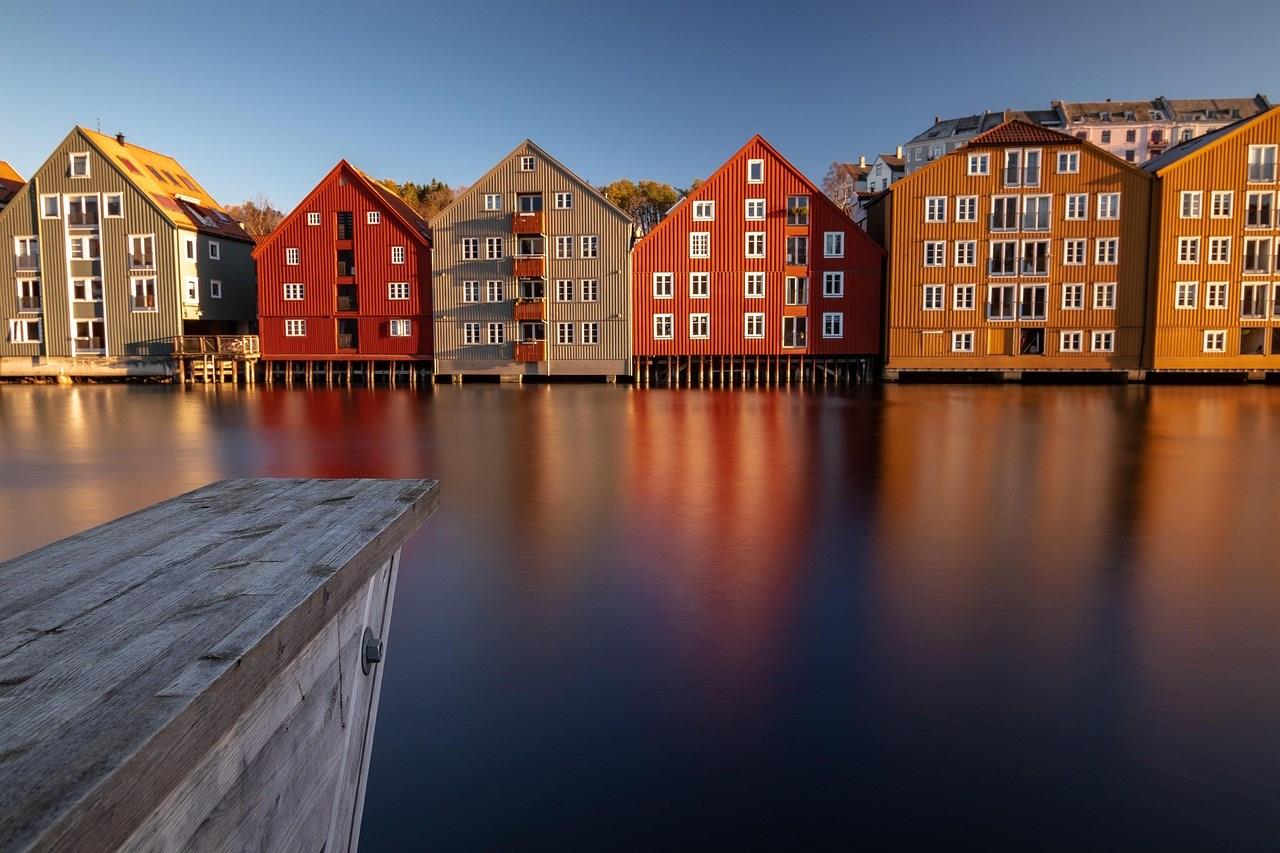
Sognefjord stretches over 200 kilometers into Norway’s mountainous interior, making it the country’s longest and deepest fjord.
