

Newcastle
Newcastle is the capital of the Hunter Valley Region, in New South Wales. Lakes, beaches, rivers and bays, combine with lush countryside to make the Hunter region surrounding Newcastle almost unlimited in its appeal.
Gustavus
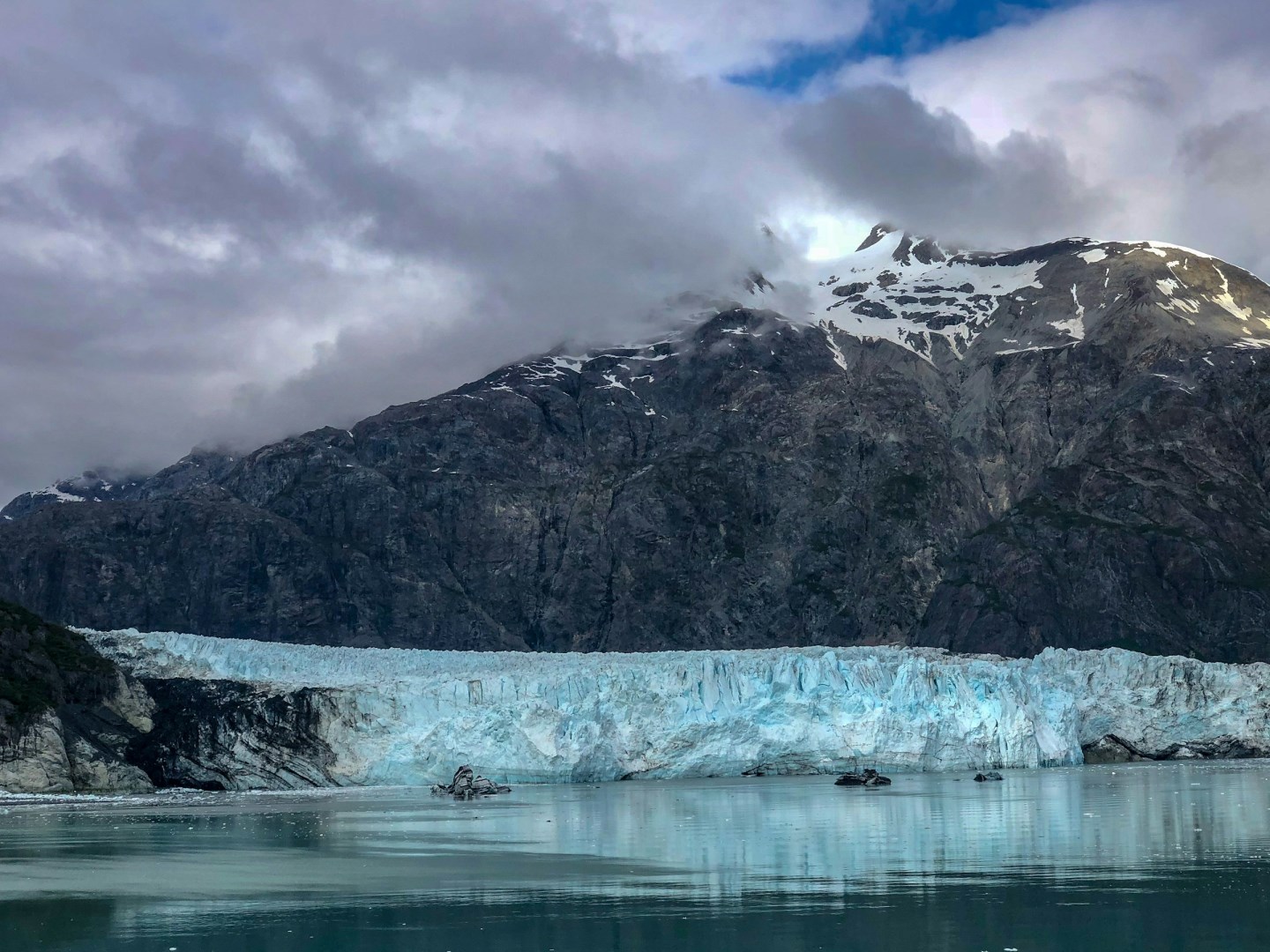
Located in Glacier Bay, Alaska, Gustavus is the only town in this beautiful Wilderness Area.Several lodges are located in the area.
Opatija
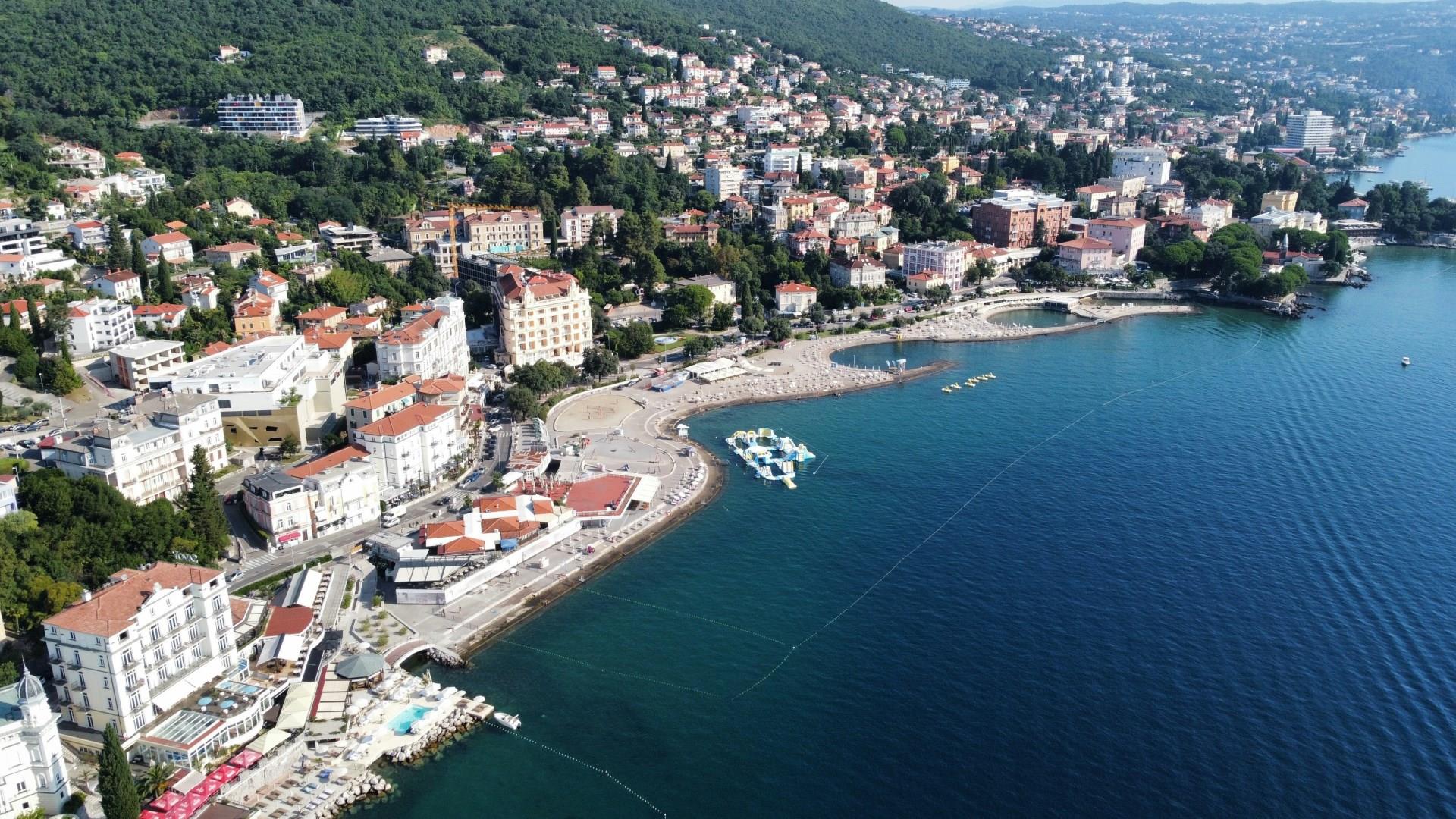
Opatija, located on Croatia’s Kvarner Bay, has been drawing visitors since the 19th century, when Austro-Hungarian aristocrats built grand villas along its Adriatic shoreline. Today, many of those same buildings still stand with some restored as luxury hotels and others preserved as cultural landmarks. The town’s most recognizable structure, Villa Angiolina, opened in 1844 and marked the start of Opatija’s rise as a fashionable seaside resort.
Wadi Rum
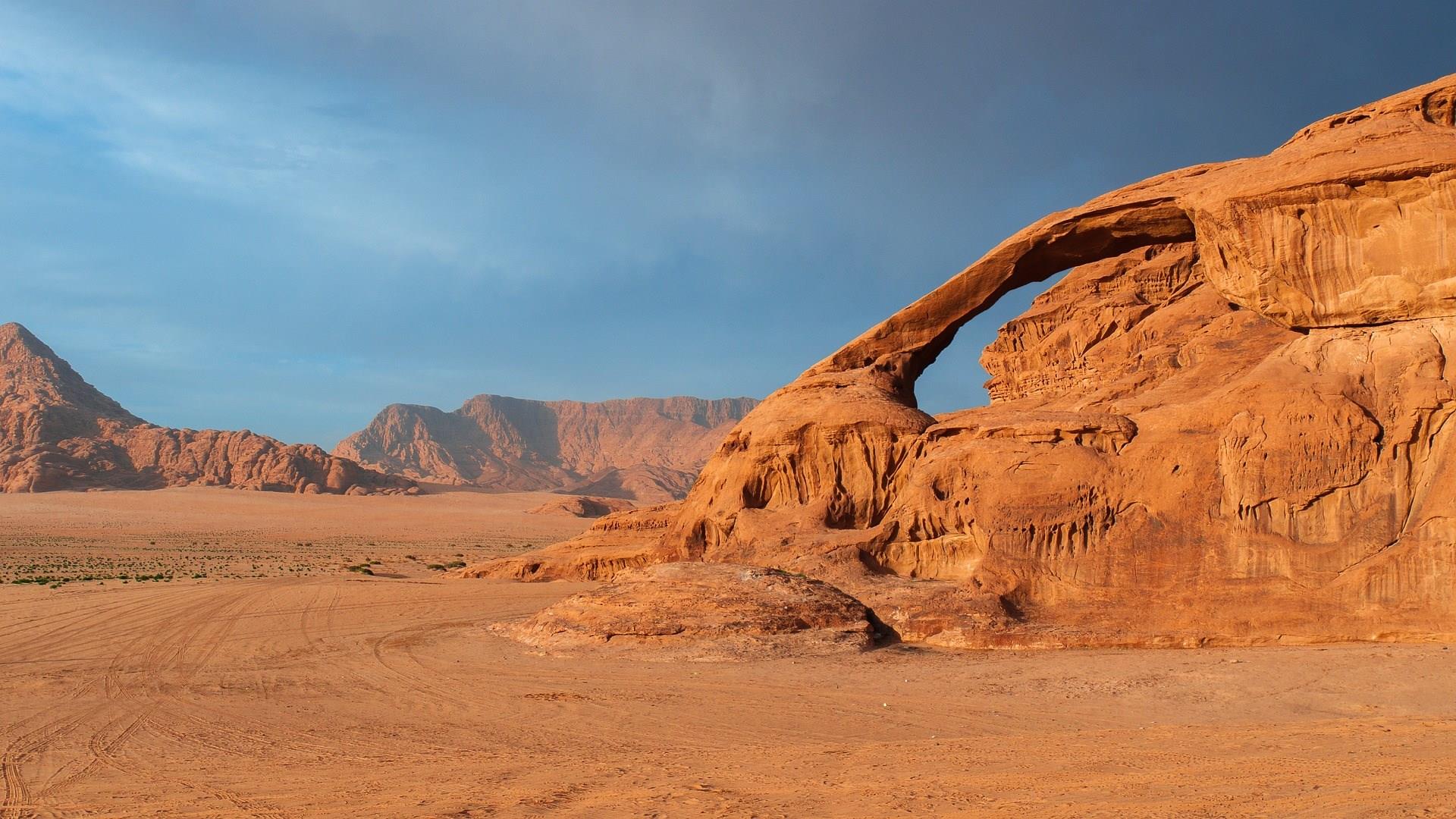
Wadi Rum, often called the “Valley of the Moon,” is a desert landscape in southern Jordan renowned for its dramatic sandstone mountains, sweeping red sand dunes, and ancient history carved into the rock. Its vast, otherworldly scenery has made it both a UNESCO World Heritage Site and a backdrop for films set on distant planets.

Jost van Dyke
One of the four islands that make up the British Virgin Islands, Jost van Dyke is a Caribbean paradise known for its white sand beaches, turquoise sea pools, and marinas filled with yachts.
