
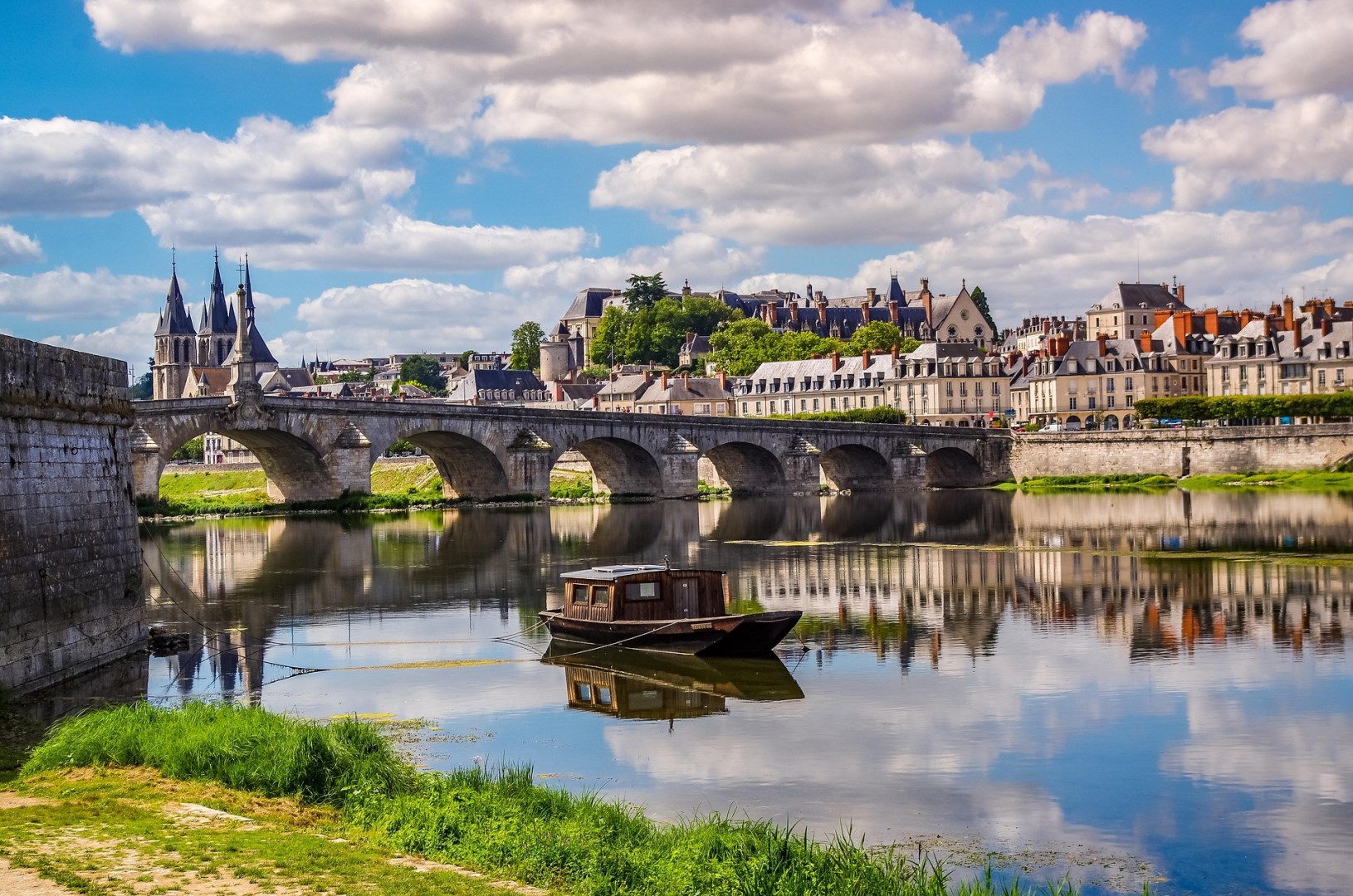
Blois
Blois is a historic city on the Loire River in central France, set among the vineyards, forests, and château country of the Loire Valley. Its old centre rises from the river toward the Château Royal de Blois, creating a landscape of steep streets, stairways, and terraces. Half-timbered houses stand alongside Renaissance townhouses, stone churches, and later buildings, while the river provides open views across the city.

Kamloops
Kamloops, located in the interior of British Columbia, sits at the meeting point of the North and South Thompson Rivers. The name comes from the Secwépemc word “Tk’emlúps,” meaning "where the rivers meet," and the area has been a gathering place for Indigenous communities for thousands of years. Today, visitors can explore this rich cultural heritage at the Secwépemc Museum and Heritage Park, where trails lead through archaeological sites and reconstructed pit houses.
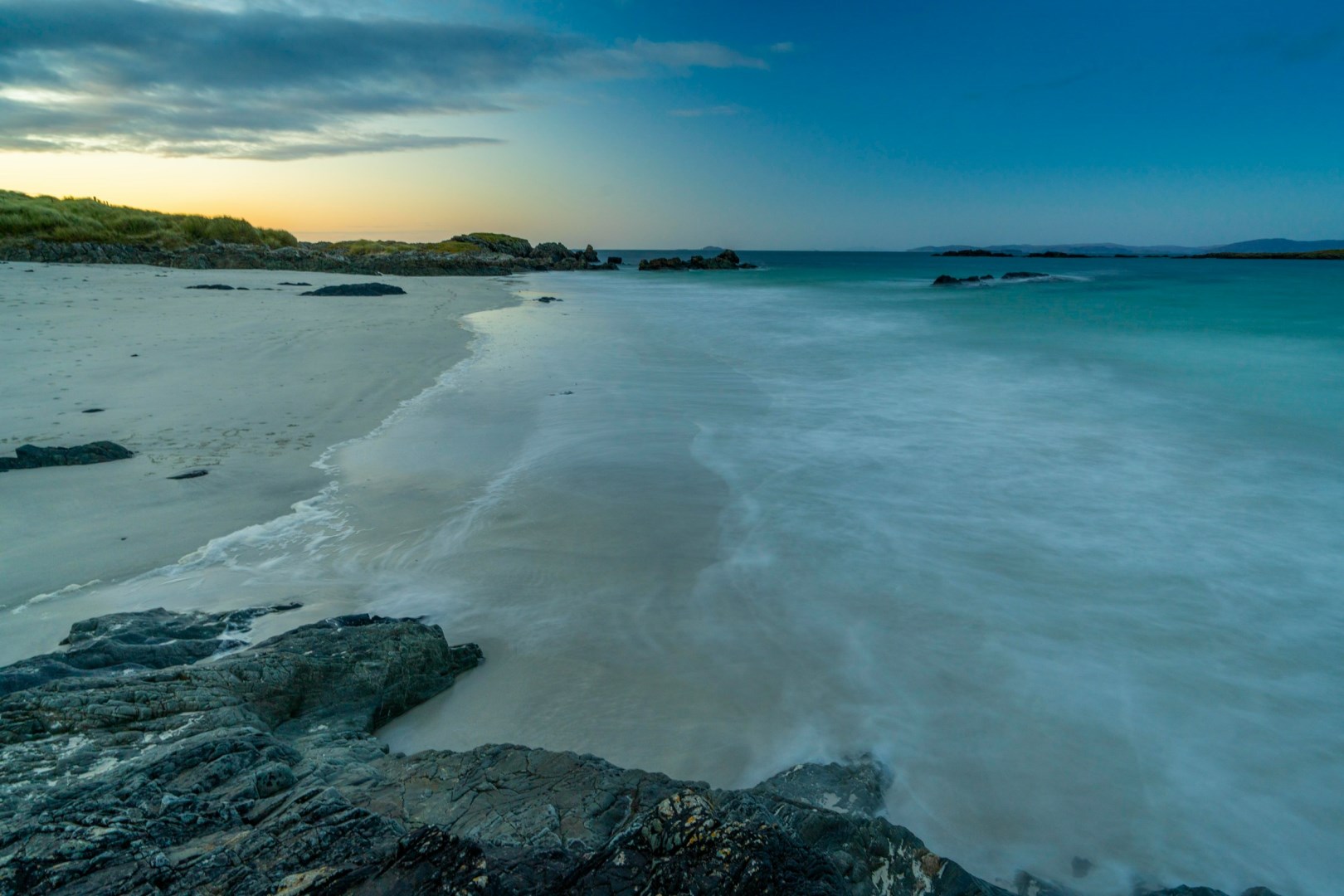
Iona
The island of Iona lies just off the west coast of Scotland, easily reached from Oban by ferry. This jaunt in itself is quite stunning commanding a view of the rocky peaks and green slopes of the Mull Mountains. An old village, Iona was founded in 563 AD by Columba and his disciples when they travel from Ireland to the Harbour of the Caracle, built a monastery and introduced the Christian faith here. Iona is still a major center for pilgrimages. Please note that cars are not permitted on the isl

Icy Strait Point
Icy Strait, Alaska, is a hidden gem for adventurers seeking an authentic Alaskan experience. Nestled between the rugged coastlines of the Inside Passage and the stunning wilderness of the Tongass National Forest, Icy Strait offers unparalleled natural beauty and wildlife encounters. This remote destination is ideal for those looking to explore the great outdoors, with opportunities for whale watching, fishing, and hiking through pristine landscapes.
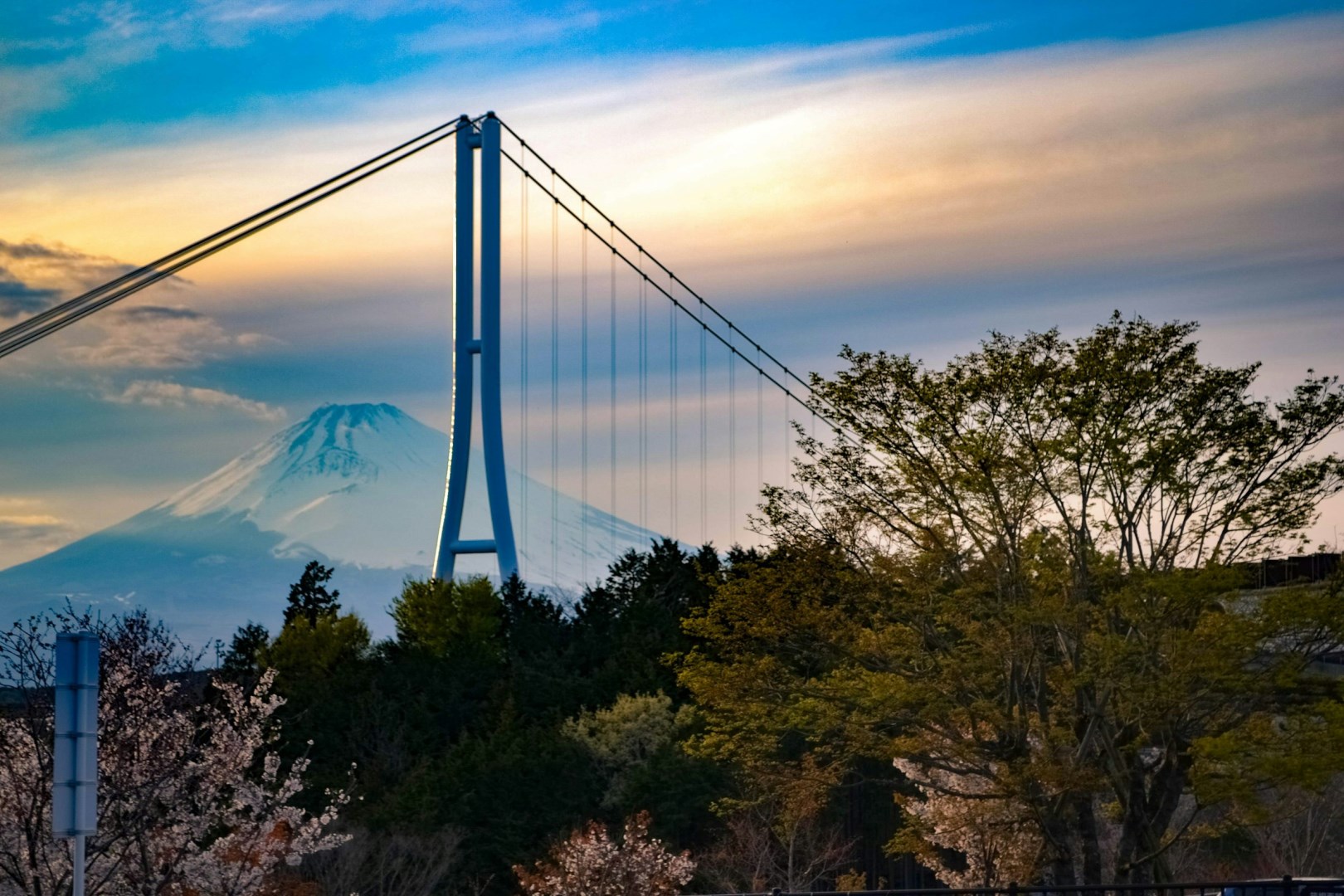
Mishima
Mishima is a city in eastern Shizuoka Prefecture, located at the northern end of the Izu Peninsula near the foot of Mount Fuji. The city is closely connected with the abundant spring water that flows from the mountain through its urban landscape. Rivers, canals, ponds, and walking paths give Mishima a distinctive relationship with water, while its location provides access to both the Izu Peninsula and the Mount Fuji area.
