
Bariloche
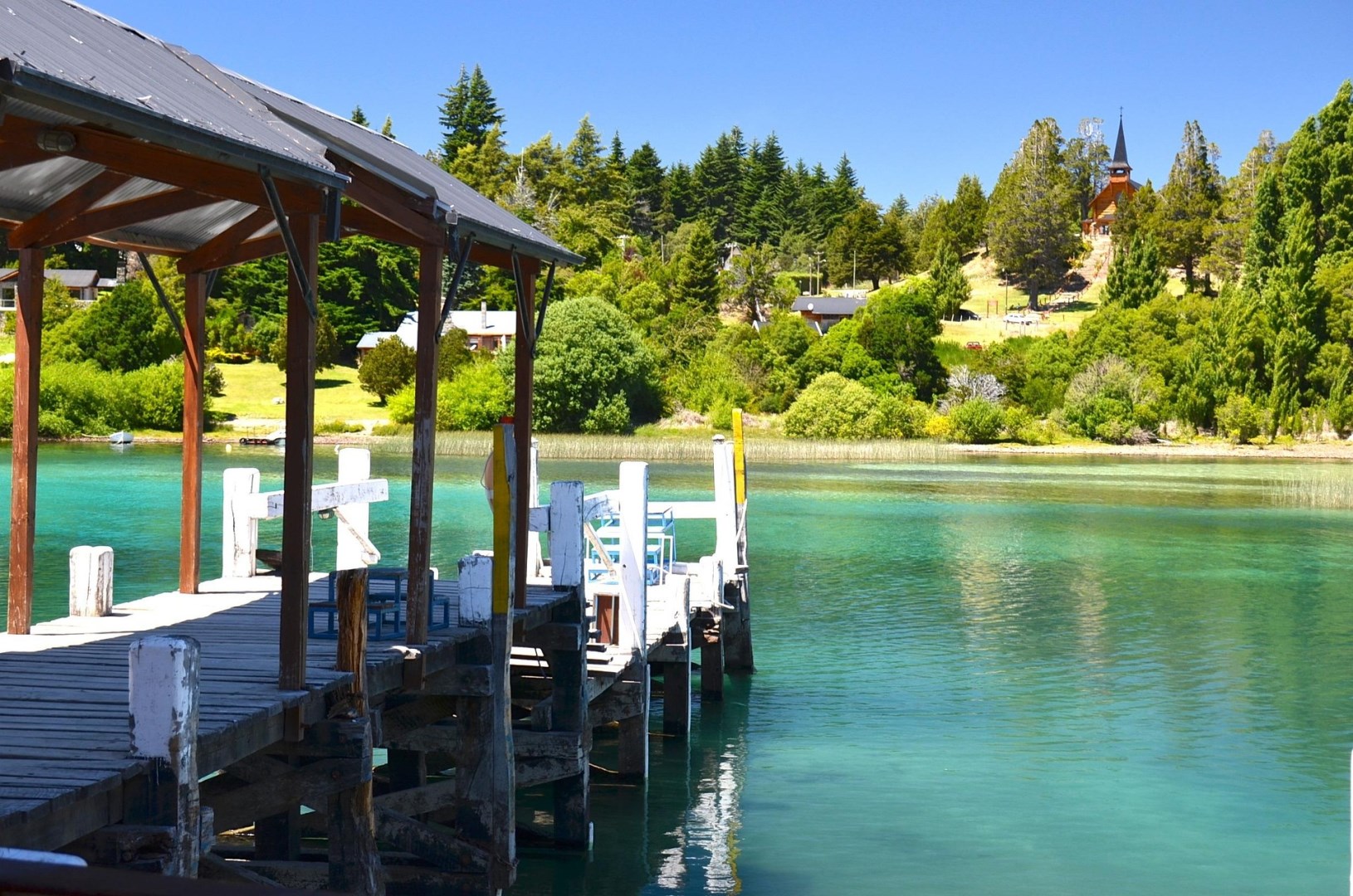
Bariloche, tucked into the foothills of the Andes in Argentina’s Patagonia region, is a town that feels both alpine and uniquely Argentine. With its wooden chalets, Swiss-style architecture, and chocolate shops on every corner, many visitors are surprised to find a lakeside town that resembles parts of Europe. But Bariloche’s identity is all its own, shaped by deep indigenous roots, waves of immigration, and the striking presence of Lake Nahuel Huapi.
Bonita Springs
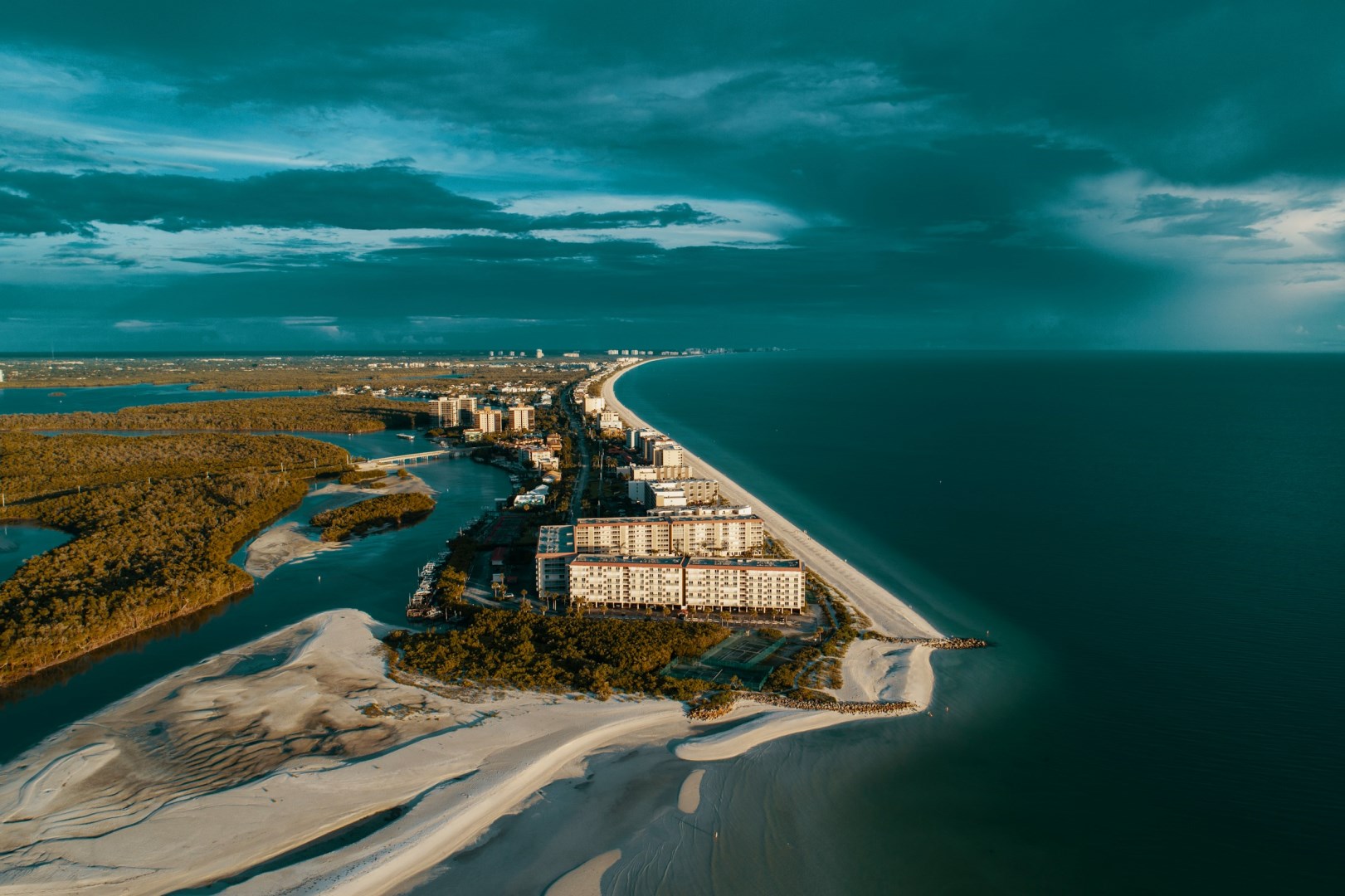
Bonita Springs is a coastal city in Southwest Florida, positioned between Fort Myers and Naples along the Gulf of Mexico. The community extends from the inland waters of the Imperial River to beaches and barrier islands along the Gulf, giving it a strong connection to both freshwater and saltwater environments. Its landscape includes mangrove forests, sandy beaches, pine flatwoods, and wetlands.
Oklahoma
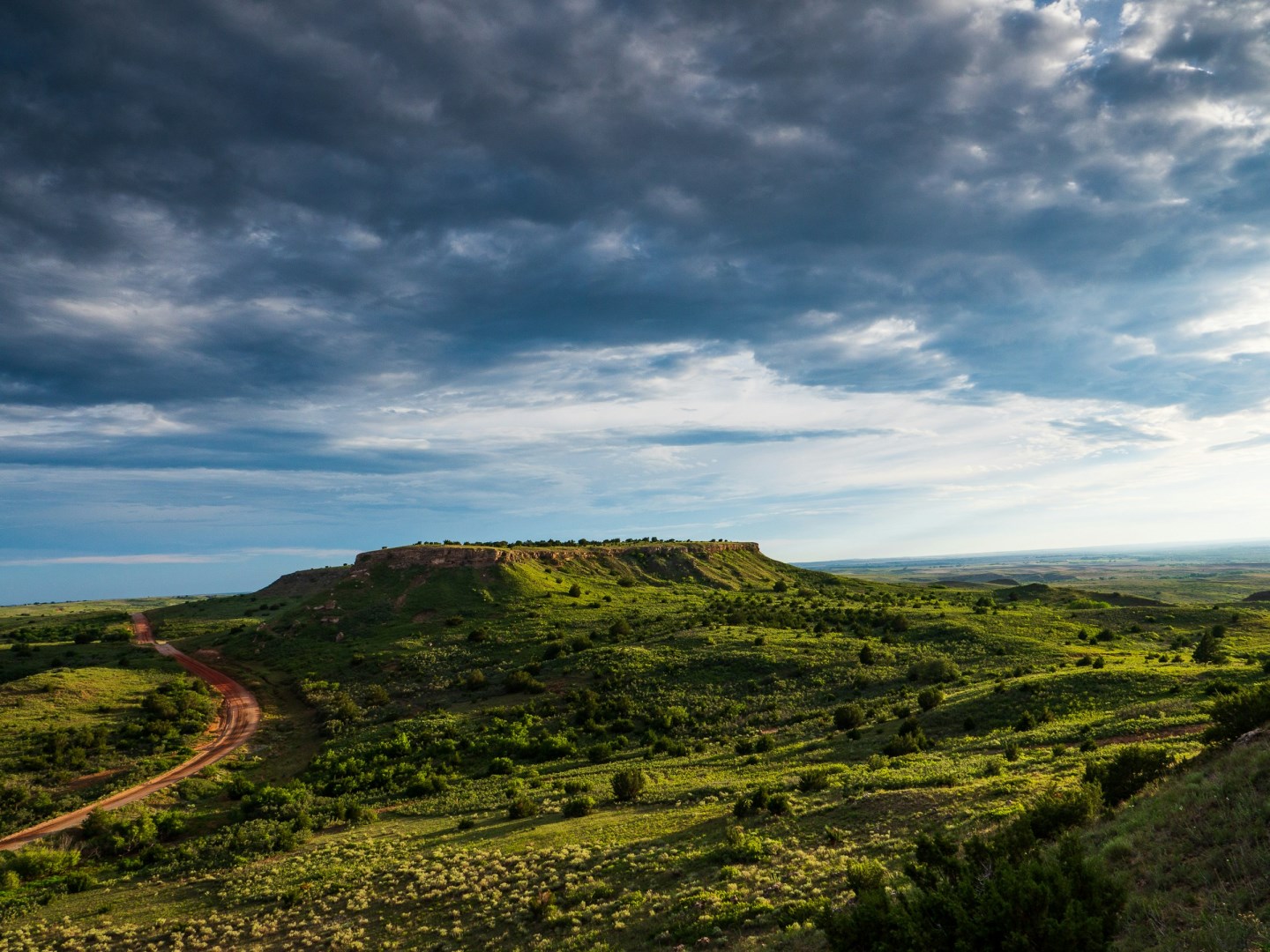
Oklahoma offers a deep, unexpected travel experience shaped by wide-open skies, rich tribal history, and a music legacy that runs through jukeboxes and dance halls. In Oklahoma City, the National Cowboy & Western Heritage Museum showcases the art, artifacts, and grit of the American West. At Mount Scott, visitors can drive to the summit for panoramic views or spot bison grazing below. It’s a place where the sound of the wind and the crunch of gravel underfoot replace the noise of daily life.
Abu Simbel
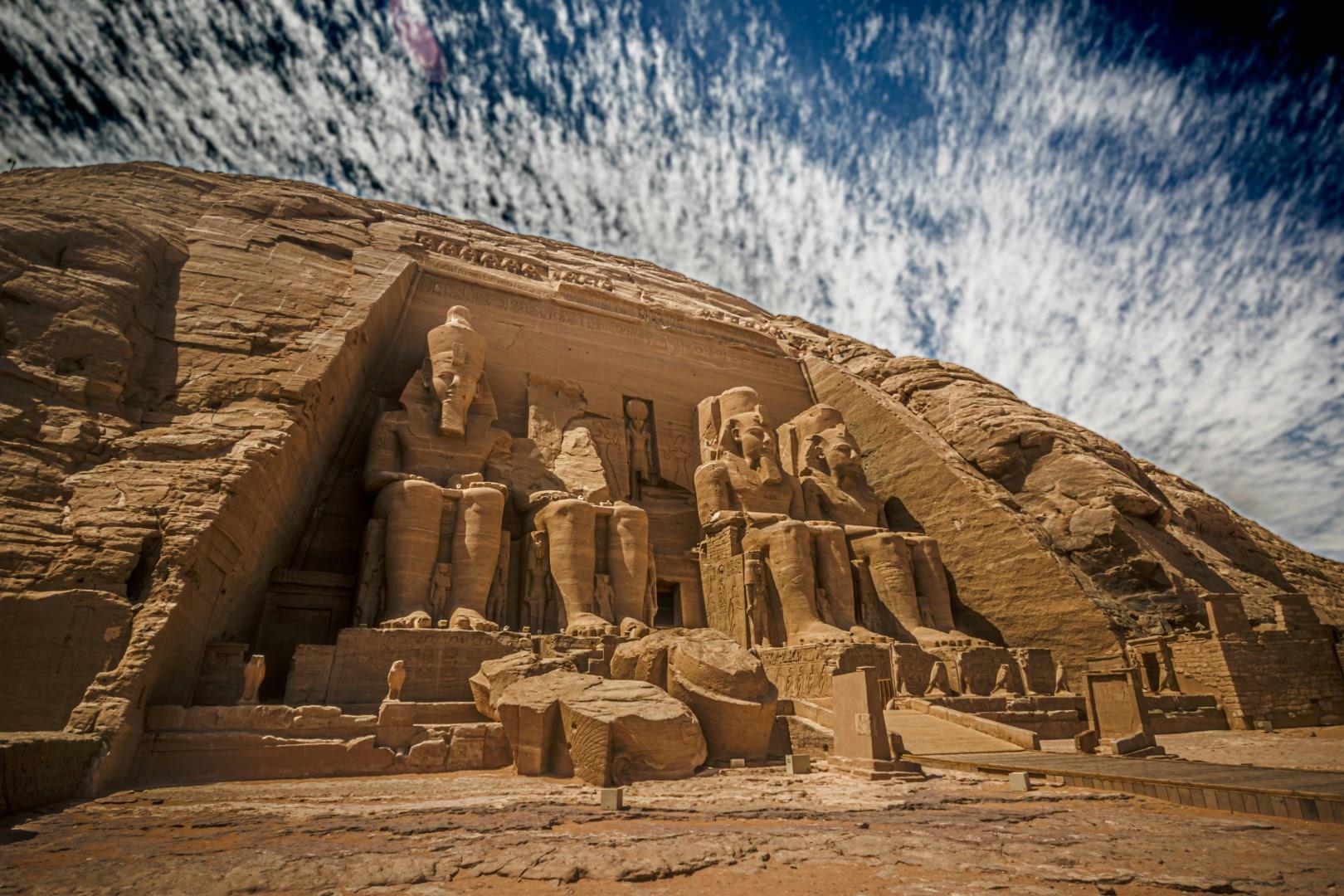
Abu Simbel, in southern Egypt near the border with Sudan, is one of the most awe-inspiring archaeological sites of the ancient world. Built during the reign of Pharaoh Ramses II in the 13th century BCE, the twin temples were carved directly into the sandstone cliffs overlooking the Nile. The Great Temple, with its four colossal statues of Ramses II seated at the entrance, was designed not only to honor the pharaoh but also to project his power to neighboring Nubia.
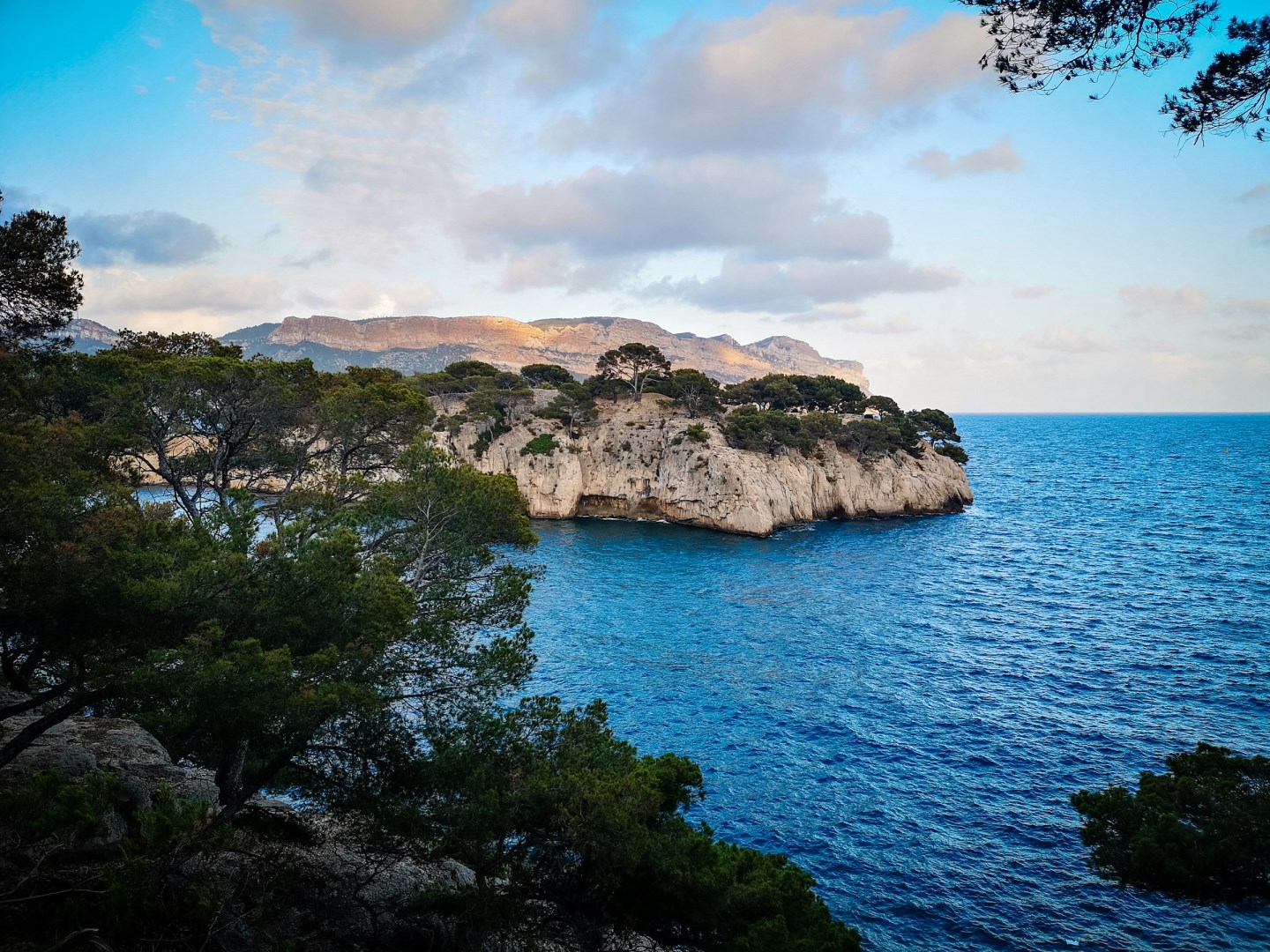
Calanques National Park
This stunning National Park is located on the Mediterranean coast in southern France. Calanques National Park should definitely be on your wish list!
