

Dominica
Dominica, known as the “Nature Island of the Caribbean,” is a haven for eco-tourists and adventure seekers. Nestled between the French islands of Guadeloupe and Martinique, this lush island boasts a remarkable landscape of volcanic mountains, dense rainforests, and stunning waterfalls. Dominica’s most iconic natural wonder is the Boiling Lake, the second-largest hot spring in the world.
Worcester
Worcester, Massachusetts is located on the Blackstone River, near Lake Quinsigamond. Points of interest include: the American Antiquarian Society; the Worcester Art Museum; the Worcester Historical Museum; the John Woodman Higgins Armory; and the Worcester Science Center, with collections on the biological and physical sciences; and the Worcester
Music Festival.
Music Festival.
Mountain Pine Ridge
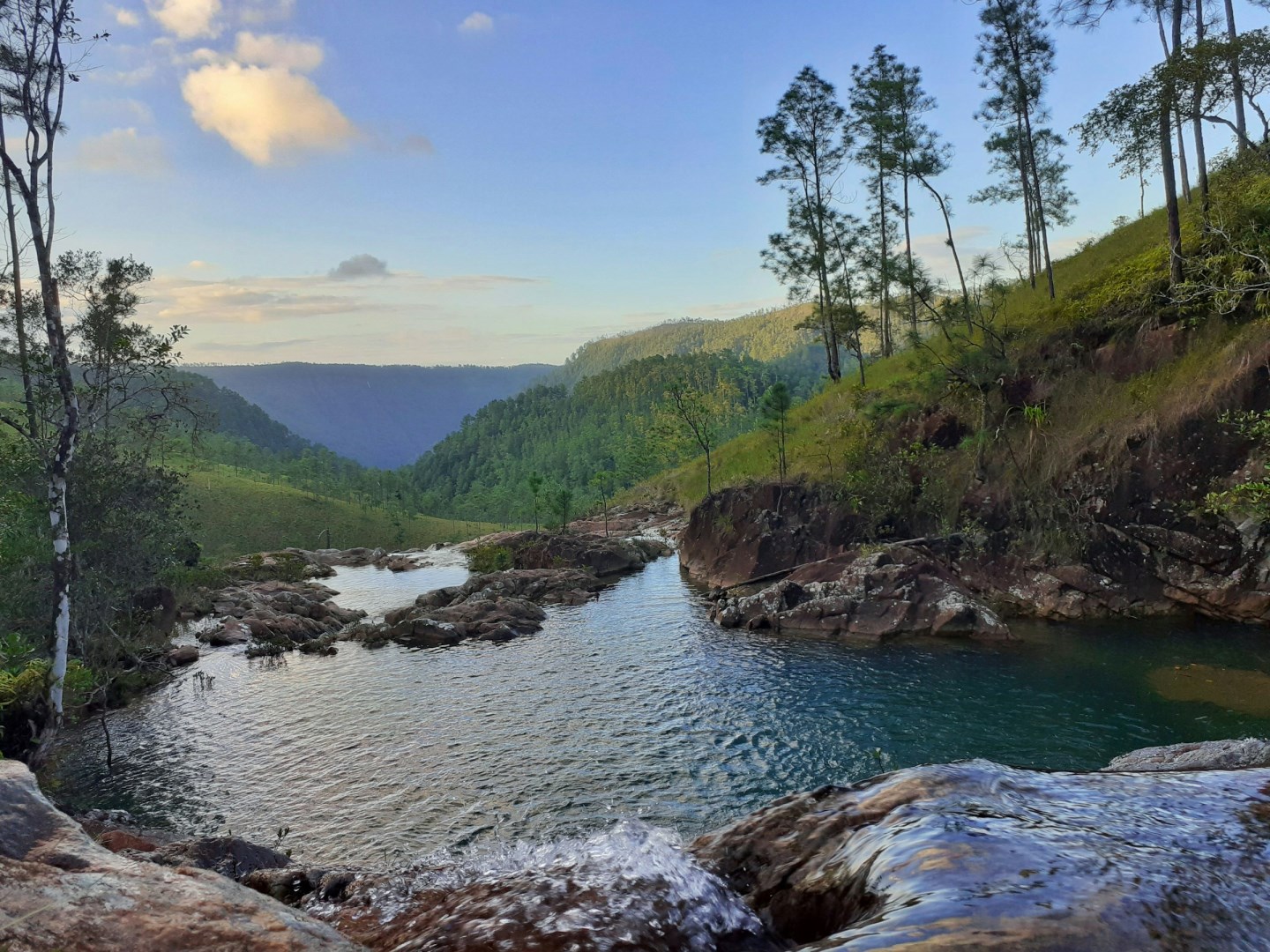
The 300 square mile Mountain Pine Ridge Forest Reserve is reached by taking the Georgeville turnoff at mile 65 of the Western Highway. After going through miles of tropical jungle you will be in a forest of tall pines growing amongst wildflowers and grasses. The area has whitewater rivers, waterfalls and cave systems.

Antananarivo
Antananarivo, Madagascar’s vibrant capital, offers a unique blend of cultural richness and historical depth. Perched on a series of hills, the city’s layout is characterized by its steep streets and traditional architecture. The Royal Palace, or Rova of Antananarivo, is a central landmark, offering a glimpse into Madagascar's royal past. Although much of the palace was destroyed by fire in 1995, the site remains a significant cultural and historical monument.
Sandakan Sabah
Sandakan, on the northeast coast of Sabah in Malaysian Borneo, is a city where history, wildlife, and culture come together. Once a major trading port known as “Little Hong Kong” for its bustling connections to the wider world, Sandakan has retained its multicultural character, with influences from Chinese, Malay, and Indigenous communities visible in its temples, markets, and cuisine.
