
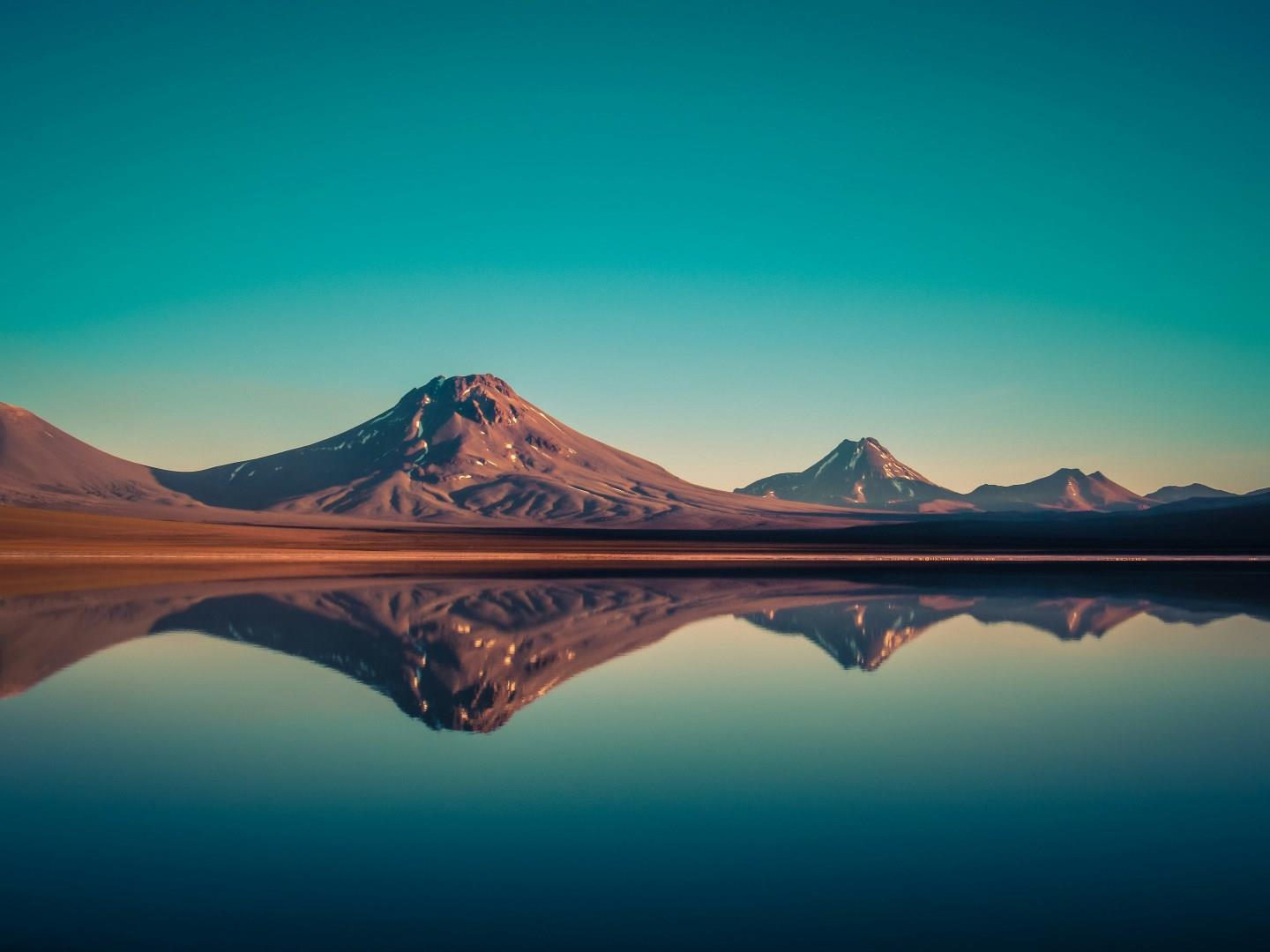
San Pedro De Atacama
San Pedro de Atacama, a small town in northern Chile, sits at over 2,400 meters above sea level in one of the most geologically diverse areas on Earth. Surrounded by volcanoes, salt flats, geysers, and ancient lava flows, it has long served as a gateway to the Atacama Desert. This desert is the driest non-polar place in the world, where some weather stations have never recorded rainfall.
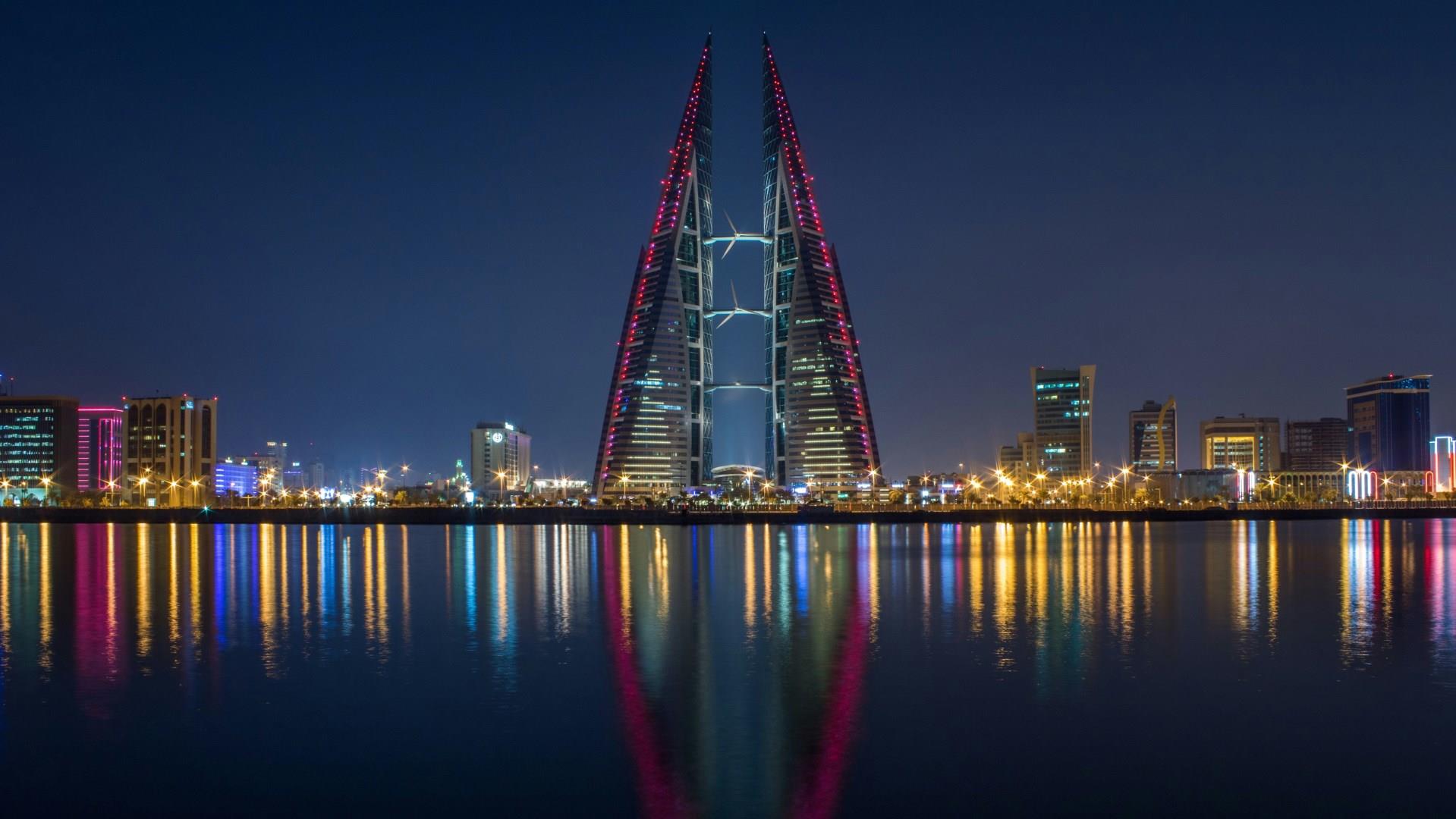
Manama
Manama pulses with stories from long ago and today. Just beyond the modern skyline lies Qal’at al‑Bahrain, a layered mound once the capital of Dilmun, used by societies from the Kassites to the Portuguese. Visitors can climb its crumbling stairways and imagine life across centuries there. Nearby, the Bahrain National Museum, opened in 1988 in a stately waterside building, displays archaeological finds from ancient Dilmun to modern-day artifacts and is one of the Gulf's first modern museums.

Darwin
Tropical beaches, green space, wildlife, and dazzling sunsets all draw tourists to Darwin. Visitors should also discover the city's art museums, Mindil Beach's night markets and the local seafood. And did you know that this area of Australia has more crocodiles than anywhere on the planet?
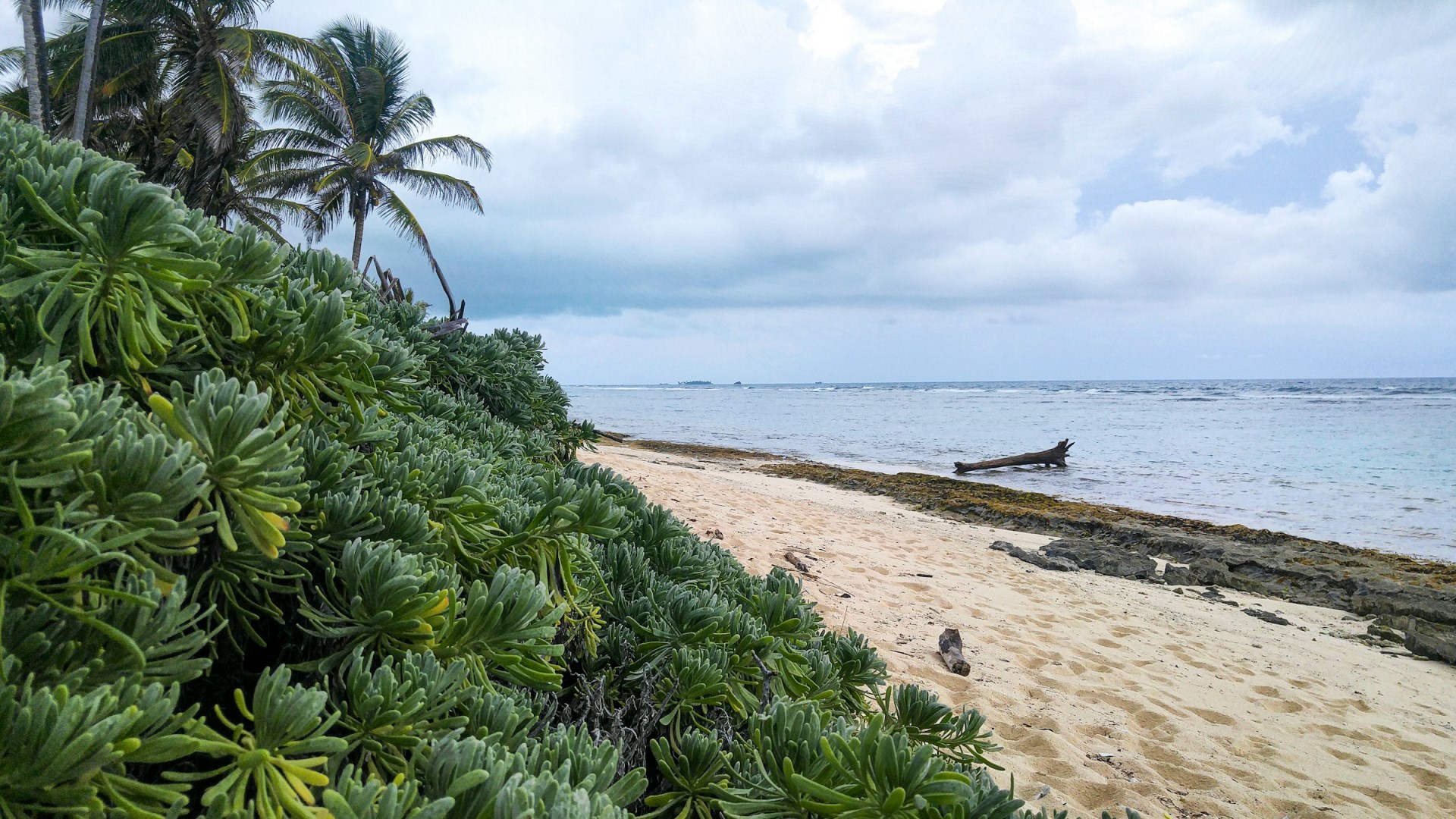
San Andrés
Eight-mile-long island, where a variety of water sports is available. Stroll the bustling port area, where hundreds of stores sell goods ranging from Columbian emeralds to imported fine china and porcelain.
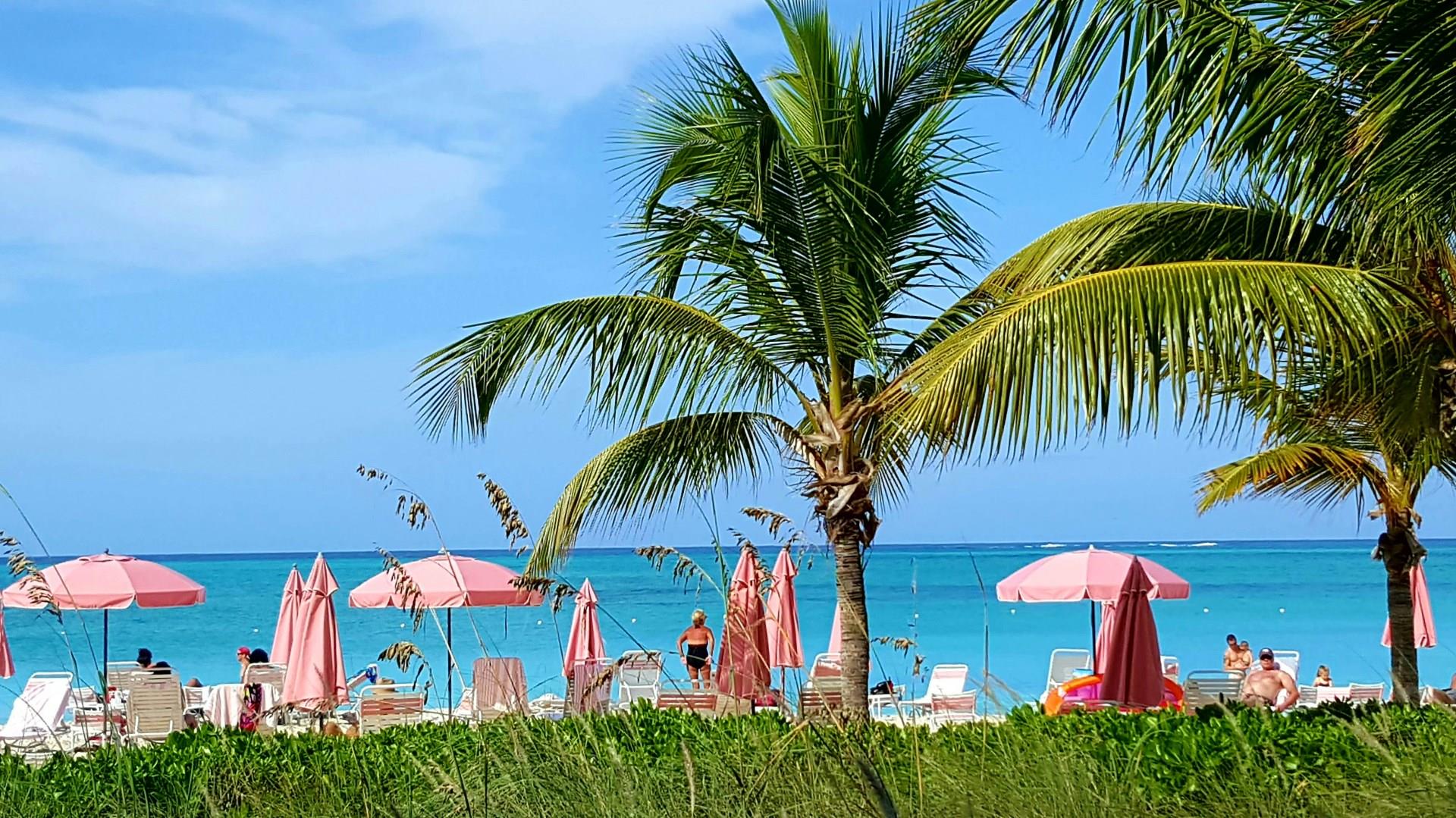
Providenciales
Providenciales, often called “Provo,” is the most developed island in the Turks and Caicos archipelago and a gateway to some of the clearest waters in the Caribbean. Its coastline is famous for long stretches of white sand and shallow turquoise seas that seem to shift color with the sun. Grace Bay Beach, the island’s most celebrated shoreline, runs uninterrupted for more than 19 kilometers and is consistently ranked among the best beaches in the world.
