
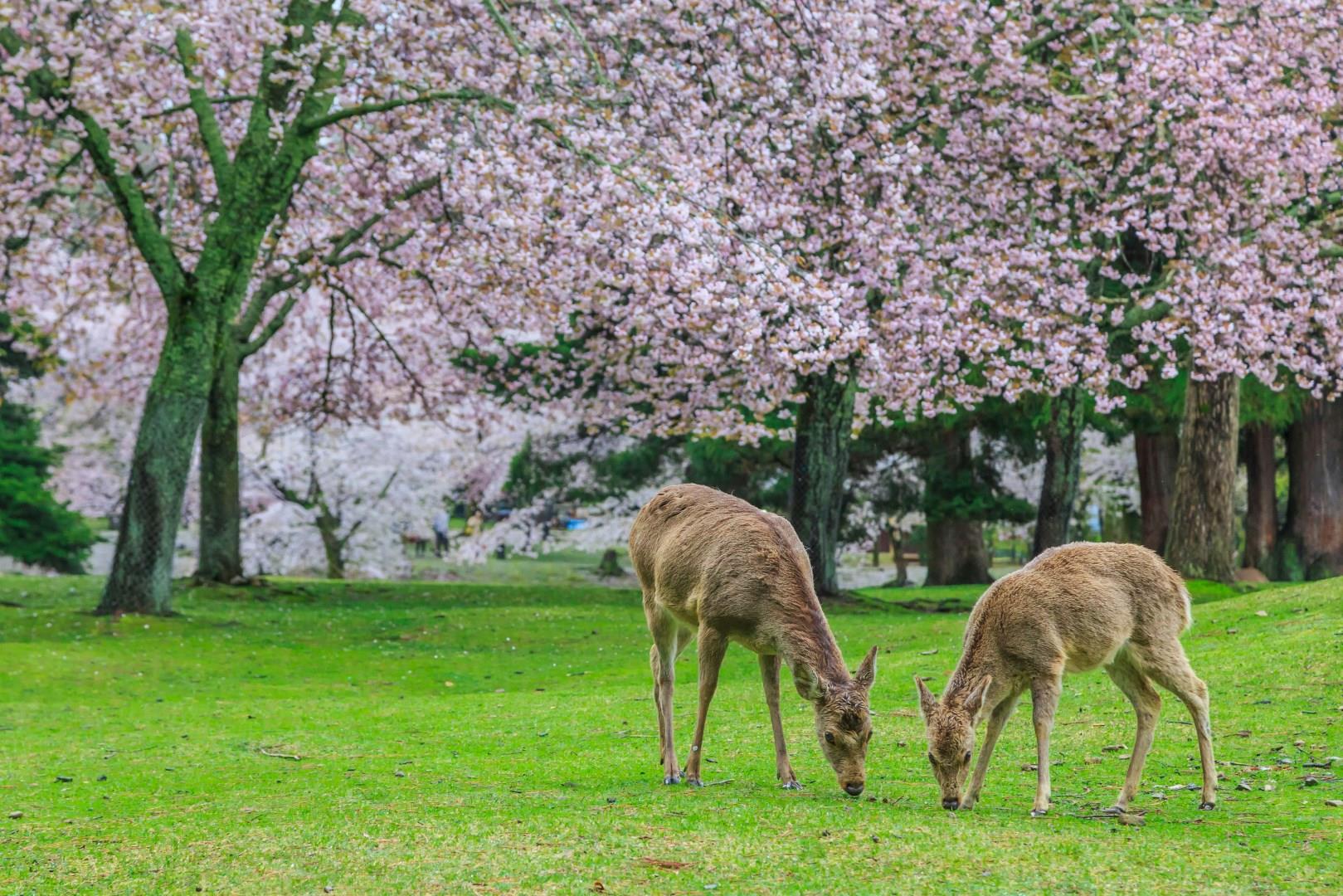
Nara
Nara, located in Japan’s Kansai region, is a city where ancient history and serene landscapes coexist. As the country’s first permanent capital, it preserves a wealth of historic sites that reflect its significance during the Nara period.
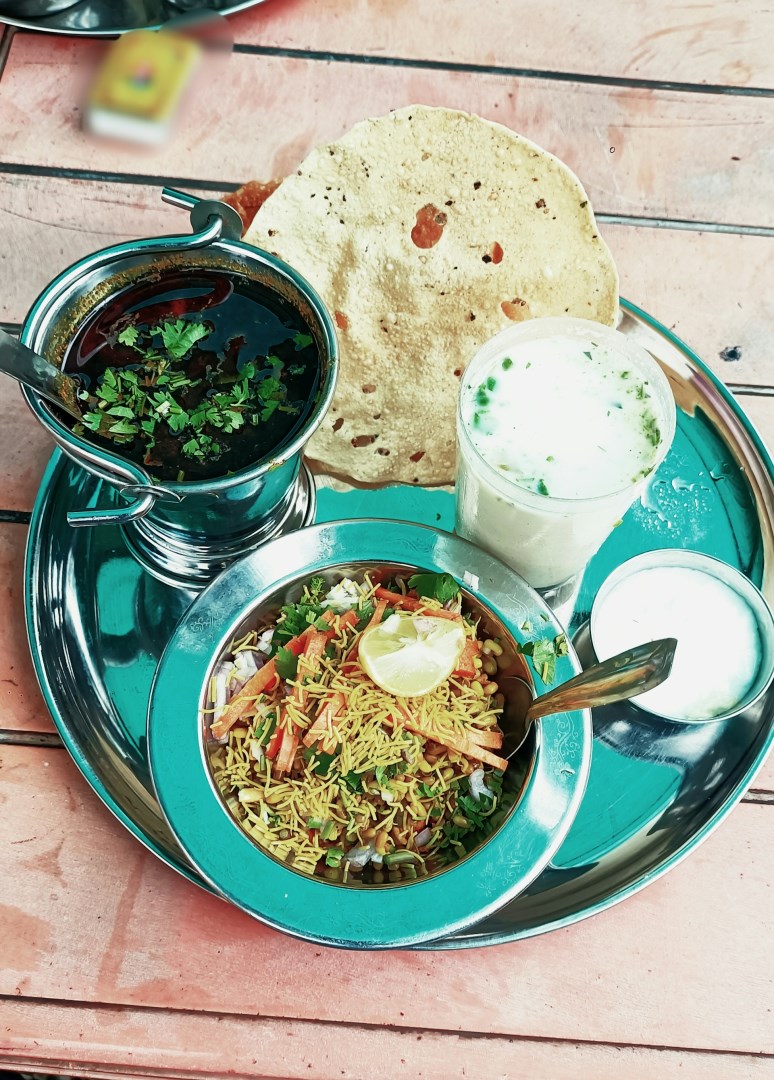
Aurangabad
Aurangabad, now officially known as Chhatrapati Sambhajinagar, is a historic city in Maharashtra’s Deccan region, surrounded by dry hills, agricultural land, and the basalt landscapes of the Deccan Plateau. It is best known as a gateway to some of India’s most important rock-cut monuments, including the UNESCO-listed Ajanta and Ellora Caves. The city itself combines Mughal-era architecture, Buddhist cave sites, historic gateways, and traditional craft industries. I

Dominica
Dominica, known as the “Nature Island of the Caribbean,” is a haven for eco-tourists and adventure seekers. Nestled between the French islands of Guadeloupe and Martinique, this lush island boasts a remarkable landscape of volcanic mountains, dense rainforests, and stunning waterfalls. Dominica’s most iconic natural wonder is the Boiling Lake, the second-largest hot spring in the world.

New Caledonia
New Caledonia is an archipelago located in the south western part of the Pacific Ocean, and belongs to what is known as Melanesia. The mainland known as the "Grande Terre" is the principal island of New Caledonia and covers an area of 400 kms north to south and 50 kms west to east, with a total surface of 19 000 square meters. It is the third largest island in the South Pacific after New Guinea and New Zealand.

Lake Titicaca
Lake Titicaca, perched at over 3,800 meters above sea level, is the highest navigable lake in the world and a place where ancient stories still echo across the water. Shared by Bolivia and Peru, this lake has long been considered sacred by the Andean peoples. According to Inca legend, it was from Titicaca’s deep blue waters that the first humans were created. Today, the lake remains a center of cultural tradition, spiritual significance, and daily life for many who live along its shores.
