
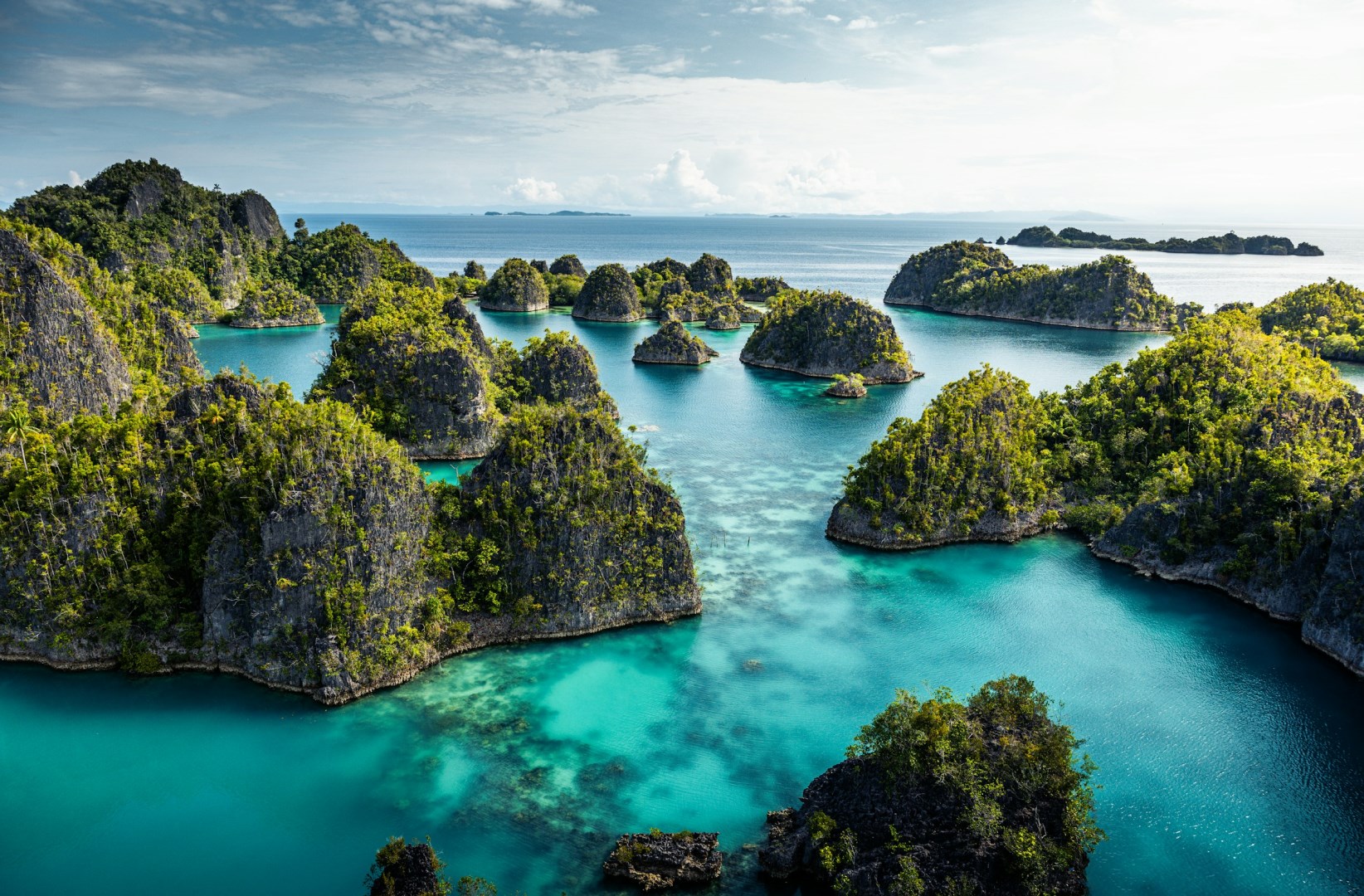
Raja Ampat
Raja Ampat is an archipelago in Southwest Papua, Indonesia, centered around the four major islands of Waigeo, Batanta, Salawati, and Misool. More than 1,500 smaller islands, cays, and reefs surround these larger islands, creating a landscape of forested hills, limestone formations, sheltered bays, and clear tropical waters.
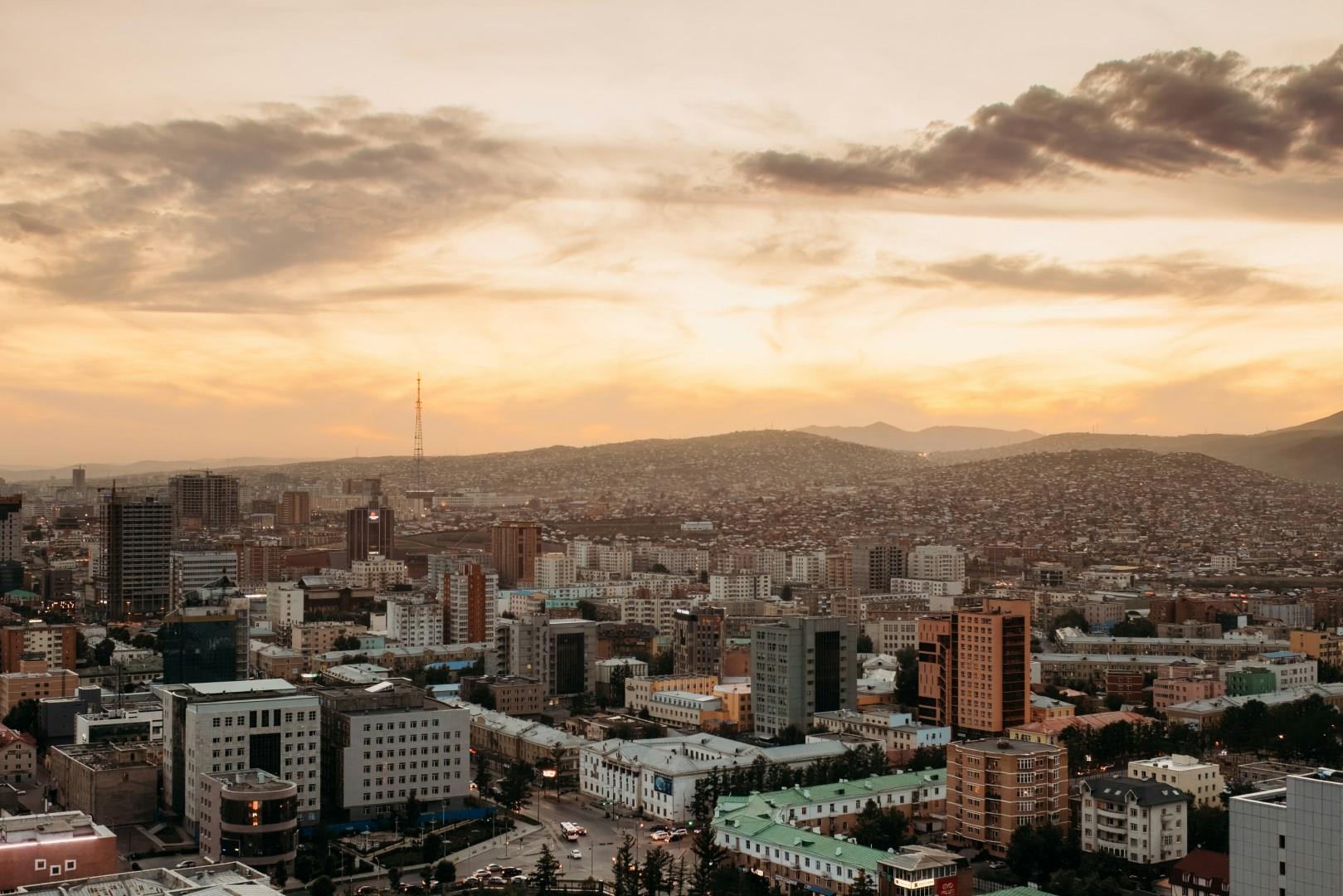
Ulaanbaatar
Ulaanbaatar, the capital of Mongolia, is a city where tradition and modern life intertwine. Nestled in a valley surrounded by mountains, it serves as the country’s cultural, political, and economic hub. The city’s skyline features a mix of Soviet-era architecture, Buddhist monasteries, and contemporary high-rises.

Curacao
Curacao, a gem in the Caribbean Sea, offers a captivating blend of Dutch colonial charm and vibrant Caribbean culture. Its capital, Willemstad, is a UNESCO World Heritage Site renowned for its colorful 17th-century architecture and historic waterfront. The city's iconic Handelskade, lined with pastel-hued buildings, presents a picturesque setting for leisurely strolls and waterfront dining.
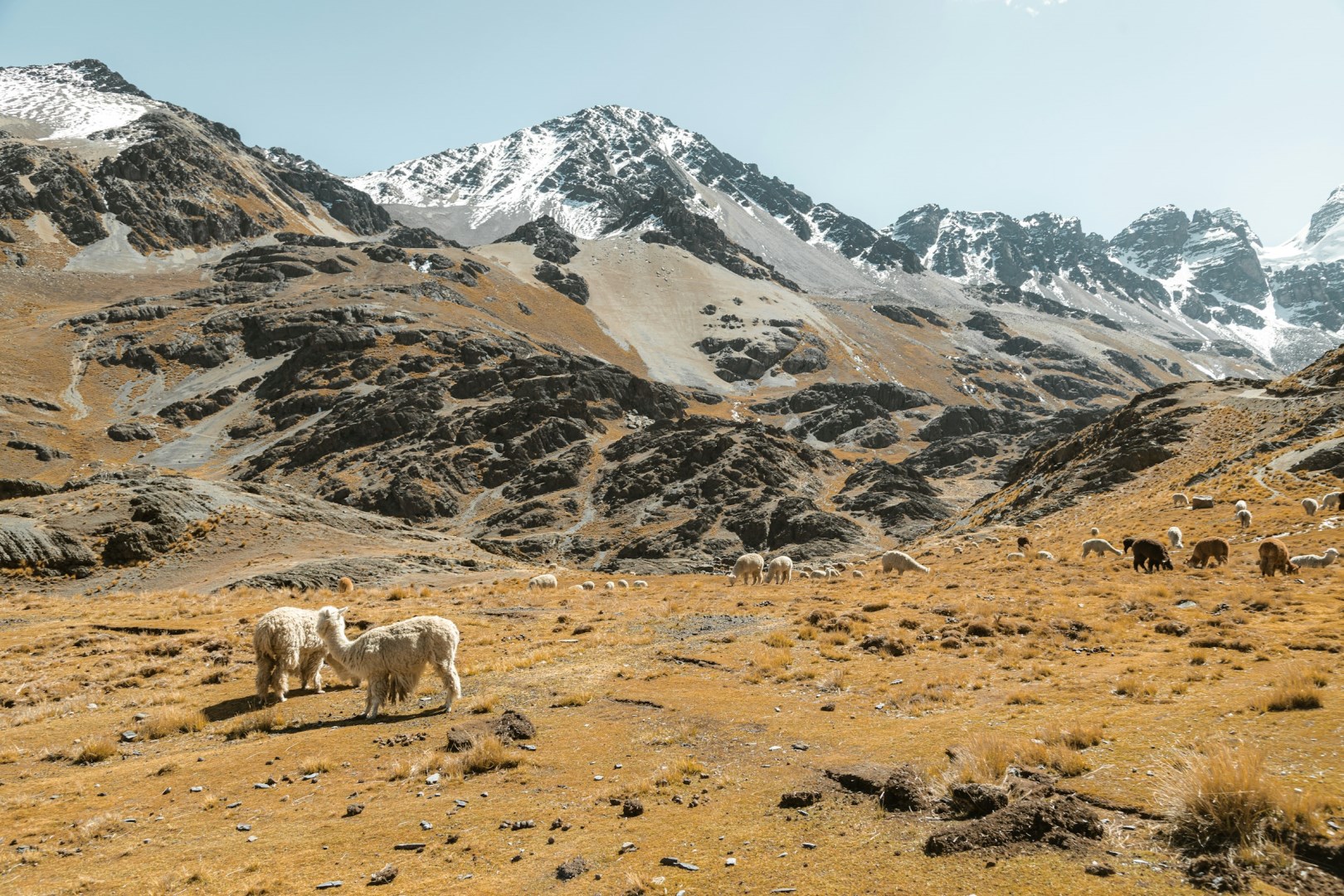
Kunturiri
Kunturiri is a high-altitude mountain area in Bolivia’s Cordillera Real, north of La Paz. The name comes from the Aymara word for condor, reflecting the region’s close connection with Andean landscapes and wildlife. Kunturiri is characterized by rugged peaks, glacial terrain, mountain lakes, and broad views across the high Andes. The area lies within a remote section of the Cordillera Real, where steep mountains rise above the surrounding Altiplano.
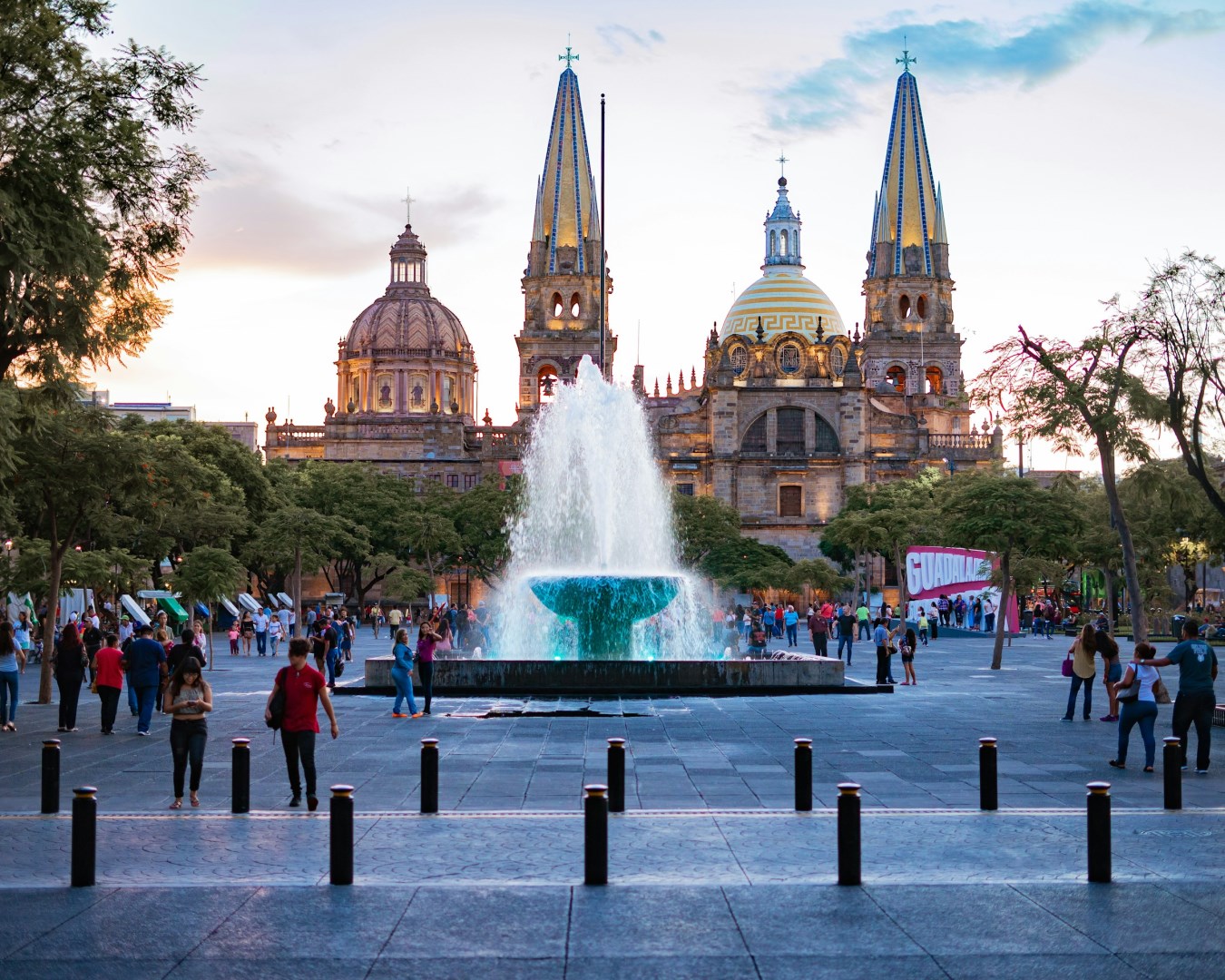
Guadalajara
In the central highlands of Mexico lies a rich city, with a culture as colorful as its past. Guadalajara, Mexico's second largest city, may be best known for its tequila, mariachis and the hat dance, all part of its celebrations. The downtown area is dominated by a huge public square, the Plaza del la Liberacion. Guadalahara's most impressive historical sights are found along this square, as well as museums tracing Mexico's long history.
