

Willemstad
Willemstad, the capital of Curaçao, is unlike any other city in the Caribbean. With its pastel-colored buildings lining the waterfront and a layout shaped by Dutch colonial planning, the city blends European design with Caribbean culture. Its historic center, divided by Sint Anna Bay into Punda and Otrobanda, has been recognized as a UNESCO World Heritage Site.

South America
South America is a continent of striking contrasts, where towering mountain ranges meet vast rainforests, arid deserts, and sprawling coastlines. From the icy fjords of the south to the tropical warmth of the north, each region offers its own landscapes, wildlife, and cultural expressions.
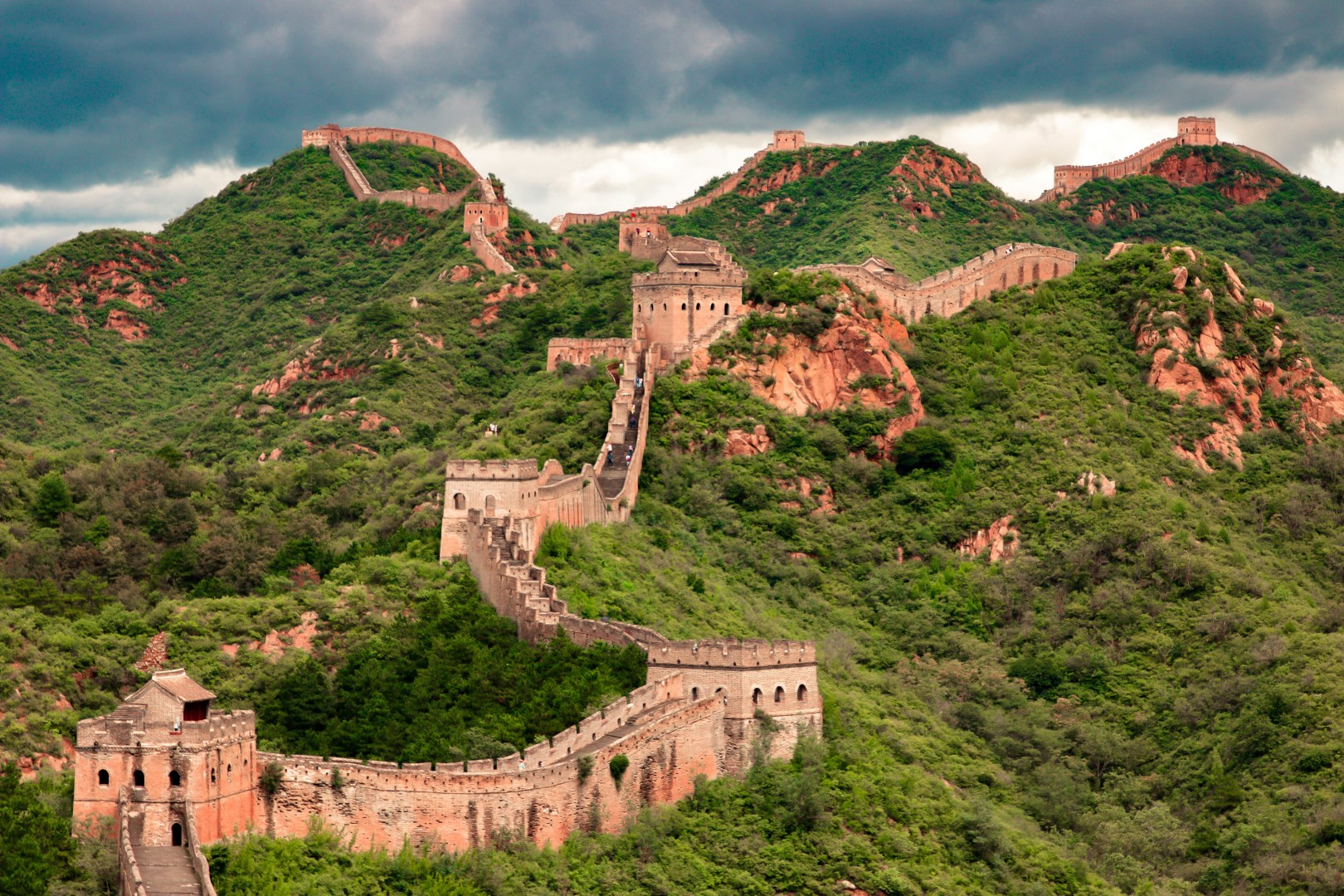
Great Wall
The Great Wall of China stretches across mountains, deserts, and grasslands, forming one of the most striking man-made landmarks in the world. Rather than a single continuous wall, it is a network of sections built with stone, brick, and packed earth, each shaped by the landscape it crosses. In areas near Beijing, such as Mutianyu, the wall winds along forested ridges, offering sweeping views that change with the seasons.
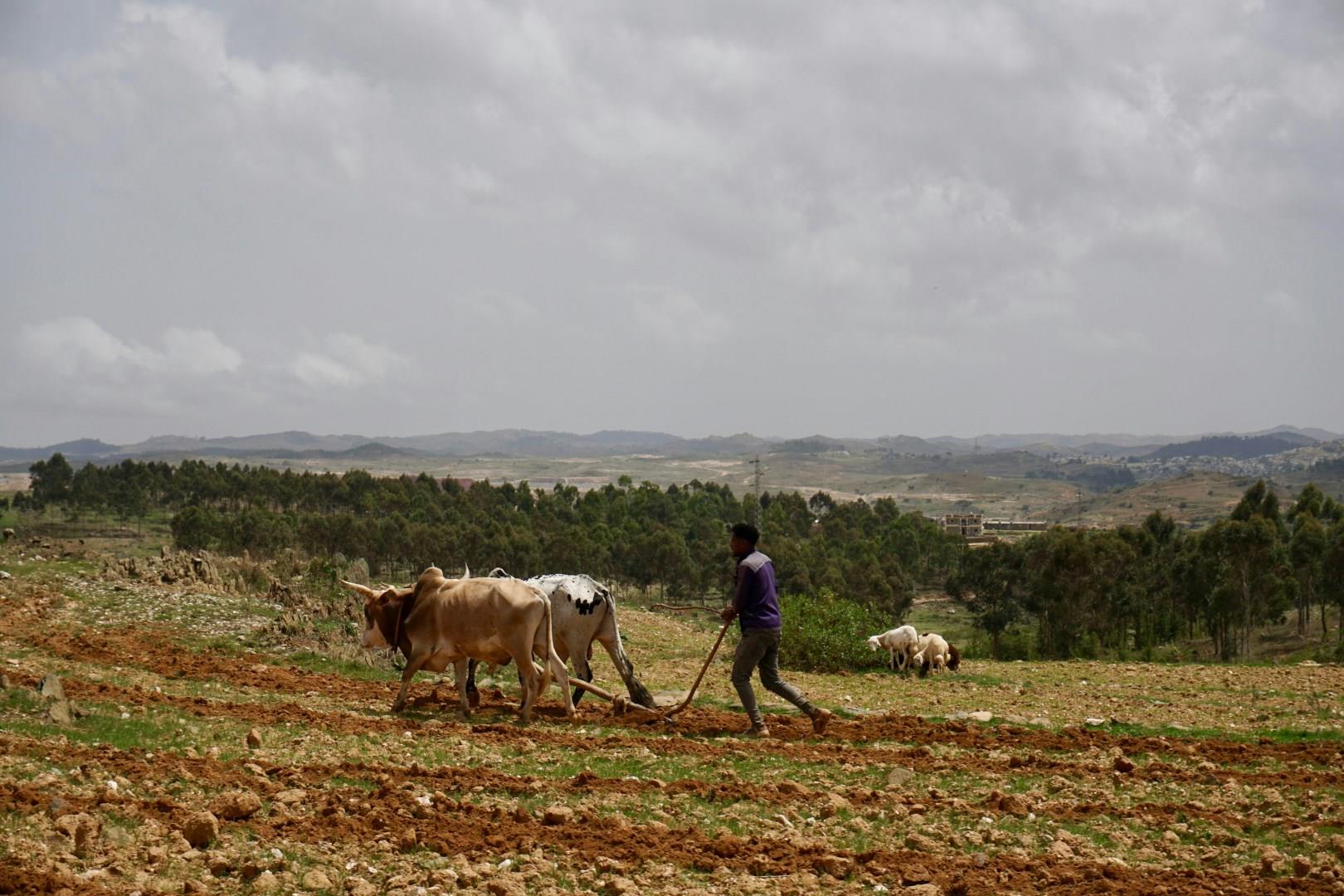
Asmara
Asmara, the capital of Eritrea, is a city where time seems to have paused in the mid-20th century. Known for its remarkably preserved Italian modernist architecture, the city has earned recognition as a UNESCO World Heritage Site.
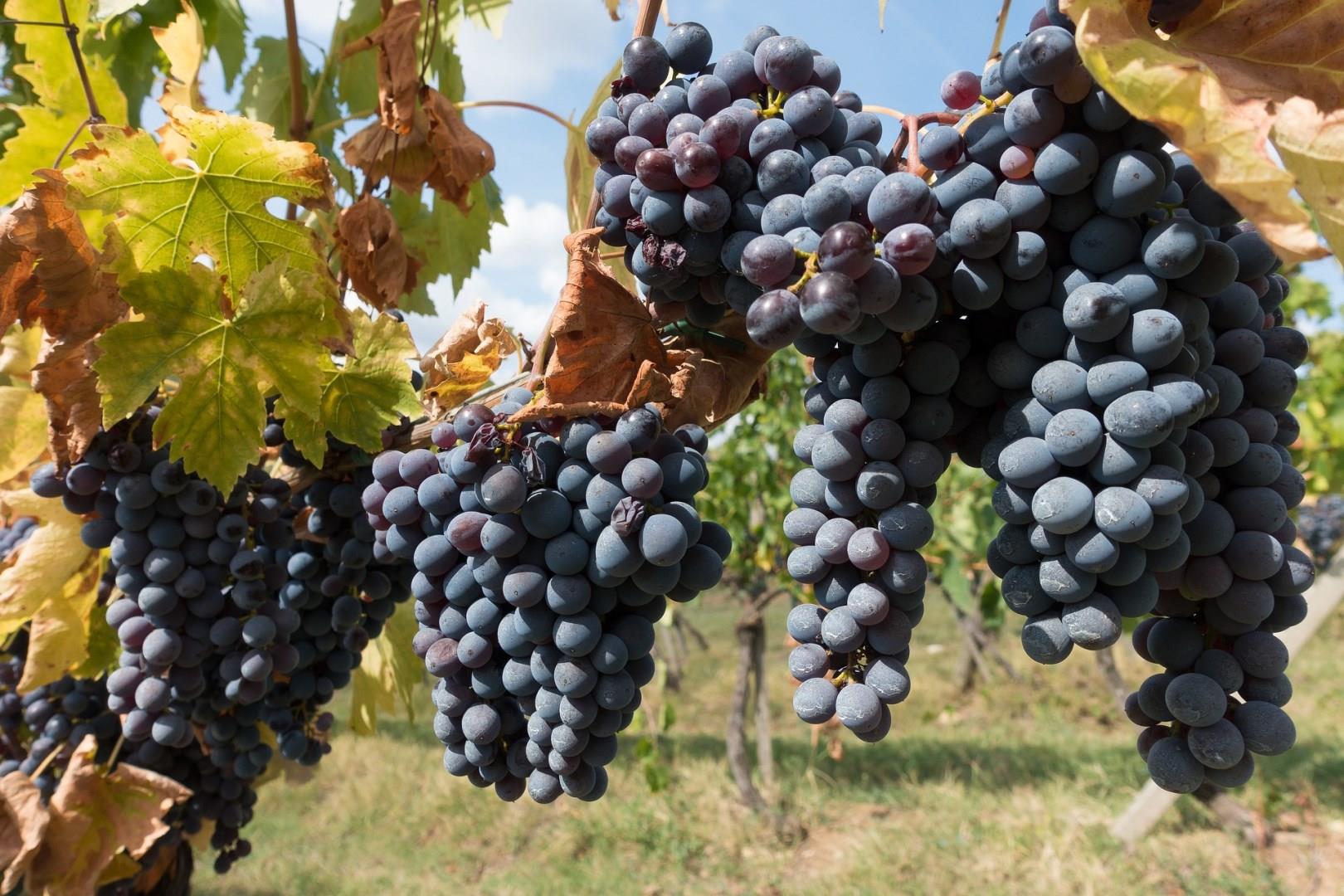
Chianti
Chianti, nestled in the heart of Tuscany between Florence and Siena, is a world-renowned wine region that exudes quintessential Italian charm. Famous for its rolling hills, cypress-lined roads, and sprawling vineyards, Chianti offers travelers an unforgettable experience of Italy’s rich viticulture and history. Visitors can explore charming medieval villages like Greve in Chianti and Castellina in Chianti, where cobbled streets, ancient stone buildings, and historic piazzas transport you back in
