

Edfu
The Temple of Horus at Edfu has a massive entrance pylon covered with sunk relief carvings. This Ptolemaic temple was constructed between 237 and 57 B.C.E.
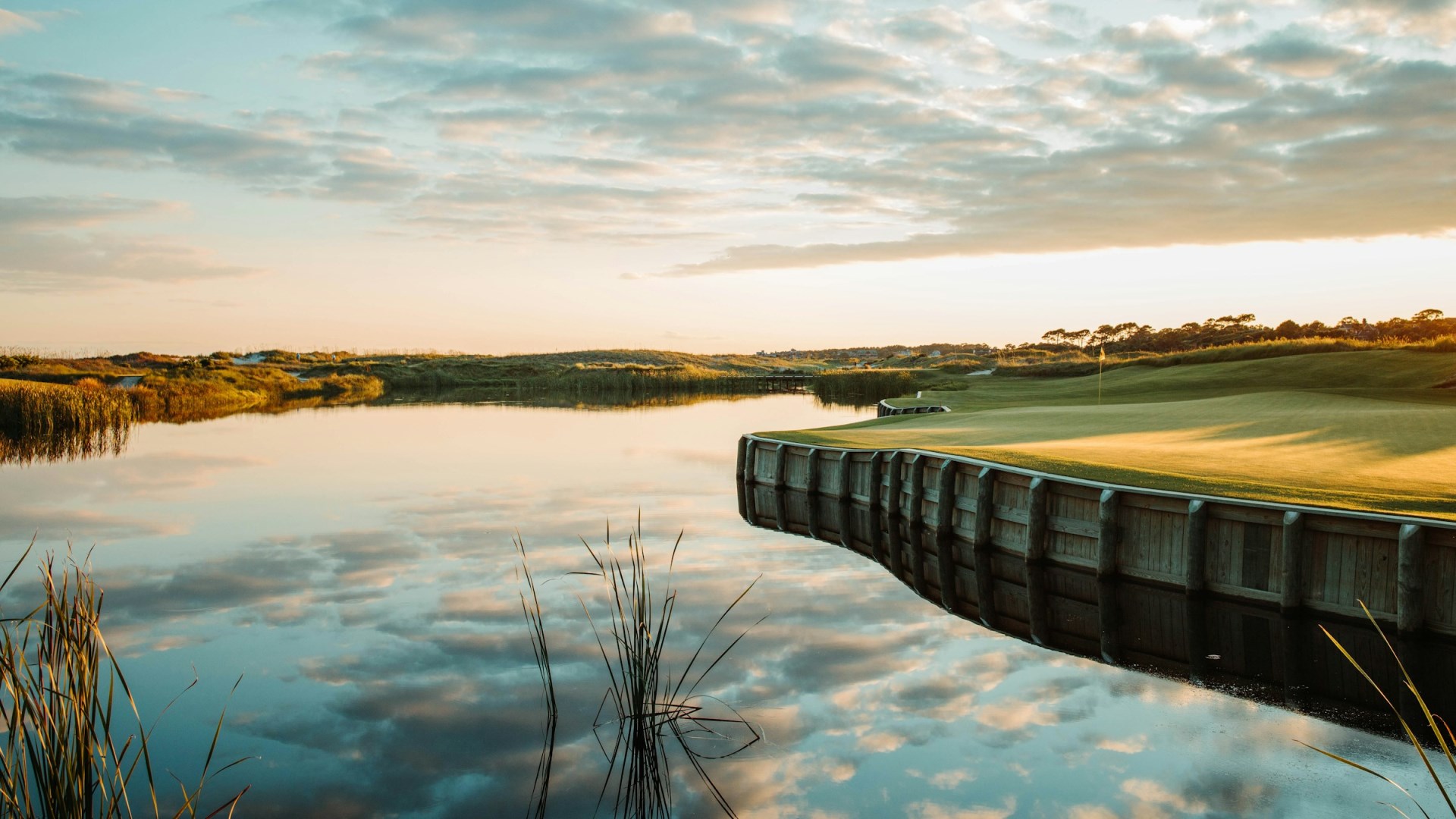
Kiawah Island
Kiawah Island boasts over 10 miles of wide, immaculate, ocean beach. Soothing by day, romantic by night, the beach is complimented by river, meandering lagoons, and pristine marshlands.

Los Cabos
Located on the southern end of Baja California Sur in Mexico, the Los Cabos municipality is a popular resort destination. Including the stunning city of Cabo San Lucas, Los Cabos offers spectacular beaches, panoramic ocean views, and a variety of fun activities, including golfing, hiking, and snorkeling.
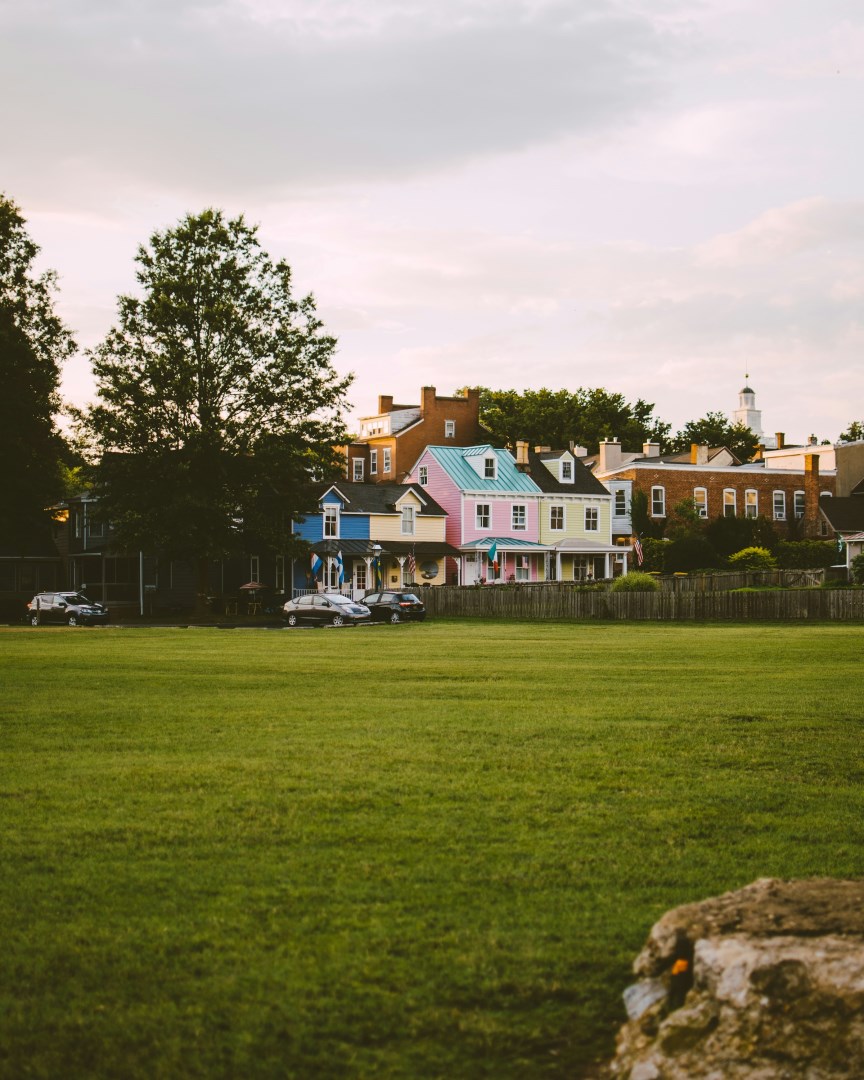
New Castle
New Castle, Delaware, is a hidden gem for history lovers and anyone seeking a picturesque, colonial-era experience along the Delaware River. Founded in 1651 by the Dutch, New Castle boasts an impressive collection of well-preserved 17th and 18th-century buildings that tell the story of early American history.
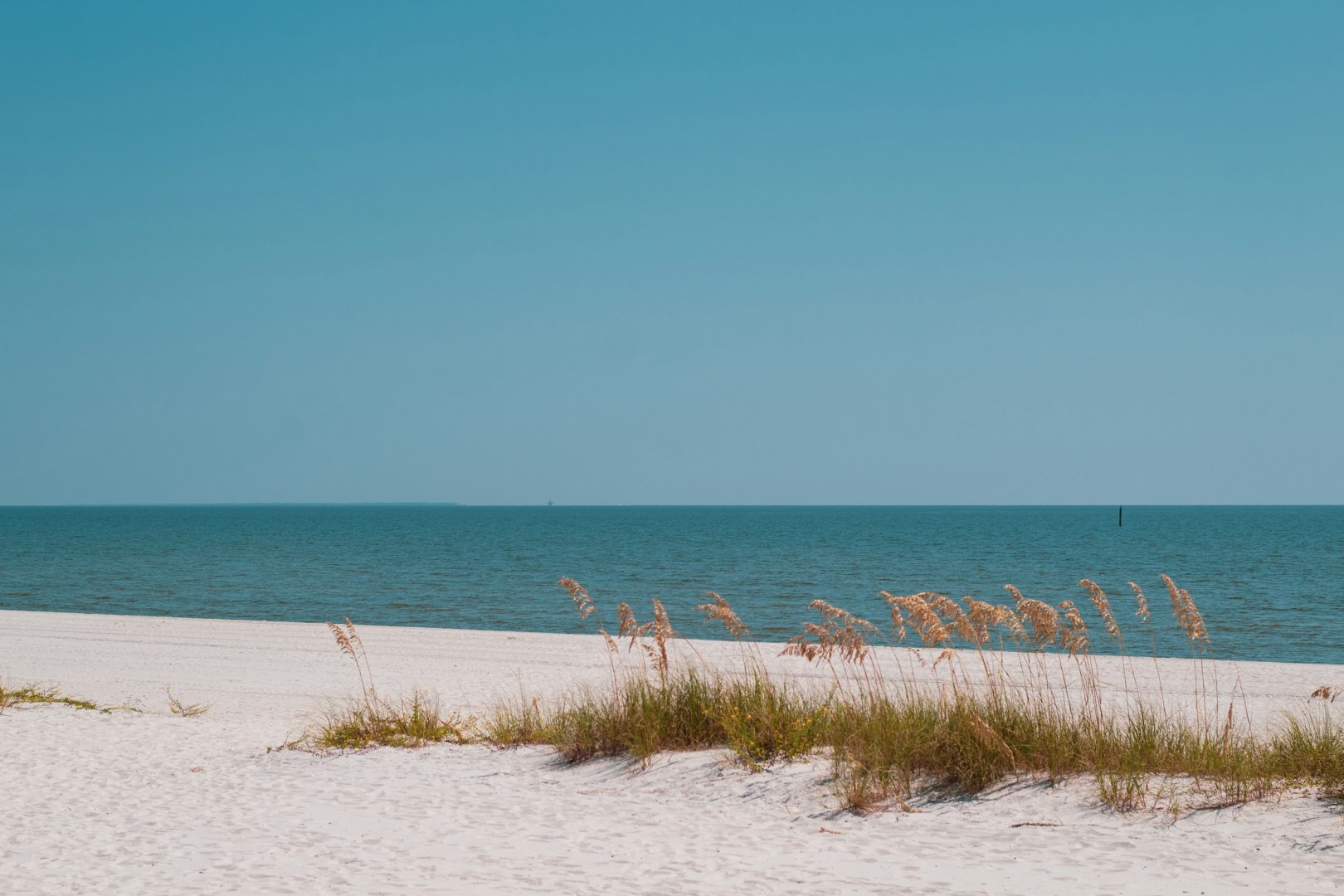
Biloxi
Biloxi is the oldest French settlement in the Mississippi Valley. The word "Biloxi" is Indian, and means "First People." Since the discovery, Biloxi has served under eight flags -- French, English, Spanish, West Florida Republic, Mississippi Magnolia, Confederate States, Mississippi State, and the United States.
