
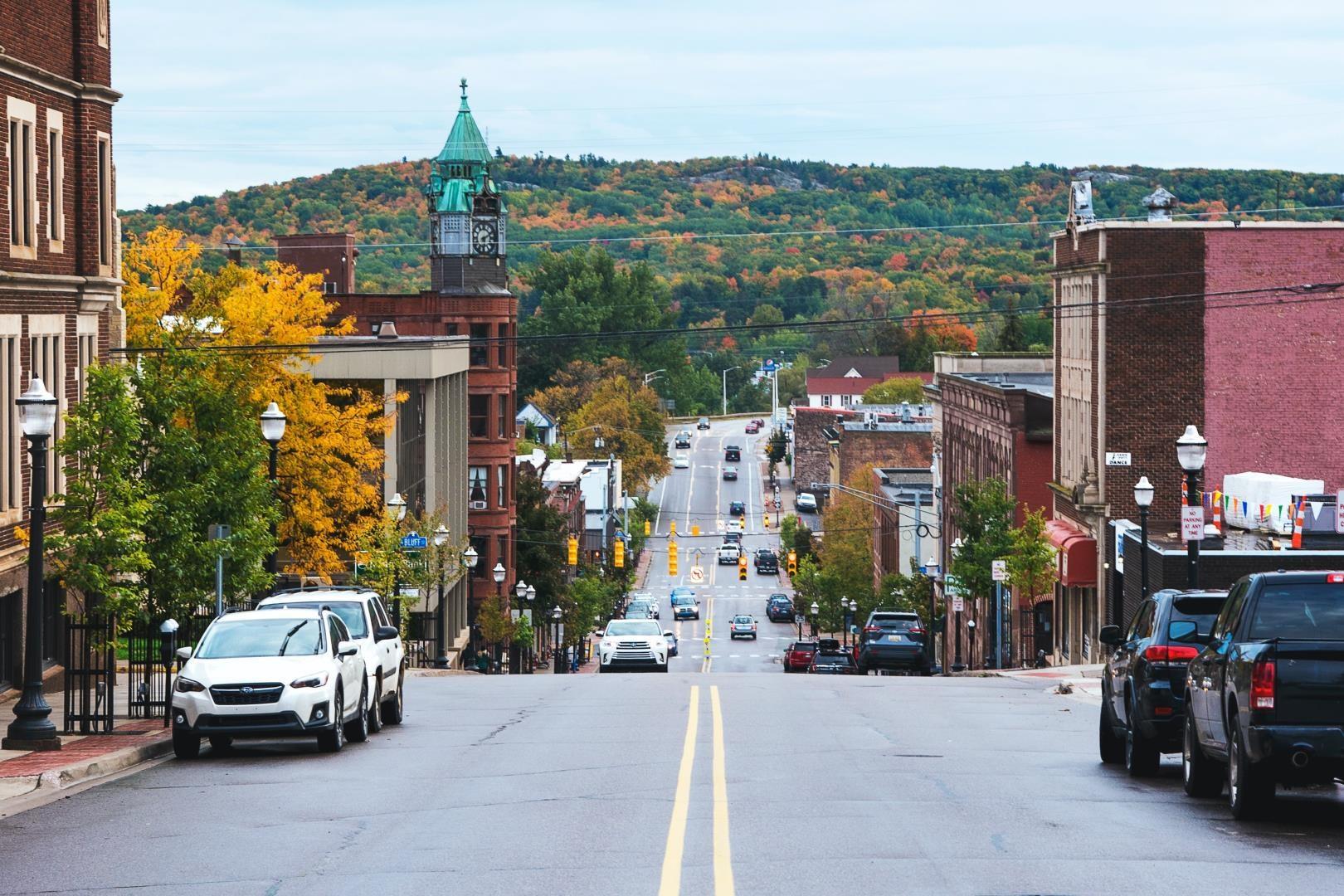
Marquette
West of Hiawatha National Forest, Marquette sits on the shore of Lake Superior and is the biggest city on Michigan's Upper Peninsula. Visit historic Marquette Harbor Lighthouse for spectacular panoramic views of Superior, or take advantage of snowy Marquette Mountain and a variety of winter sports at the height of Marquette's winter season.

Kingston
Kingston is Jamaica’s capital and largest city, occupying a broad coastal plain beneath the Blue Mountains and beside one of the Caribbean’s largest natural harbours. It is the country’s main center for government, business, education, music, art, and food, with neighborhoods ranging from historic downtown streets to the commercial districts of New Kingston and the hillside communities above the city.
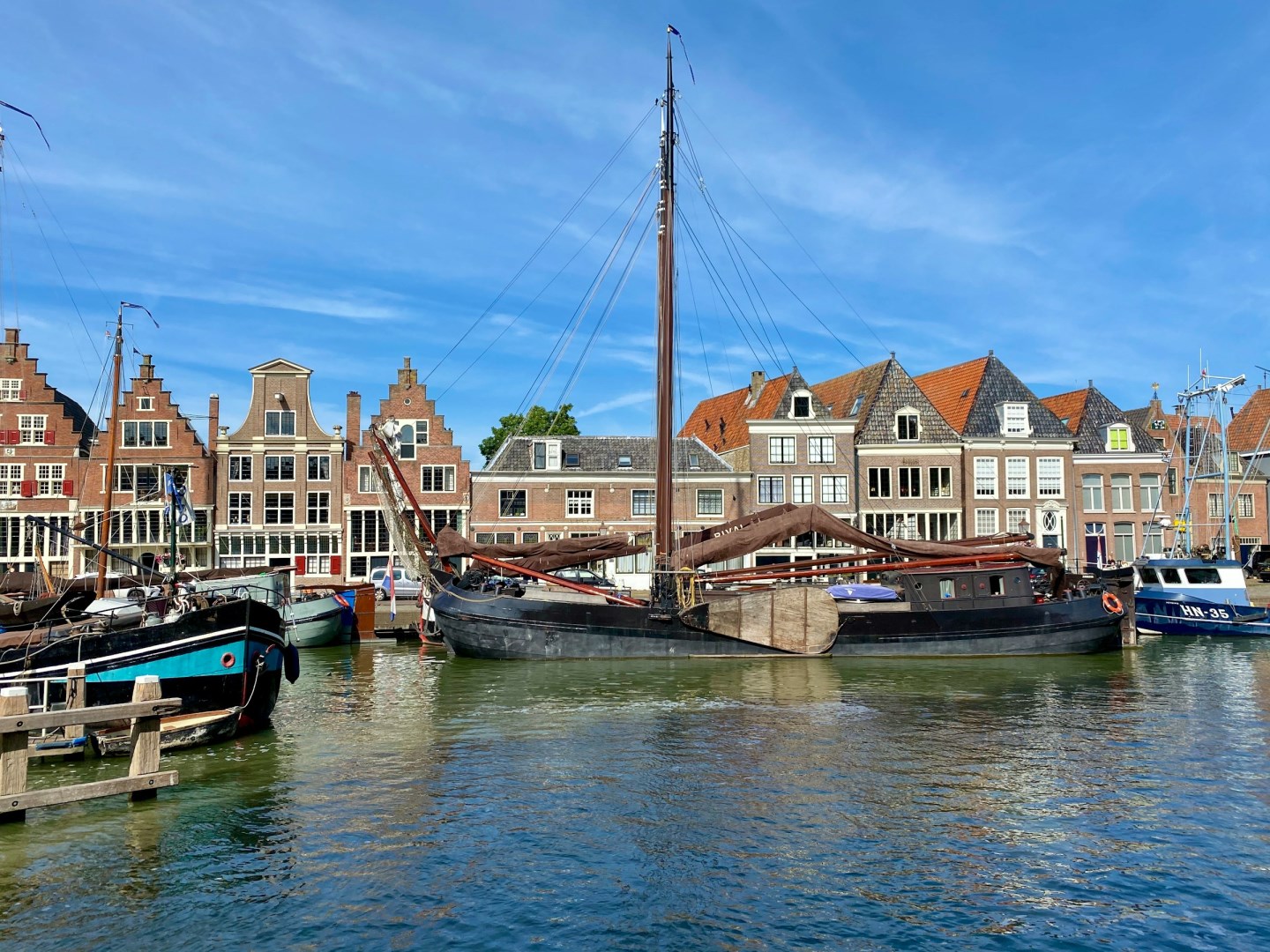
Hoorn
One of Holland's most charming sailing villages. The town is also known for its famous antique shops.
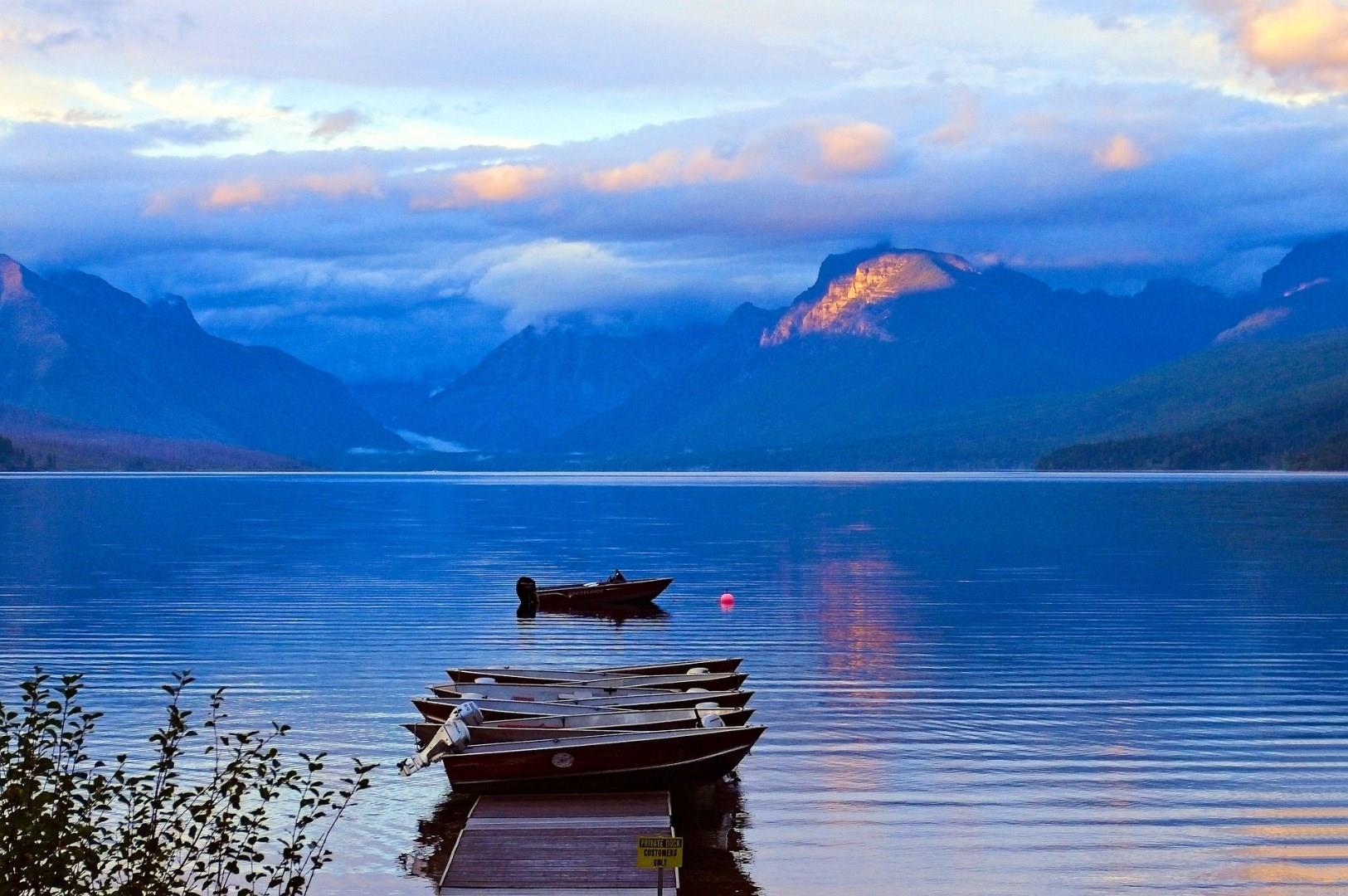
Lake McDonald
Lake McDonald, nestled within the heart of Glacier National Park, Montana, is a picturesque jewel that captivates visitors with its serene beauty and outdoor activities. As the largest lake in the park, Lake McDonald stretches over 10 miles (16 kilometers) long and is renowned for its crystal-clear waters, vibrant colors, and stunning backdrop of rugged mountains.
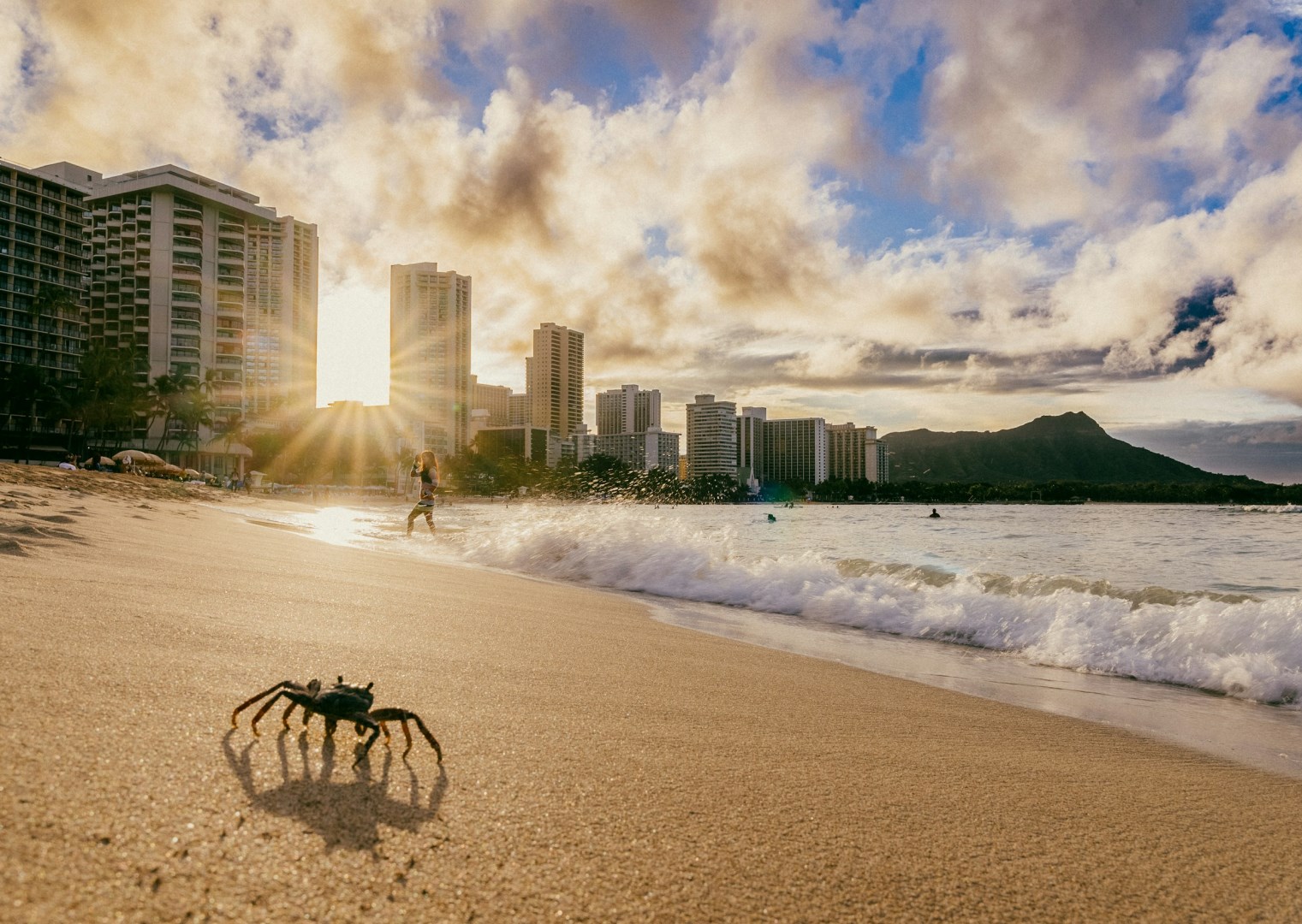
Waikiki, Oahu
Waikiki, located on the island of Oahu, is a world-renowned destination that perfectly captures the spirit of Hawaii. Known for its iconic crescent-shaped beach, warm turquoise waters, and vibrant nightlife, Waikiki is where Hawaiian royalty once surfed and relaxed, and it remains a hotspot for both relaxation and adventure today.
