
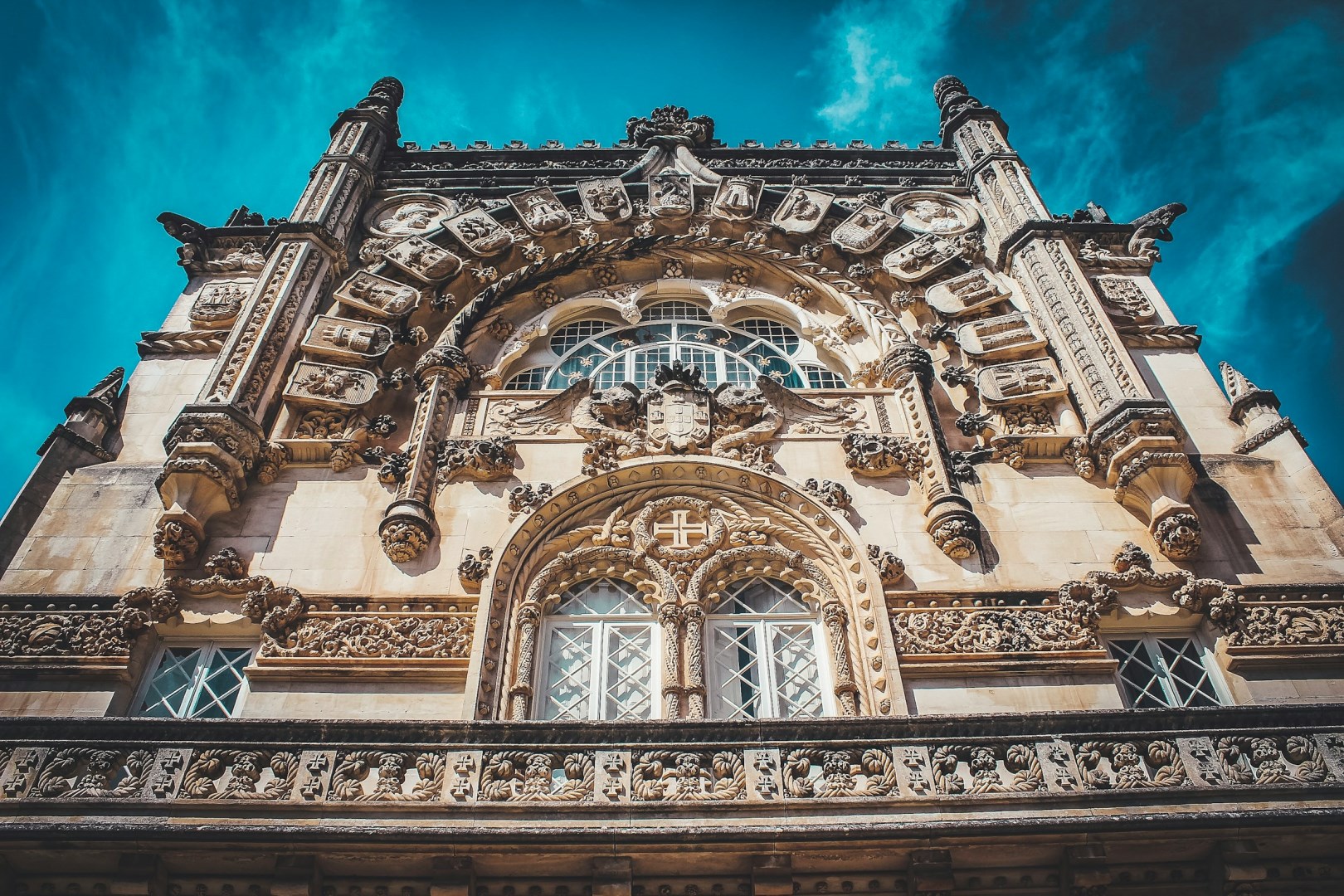
Portugal
Portugal offers a layered experience shaped by maritime history, deep-rooted traditions, and a coastline that stretches for nearly 1,800 kilometers. In Lisbon, the streets of Alfama wind uphill toward São Jorge Castle, where views of red-tiled rooftops and the Tagus River reveal how the city was rebuilt after the 1755 earthquake. Trams still clatter through narrow streets, and fado music, often performed in candlelit taverns, tells stories of longing and the sea.
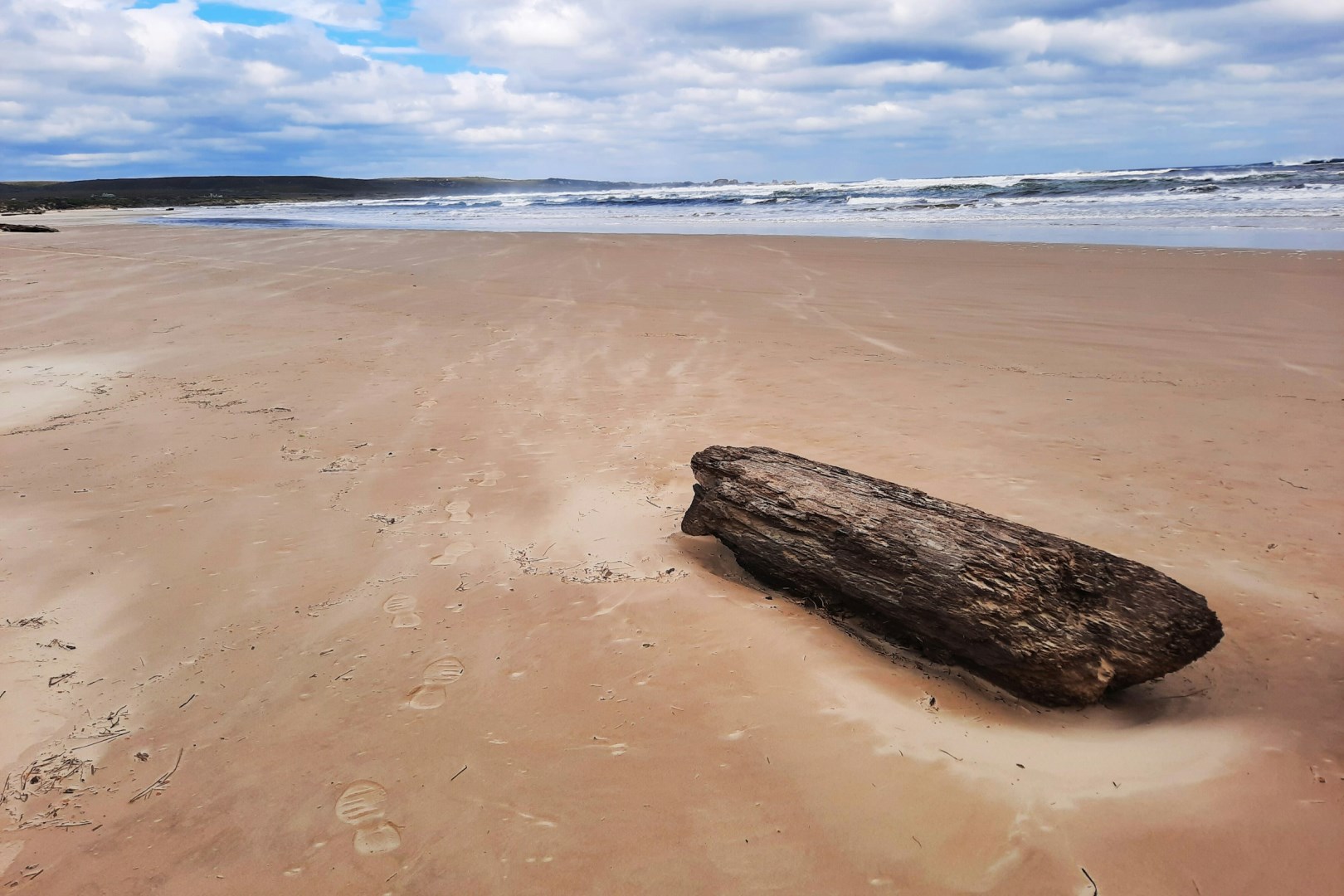
Corinna Tasmania
Corinna is a small, remote settlement on Tasmania’s west coast, set beside the dark waters of the Pieman River at the southern edge of takayna / Tarkine. Once a gold-mining settlement, it is now centred on a wilderness village surrounded by cool-temperate rainforest, rivers, and rugged country. Corinna has no mobile phone coverage and very limited supplies, giving it a distinctly secluded character.

Barcelona
To visit Barcelona is to embrace both the past and the future. There is much to do and see in this cosmopolitan capital of Catalonia, from medieval structures to beaches to UNESCO Heritage Sites by Antoni Gaudí and Lluís Doménech i Montaner.
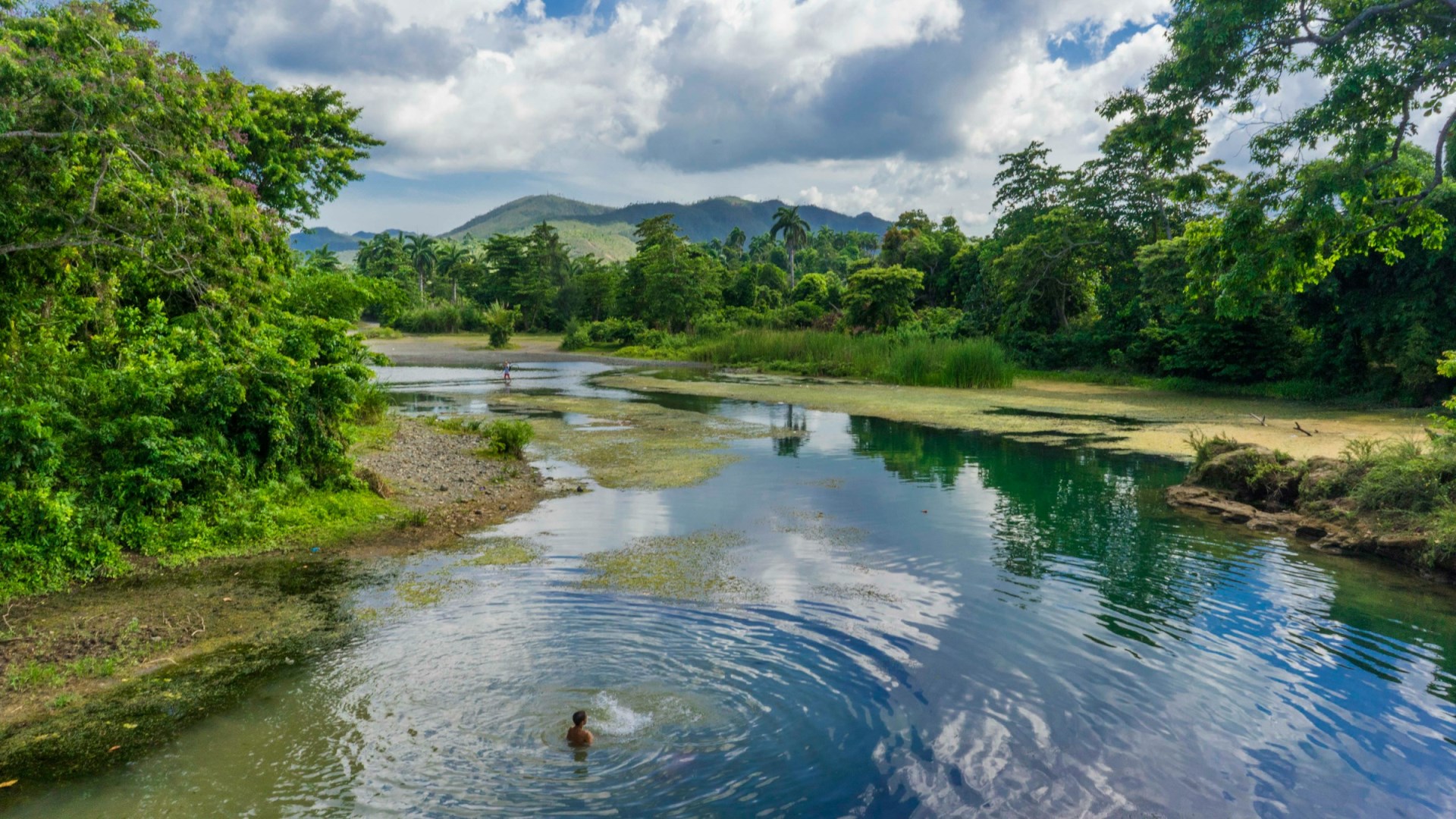
Baracoa
Baracoa is a historic coastal city in eastern Cuba, set between the Caribbean Sea and the forested mountains of the Cuchillas del Toa region. Often described as Cuba’s first Spanish-founded villa, it occupies a sheltered bay beneath the distinctive flat-topped El Yunque mountain, which has become a symbol of the city.
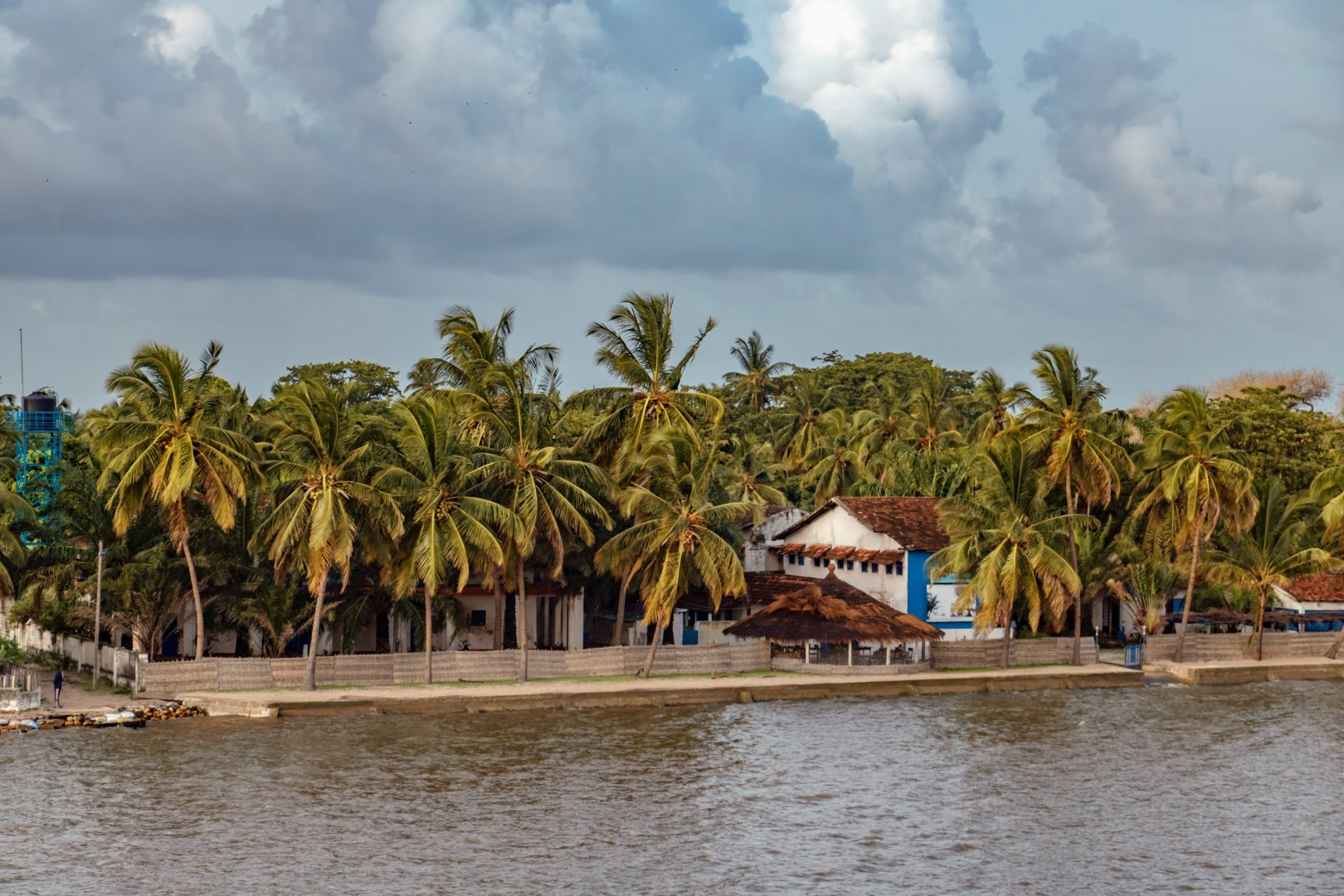
Ziguinchor
Ziguinchor is the regional capital of Casamance in southern Senegal, situated along the Casamance River in a landscape of waterways, mangroves, palm groves, rice fields, and wooded areas. Its riverfront setting gives the city a character that differs from the drier regions farther north. Ziguinchor is an important commercial and transport center for Casamance, with connections by road and river to communities throughout the region.
