

Novi Sad
Novi Sad, Serbia’s second-largest city, sits along the banks of the Danube River and has long served as a cultural meeting point in the Balkans. Its centerpiece is Petrovaradin Fortress, a massive 18th-century stronghold nicknamed the "Gibraltar on the Danube." The fortress is known not just for its historic architecture but also for its network of underground tunnels and the iconic clock tower where the hands are reversed, meaning the large hand shows the hour.
Rio Dulce
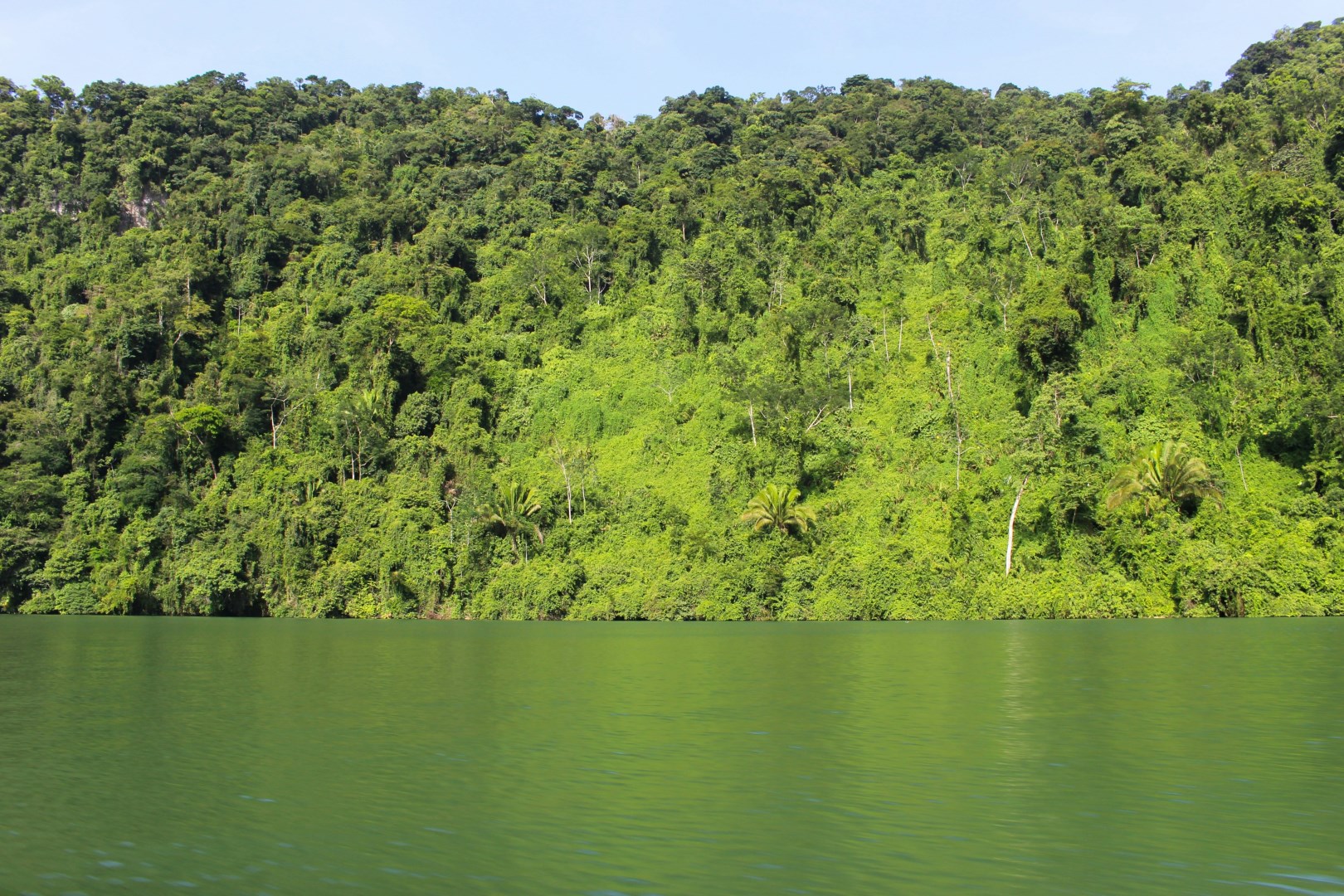
Rio Dulce is a river region in eastern Guatemala that connects Lake Izabal to the Caribbean Sea. The area is centered around the town of Fronteras and the long waterway that cuts through tropical forest, limestone cliffs, and wetland habitats.
Marken
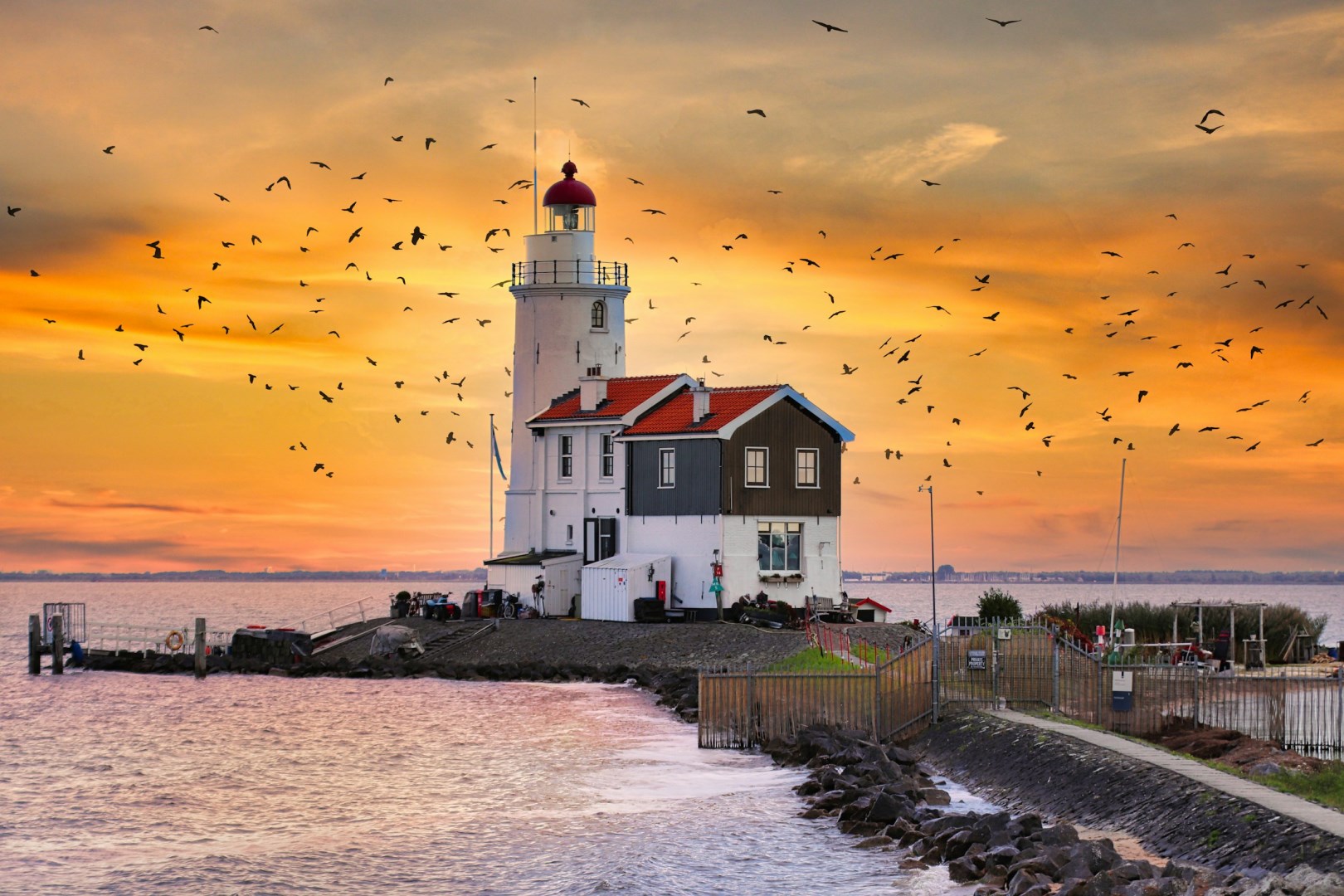
An island in the Iisselmeer until 1957 when it was linked to the mainland by a dike. Its unique houses are painted deep green and built on stilts to protect them against the raging sea.

Bayonne
Bayonne, nestled in the heart of France's Basque Country, offers a delightful blend of history, culture, and gastronomy. This charming city, with its half-timbered houses and narrow cobbled streets, sits at the confluence of the Nive and Adour rivers, creating a picturesque setting that invites leisurely exploration. The Gothic Bayonne Cathedral, a UNESCO World Heritage Site offers stunning views and an opportunity to admire its breathtaking 13th-century architecture.
Ogden
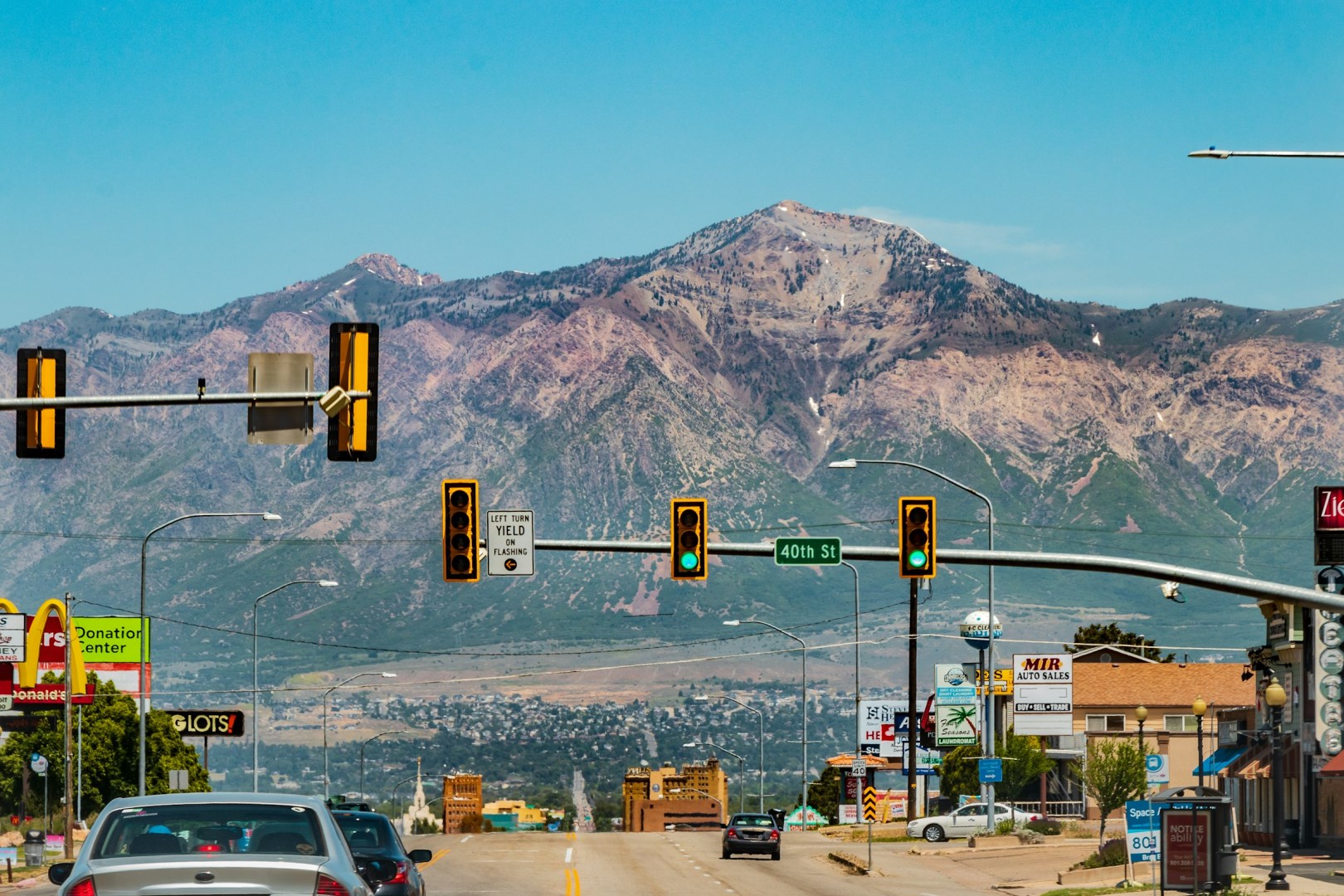
Ogden, city, seat of Weber County, northern Utah, at the confluence of the Ogden and Weber rivers, near Salt Lake City; incorporated 1851. It is an industrial and transportation center. Major manufactures include aerospace equipment, high-technology products, and motor-vehicle products. Construction, tourism, Hill Air Force Base, and the Ogden Defense Depot are of economic importance. Ogden is the site of Weber State University (1889); the Ogden Tabernacle and Temple; the Daughters of Utah Pione
