
Kumai
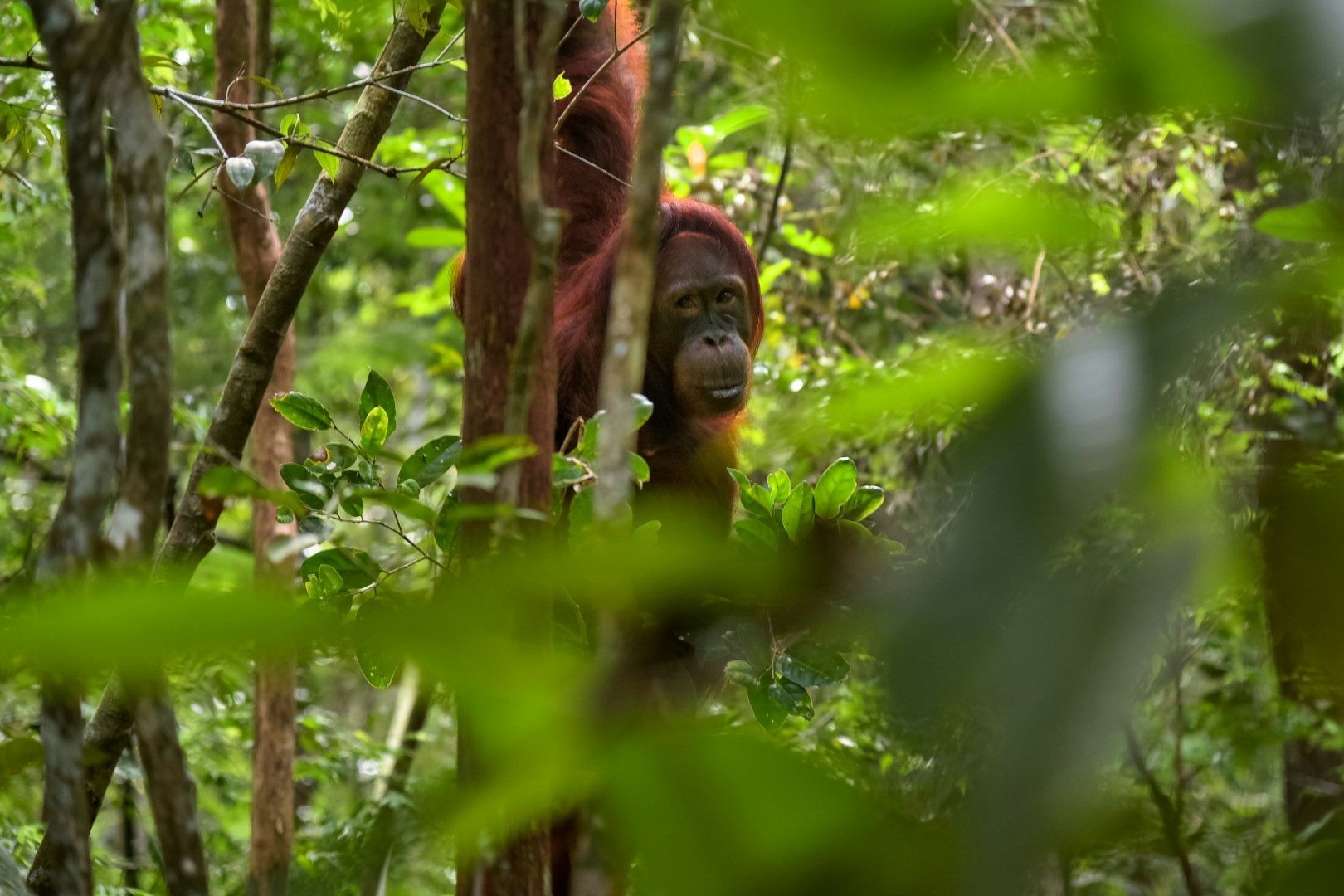
Kumai is an Indonesian port city, at the southern end of the island of Borneo. Its main tourist draws include the Patih Mamband waterfall, a popular area for diving and fishing; several white sand beaches; and the Tanjung Puting National Park, best known for its wildlife. It is also home to Camp Leakey, a research center focusing mainly on orangutans, gibbons, and the proboscis (or long-nosed)monkeys endemic to the island.

Las Vegas
Las Vegas, Nevada, is an electrifying city where glitz and glamour meet entertainment and excitement. Known as "The Entertainment Capital of the World," Las Vegas offers an unparalleled array of attractions, from its iconic casinos and luxurious hotels to its world-class dining and live shows. The city's entertainment scene is second to none, featuring legendary headliners, cutting-edge performances, and an array of themed attractions.

Tallinn
From grand castles to resplendent cathedrals, Tallinn’s Old Town neighborhood, a UNESCO World Heritage Site, is the perfect place to begin exploring. Enter through Viru Väravad, or Viru Gate, the former fortress whose remaining two towers beckon you into the heart of the city.
Rockland
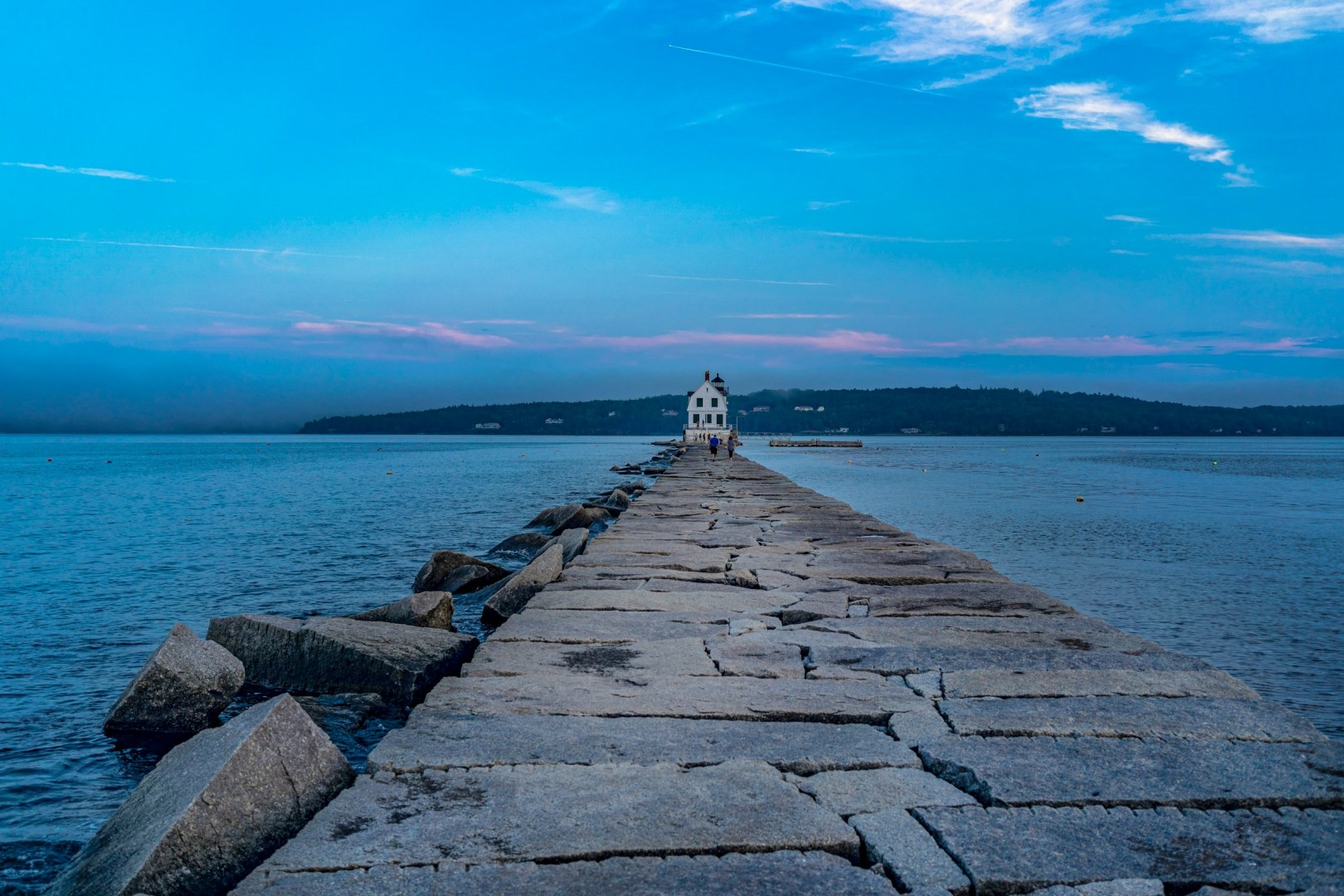
Rockland is a coastal city in Maine on the western shore of Penobscot Bay, known for its working harbor, maritime industries, and connection to the surrounding Midcoast landscape. The city developed around shipbuilding, fishing, lime production, and coastal trade, and its waterfront remains an important part of daily life. Rockland Harbor is sheltered by islands and peninsulas, with commercial fishing boats, pleasure craft, and passenger vessels using its waters.
Dordogne
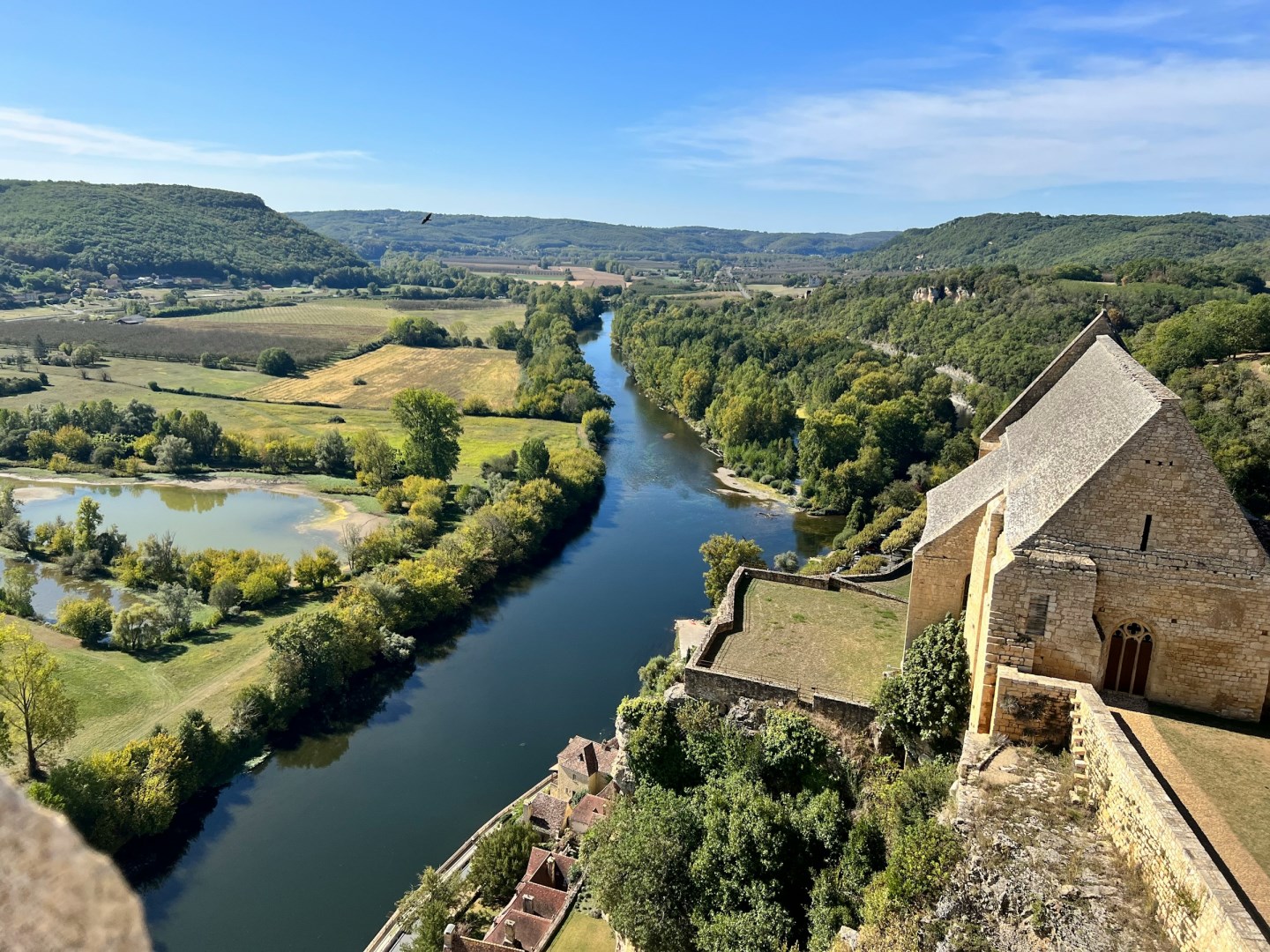
The British have long been associated with the Dordogne Valley. Fertile and green, this is where the 100 Year's War was fought. Many of the castles and "Bastides" were built by the British. The French say it is the land with "a little bit of everything", from a gentle river to lush pastures to wonderful wineries.
