

Monteverde
Monteverde, located in the Tilarán Mountains of northwestern Costa Rica, is known for its cloud forests, winding trails, and biodiversity that has drawn researchers and travelers for decades. The area was settled in the 1950s by Quakers from the United States who were looking for a peaceful place to raise dairy cattle. They also played a major role in preserving the local ecosystem, helping to establish the Monteverde Cloud Forest Reserve in 1972.

Bimini Islands
The Bimini Islands, the westernmost point of the Bahamas, are a tiny chain of islands steeped in history, legend, and natural wonder. Bimini has long been celebrated as the “Gateway to the Bahamas,” blending fishing traditions, maritime lore, and a laid-back island culture.
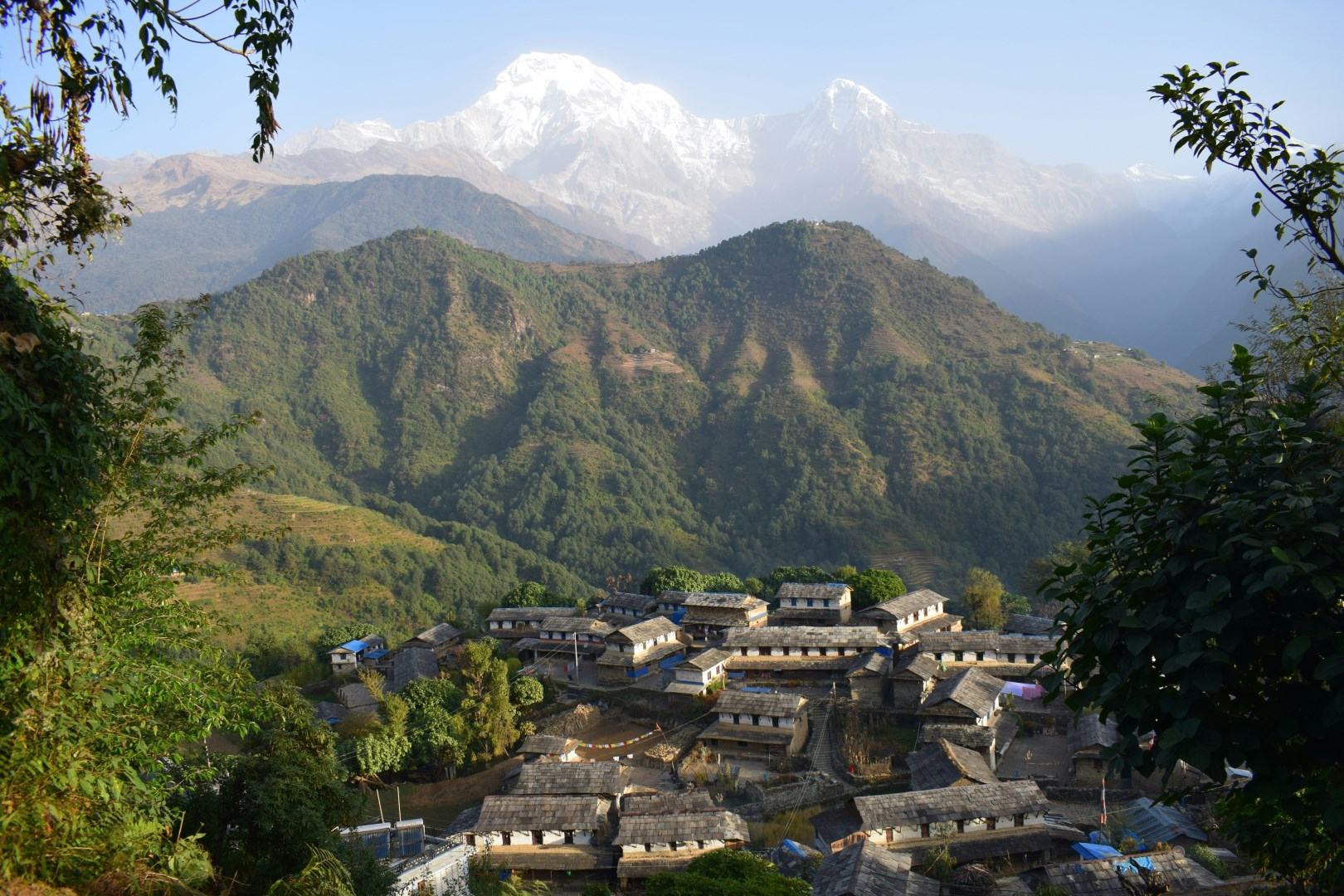
Ghandruk
Ghandruk is a mountain village in Nepal’s Annapurna region, located on terraced hillsides overlooking the Modi Khola Valley. The village is widely recognized for its stone houses, slate roofs, and panoramic views of peaks.

Lille
Lille, the lively capital of France’s Hauts-de-France region, is a city where Flemish charm meets French sophistication. Once an important industrial hub, Lille has reinvented itself as a cultural and artistic center without losing its historic character.
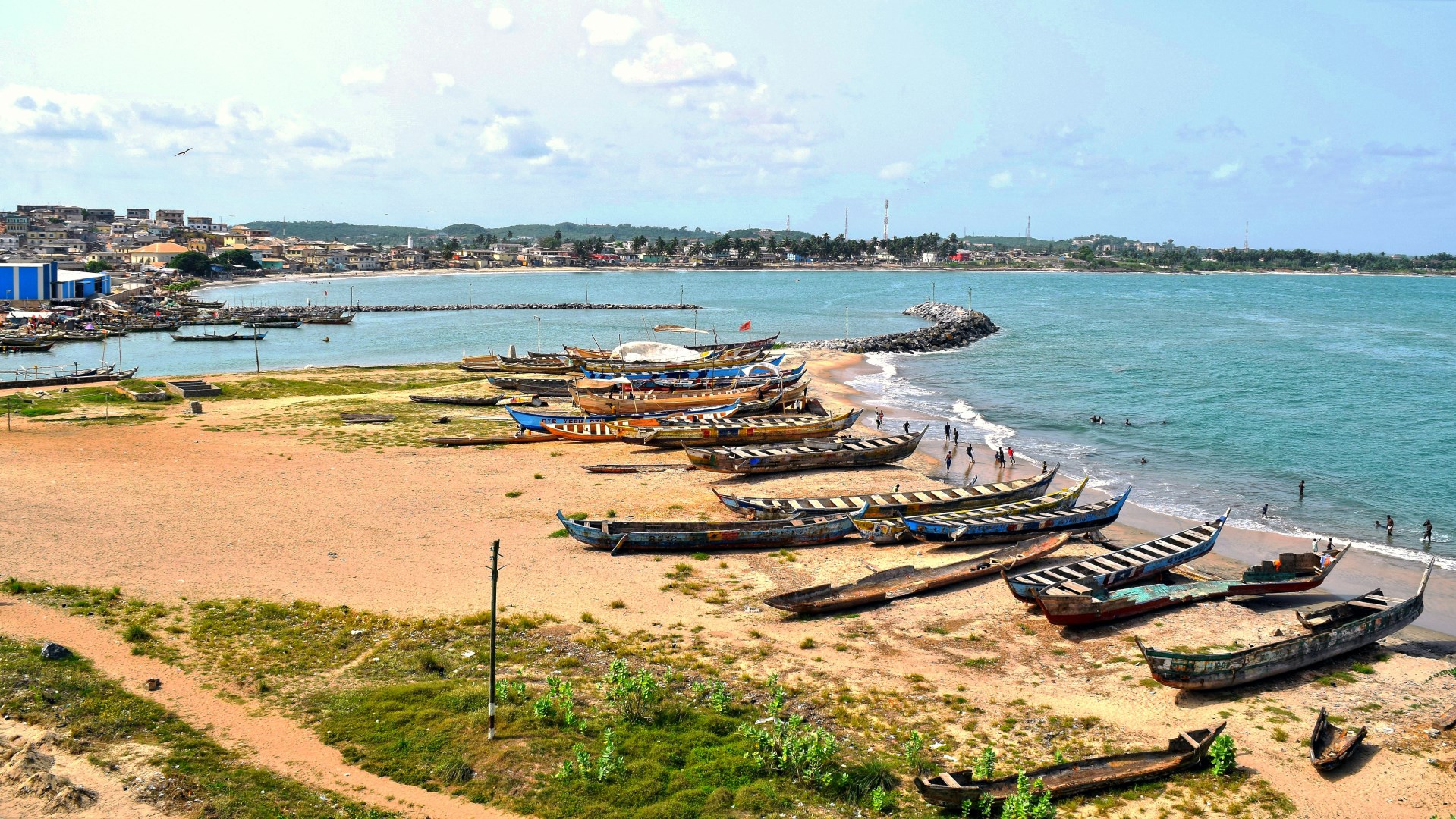
Elmina
Elmina is a coastal town in southern Ghana, located along the Gulf of Guinea in the Central Region. The town is closely tied to the Atlantic fishing industry, with large numbers of brightly painted wooden canoes lining the shoreline each morning.
