
Bay of Fires
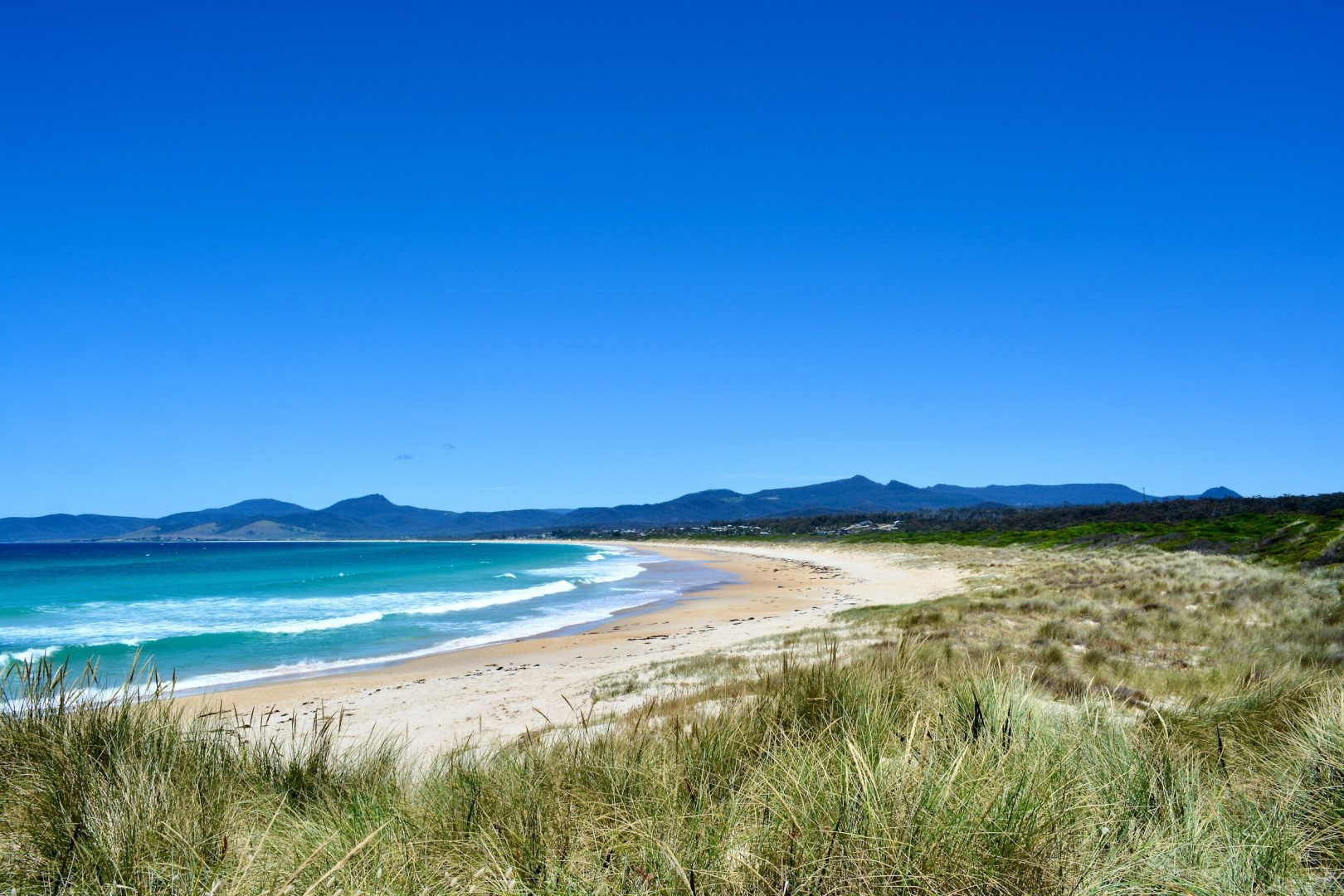
Bay of Fires is a coastal region on Tasmania’s north-east coast, extending from Binalong Bay in the south to larapuna/Eddystone Point in the north. It is recognized for white sandy beaches, clear blue water, and granite rocks marked by orange lichen. The Bay of Fires Conservation Area includes beaches, rocky headlands, coastal heath, dry forest, and sheltered bays
Guyana
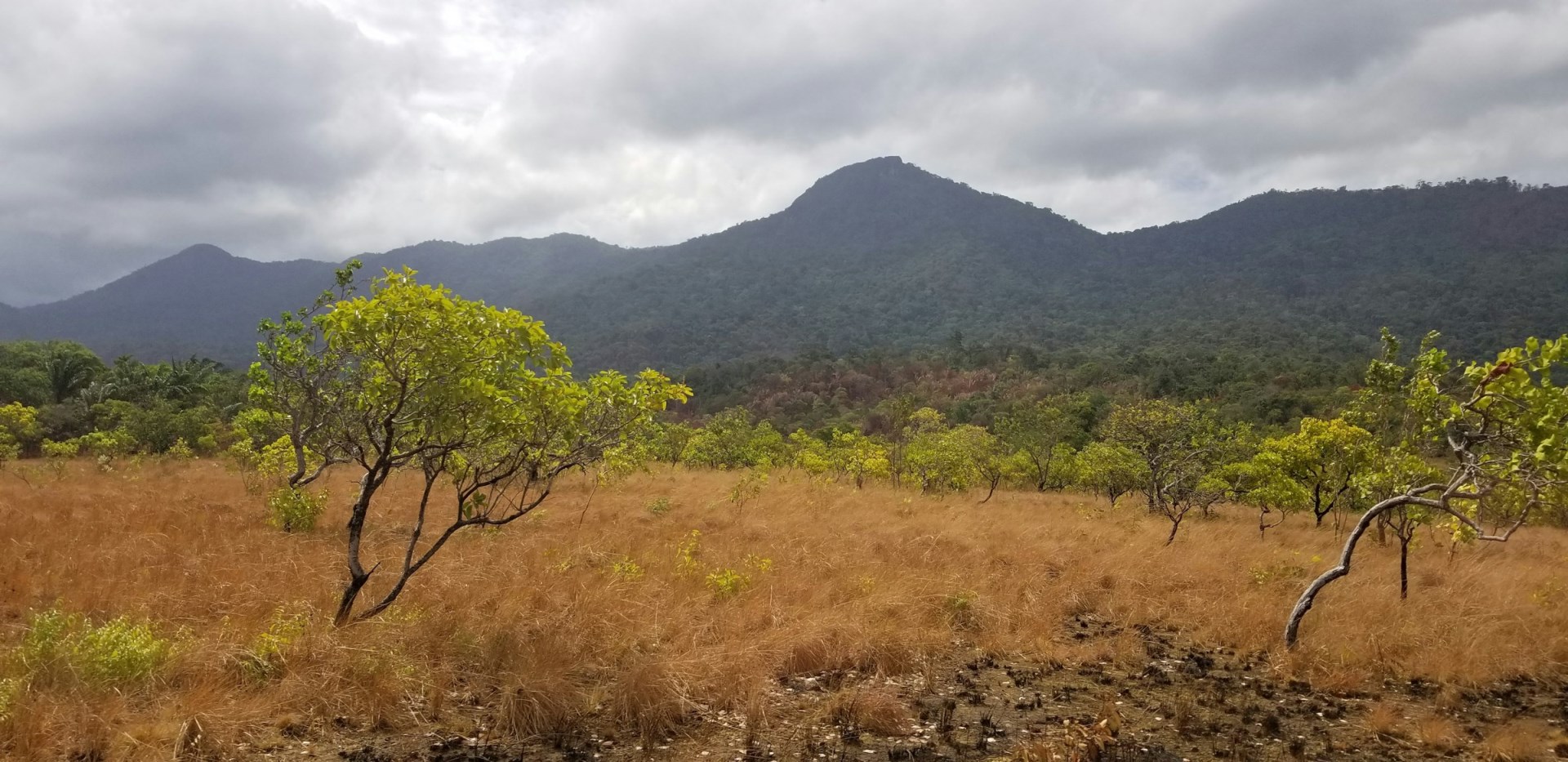
Guyana, perched on South America’s northern coast, is often overlooked by mass tourism, but those who venture here quickly discover a country defined by its wild landscapes and strong cultural identity. As the only English-speaking country on the continent, it offers travelers a smoother entry into South America while maintaining a distinct Caribbean rhythm.
Volubilis
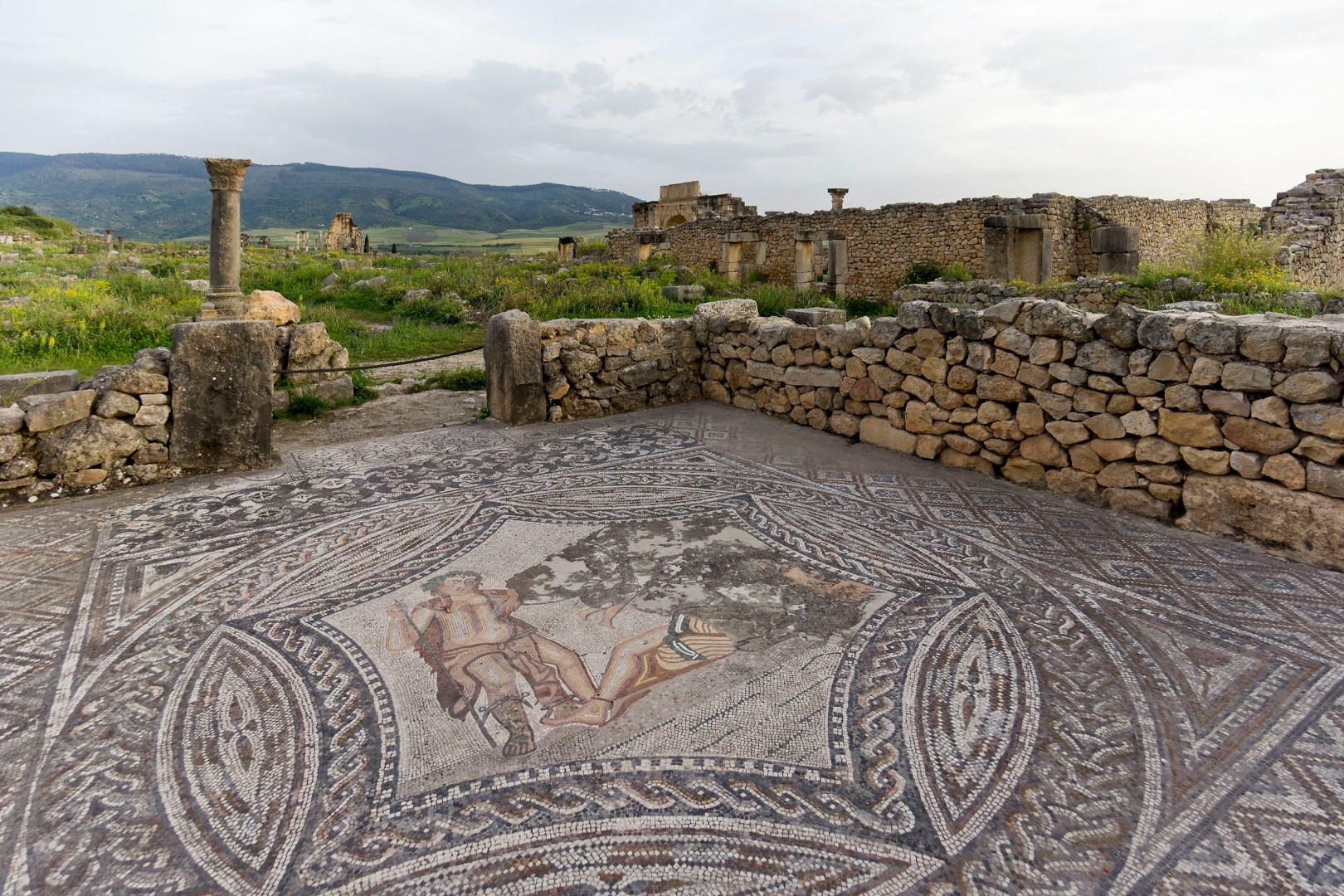
Volubilis is an extensive archaeological site in northern Morocco, located near the pilgrimage town of Moulay Idriss Zerhoun and surrounded by fertile farmland at the foot of Jbel Zerhoun. The ruins represent one of the country’s most important ancient urban sites, with temples, public buildings, residences, defensive walls, and elaborate mosaic floors spread across a broad hillside. Its location overlooking the surrounding agricultural plain helps explain the settlement’s importance.
Cebu
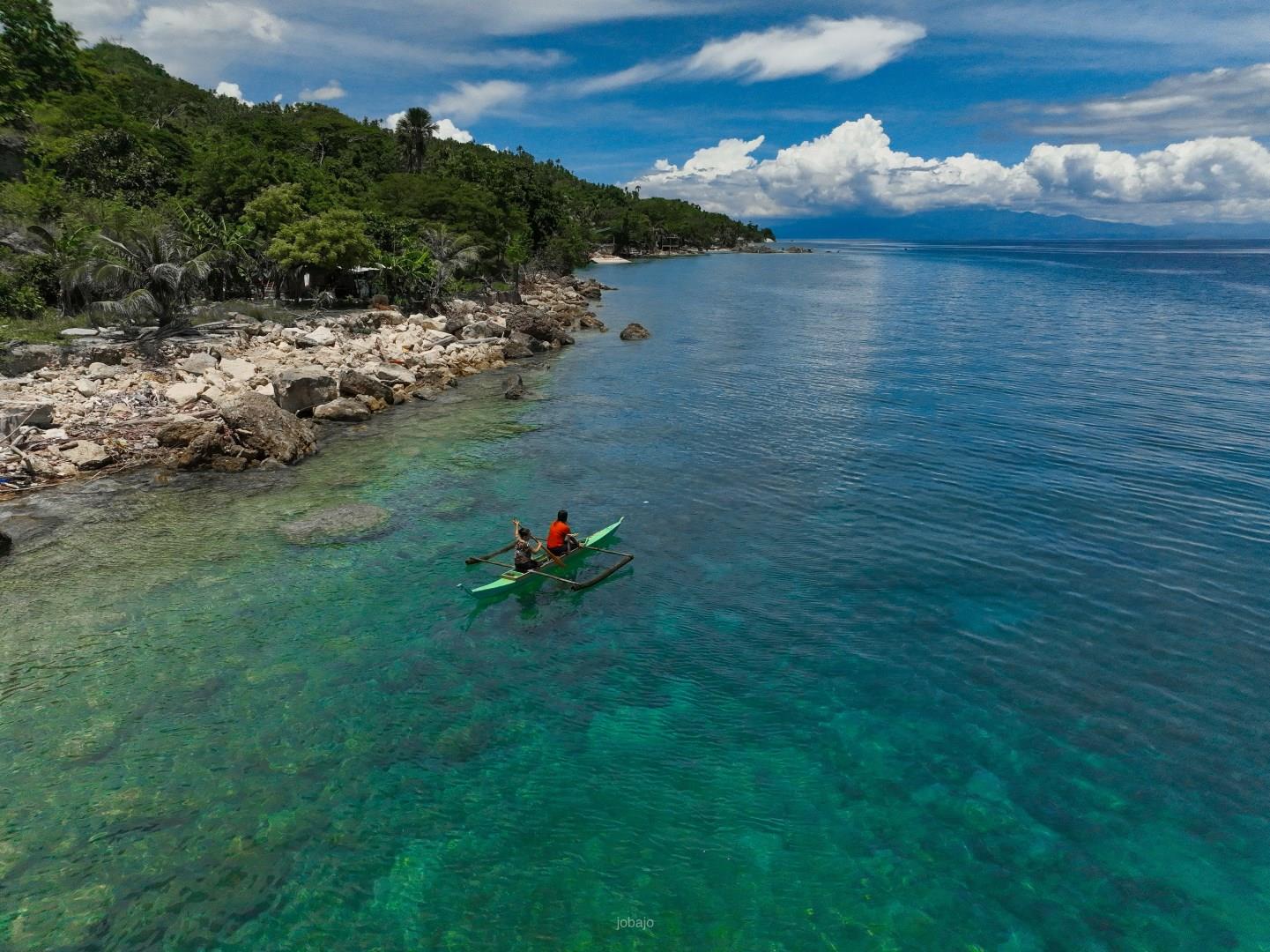
Cebu sits at the center of the central Philippines, shaped by seafaring trade and early colonial contact. It was here that Spanish rule first took hold in the 16th century, leaving a legacy visible in churches, street patterns, and long-standing ties to Catholic tradition.
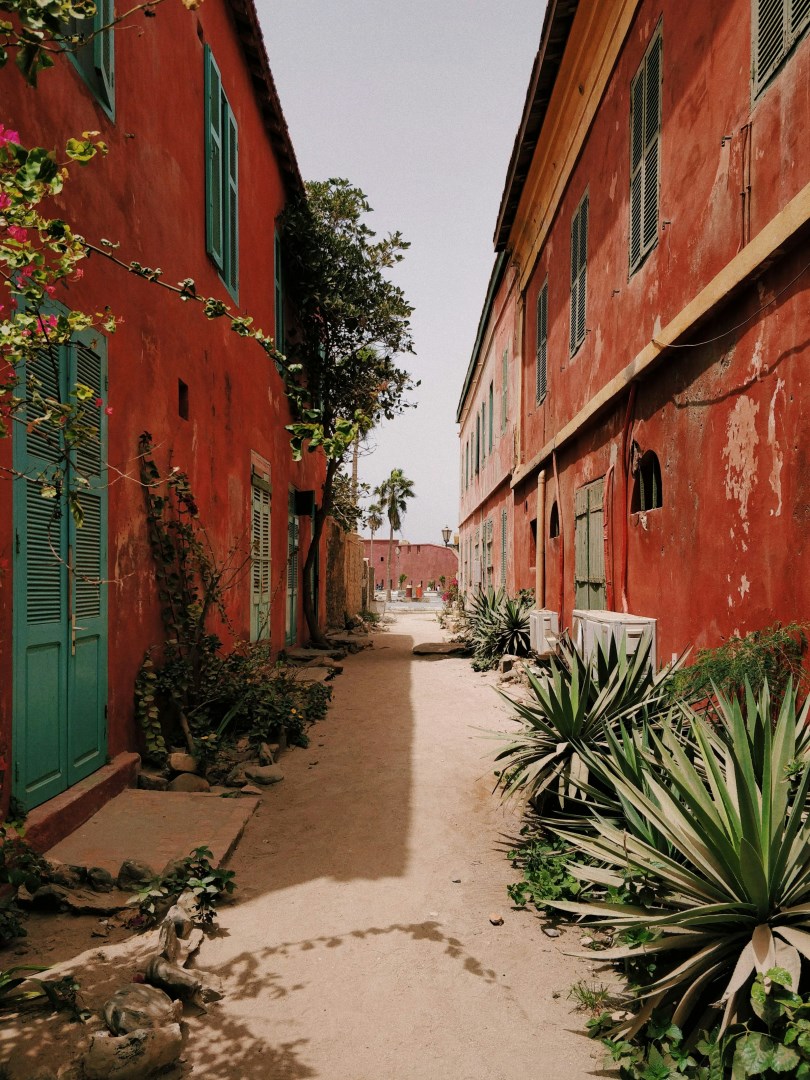
Gorée
Gorée is a small island off the coast of Dakar, known for its preserved architecture and its central place in Senegal’s history of the Atlantic slave trade. Its narrow streets, pastel-colored buildings, courtyards, and waterfront create a compact historic landscape that contrasts with the modern capital across the water. The island is part of a UNESCO World Heritage Site and is regarded as an important place of memory for the African diaspora.
