

Pécs
Pécs, Hungary, is a city that seamlessly blends history, culture, and a vibrant modern atmosphere. Nestled at the foot of the Mecsek Mountains in southern Hungary, Pécs boasts a rich heritage that dates back over 2,000 years. Visitors are often captivated by the city’s unique blend of Roman, Ottoman, and Hungarian influences.
Sunset Key
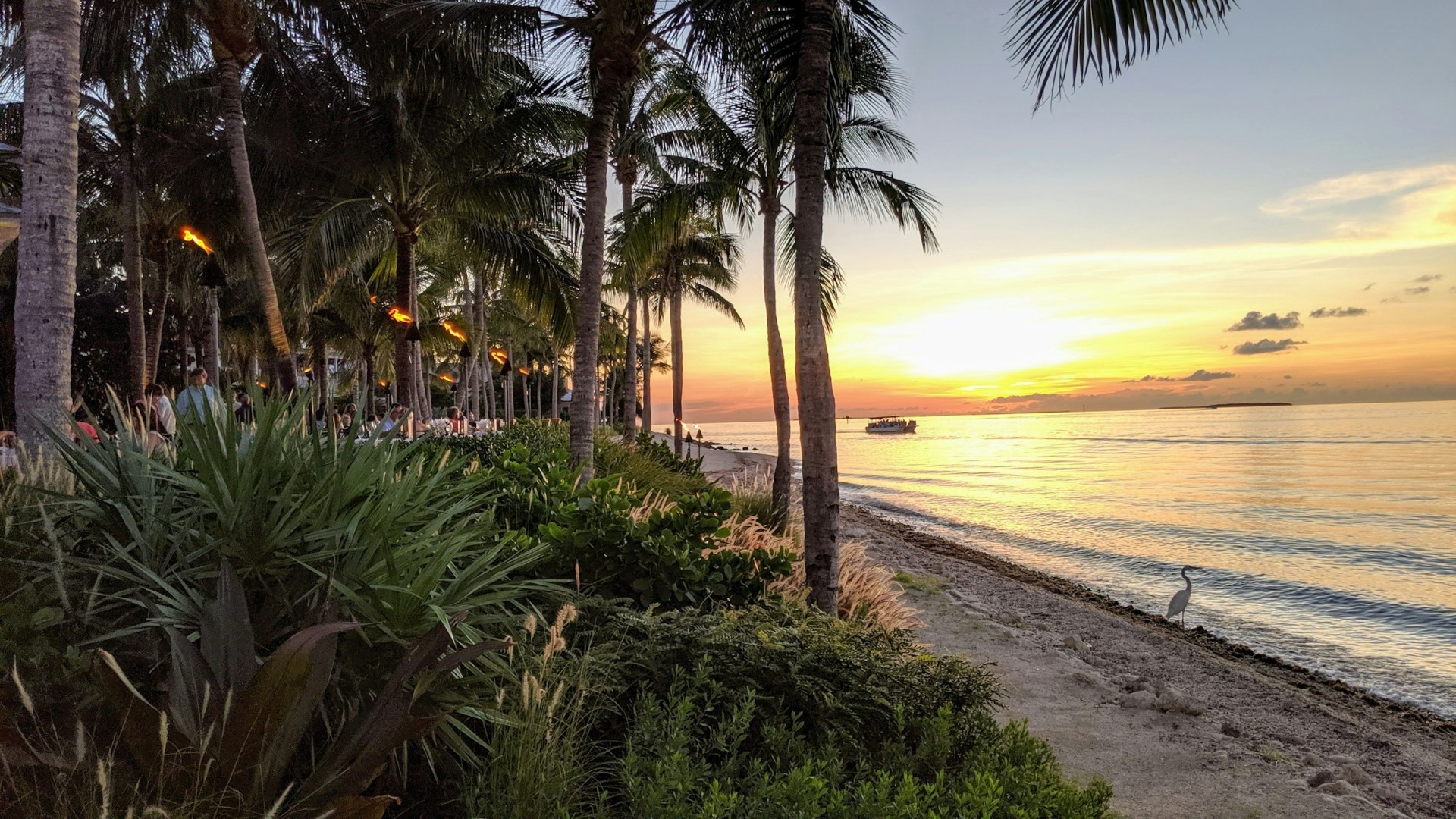
Sunset Key is a small private island just offshore from Key West in the Florida Keys, offering a quieter setting surrounded by the Gulf of Mexico. The island is centered on residential properties and the Sunset Key Cottages resort, with white-sand beaches, palm trees and low-rise buildings arranged along brick-paved paths. Access is by boat from Key West, giving the island a distinct separation from the busy streets of the city. Its compact size and waterfront setting make Sunset Key notably dif
Staniel Cay
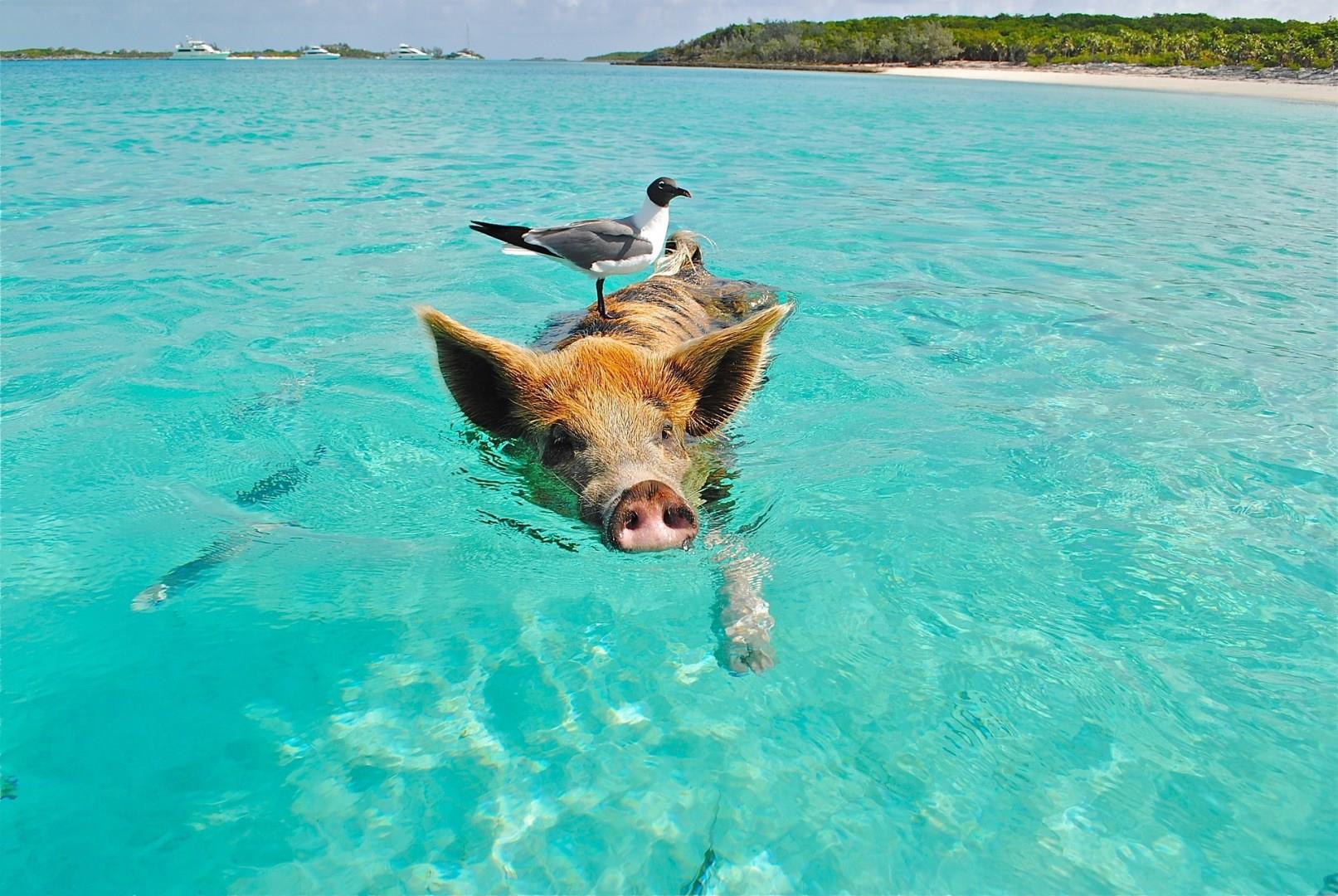
Staniel Cay is a small island in the Exuma Cays of The Bahamas, surrounded by clear shallow waters, coral reefs, sandy beaches, and numerous nearby cays. The island covers less than two square miles and has a small Bahamian village on its western shore. Its position makes it a useful base for exploring the surrounding Exumas by boat, while a local airstrip provides another way to reach the island.
Labadee
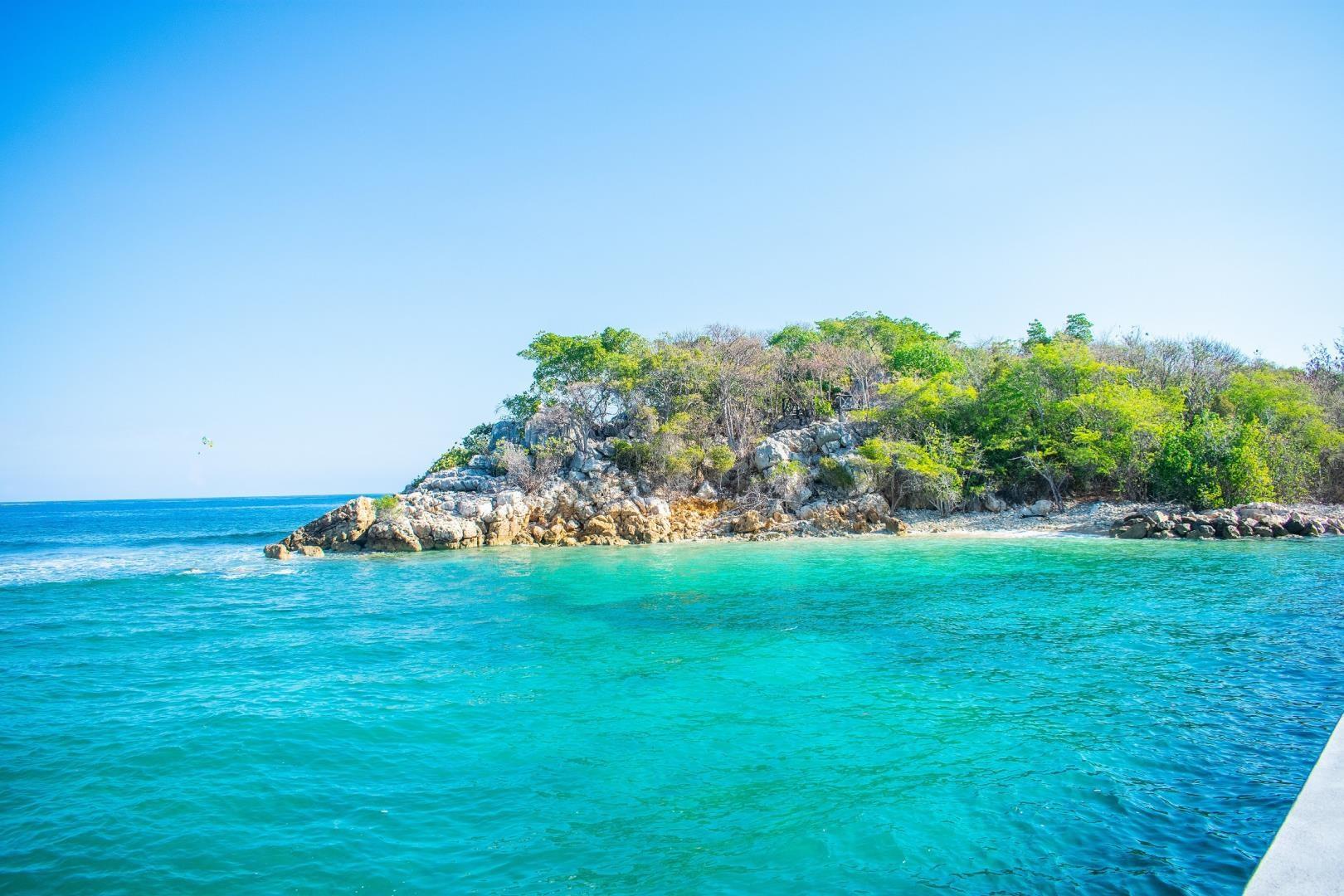
Labadee, a private peninsula on Haiti’s northern coast, is an exclusive destination for Royal Caribbean cruise guests. Surrounded by dramatic green mountains and the sparkling waters of the Caribbean Sea, it offers a mix of natural beauty and curated resort-style amenities.
Tenby
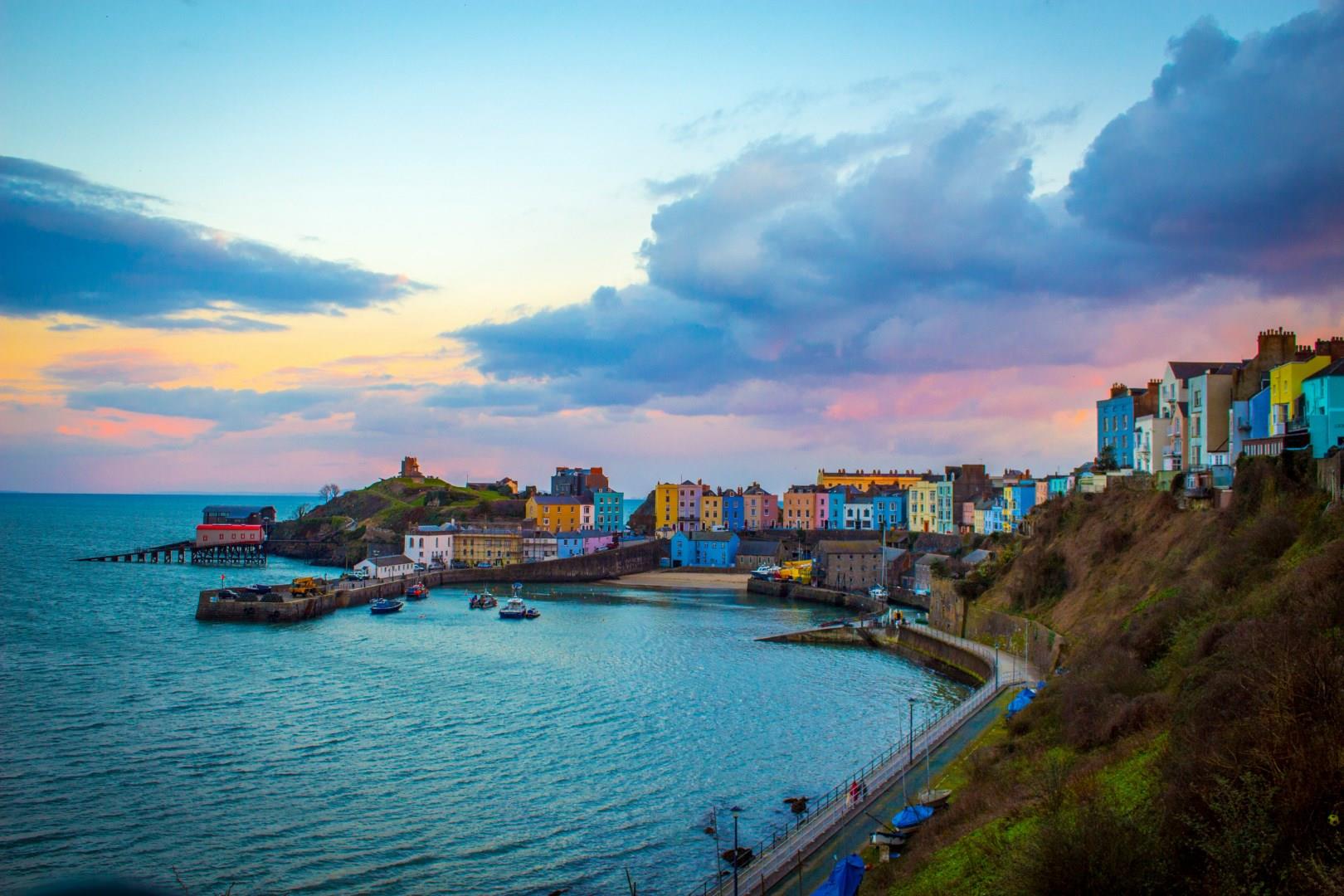
Tenby sits on the Pembrokeshire coast of southwest Wales, where medieval walls still encircle a compact town above the sea. Its history as a fortified port is visible in stone ramparts, narrow lanes, and the ruins of Tenby Castle, which overlook the harbor.
