
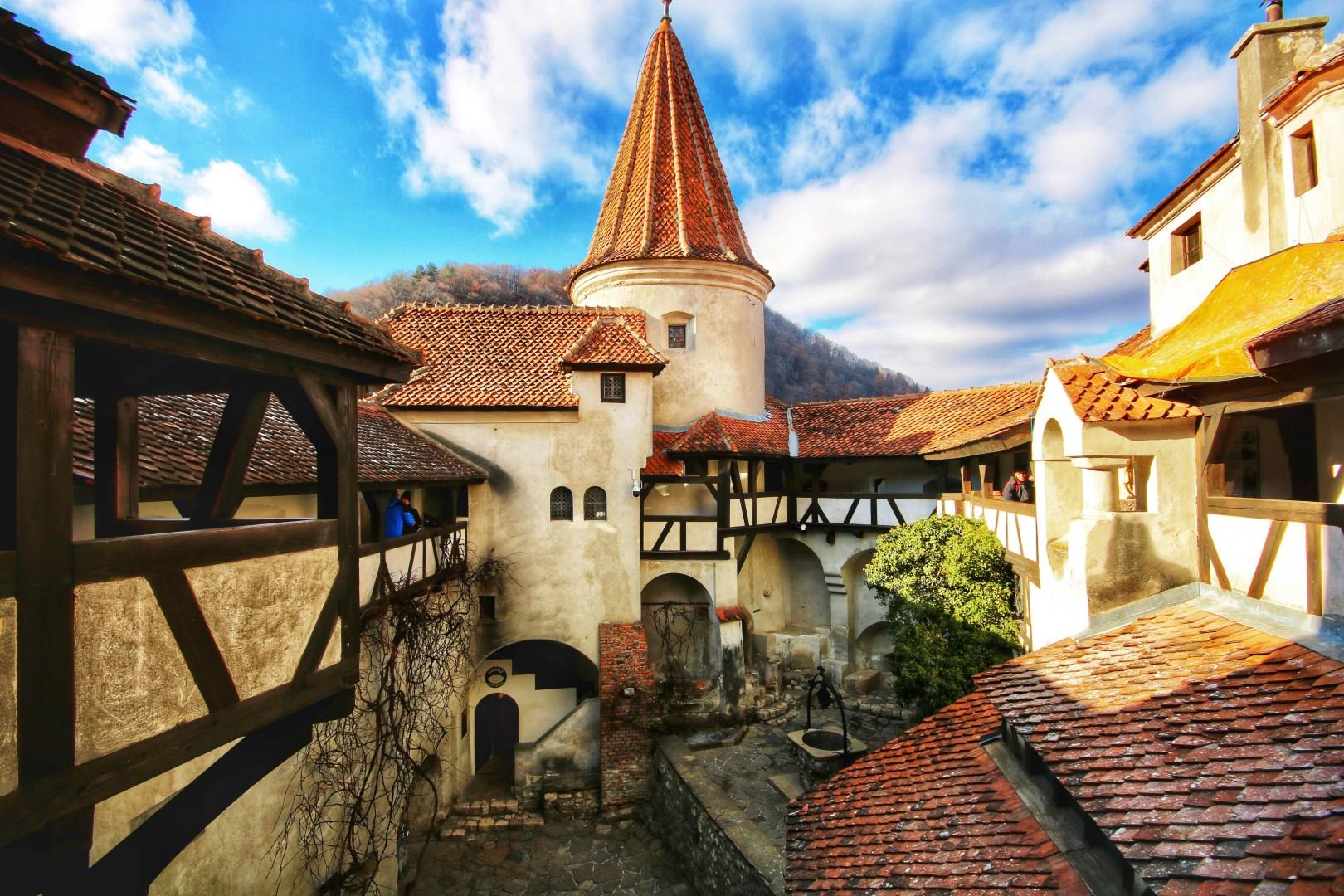
Bran
Bran, a small village nestled in the Carpathian Mountains of central Romania, is best known for its medieval fortress commonly referred to as “Dracula’s Castle.” While the connection to Bram Stoker’s fictional character is loose at best, Bran Castle continues to draw travelers with its striking towers, stone walls, and position on a rocky cliff. Originally built in the 14th century to defend against invading forces, the castle has passed through royal hands, most notably Queen Marie of Romania.
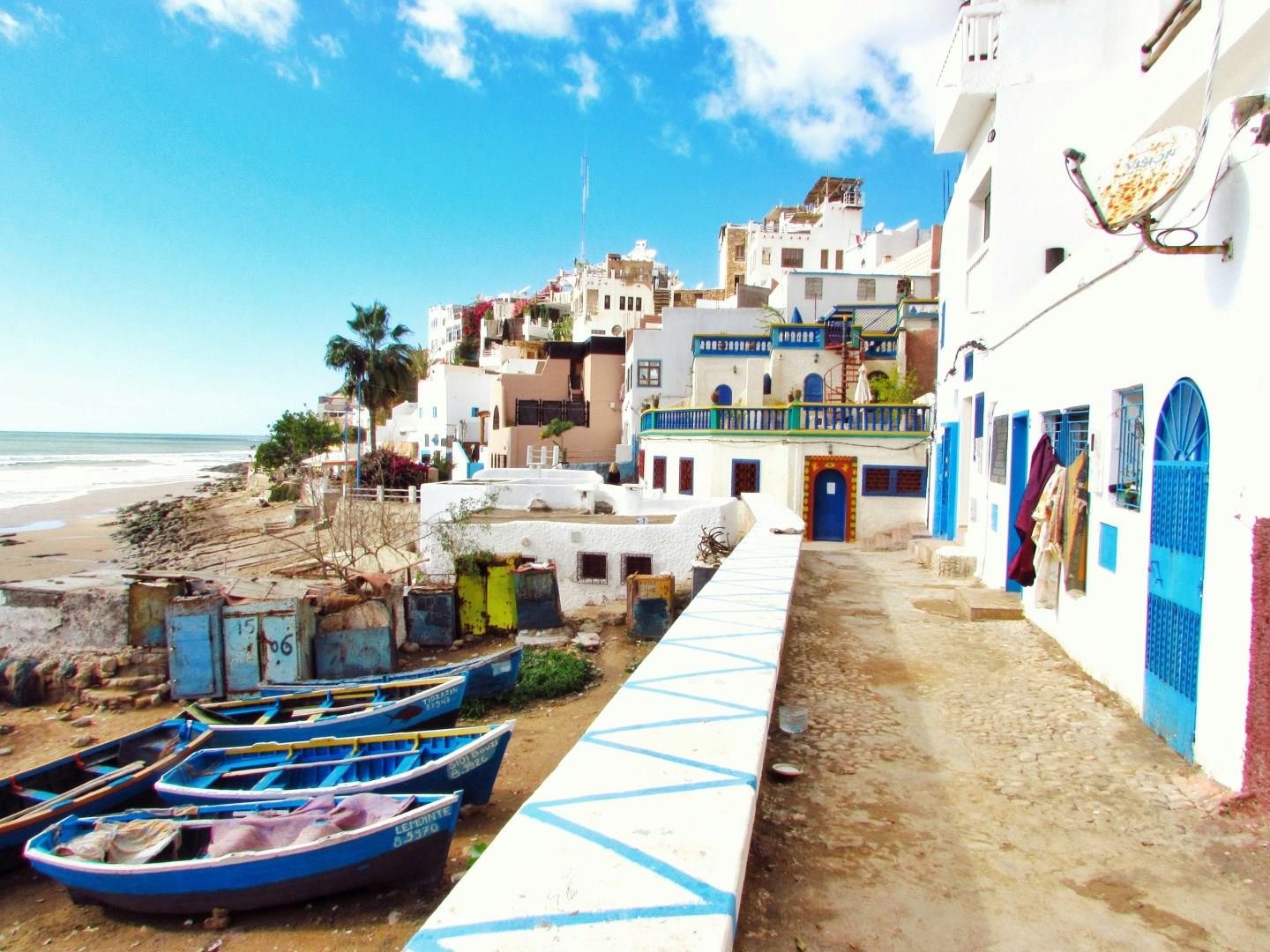
Taghazout
Taghazout is a small coastal village on Morocco’s Atlantic shore, once a quiet fishing settlement that has grown into a global surf destination without fully shedding its roots. Life here still follows the rhythms of the sea, with boats pulled onto the sand and daily routines shaped by tides and weather. Berber culture underpins the village’s identity, visible in local customs, food, and the understated pace that sets Taghazout apart from Morocco’s larger resort towns.
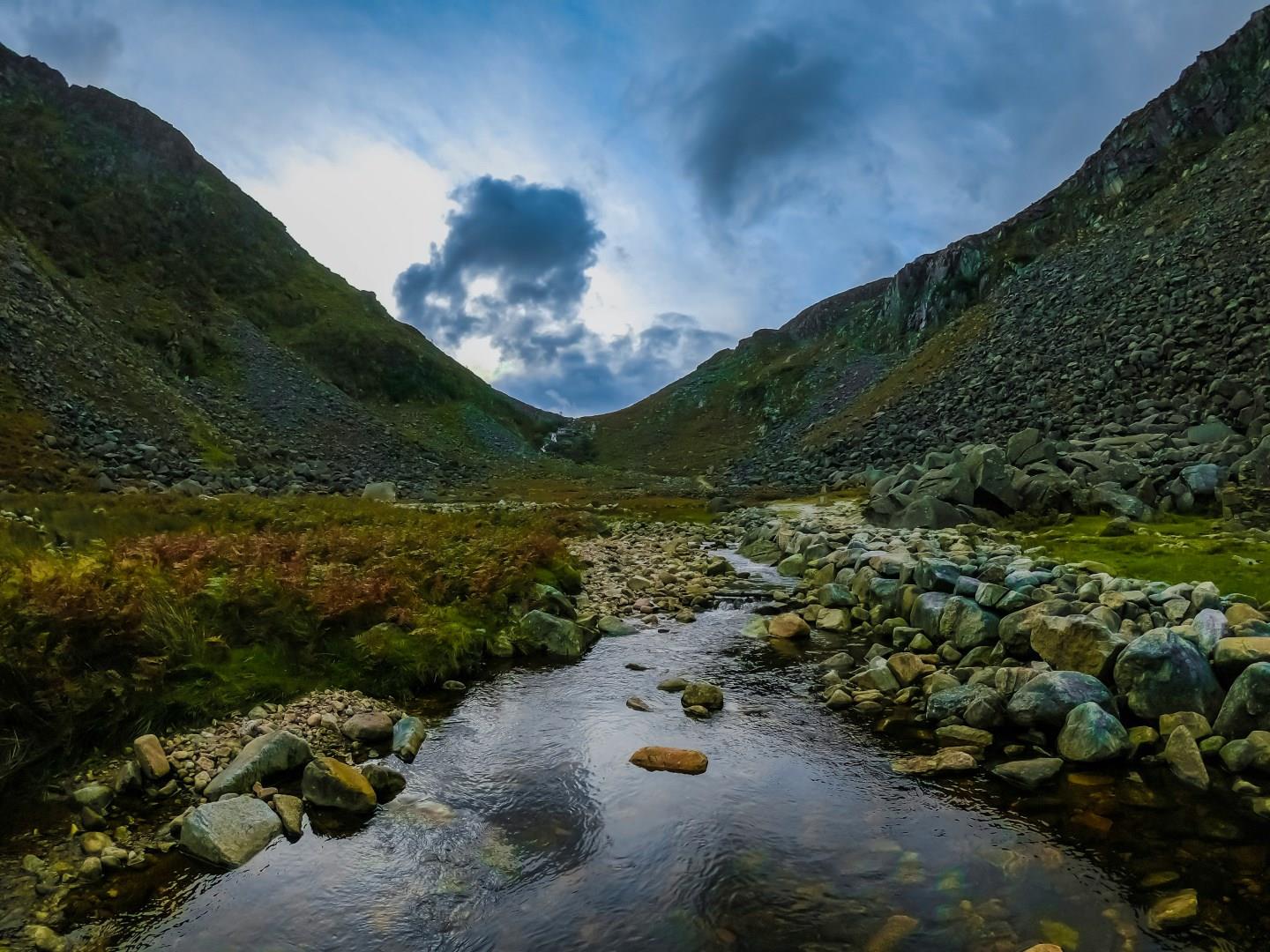
Glendalough
Glendalough, located in County Wicklow, is one of Ireland’s most historically significant and visually striking valleys. It’s best known for its early medieval monastic site, founded by St. Kevin in the 6th century. The round tower, cathedral ruins, and stone churches that remain today are surrounded by forests, lakes, and mountain trails, creating a setting that feels both ancient and untouched.
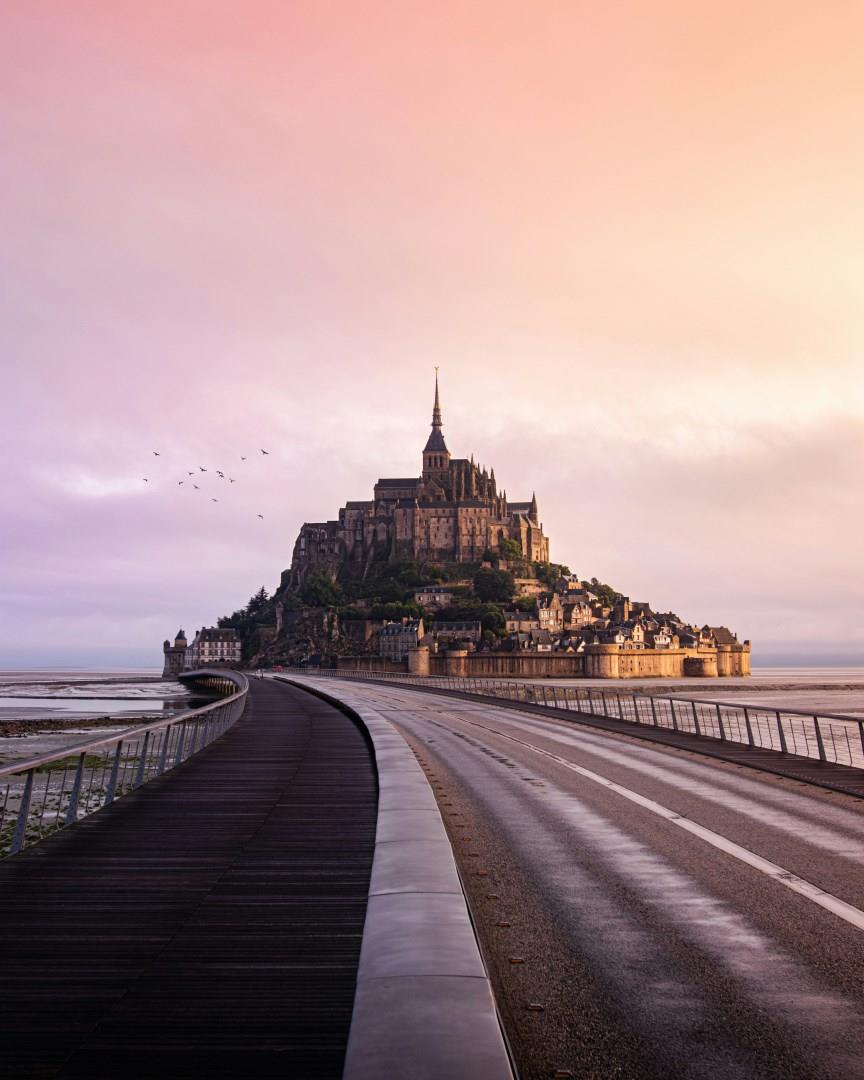
Mont St. Michel
Mont-Saint-Michel rises from tidal flats along the Normandy coast, its abbey and village shaped by centuries of pilgrimage, defense, and isolation.

Oaxaca
Oaxaca, nestled in the heart of southern Mexico, is a city where ancient traditions and vibrant culture thrive. Renowned for its rich history and indigenous heritage, Oaxaca offers a unique blend of pre-Columbian, colonial, and modern influences. The city's historic center, a UNESCO World Heritage site, is a testament to its past, featuring stunning colonial architecture such as the Santo Domingo de Guzmán Church, a masterpiece of Baroque art.
