
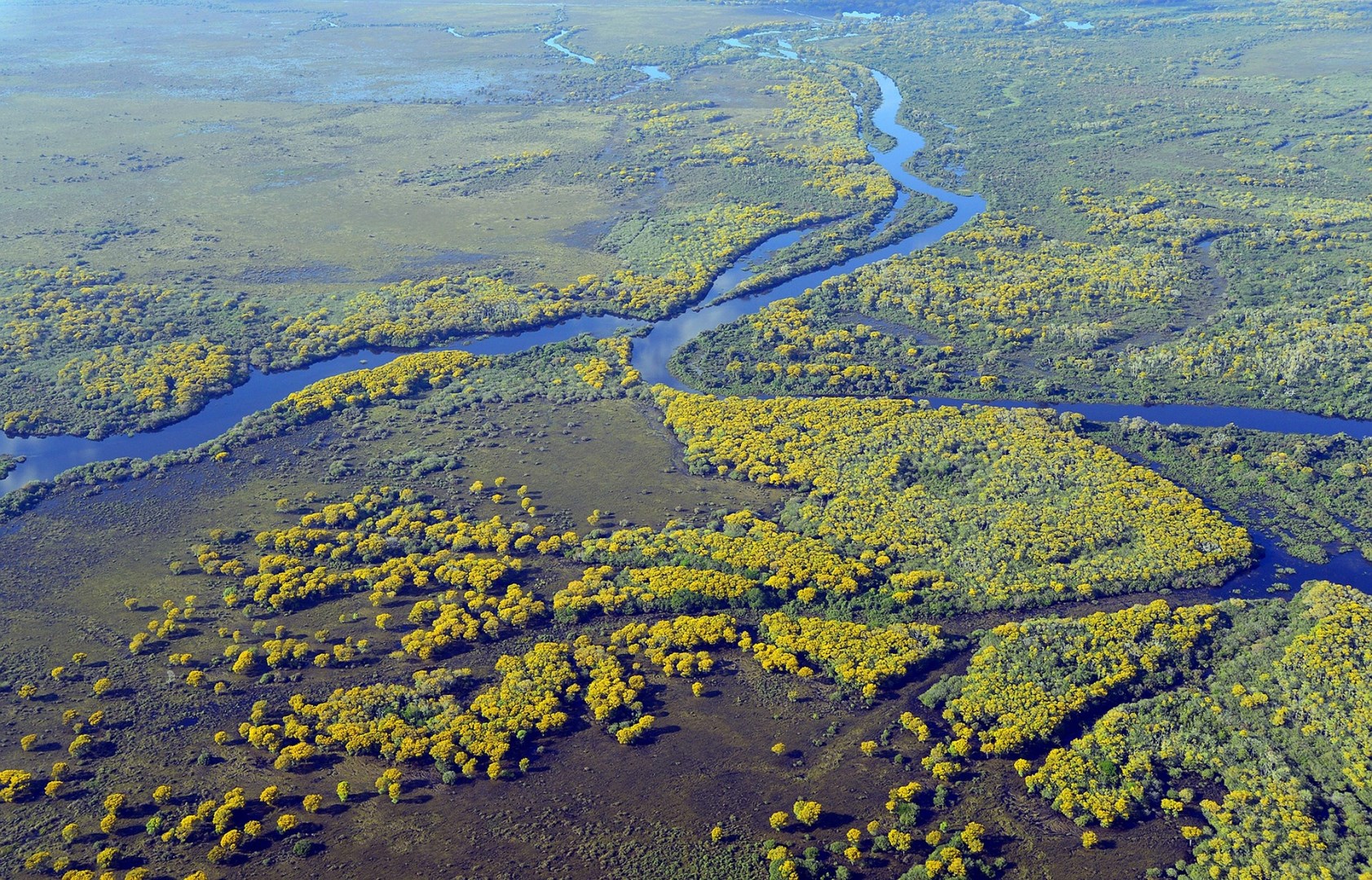
Pantanal
Pantanal, located on Brazil's western border, is a largely untouched paradise of savannah lowlands, seasonal wetlands and rich forested areas.
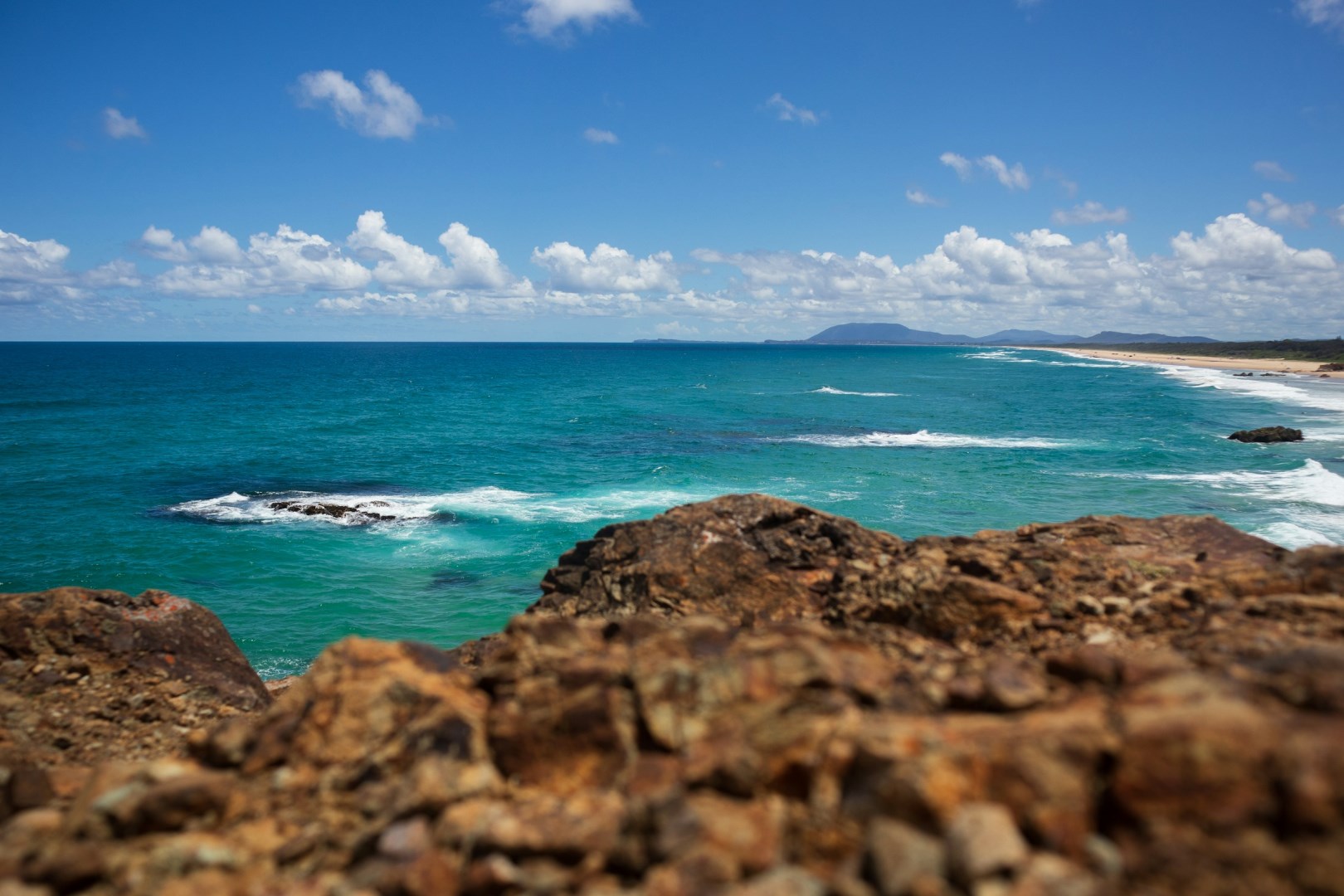
Port Macquarie
Port Macquarie is situated on the Hastings River and surrounded by several beaches, along its coast. There are plenty of shops around Port Macquarie town centre including a number of different shops including surfing shops, craft and gift shops, antique shops, as well as large shopping malls like Port Central and Settlement Point Peninsula.

Geiranger
Nestled in the heart of Norway's spectacular fjord region, Geiranger is a village where nature takes center stage. Set against the breathtaking Geirangerfjord, this charming destination captivates visitors with its towering cliffs, shimmering emerald waters, and dramatic waterfalls. Whether exploring by boat along the fjord’s serene waters or hiking to viewpoints like Dalsnibba, visitors are treated to unforgettable panoramic vistas that showcase the area’s raw beauty from every angle.
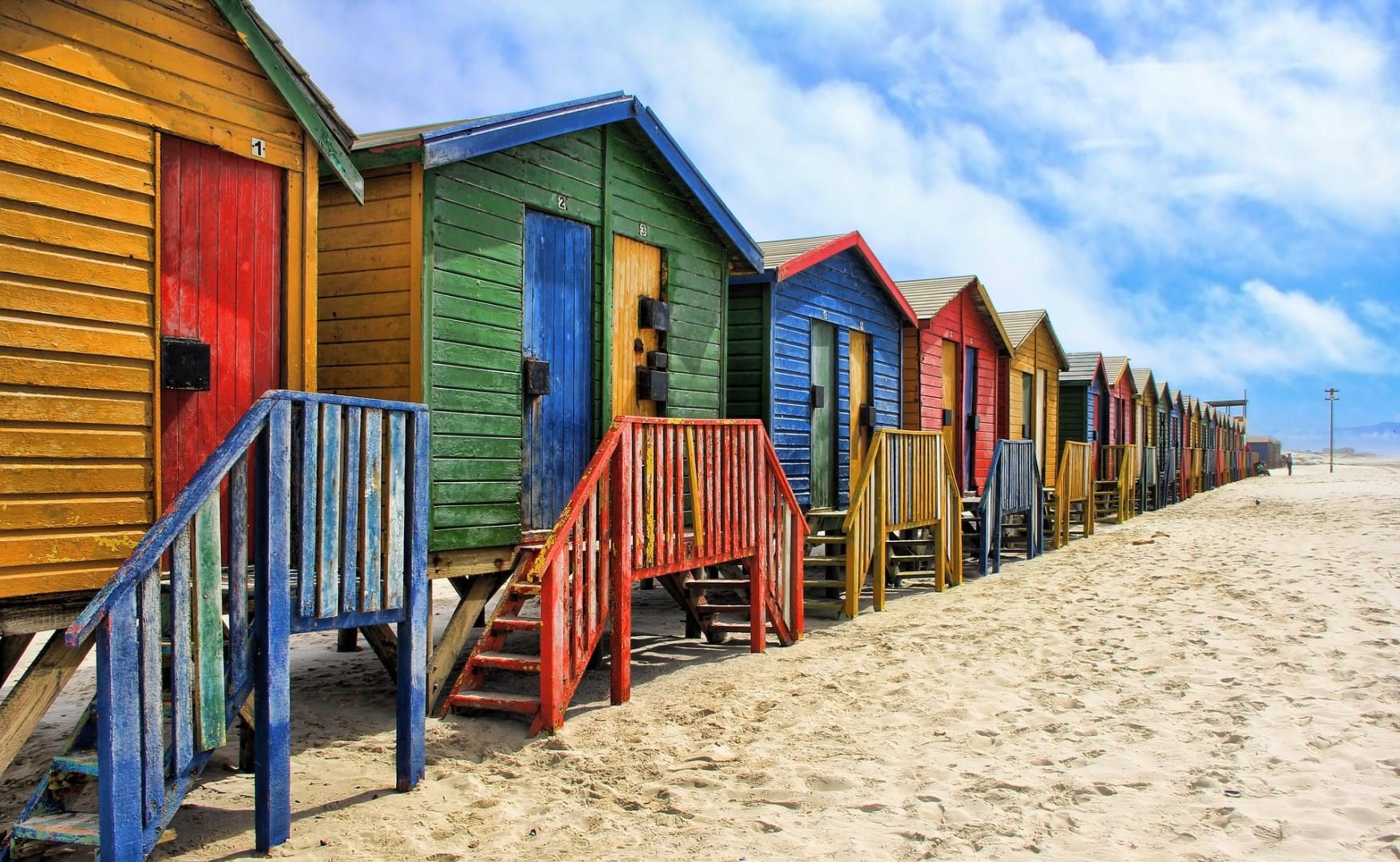
Muizenberg
Muizenberg, a picturesque suburb of Cape Town, South Africa, is renowned for its stunning coastline and vibrant atmosphere. Located along the False Bay, Muizenberg is celebrated for its expansive sandy beach and crystal-clear waters, making it a haven for surfers and sun-seekers alike. The beach is not only popular for its surf but also for its colorful Victorian-style beach huts, which have become iconic symbols of the area. These charming structures, with their bright hues and retro charm, pro
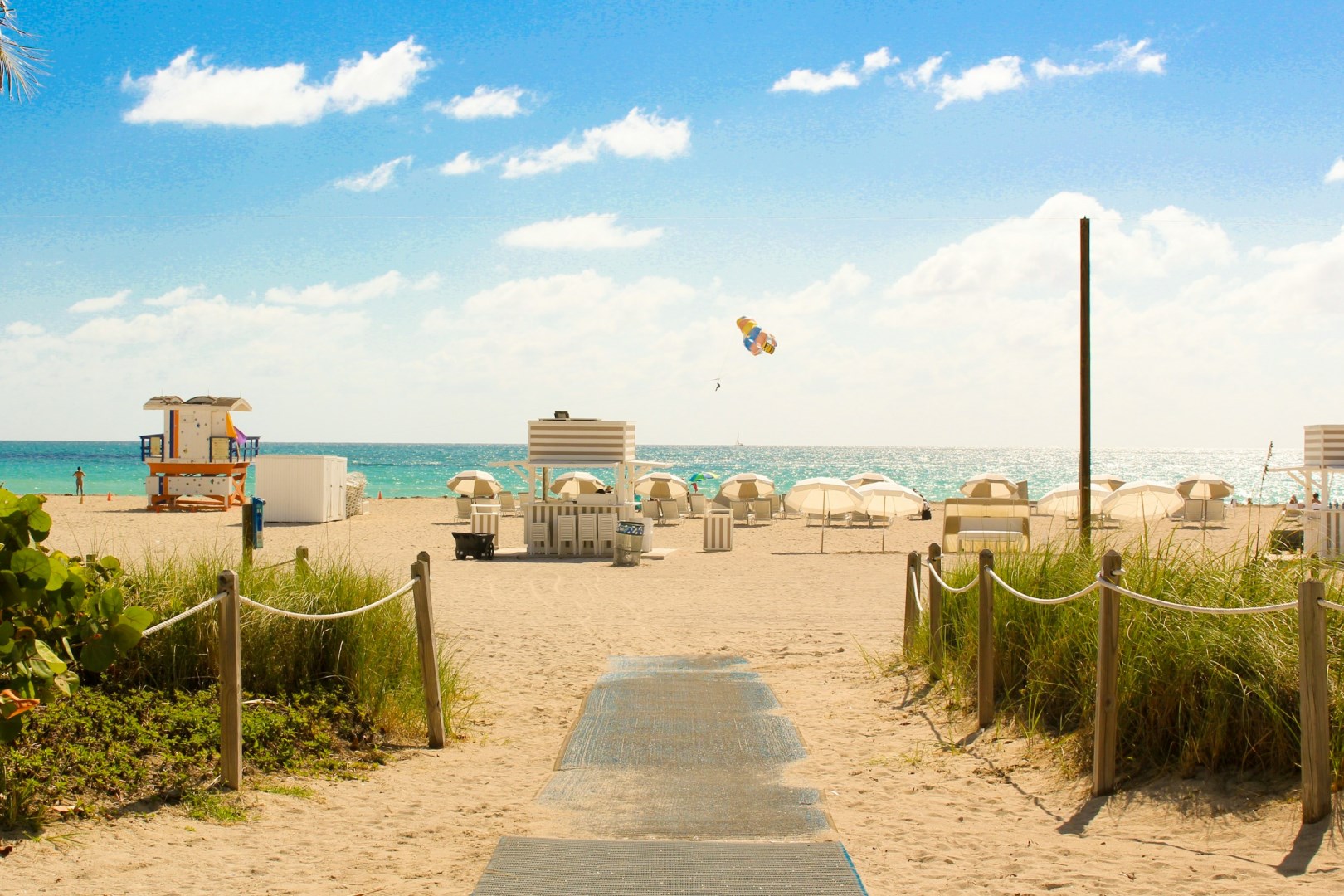
South Beach
South Beach... Florida's favorite party spot. Sunny streets and beautiful beach ...not to mention beautiful people!
