
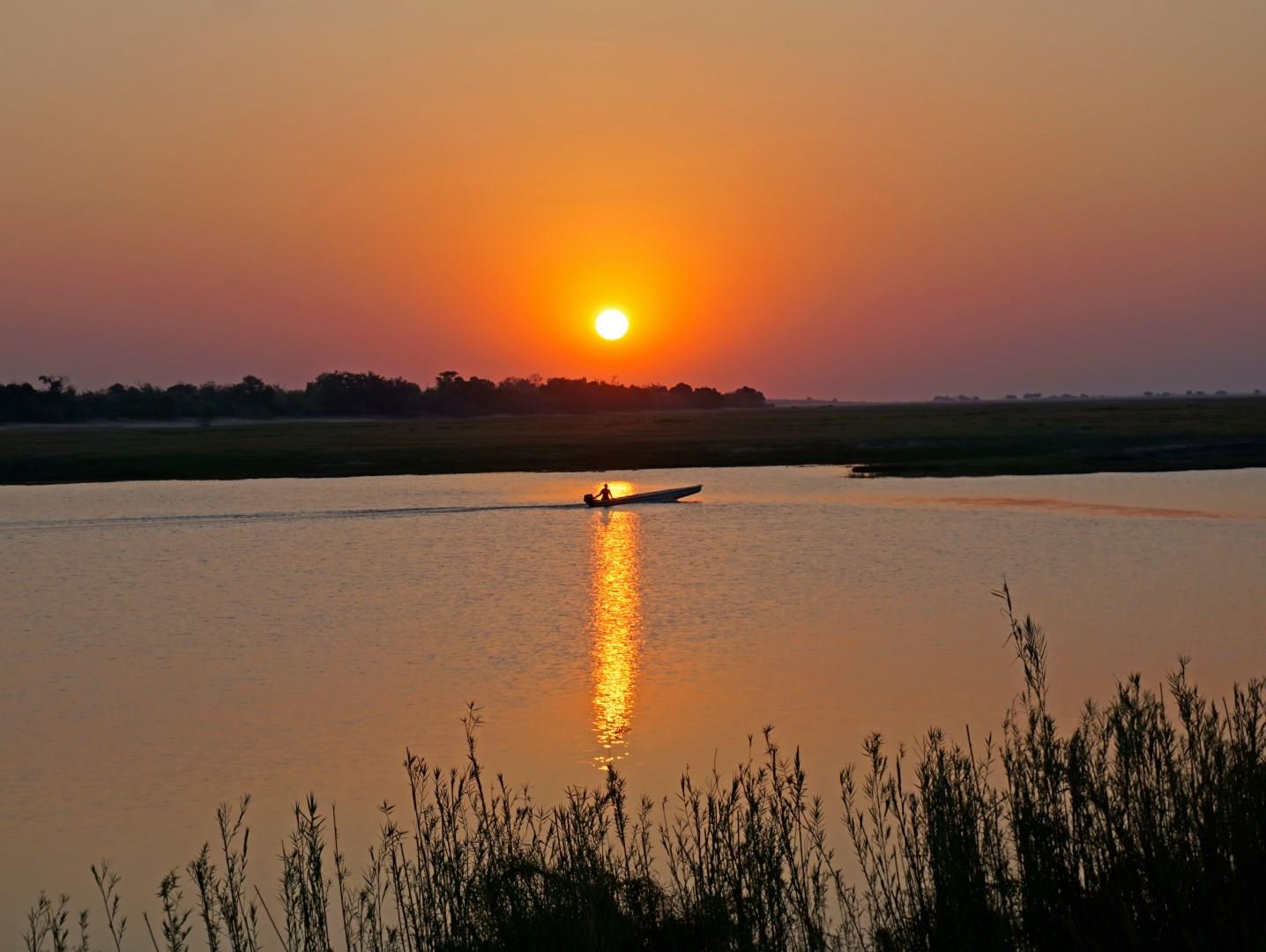
Chobe River
The Chobe River forms the northern boundary of the Chobe National Park. Animal lovers and safari enthusiasts know it as the place where the elephants congregate during winter's dry season and migrant birds are in full color during the wet summer months. The river itself is actually a section of the Cuando River, known as the Chobe from the seasonal lake Liambesi to its outflow at the Zambezi River.
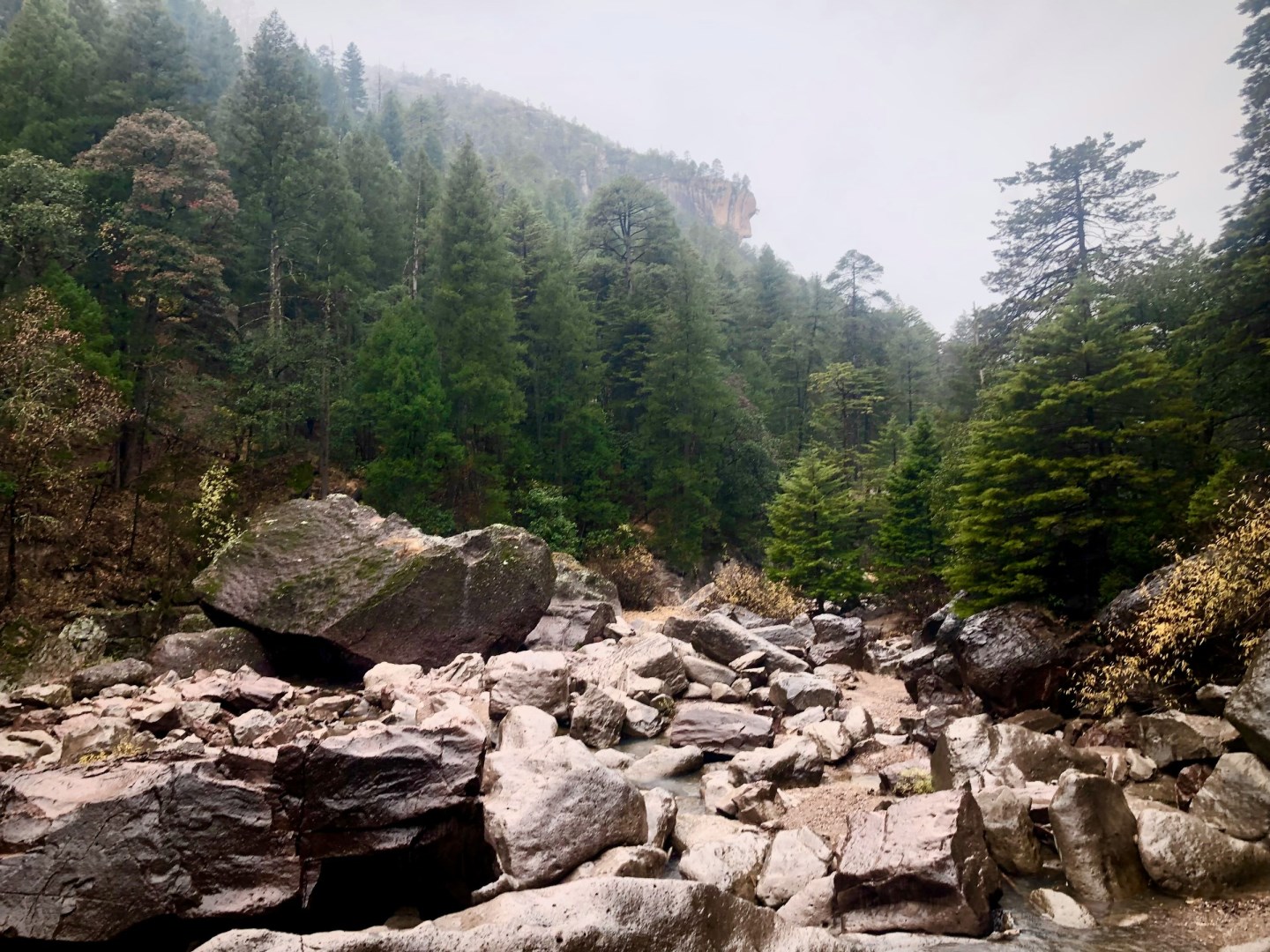
Copper Canyon
Copper Canyon is actually not a single canyon, but rather a series of more than 20 canyons running through the northern region of Mexico. The canyon covers over 20,000 square miles and is four times larger than the Grand Canyon in the United States.

Las Vegas
Las Vegas, Nevada, is an electrifying city where glitz and glamour meet entertainment and excitement. Known as "The Entertainment Capital of the World," Las Vegas offers an unparalleled array of attractions, from its iconic casinos and luxurious hotels to its world-class dining and live shows. The city's entertainment scene is second to none, featuring legendary headliners, cutting-edge performances, and an array of themed attractions.
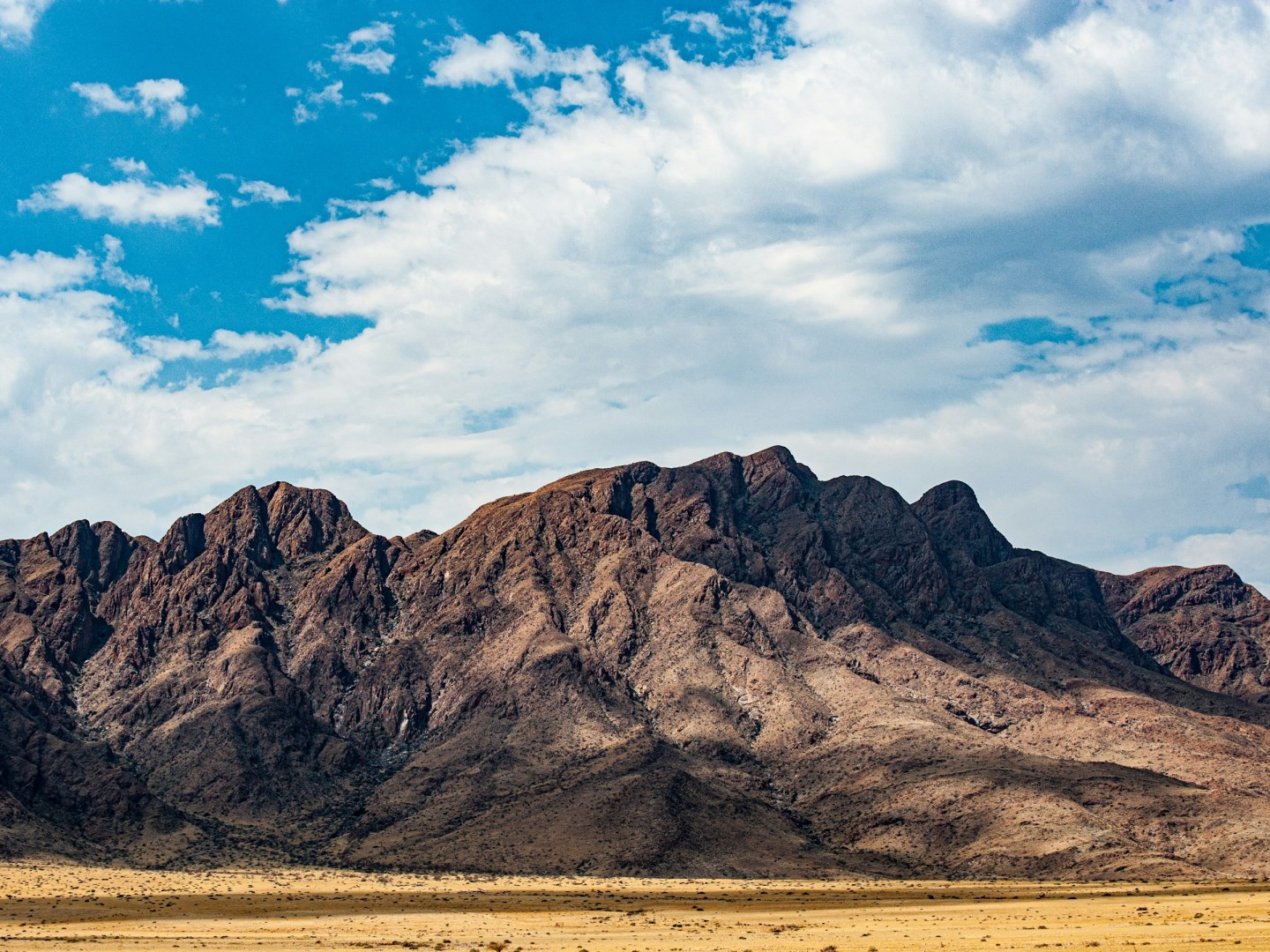
Namib-Naukluft National Park
Namib-Naukluft National Park is Namibia’s largest protected area, covering a vast stretch of desert from the central plateau toward the Atlantic coast. Its landscape includes rolling gravel plains, isolated rocky mountains, dry river valleys, and some of the country’s most recognizable sand dunes. The park contains the Namib Sand Sea, a UNESCO World Heritage property known for extensive dune fields shaped by wind and coastal fog.
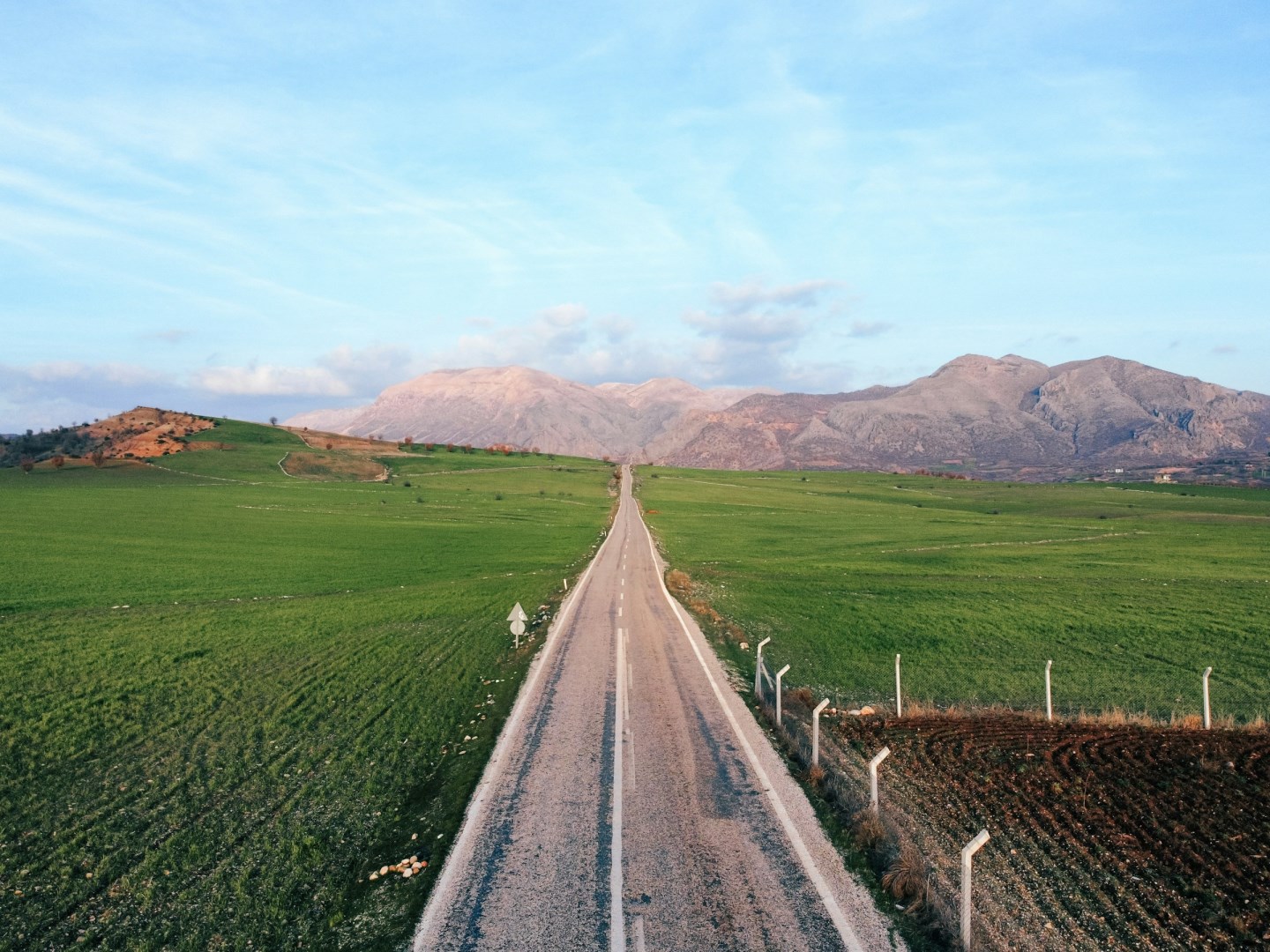
Adiyaman
Adiyaman makes a good base from which to visit Nemrut Dagi National Park. On the summit of Nemrut Daagi (Mount Nemrut), at an altitude of 2,150 meters- the highest mountain in northern mesopotamia - sits the gigantic funerary sunctuary erected in the first century B.C. by King Antiochos I of Commagene. The engineering involved in creating the artificial tumulus- flanked by terraces on which rest the colossal statues of Apollo, Zeus, Heracles, Tyche and Antiochus - continue to amaze visitors.
