

Monkey Mia
Monkey Mia, located within the Shark Bay World Heritage Area on the western coast of Australia, is a serene paradise known for its world-famous wild dolphin encounters. This remote coastal gem, surrounded by the turquoise waters of the Indian Ocean, invites visitors to experience up-close interactions with bottlenose dolphins in their natural habitat. For over 50 years, these dolphins have made daily visits to Monkey Mia’s shores, creating a unique tradition that brings awe to travelers.

Huế
Its legacy as the former imperial capital of Vietnam is just one of many reasons to visit Hue. For more than a century, the emperors of the Nguyen dynasty (1802-1945) ruled from the Forbidden Purple City, the innermost enclosure of the citadel. Today, this complex is designated as a UNESCO World Heritage site and draws millions of visitors each year.

Cádiz
With its captivating blend of ancient history, sun-drenched beaches, and vibrant Andalusian culture, Cádiz, Spain, stands as one of Europe’s oldest continually inhabited cities. Founded over 3,000 years ago by the Phoenicians, this coastal gem in southern Spain offers a rich tapestry of historical sites and modern charms. The old city of Cádiz is a labyrinth of narrow cobblestone streets, whitewashed houses, and hidden plazas that evoke the city’s Moorish past.
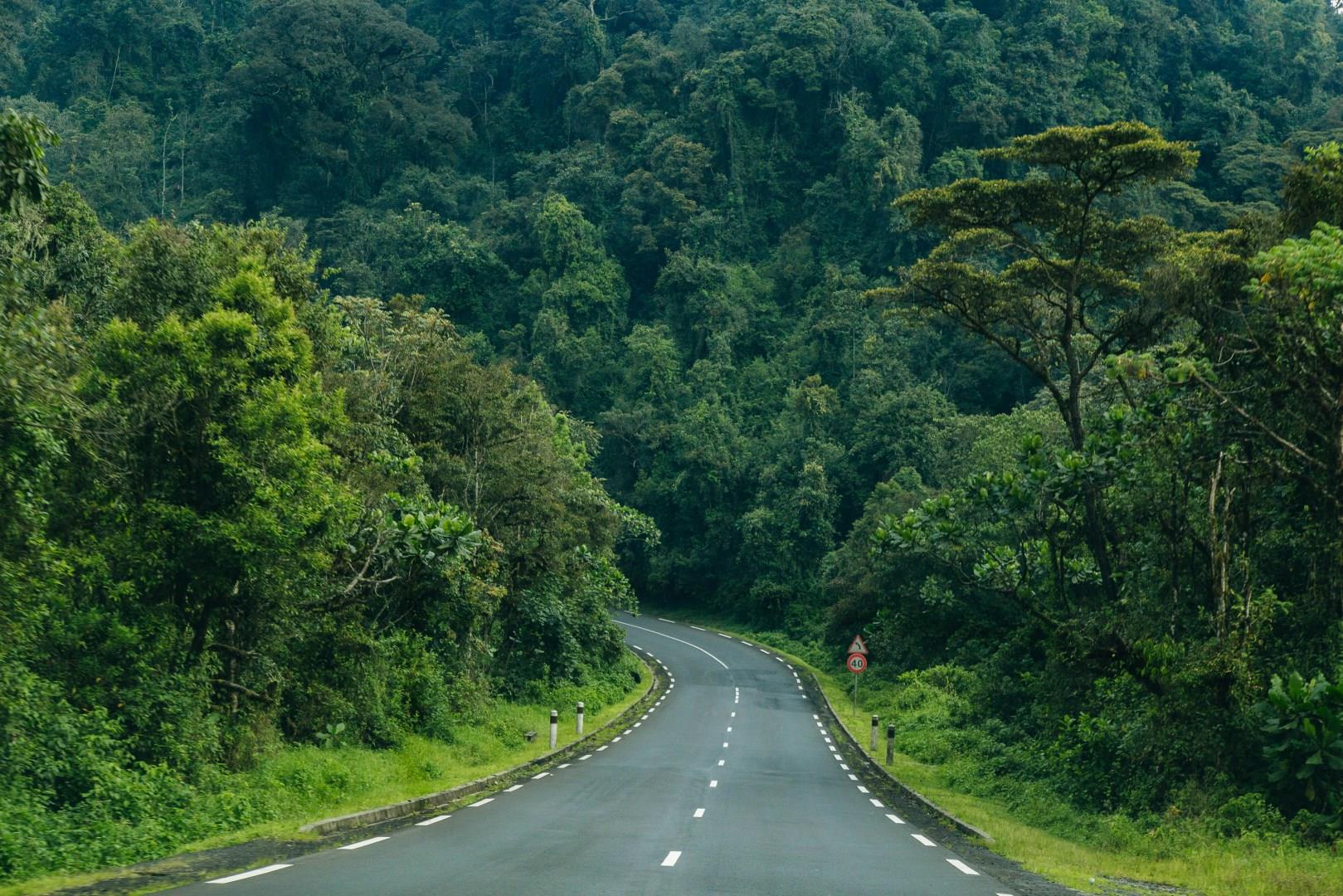
Nyungwe Forest National Park
Nyungwe Forest National Park, in southwestern Rwanda, is one of Africa’s oldest rainforests and a sanctuary of biodiversity. Spanning more than 1,000 square kilometers, the park shelters a wealth of wildlife, including over 300 bird species, 1,000 plant species, and an impressive 13 primate species.

Table Mountain
Table Mountain, the iconic flat-topped mountain overlooking Cape Town, South Africa, is a must-visit destination for nature enthusiasts and adventure seekers. Dominating the skyline, this majestic peak is part of the Table Mountain National Park, a UNESCO World Heritage Site known for its diverse flora and fauna. The mountain is renowned for its panoramic views of Cape Town, the Atlantic Ocean, and the surrounding landscapes.
