
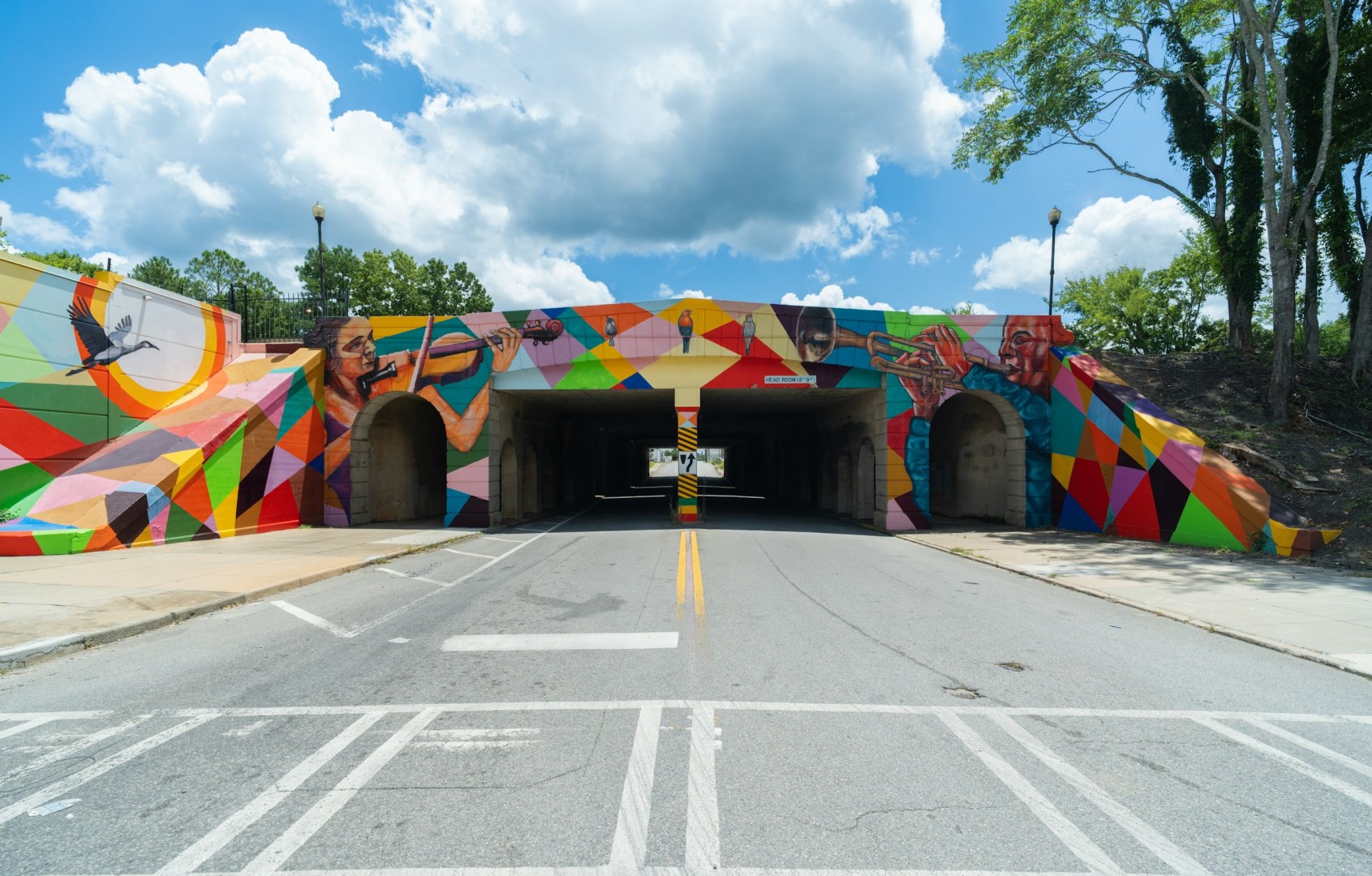
Macon
Macon, Georgia, known as the “Heart of Georgia,” offers a blend of historic charm and Southern hospitality. Begin your exploration at the Ocmulgee Mounds National Historical Park, where ancient Native American earthworks provide a glimpse into the rich cultural heritage of the region. The park’s expansive grounds and museum showcase artifacts from the Mississippian period, offering a fascinating look at the early inhabitants of the area.
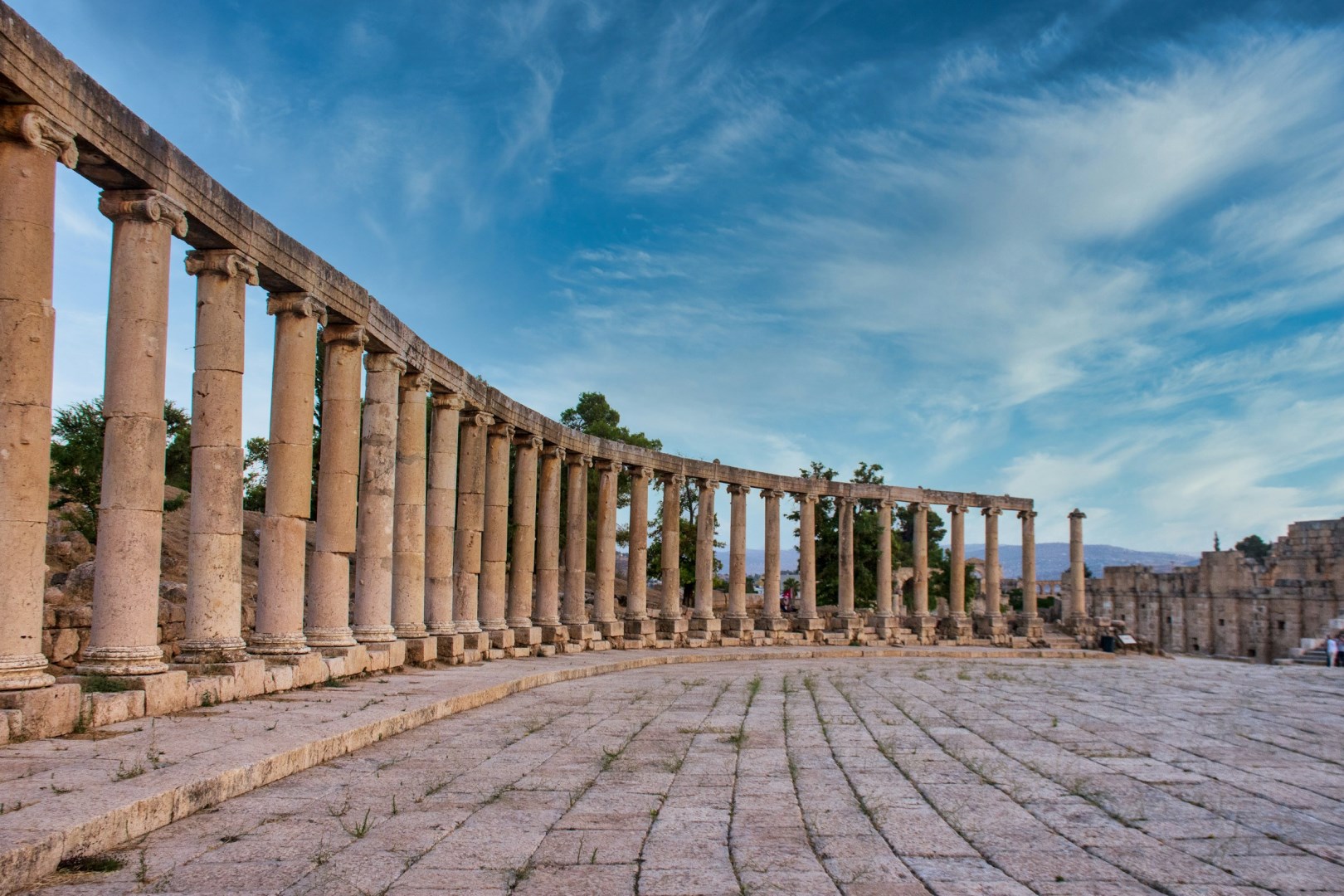
Jerash
Jerash is reached by a short drive (29 miles, 47km) north of Amman and is an ancient Graeco-Roman city, once known as Gerasa. It has been dubbed the 'Pompeii of the East', because of its extraordinary state of preservation. Jerash is a vast city, which flourished in the centuries immediately preceding and following the Christian era.

K’gari
Fraser Island, or K’gari as it is known to its Traditional Owners, the Butchulla people, is a gem off the coast of Queensland, Australia. The world's largest sand island, stretching over 120 kilometers, is a place where nature dazzles and adventure beckons. Renowned for its unique ecosystems, Fraser Island offers a diverse landscape of lush rainforests growing on sand, crystal-clear freshwater lakes, and expansive sand dunes.
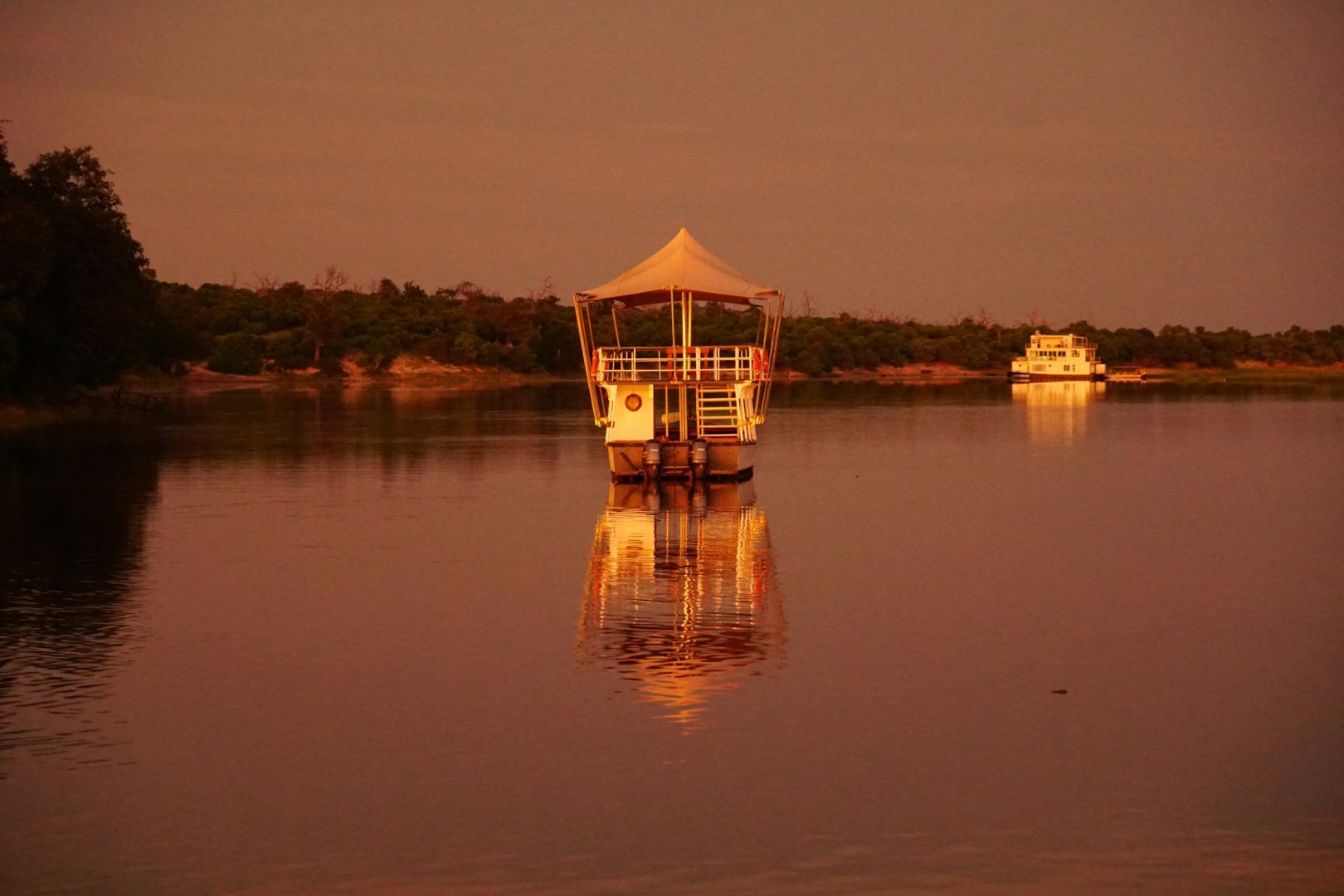
Caprivi
Caprivi, now officially known as the Zambezi Region of Namibia, is a narrow, water-rich area in the country's far northeast, extending between Angola, Zambia, Botswana, and Zimbabwe. Unlike much of Namibia's dry interior, Caprivi contains perennial rivers, floodplains, wetlands, woodland, and riverine forests.

Tórshavn
Tórshavn, the capital of the Faroe Islands, offers a unique blend of Scandinavian charm and rugged natural beauty. Nestled between dramatic fjords and windswept landscapes, Tórshavn is one of the smallest and most picturesque capitals in the world. Visitors can start their exploration in the historic Tinganes area, the cradle of Faroese civilization.
