

Cádiz
With its captivating blend of ancient history, sun-drenched beaches, and vibrant Andalusian culture, Cádiz, Spain, stands as one of Europe’s oldest continually inhabited cities. Founded over 3,000 years ago by the Phoenicians, this coastal gem in southern Spain offers a rich tapestry of historical sites and modern charms. The old city of Cádiz is a labyrinth of narrow cobblestone streets, whitewashed houses, and hidden plazas that evoke the city’s Moorish past.

Boston
Evidence of our nation's birth abounds in Boston, a hub of revolution that is essentially the oldest city in the United States. Visitors are compelled to walk the 2.5-mile Freedom Trail around the city center, and bear witness to 16 historical locations related to the history of America.

Timor-Leste
Timor-Leste, one of the world’s youngest nations, is a place where resilience and cultural richness shape everyday life. Its history is deeply marked by centuries of Portuguese colonial rule, followed by Indonesian occupation and a long struggle for independence, achieved in 2002.
Montserrat
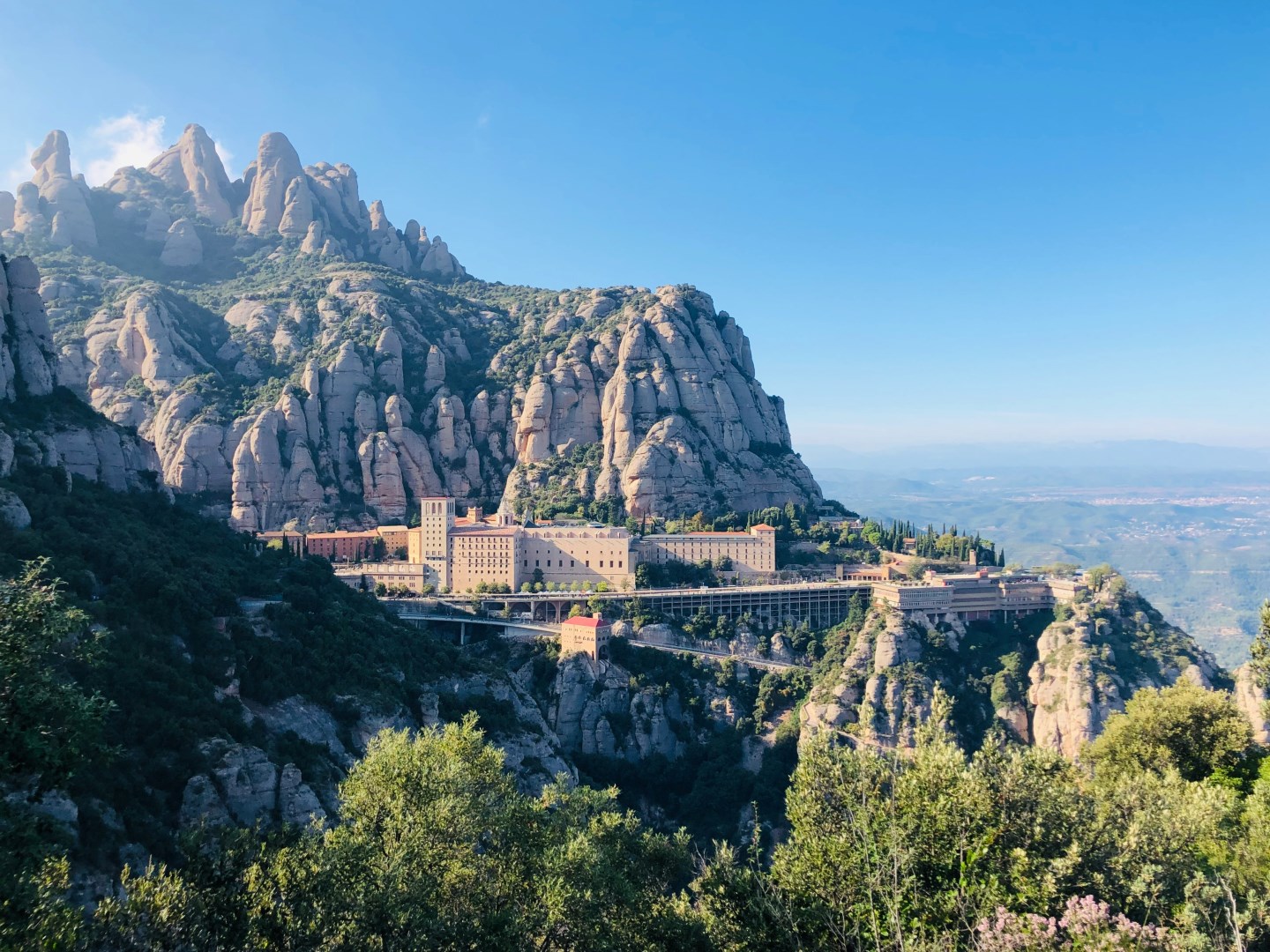
Montserrat Mountain rises sharply from the plains of Catalonia, its jagged rock shapes visible from far away. The mountain is known for its unusual rounded peaks and narrow ridges, formed into striking forms that look almost carved by hand. Trails and cable cars lead visitors upward from nearby villages such as Monistrol de Montserrat, where the climb quickly reveals wide views across the region, stretching toward Barcelona on clear days.
Cusco
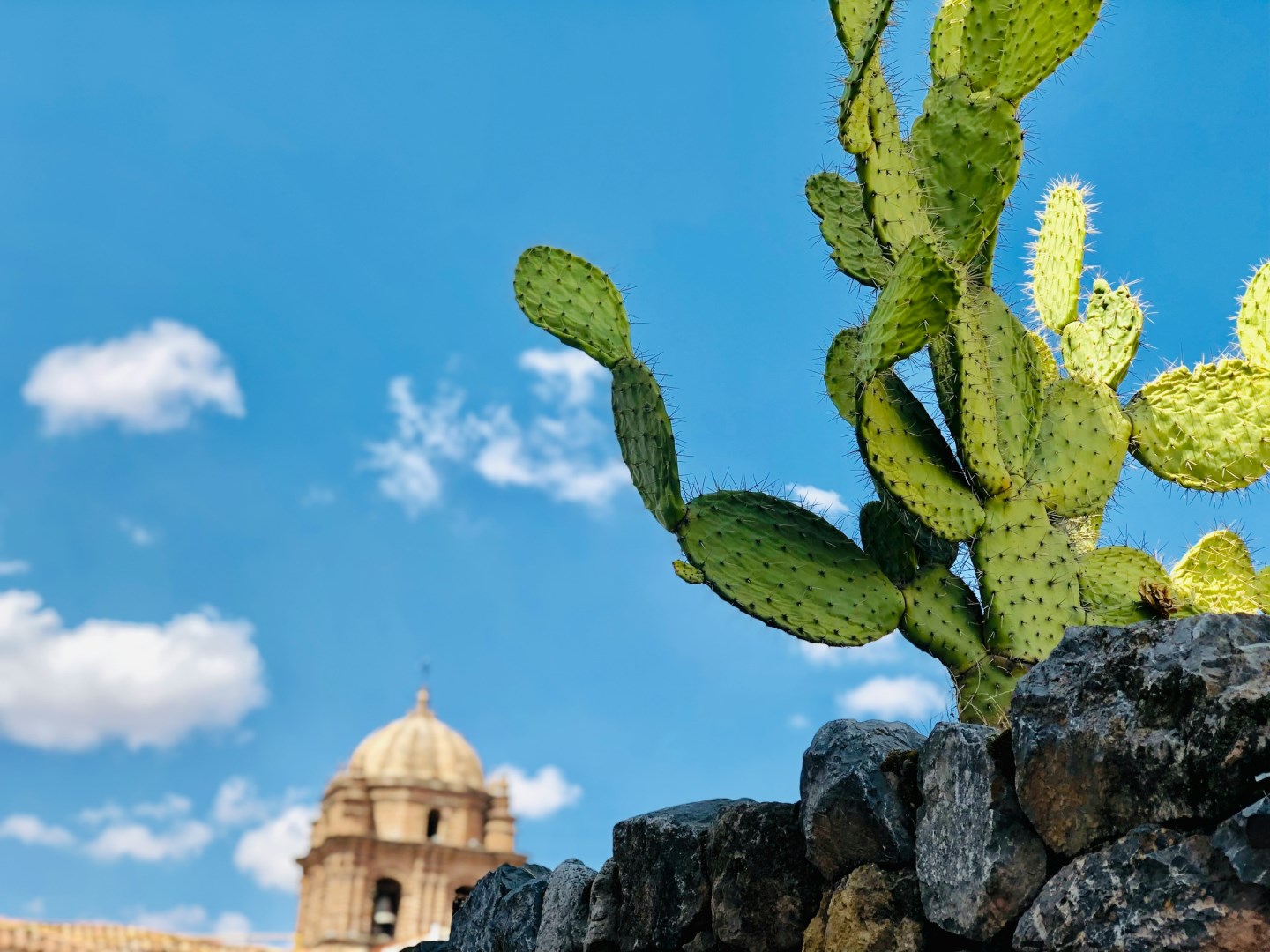
Cusco once served as the heart of the Inca Empire, and that legacy still shapes every corner of the city even as it serves as a gateway to Machu Picchu. Outside the historic center, the ruins of Sacsayhuamán overlook the city from a nearby hilltop. This ceremonial complex is best known for its massive zigzag stone walls, some weighing over 100 tons. During the Inti Raymi festival in June, thousands gather here to reenact ancient Andean rituals.
