

Salvador da Bahia
Salvador da Bahia, often simply called Salvador, is a city where the soul of Brazil truly shines. As the capital of the state of Bahia and one of the oldest colonial cities in the Americas, Salvador offers a rich tapestry of Afro-Brazilian culture, vibrant music, and historic architecture.
El Zonte
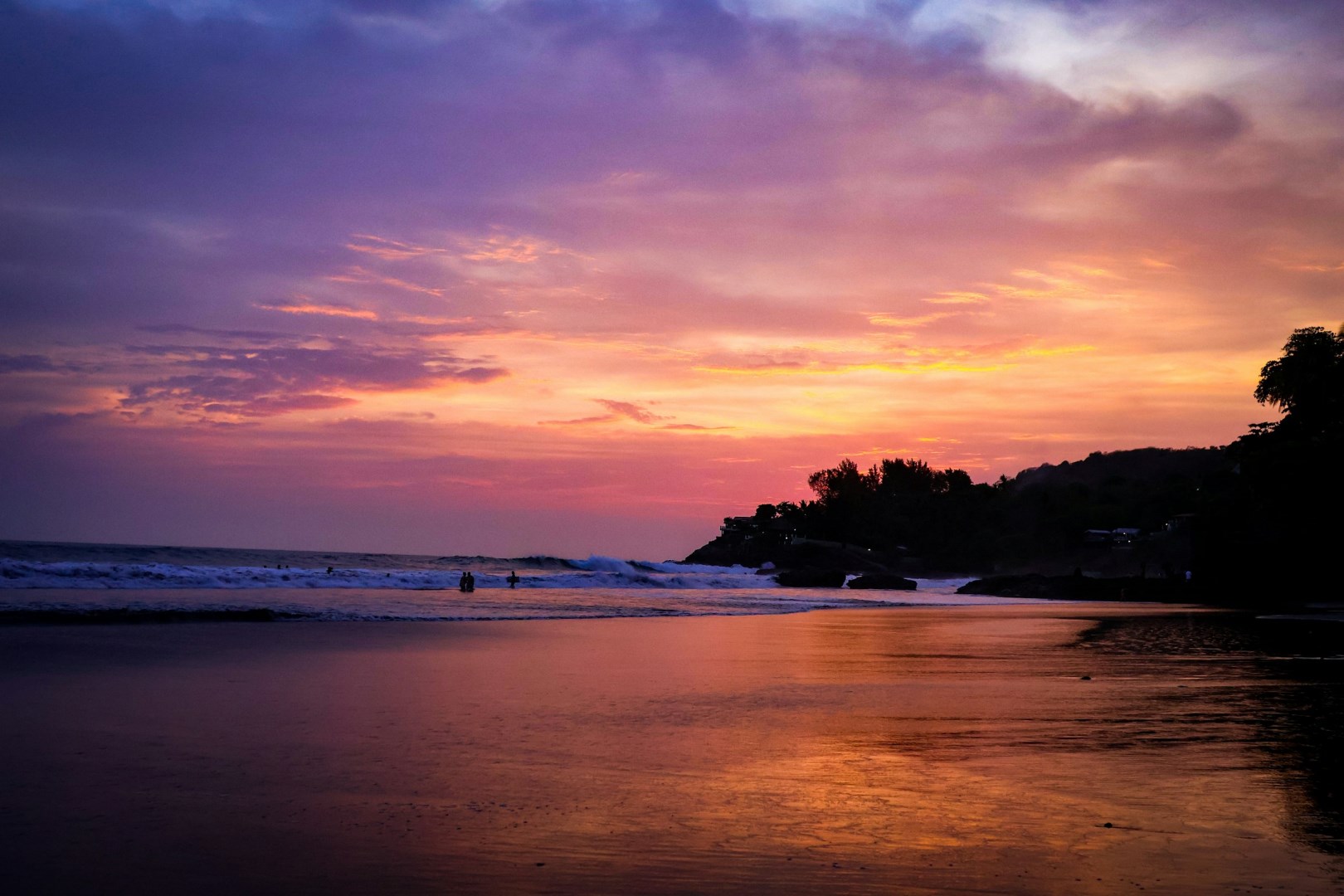
El Zonte is a small Pacific coastal community in the department of La Libertad, El Salvador, known for its surf beaches, rocky shoreline, and tropical setting. The village sits between low coastal hills and the Pacific Ocean, with a river flowing toward the beach and dividing sections of the shoreline. El Zonte has developed around surfing, small hotels, guesthouses, restaurants, and local businesses rather than large-scale coastal development.

Monkey Mia
Monkey Mia, located within the Shark Bay World Heritage Area on the western coast of Australia, is a serene paradise known for its world-famous wild dolphin encounters. This remote coastal gem, surrounded by the turquoise waters of the Indian Ocean, invites visitors to experience up-close interactions with bottlenose dolphins in their natural habitat. For over 50 years, these dolphins have made daily visits to Monkey Mia’s shores, creating a unique tradition that brings awe to travelers.
Amed
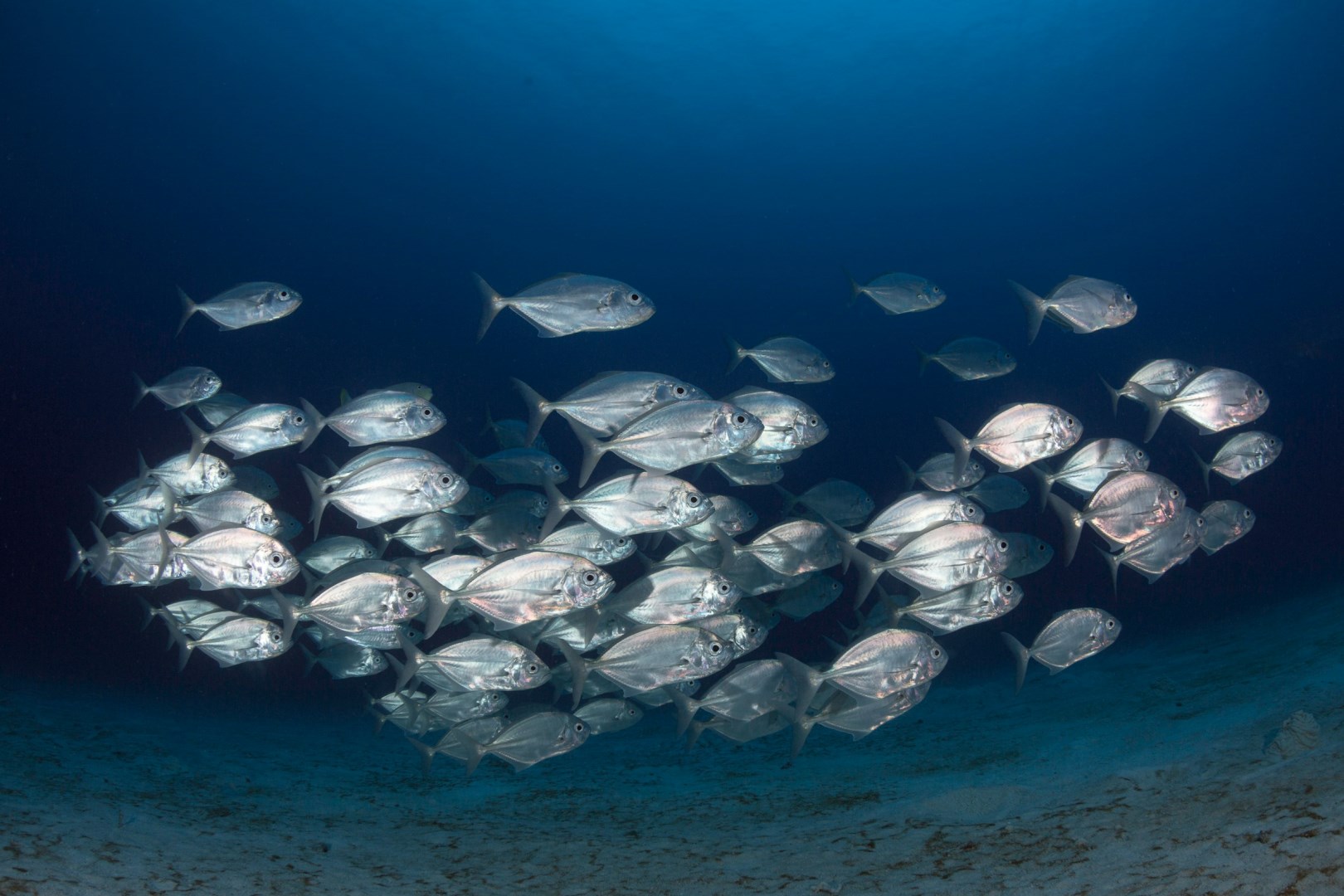
Amed is a coastal area in eastern Bali, Indonesia, stretching along the northeastern side of Karangasem Regency. The area consists of a series of small fishing villages and bays, including Amed, Jemeluk, Bunutan, and Lipah. Its landscape combines black volcanic beaches, dry hills, rice terraces, coconut palms, and views toward the Bali Sea.
Antipaxos
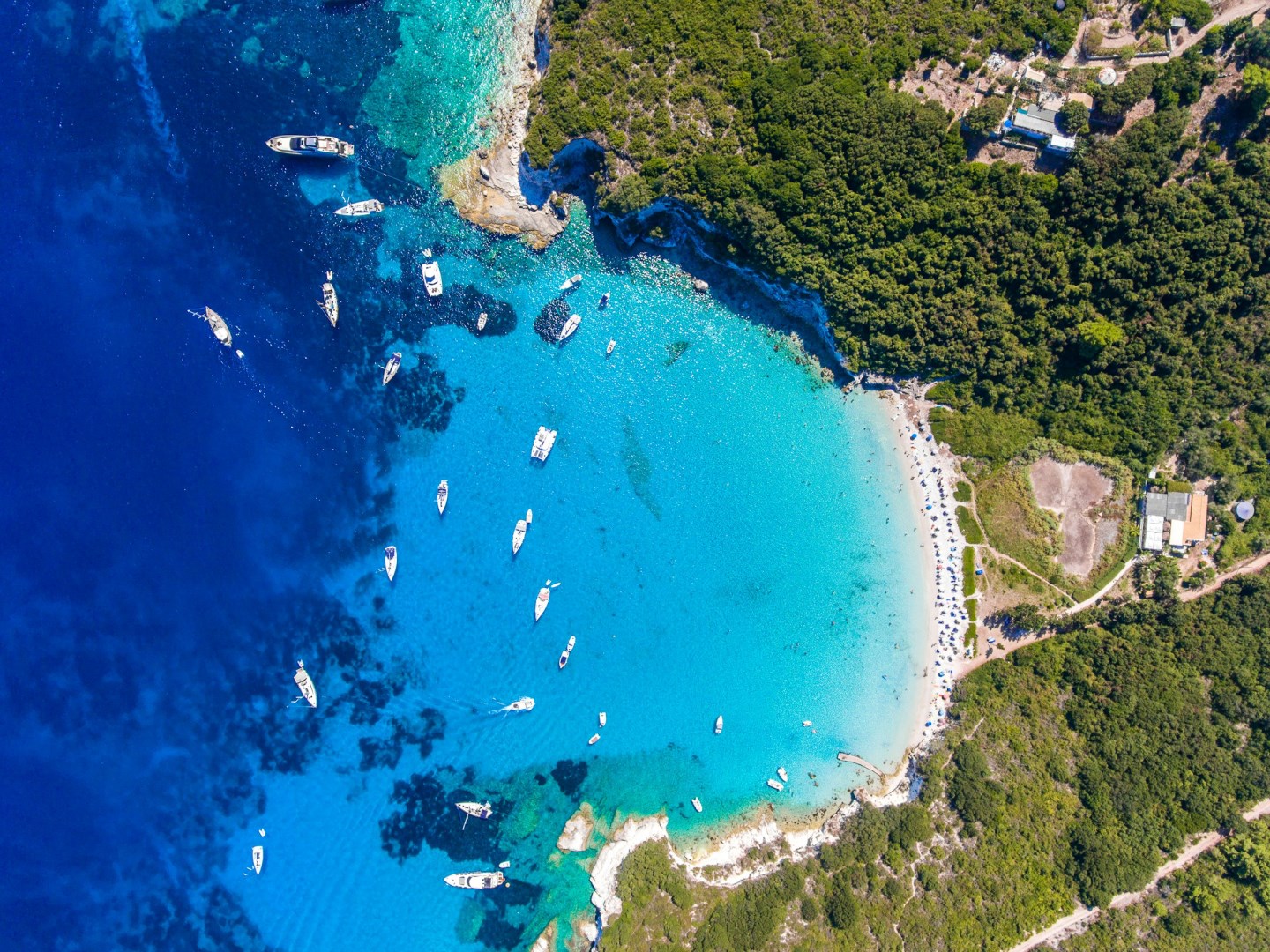
Antipaxos is a small Ionian island southeast of Paxos, separated from its larger neighbor by a short boat journey from Gaios. Covering roughly 4.5 square kilometers, it has a gently rolling landscape of vineyards, olive groves, pine trees, and low Mediterranean vegetation. The island has no large settlement and is known mainly for its beaches, particularly Voutoumi and Vrika, where white sand or pale pebbles meet clear blue-green water.
