
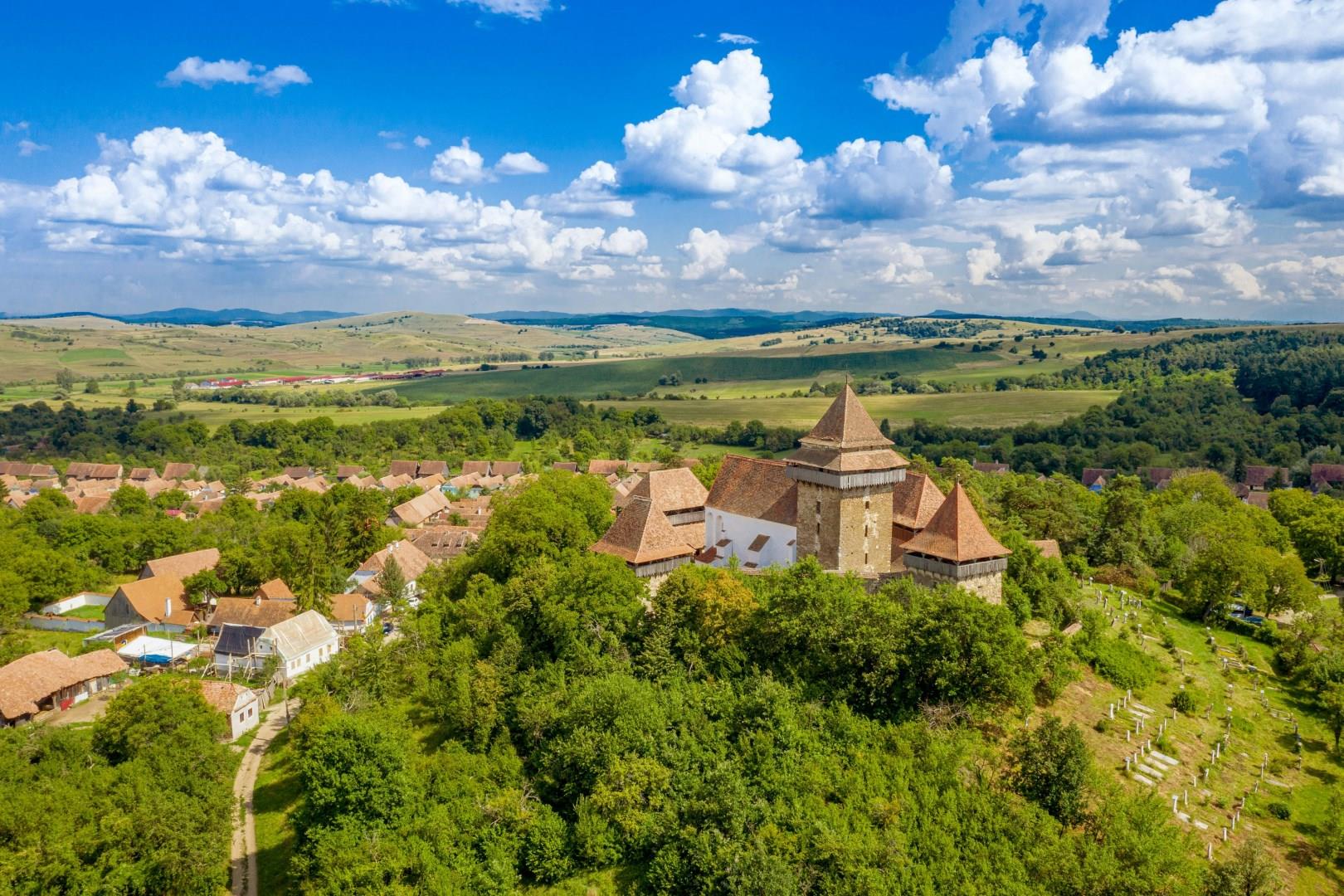
Transylvania
Transylvania is a historical region in central Romania, bordered by the Carpathian Mountains. It is known for its forested landscapes, medieval towns, and a mix of cultural influences shaped by Romanian, Hungarian, and Saxon communities. Cities such as Cluj-Napoca and Brașov serve as regional centers with preserved old quarters and growing modern districts. The region is often associated with folklore, but its identity is grounded in everyday rural life and long-standing settlement patterns.
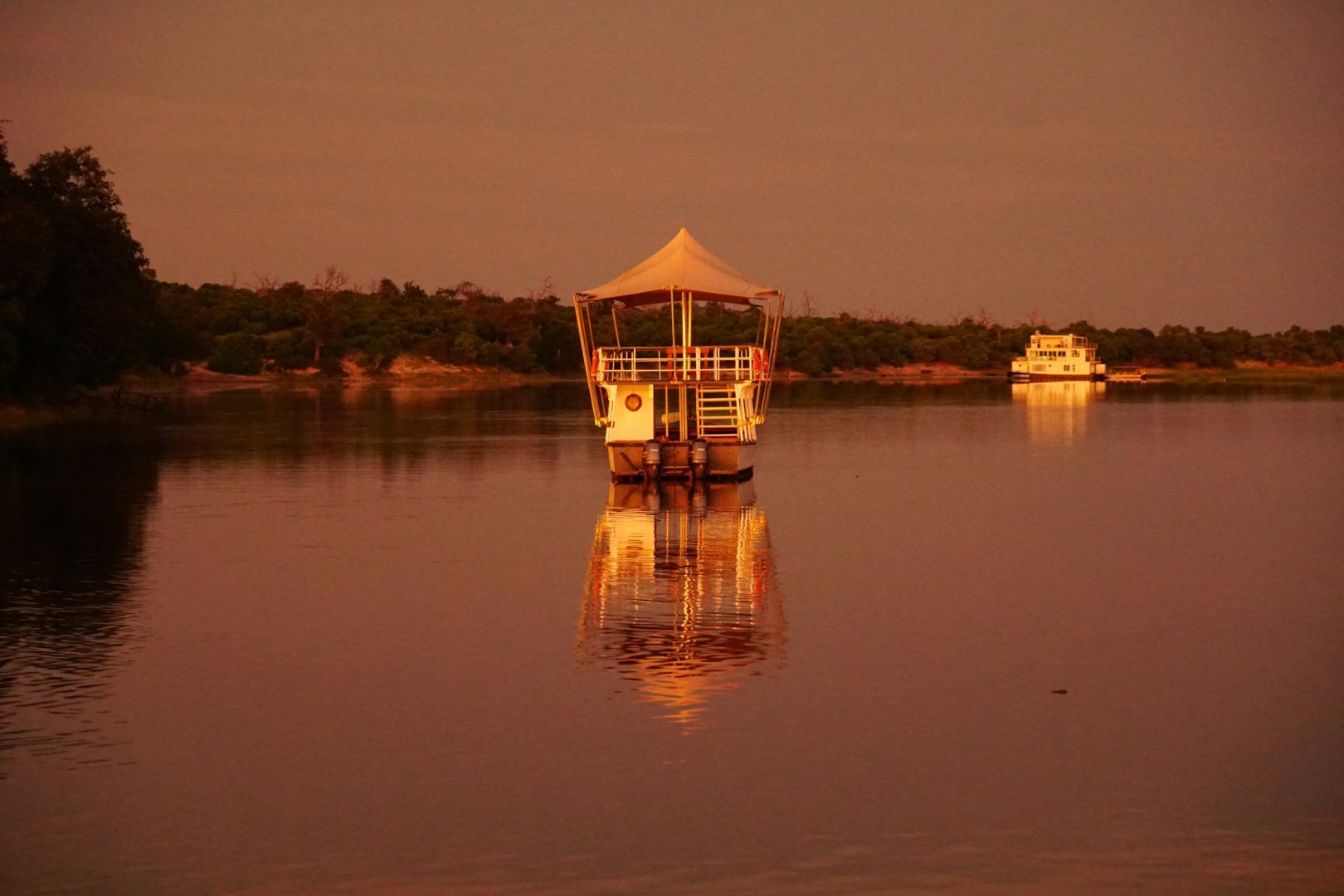
Caprivi
Caprivi, now officially known as the Zambezi Region of Namibia, is a narrow, water-rich area in the country's far northeast, extending between Angola, Zambia, Botswana, and Zimbabwe. Unlike much of Namibia's dry interior, Caprivi contains perennial rivers, floodplains, wetlands, woodland, and riverine forests.
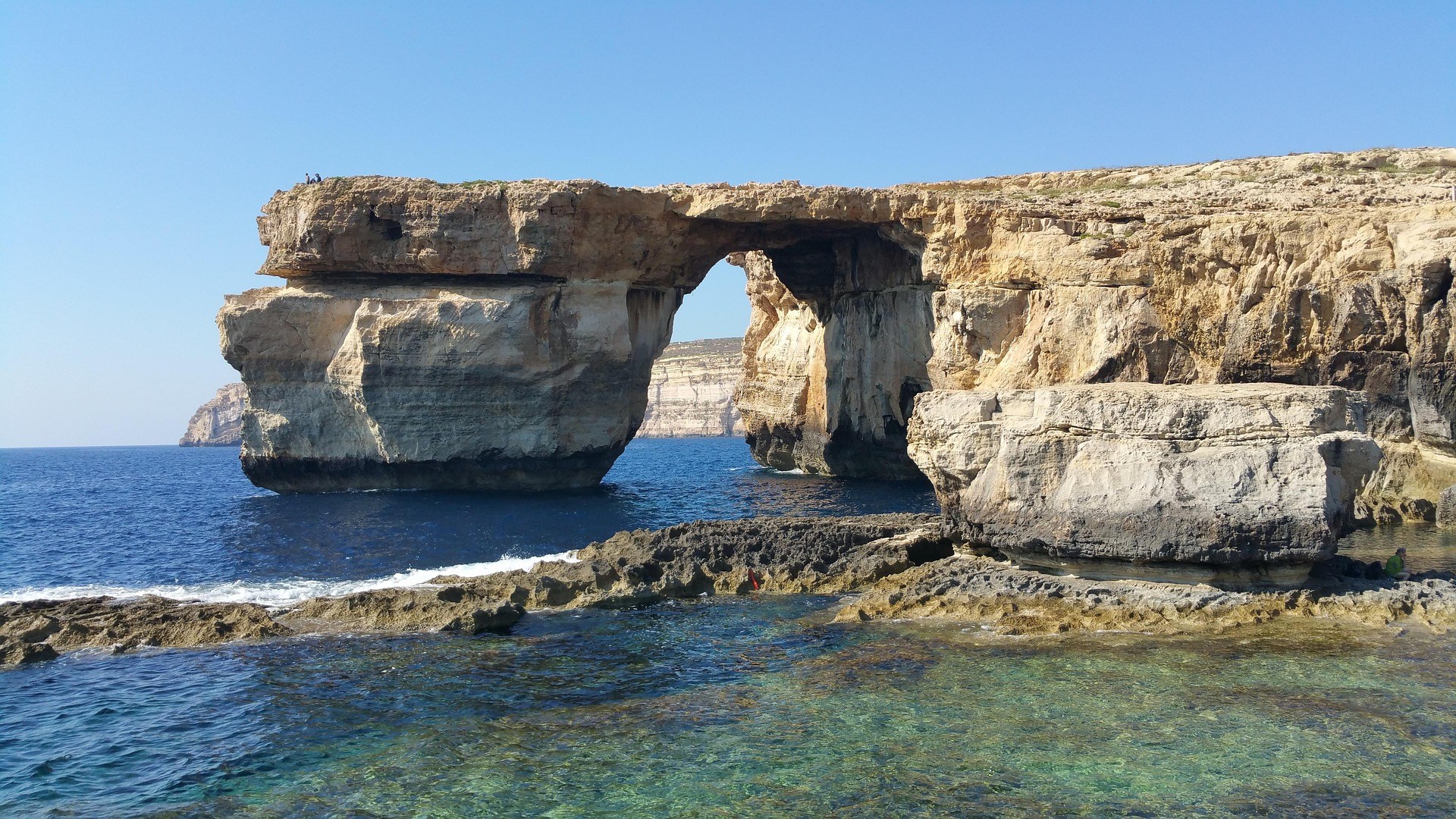
Gozo Island
Gozo, the smaller sister island of Malta, offers a tranquil contrast to the busier main island, blending rich history, rugged landscapes, and a slower pace of life. Known for its rolling hills, picturesque villages, and dramatic coastline, Gozo has preserved much of its rural charm, allowing visitors to step back into centuries of Mediterranean culture and tradition.

Puerto Madryn
Puerto Madryn is a seaside city on the eastern coast of Argentina. Facing Golfo Nuevo and the South Atlantic Ocean, this coastal destination is popular for its beaches, marine life, nature preserves, and Patagonian museums.
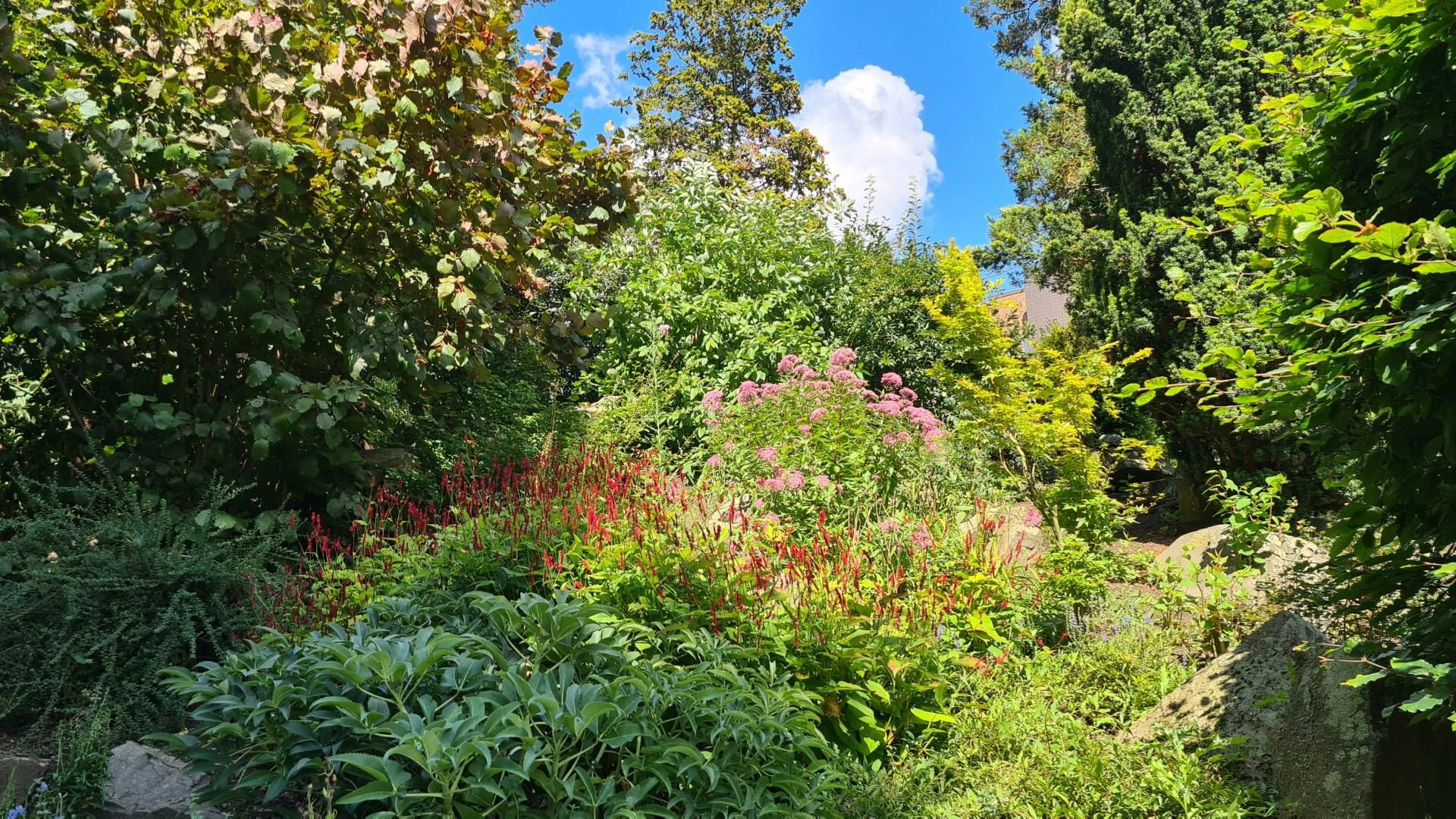
Liège
Liège, located along the Meuse River in eastern Belgium, is a city shaped by industry, resilience, and an independent spirit that dates back centuries. Once the capital of a powerful prince-bishopric, Liège has always done things its own way and is lived-in and layered with working neighborhoods, student cafés, and markets that tell the city’s real story. Every Sunday, locals gather at La Batte, one of the oldest and largest outdoor markets in Belgium.
