
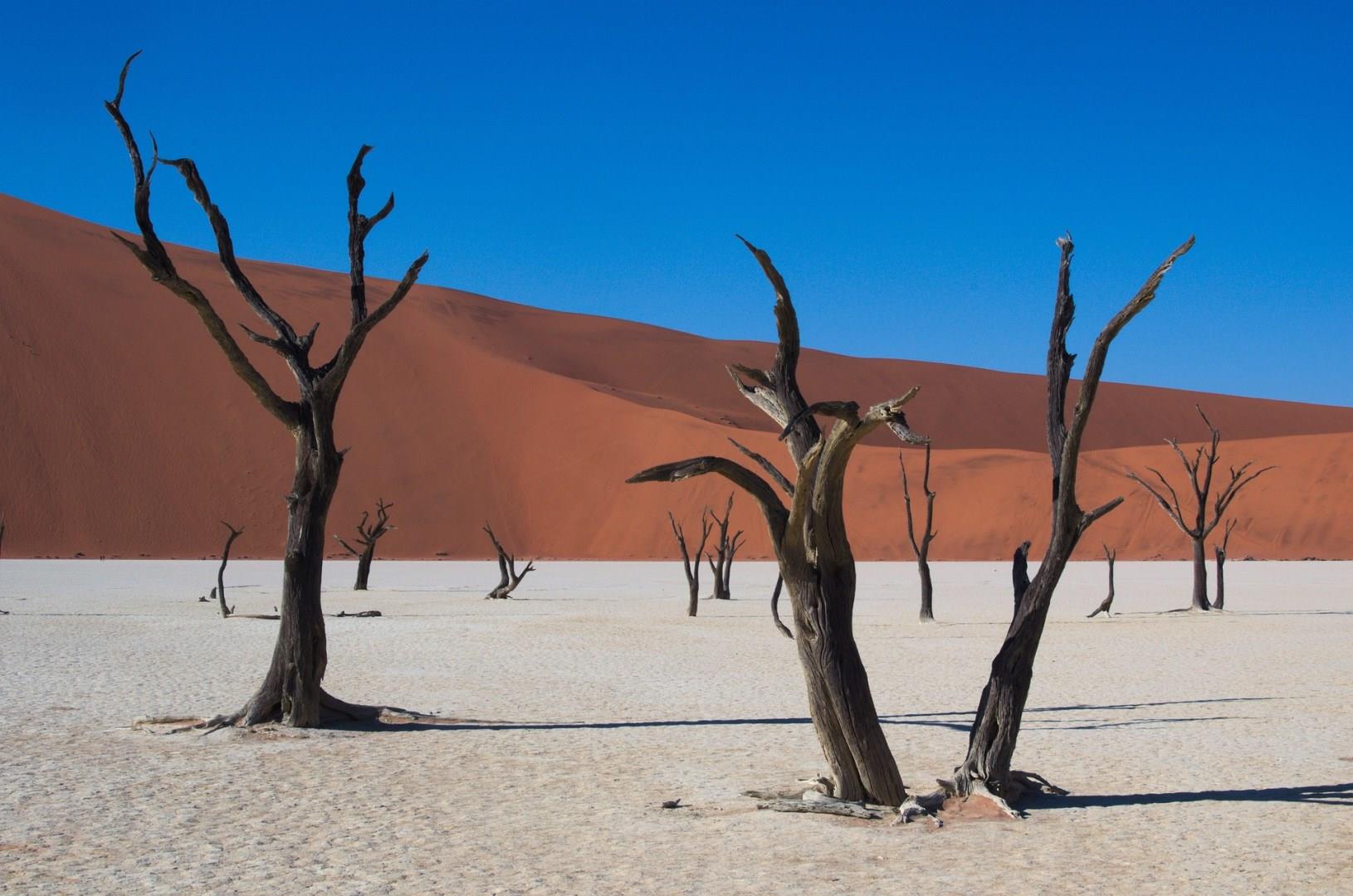
Deadvlei
Dramatic and otherworldly, Deadvlei in Namibia is one of the most surreal landscapes on the planet. Located within the Namib-Naukluft National Park, Deadvlei is a white clay pan that was once an oasis filled with acacia trees. Over 900 years ago, a shift in climate and the encroachment of the towering red sand dunes cut off the river that fed the pan, leaving behind a hauntingly beautiful scene of dead trees that have been perfectly preserved in the arid environment.
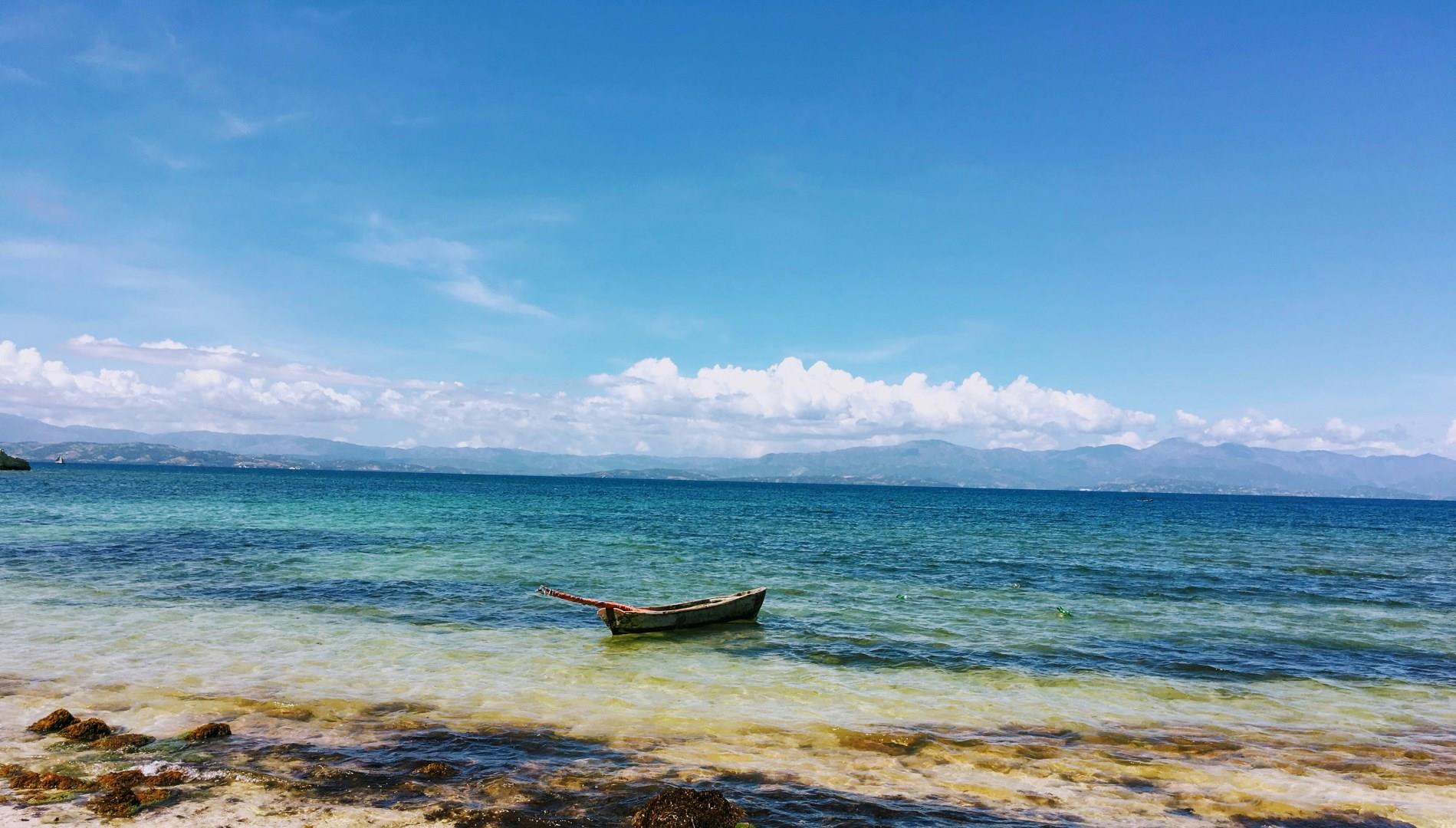
Ile a Vache
Ile a Vache, or "Cow Island," is a tranquil paradise off Haiti’s southern coast, offering a rare glimpse into an unspoiled Caribbean escape. With its pristine beaches, crystal-clear waters, and lush landscapes, the island is a haven for nature lovers and those seeking serenity.

Tarragona
The Port of Tarragona is located in one of the most active economic areas of the Spanish Mediterranean, where the main petrochemical complex of the Spanish State is located.
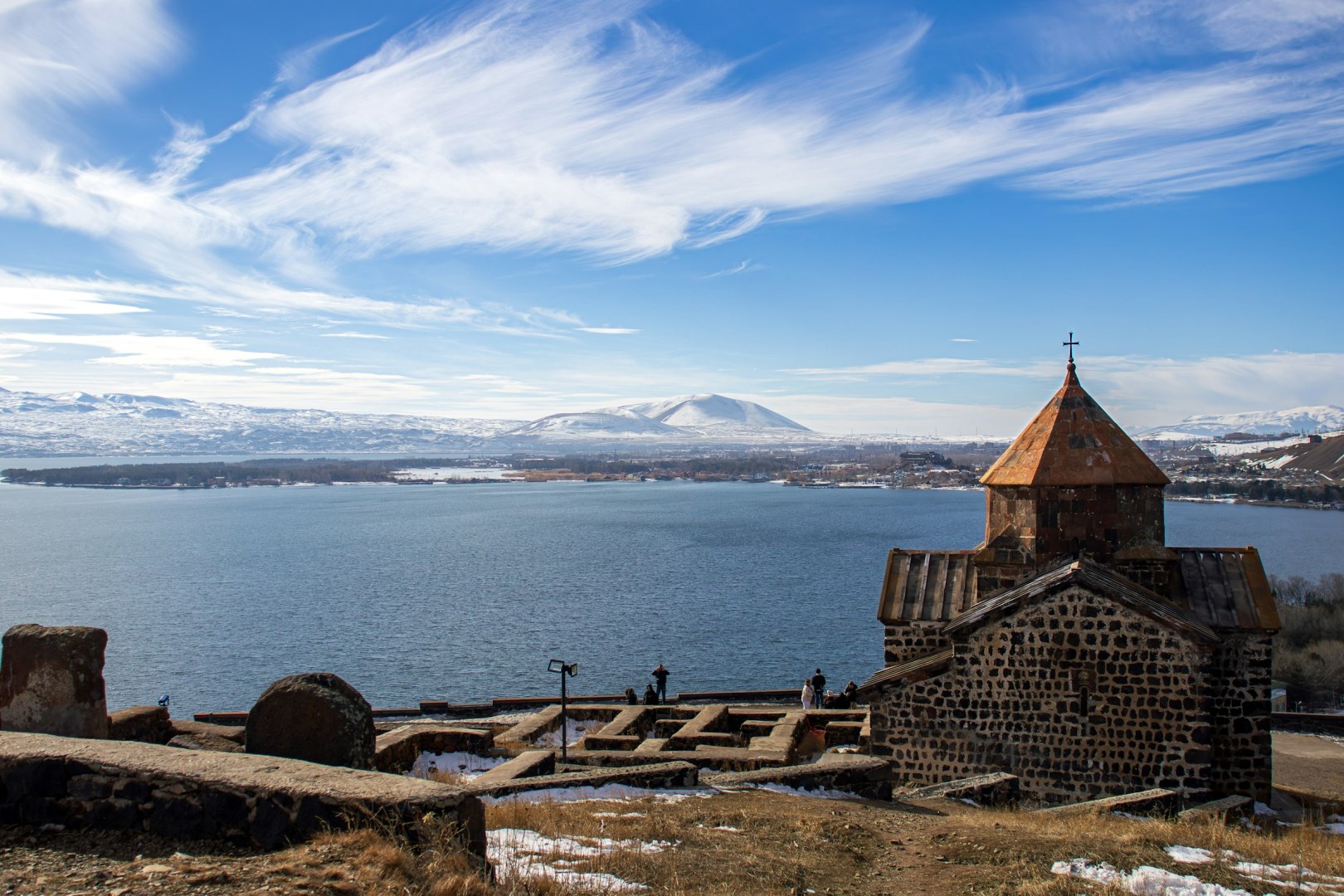
Sevan
Sevan is a town in Armenia's Gegharkunik Province, located beside Lake Sevan, one of the largest high-altitude freshwater lakes in the Caucasus. The town sits at more than 1,900 meters above sea level, with the lake extending across a broad basin surrounded by mountains. Sevan's landscape combines open water, grassy hills, rocky shores, and cultivated areas, while the cool climate distinguishes it from Armenia's lower valleys.
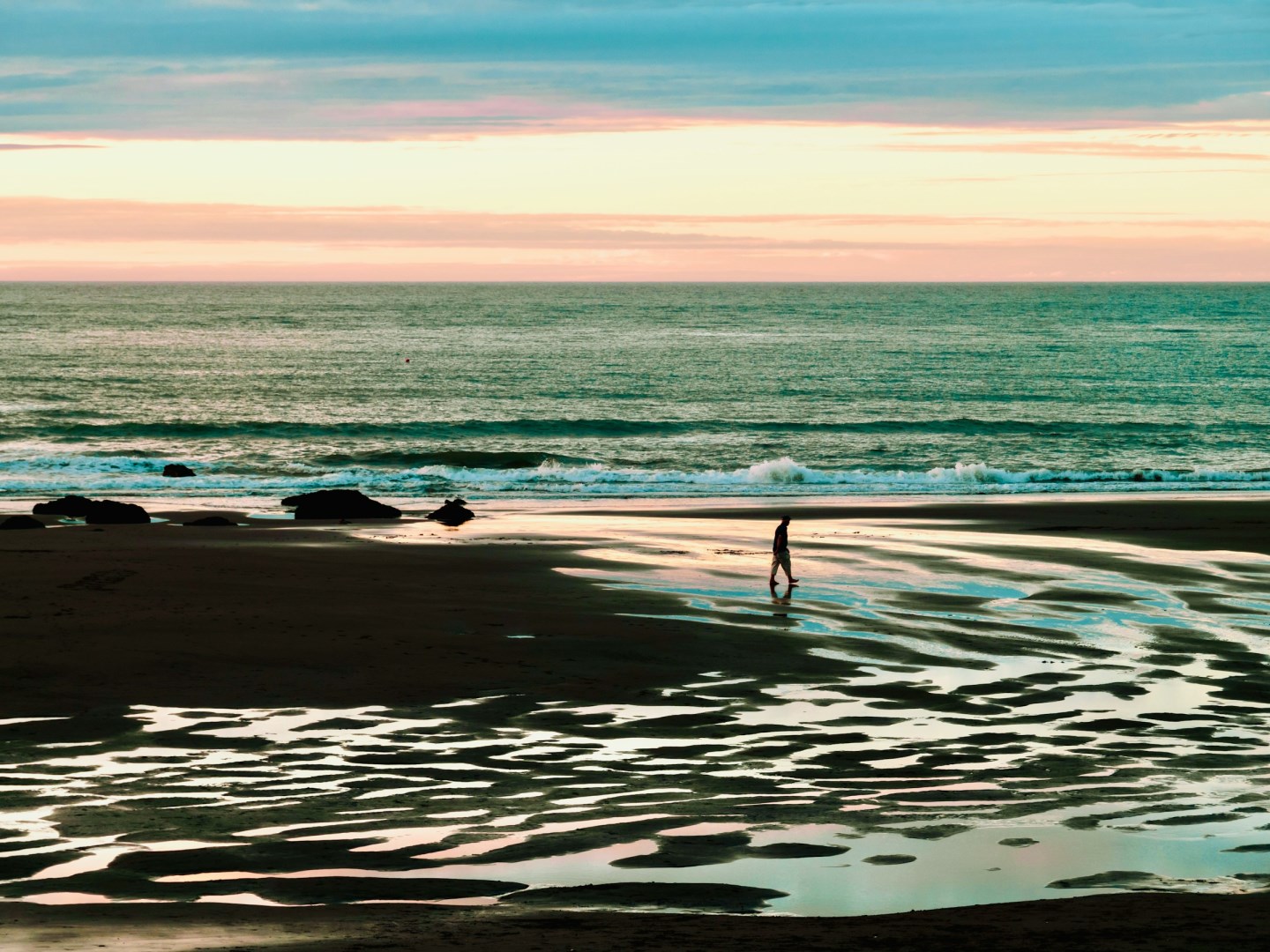
New Plymouth
New Plymouth is a coastal city on the western side of New Zealand’s North Island, facing the Tasman Sea beneath the volcanic cone of Taranaki Maunga.
