

Moab
Nestled between Canyonlands National Park and Arches National Park, Moab is the perfect entryway to some of Utah’s most iconic scenery. Dotted with gorgeous sandstone formations, mesas, and buttes, Moab epitomizes the rugged beauty of the American Southwest.
Hualien
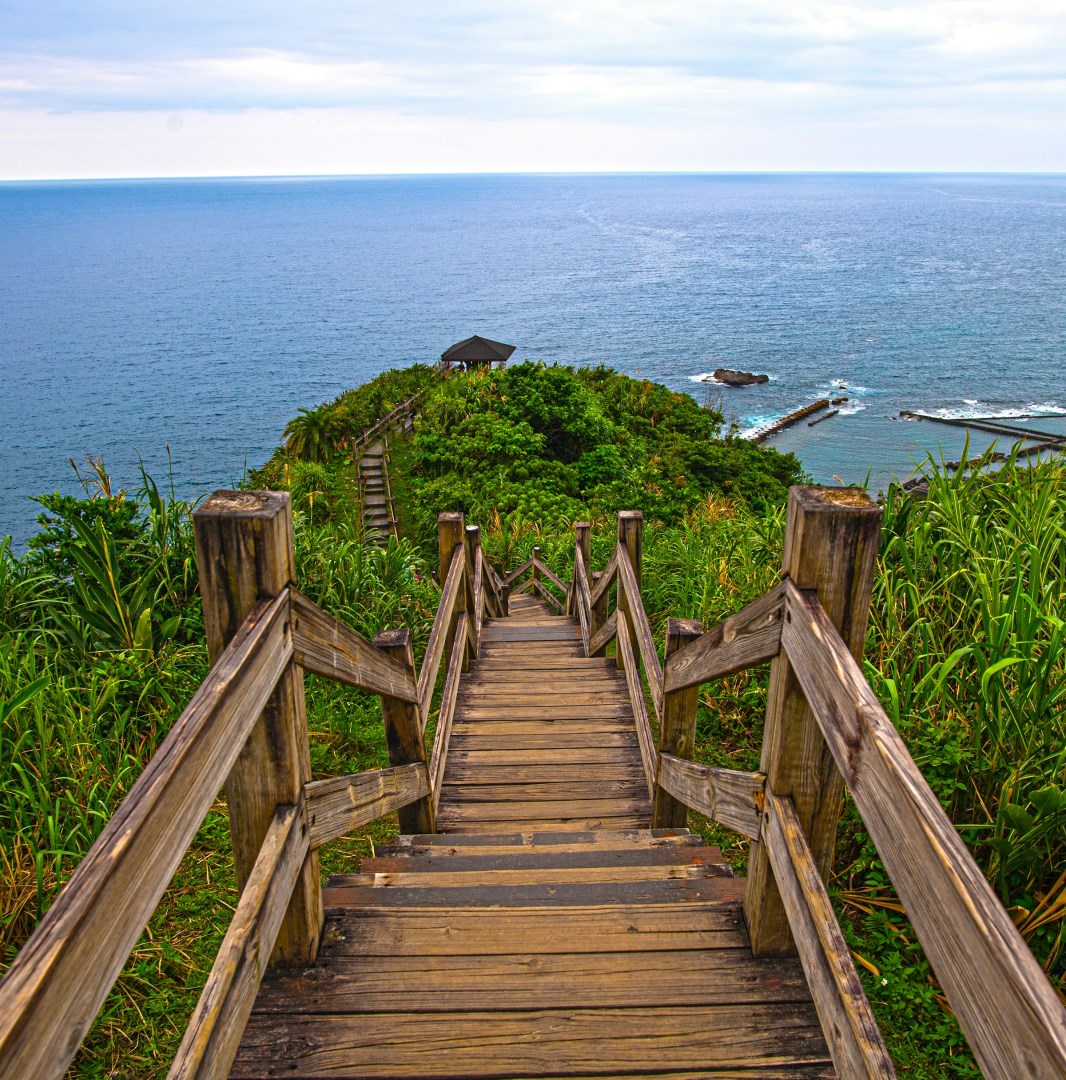
Nestled between the Pacific Ocean and the towering Central Mountain Range, Hualien, Taiwan offers an enchanting blend of natural beauty and cultural richness. This coastal city is renowned for its proximity to the stunning Taroko Gorge, a marvel of nature where marble canyons and lush vegetation create a dramatic landscape. Visitors can embark on breathtaking hikes along the Swallow Grotto Trail and the Shakadang Trail, each offering spectacular views of waterfalls and unique rock formations.
Mar Del Plata
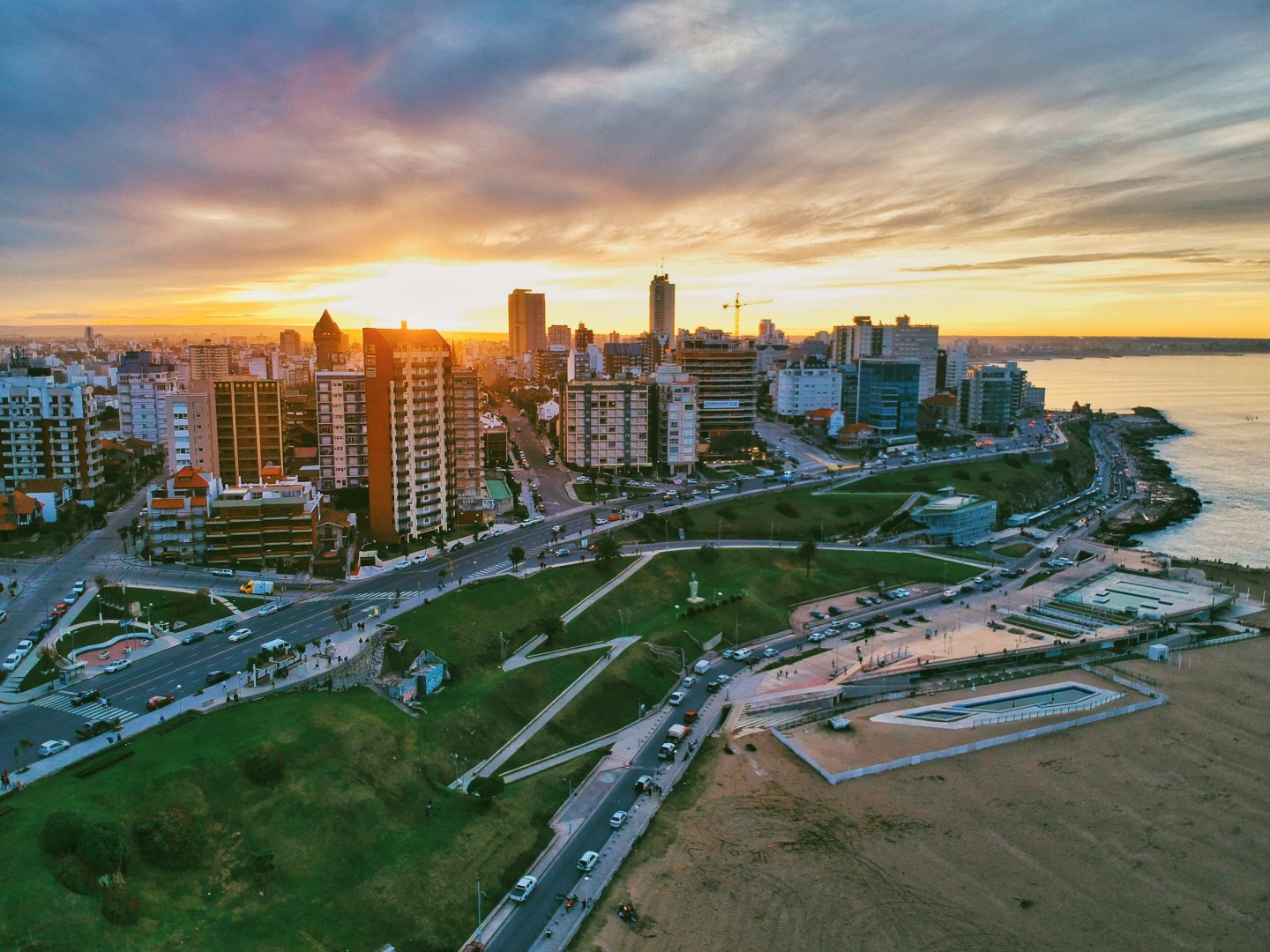
If summer means the beach to the inhabitants of Greater Buenos Aires, Mar del Plata is most often the beach they are thinking of. Situated on the northern Atlantic coast, 400km from the capital, beaches in this area sprawl for eight km, with sophisticated mansions (reflecting the area's upper-class origins) mingling with the new middle-class resorts. Sea lions keep an eye on the fishing activities around the wharves, and a replica of the grotto of Lourdes is a kitsch paradise.

Crotone
Located along the coast of Southern Italy, Crotone emanates a classic Italian lifestyle that appeals to tourists both foreign and domestic.

Venice
Welcome to Venice, with its network of canals, rich history and composition of over 100 small islands in the Adriatic Sea. Fine art, stunning architecture, white limestone bridges, moving about via watercraft... Venice is a singular experience and an astonishing masterpiece of civilization.
