
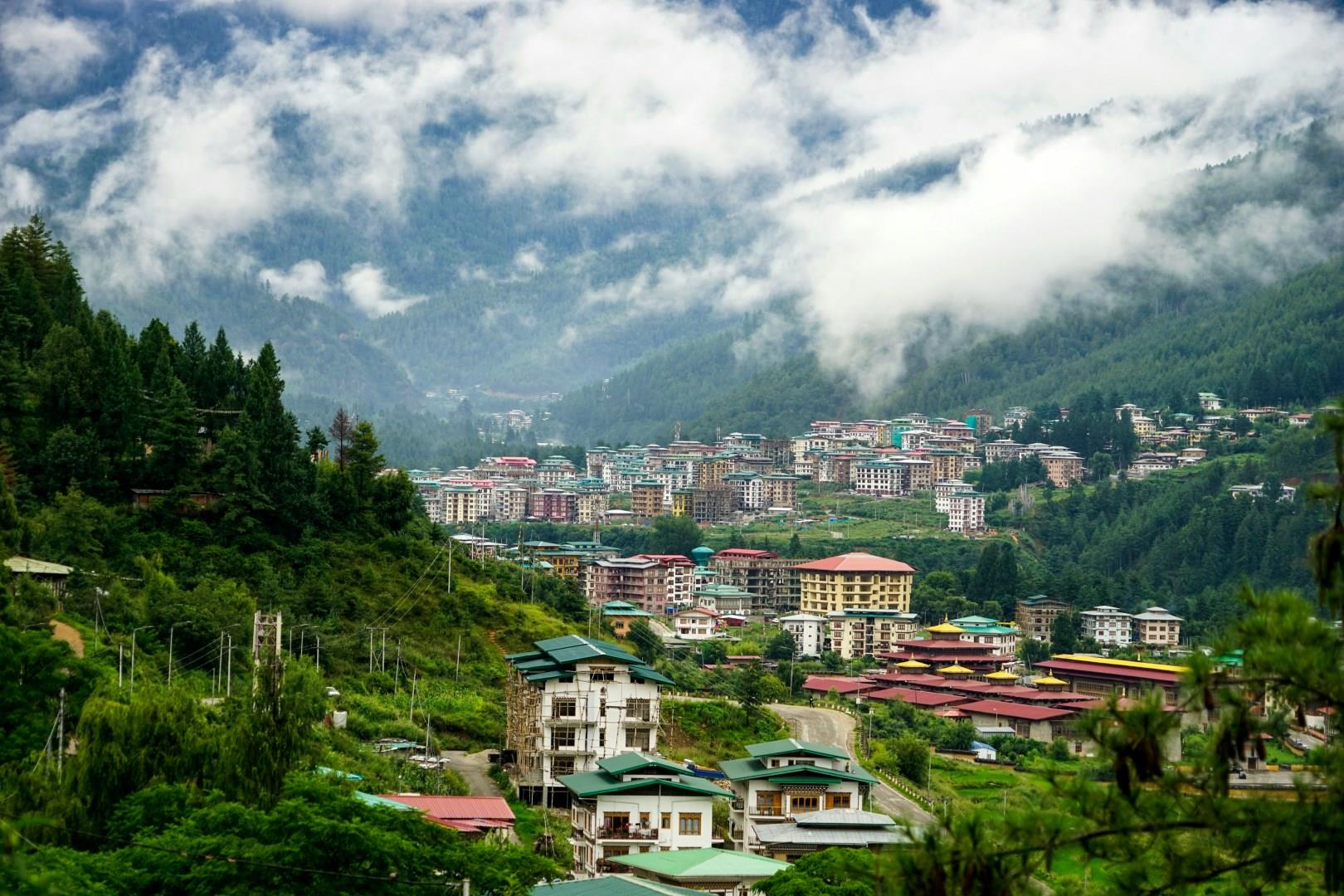
Thimpu
Thimphu, the capital of Bhutan, is a city where tradition and modern life meet in unexpected ways. Streets are lined with traditional Bhutanese architecture, colorful prayer flags, and shops selling handicrafts, while government offices and modern facilities operate alongside centuries-old temples.

Guernsey
Guernsey, the second-largest of the Channel Islands, blends coastal landscapes with a deep-rooted history shaped by centuries of outside influence. Though located closer to France than to mainland Britain, Guernsey is a British Crown Dependency with its own government and a distinct identity. The capital, St Peter Port, is a hillside town overlooking a natural harbor, where visitors can explore narrow lanes, stone stairways, and 18th-century buildings.
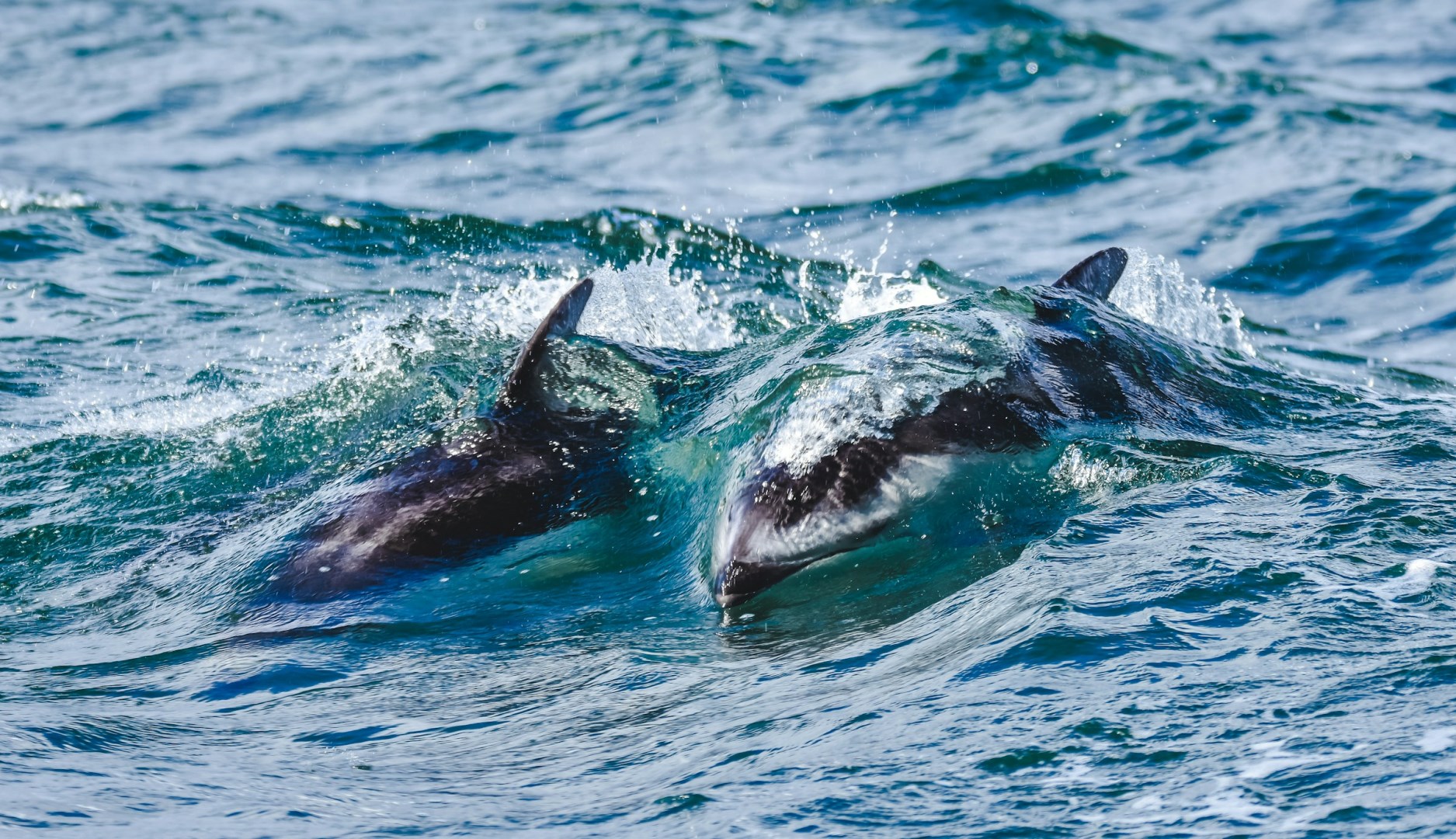
Cormorant Island
Cormorant Island is a small, forested island off the northeastern coast of Vancouver Island in British Columbia, with Alert Bay as its main community. The island faces the sheltered waters of the Broughton Strait and Queen Charlotte Strait, where coastal forests meet rocky shorelines, tidal marshes, and marine habitats.
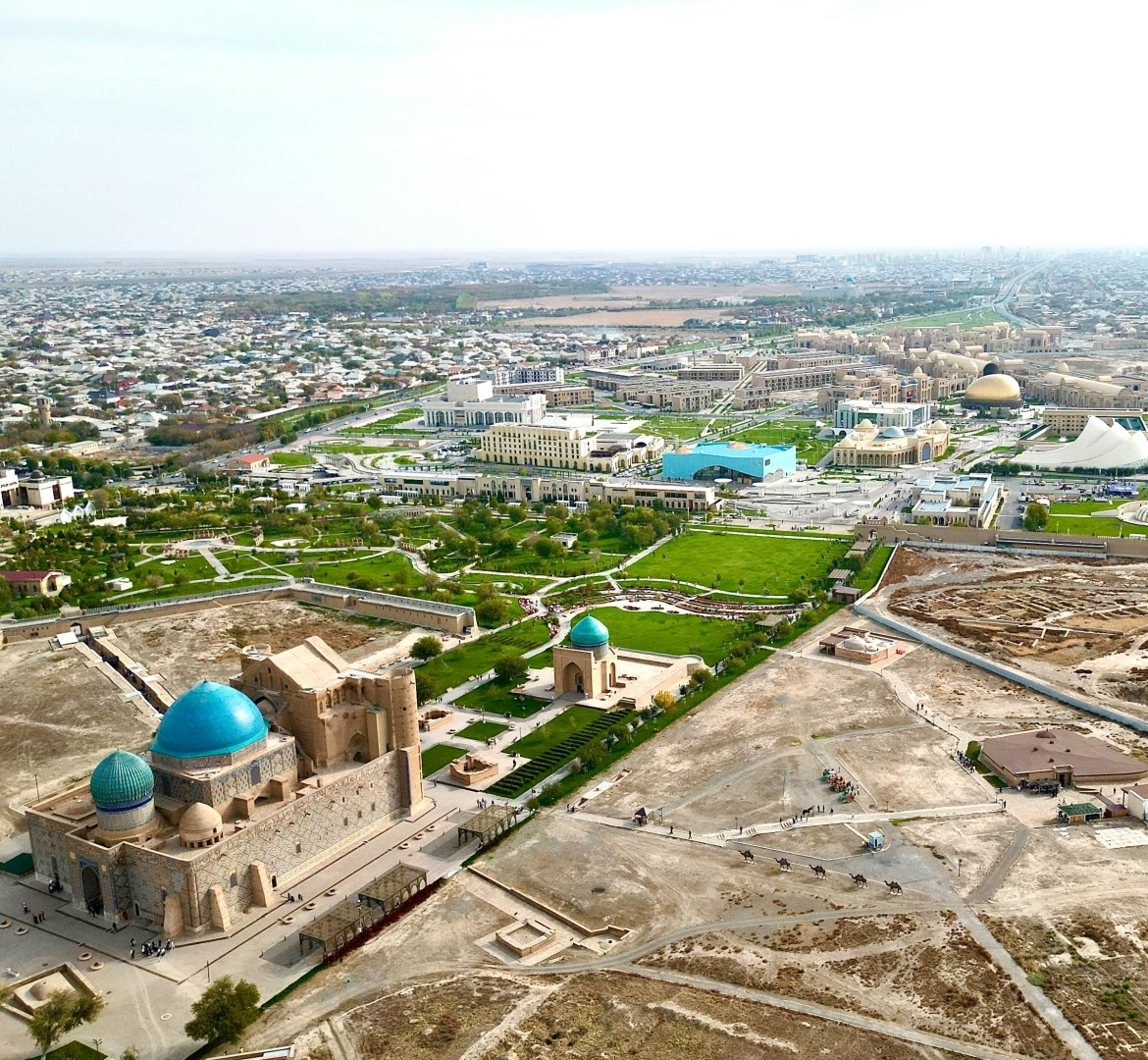
Turkistan
Turkistan is a historic city in southern Kazakhstan and an important center of Islamic culture in Central Asia. Located in the Turkistan Region, the city developed around an oasis landscape between the Syr Darya River and the Karatau Mountains. Its best-known landmark is the Mausoleum of Khoja Ahmed Yasawi, a monumental Timurid-era building and UNESCO World Heritage site.
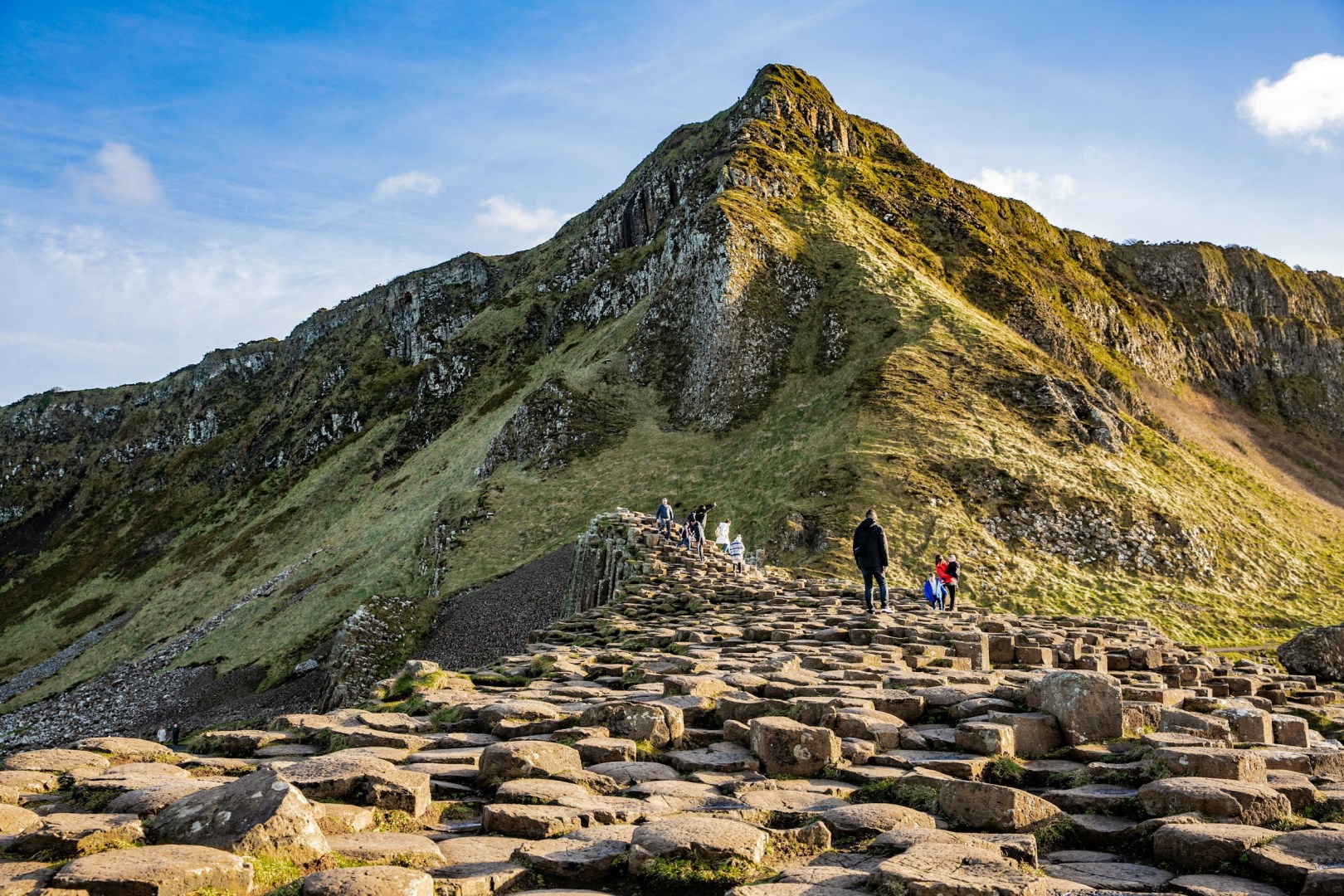
Giant's Causeway
Giant’s Causeway is a remarkable coastal formation on the north coast of County Antrim, Northern Ireland, where roughly 40,000 interlocking basalt columns extend from the foot of the cliffs into the sea. Most columns have a distinctive polygonal shape, created as layers of molten basalt cooled and contracted. The site forms part of the Giant’s Causeway and Causeway Coast UNESCO World Heritage Site and is protected as an important geological landscape.
