
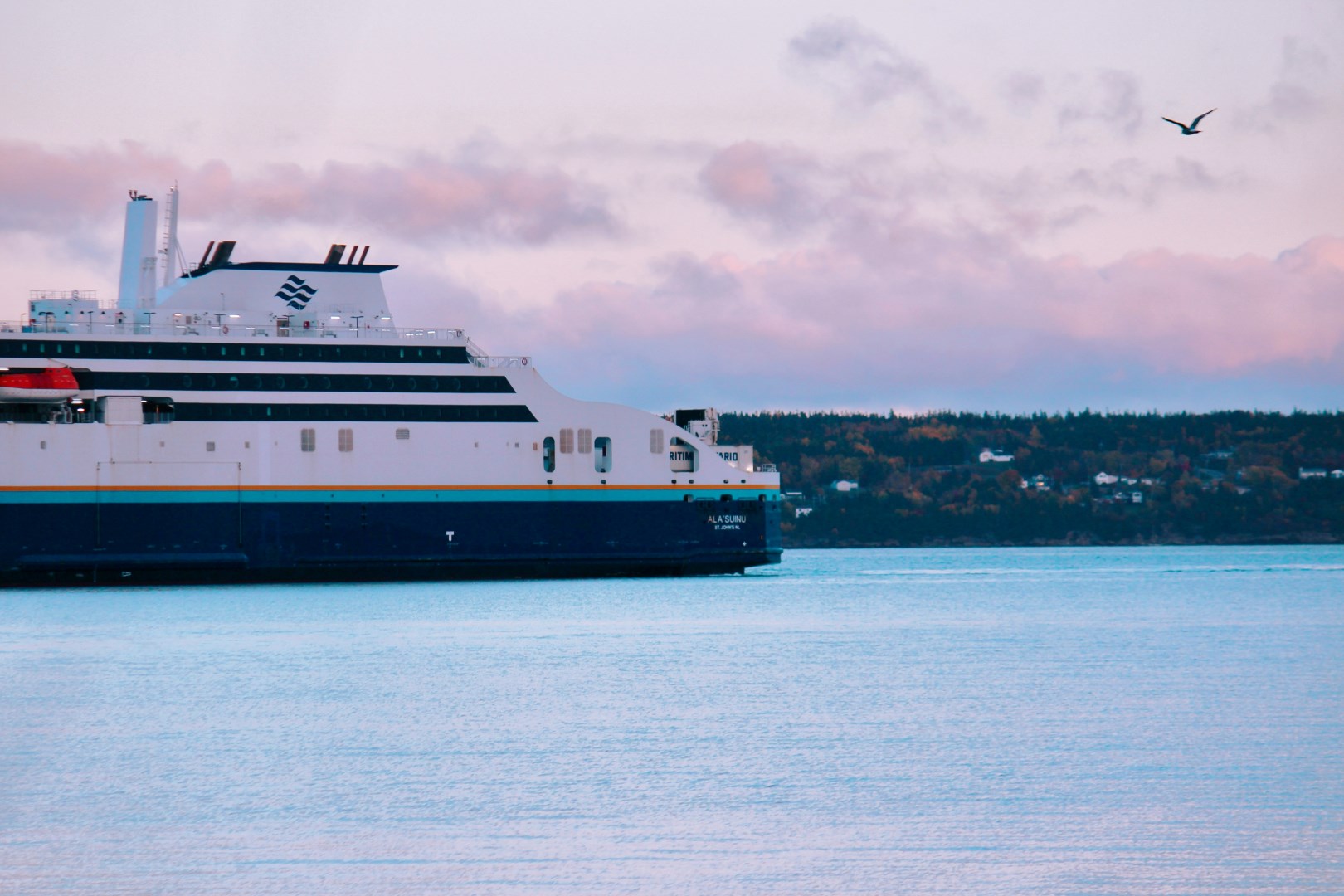
Sydney, Nova Scotia
Situated on the eastern edge of Cape Breton Island, Sydney in Nova Scotia welcomes visitors with a strong connection to the sea and a deep-rooted cultural identity. The city’s waterfront is a natural gathering place, where boardwalks stretch along the harbor and offer views of fishing boats, cruise ships, and open water. One of its most recognizable landmarks is the world’s largest fiddle, a towering tribute to the region’s musical traditions.

Brazil
Brazil is a country that moves to its own rhythm whether it be samba, bossa nova, the roar of waterfalls or the quiet of the rainforest. Stretching from the Amazon Basin to the Atlantic coastline, Brazil offers both iconic cityscapes and vast natural frontiers. In Rio de Janeiro, visitors can ride a cable car up to Sugarloaf Mountain, watch the sunset from Arpoador, or join a drumbeat-filled bloco during Carnival, where the streets turn into one massive celebration of music, movement, and color.
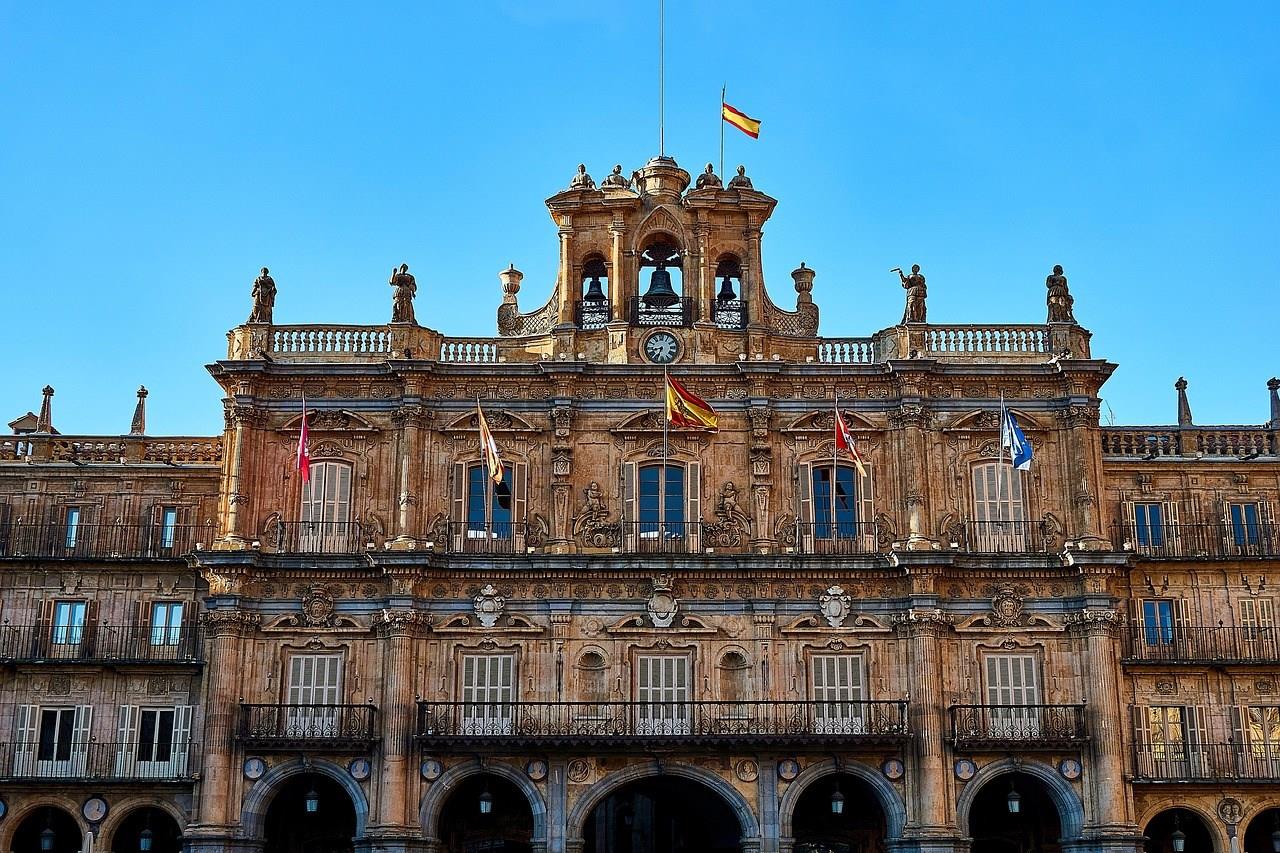
Salamanca
Salamanca, often called the “Golden City” for the warm glow of its sandstone buildings, is a place where centuries of stories are etched into every wall. Visit its historic center to wander through cobbled streets lined with architectural marvels. The University of Salamanca, founded in 1218, is one of the oldest in Europe and still buzzes with student life.
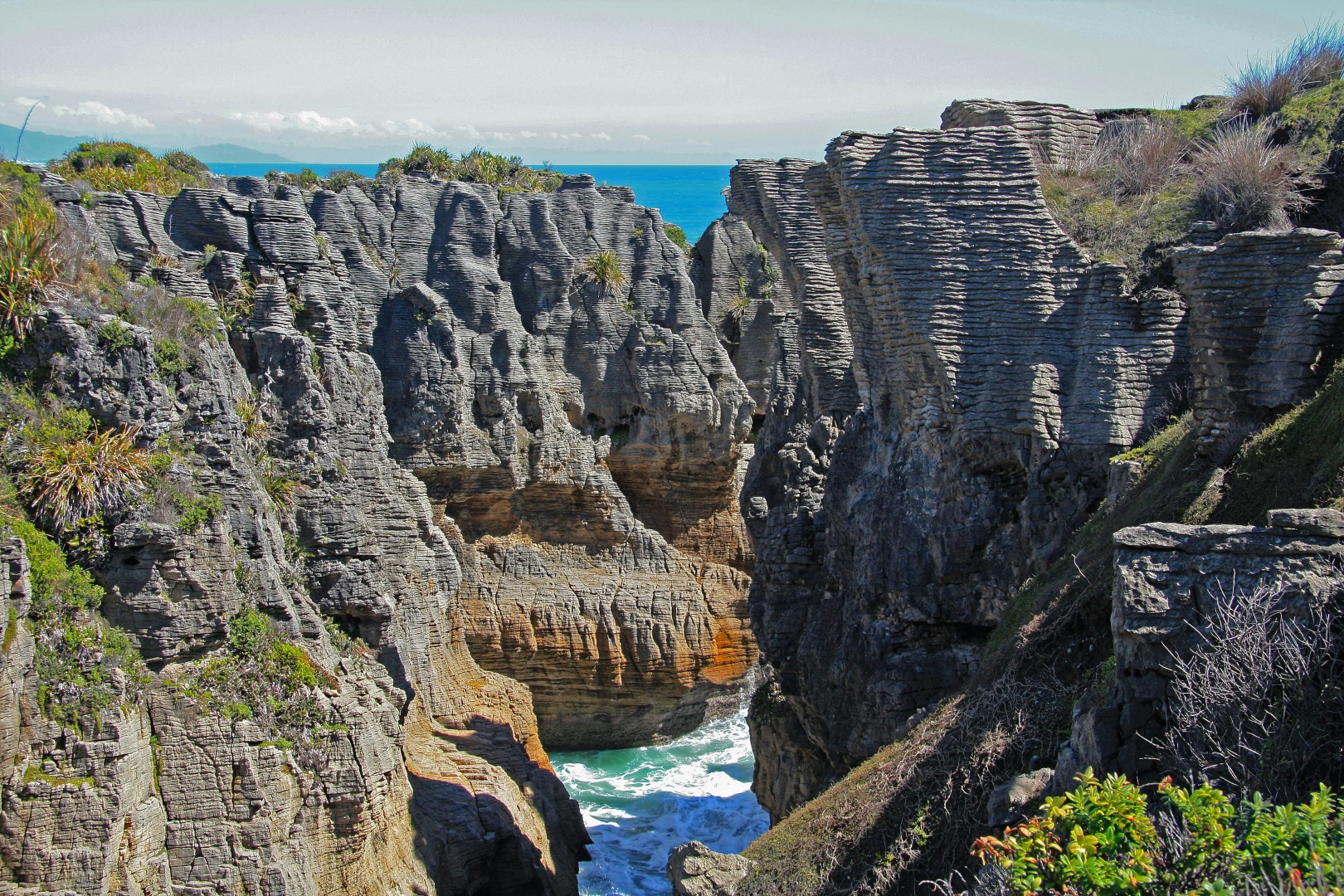
Punakaiki
Punakaiki is a small coastal settlement on New Zealand’s South Island, located along the rugged West Coast within Paparoa National Park. It is widely recognized for its distinctive limestone formations and its position between dense rainforest and the Tasman Sea.
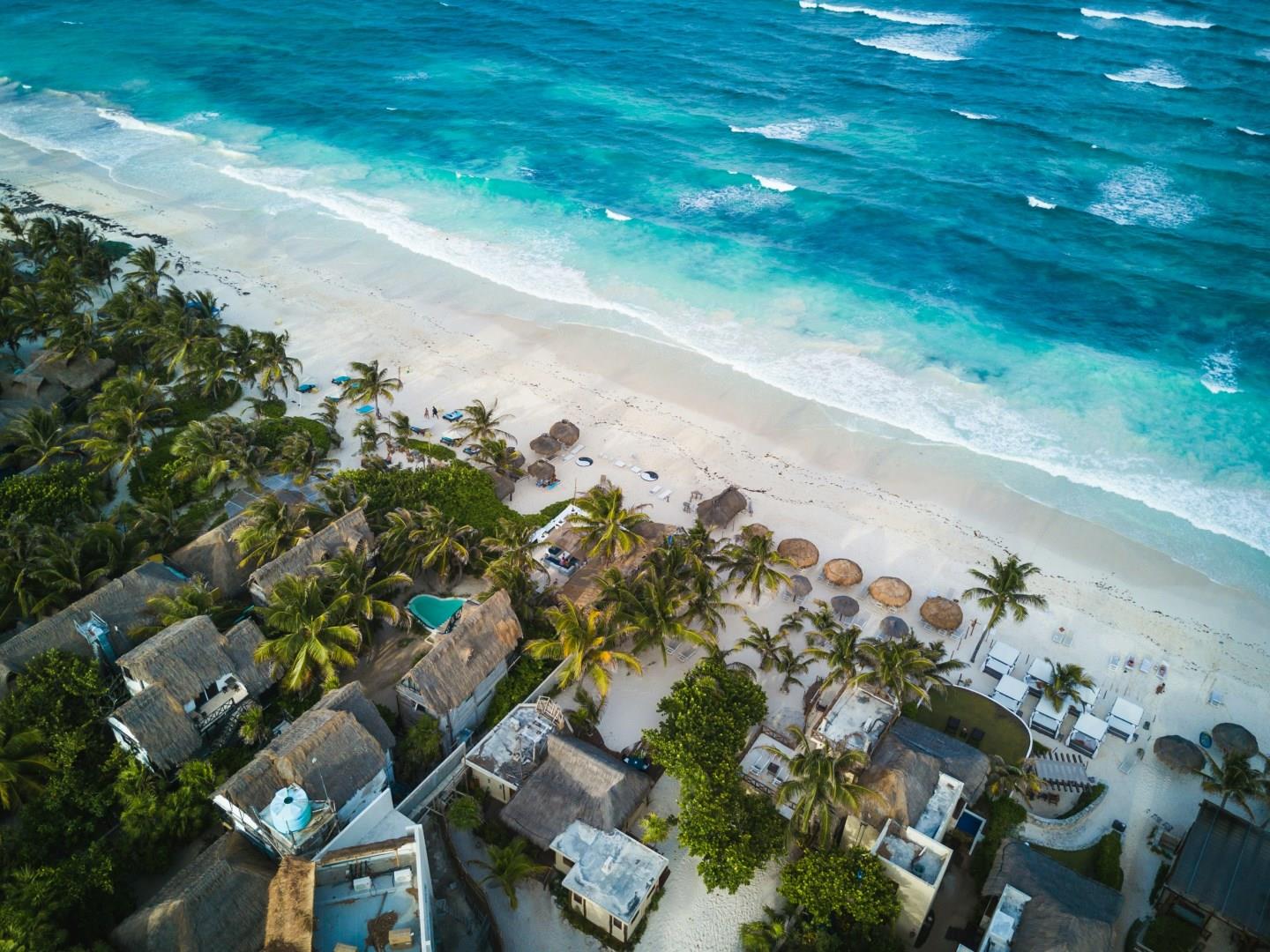
Mexico
Mexico is a land where ancient civilizations, vibrant traditions, and breathtaking landscapes come together. From the bustling streets of Mexico City to the quiet pueblos tucked into mountain valleys, each corner of the country reveals a unique facet of its rich identity.
