
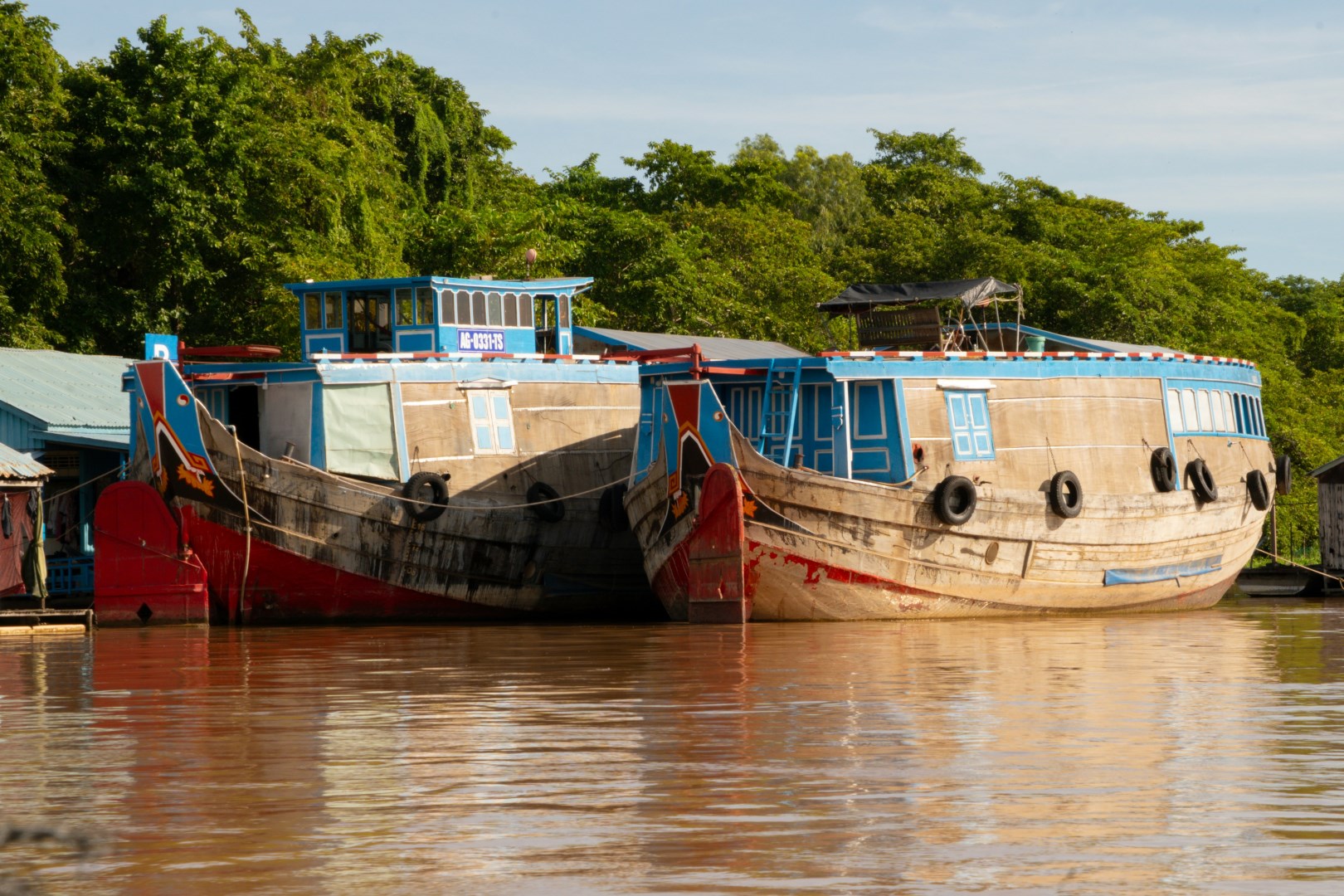
Chau Doc
Chau Doc is a riverside city in Vietnam’s An Giang Province, close to the border with Cambodia and the waterways of the Mekong Delta. The city is known for its floating fish farms, canal networks, and active river trade that connects nearby rural communities.
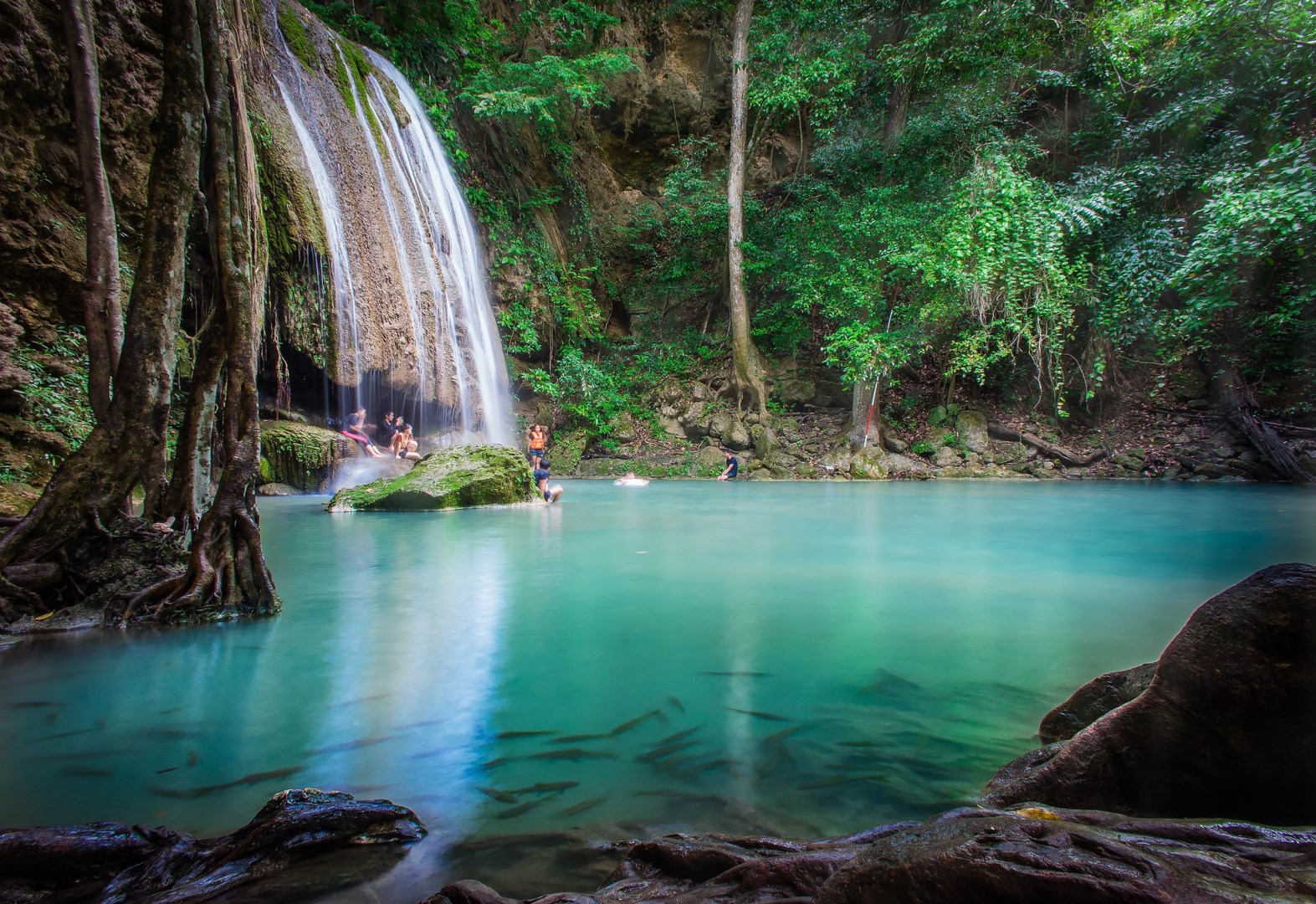
Erawan National Park
Erawan National Park is located in Kanchanaburi Province in western Thailand and is best known for its tiered waterfalls, limestone hills, and dense forest. The park covers a large area of mixed deciduous and evergreen woodland near the Tenasserim Hills close to the border with Myanmar.

Scotland
Scotland, a land of rugged landscapes, ancient castles, and vibrant culture, offers travelers an unforgettable experience steeped in history. From the rolling hills of the Scottish Borders to the dramatic Highlands and islands, the country’s diverse scenery is a paradise.
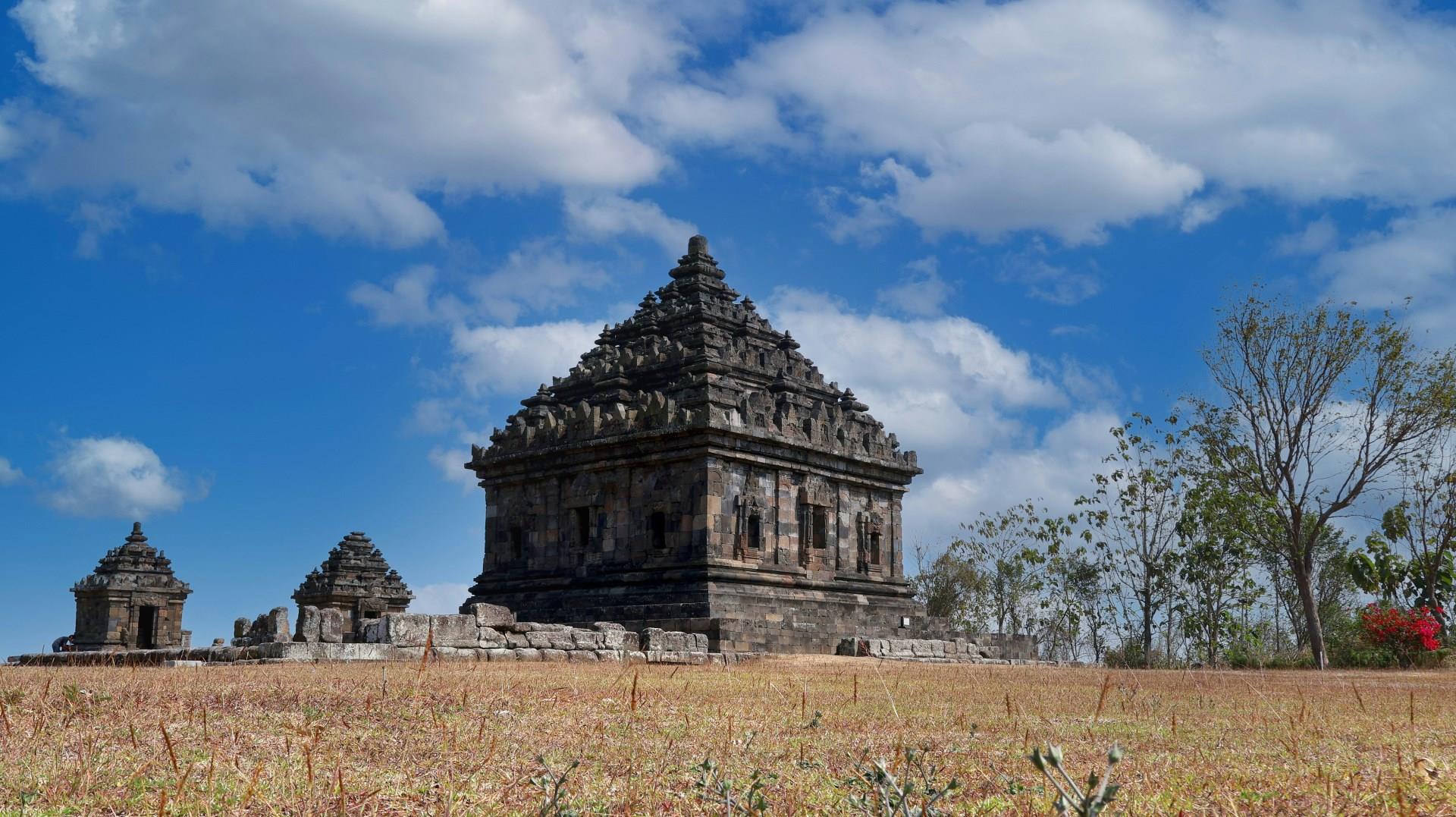
Yogyakarta Java
Yogyakarta, on the island of Java, is often described as Indonesia’s cultural capital, a reputation grounded in living tradition rather than nostalgia. It remains the seat of a functioning sultanate, and the royal palace, or kraton, anchors the city’s identity through ceremonies, crafts, and court arts that continue to shape everyday life. The city also played a key role in Indonesia’s struggle for independence, giving it a strong sense of civic pride and historical awareness.
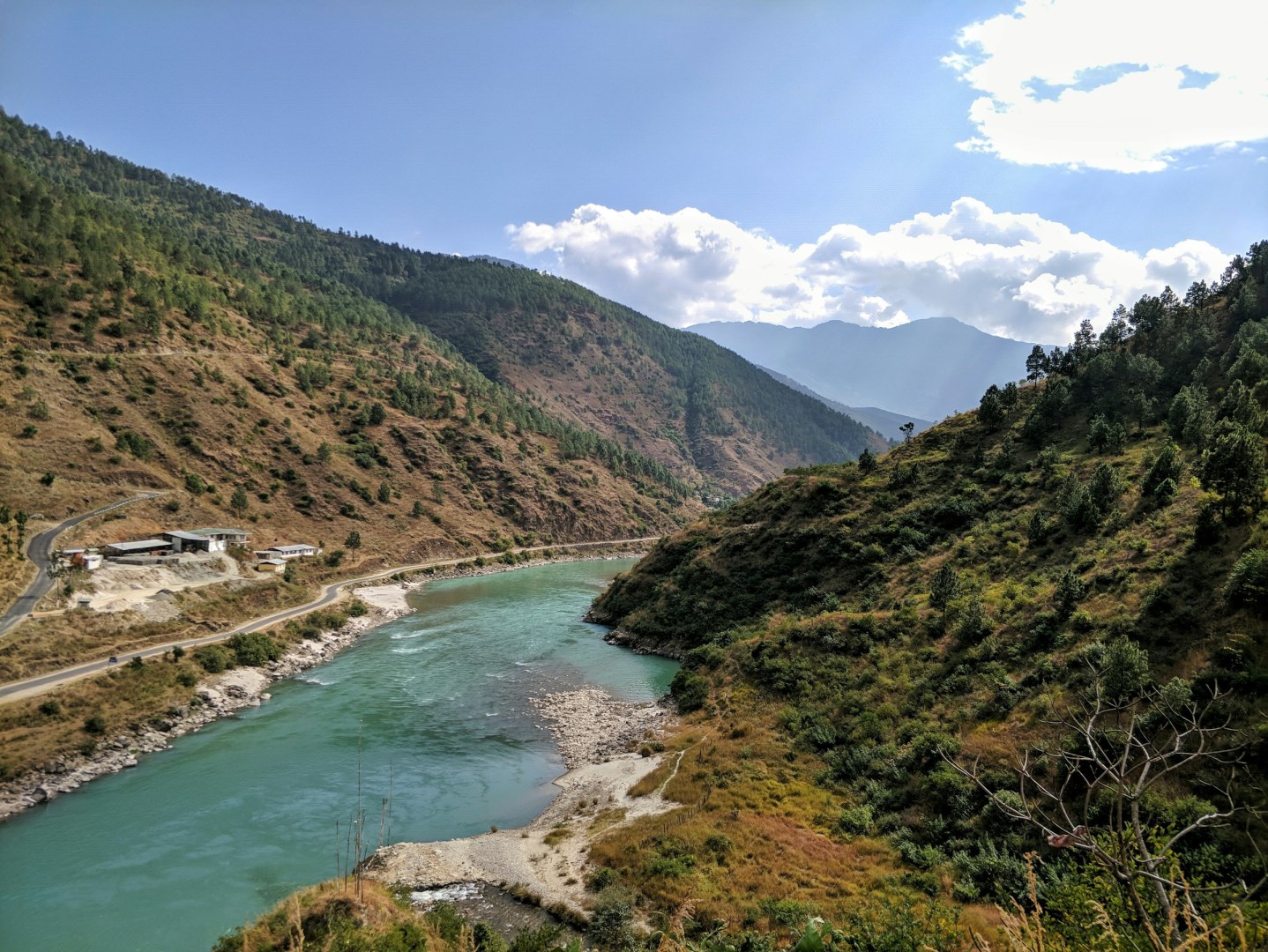
Lobesa - Metsina
Lobesa–Metsina is a rural area in Punakha District, western Bhutan, set within the warm and fertile Punakha Valley. The settlements lie among rice paddies, mustard fields, orchards, and forested hills, with the Punatsangchhu River shaping the wider valley landscape. Lobesa is located along the main road linking Punakha and Wangdue Phodrang and provides access to villages and agricultural areas surrounding the valley. The region has a distinctly rural character, with traditional Bhutanese houses,
