

Hamburg
Located in northern Germany, Hamburg is an important commercial hub on the Elbe River and unique for the expansive system of canals which divide the city in two. Replete with fascinating architecture and scenic waterfront promenades, Hamburg offers plenty to see and explore!

Santa Ana
Santa Ana is the county seat of Orange County and one of the largest cities in the region, located inland from the Pacific coast in Southern California. Its identity is closely tied to a historic downtown, long-established residential neighborhoods, and a strong Mexican American cultural presence. Fourth Street and Main Street form the traditional center of the city, while areas such as the East End and Floral Park add distinct architectural and neighborhood character.
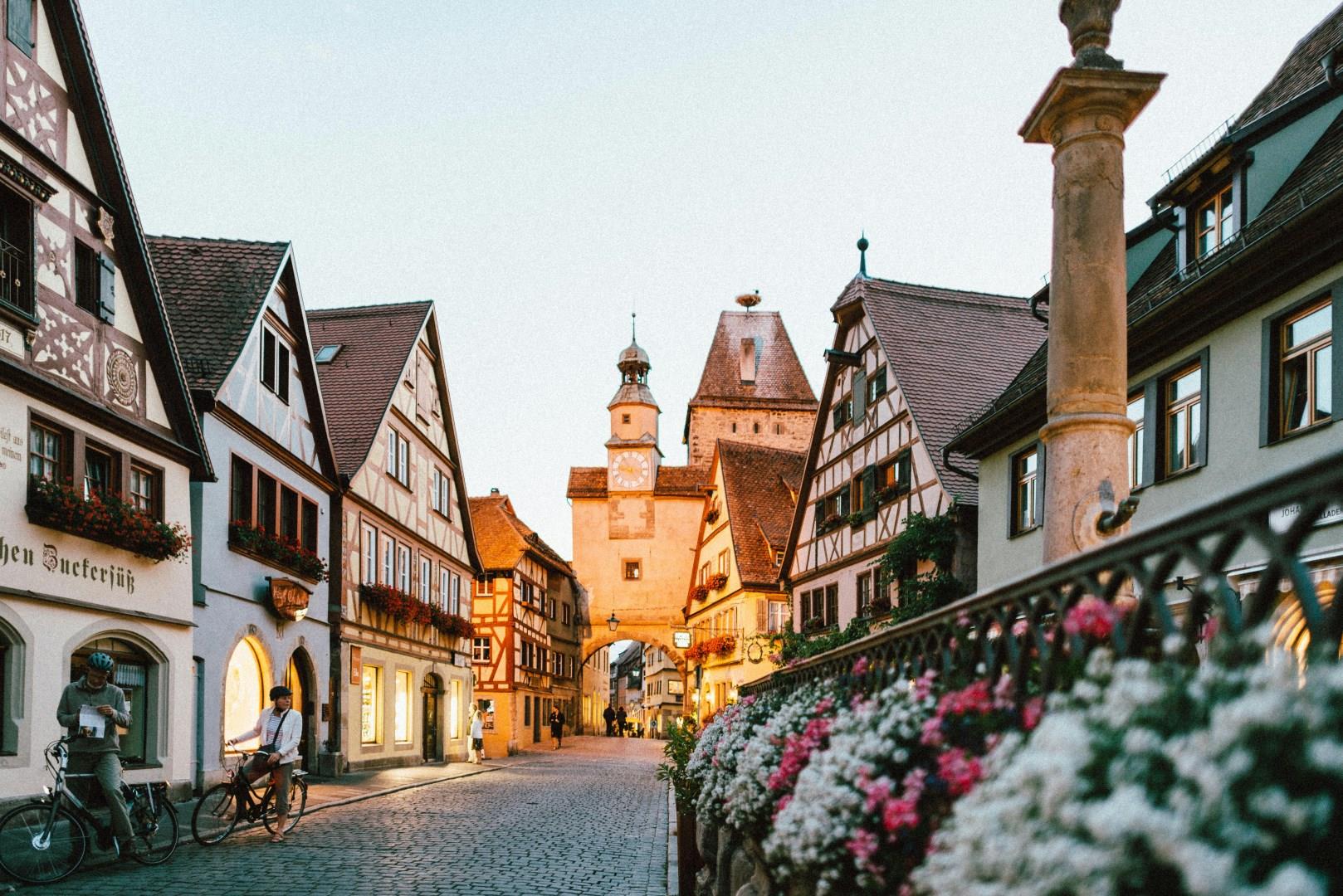
Rothenburg
Rothenburg ob der Tauber rises above the Tauber River in Bavaria, where its medieval town center has stood largely unchanged for centuries, making it one of Germany’s most vivid windows into the past. This old walled city stretches along cobblestone streets where half-timbered houses, ancient towers, and narrow alleys invite visitors to wander and imagine life in the Middle Ages.

Hong Kong
Hong Kong is one of the few places in the world where a 700-year-old fishing village sits minutes away from the headquarters of international banks. Once a British colony and now a Special Administrative Region of China, the city carries traces of Cantonese, colonial, and global influences in its streets, rituals, and food. The city has more than 300 hiking trails, including the well-known Lion Rock hike, which ends at a dramatic cliff overlooking Kowloon’s dense skyline.
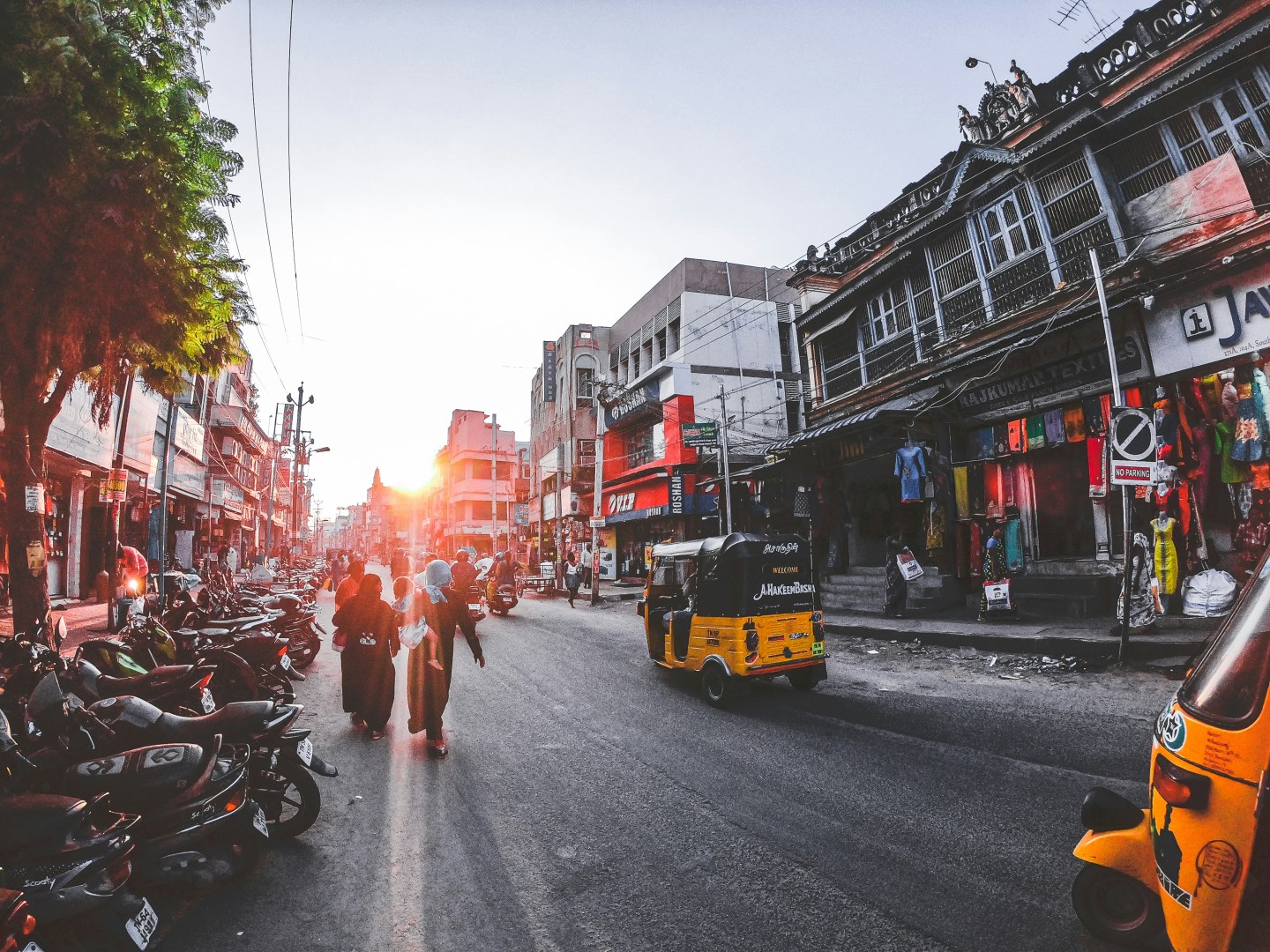
Madurai
Madurai is a major city in the southern Indian state of Tamil Nadu, known for its long-standing role as a center of religion, trade, and learning. Set along the Vaigai River, it has grown into a busy urban area while retaining a strong connection to its temple-centered layout.
