
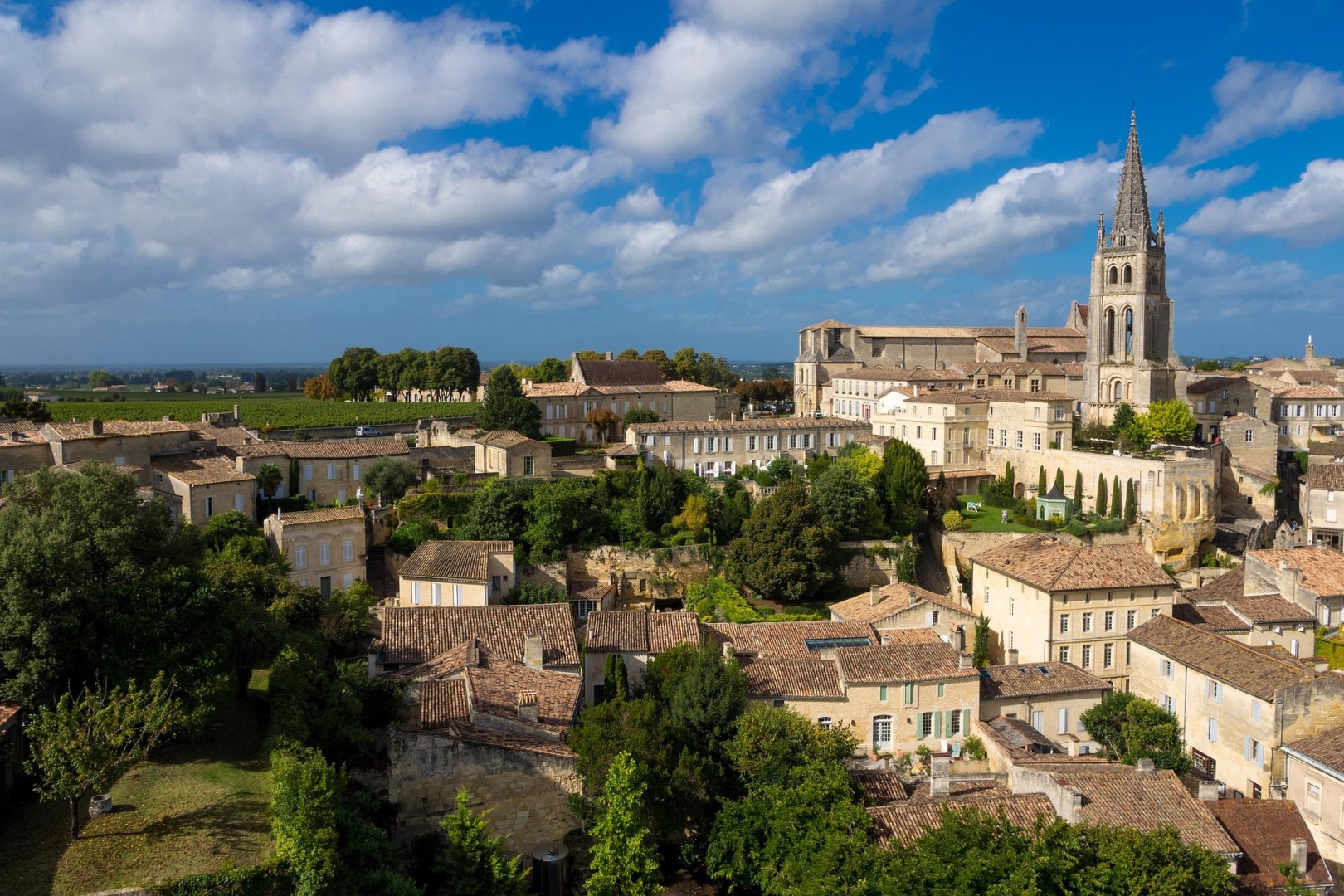
Saint-Émilion
Saint-Émilion, nestled in the heart of southwest France, is a living monument to centuries of craftsmanship, faith, and wine-making. Recognized as a UNESCO World Heritage Site since 1999, this medieval town sits on a limestone plateau surrounded by vineyards that date back to Roman times. Visitors can explore cobbled streets that wind past centuries-old stone houses, descend into underground catacombs carved by monks, and visit the astonishing Monolithic Church.

Perito Moreno Glacier
Perito Moreno Glacier is one of the most recognizable ice formations in Argentina, located within Los Glaciares National Park in Santa Cruz Province. The glacier extends into the southern arm of Lago Argentino and is notable for its broad ice front, which can be viewed from a network of walkways and observation platforms. Its proximity to El Calafate makes it one of the more accessible major glaciers in Patagonia.
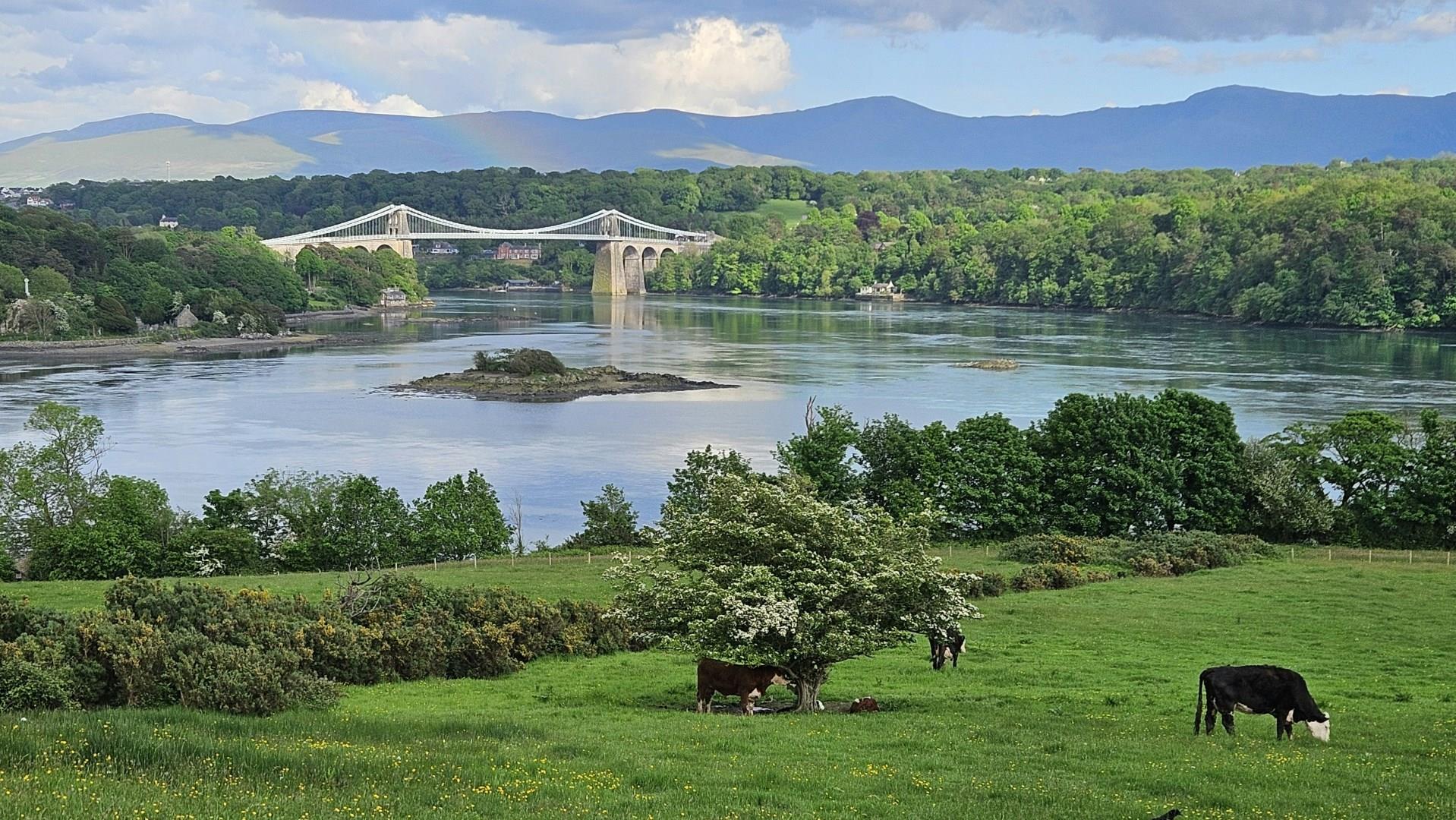
Anglesey
Anglesey is an island off the northwest coast of Wales with a history that stretches back thousands of years. Fertile lands and strategic coastal position made it an early center for agriculture, livestock, and maritime trade.
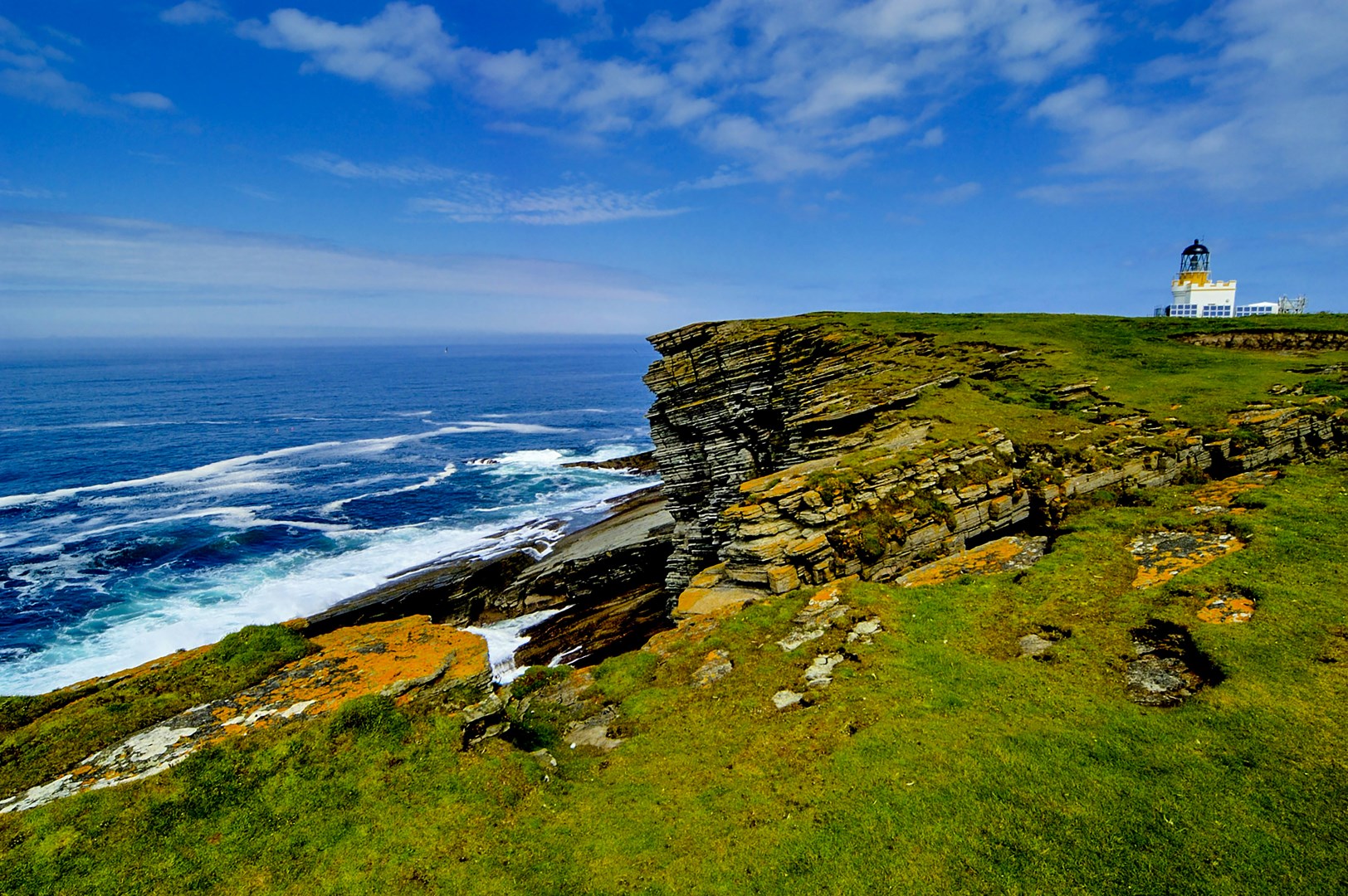
Orkney Island
The Orkney Islands sit just off the northern coast of Scotland. This group of around seventy islands offers wide horizons, quiet roads, and coastlines shaped by wind and waves where visitors often arrive expecting rugged scenery and leave talking about the sense of space from the long beaches to the steep cliffs and sea stacks rising straight from the water. One striking example is the Old Man of Hoy, a tall sea stack that draws photographers and climbers alike.

Versailles
Versailles, just a short journey from Paris, is a city where grandeur and history converge in a stunning display of French royalty. At the heart of this city lies the iconic Palace of Versailles, a UNESCO World Heritage site that was once the residence of Louis XIV, the Sun King.
