

Soufriere
Soufriere sits on the southwest coast of St. Lucia, framed by steep hills and the twin Pitons that rise sharply from the sea. Once the island’s original capital, the town carries deep historical roots tied to colonial rivalries and the development of plantation culture.
Bridgeport
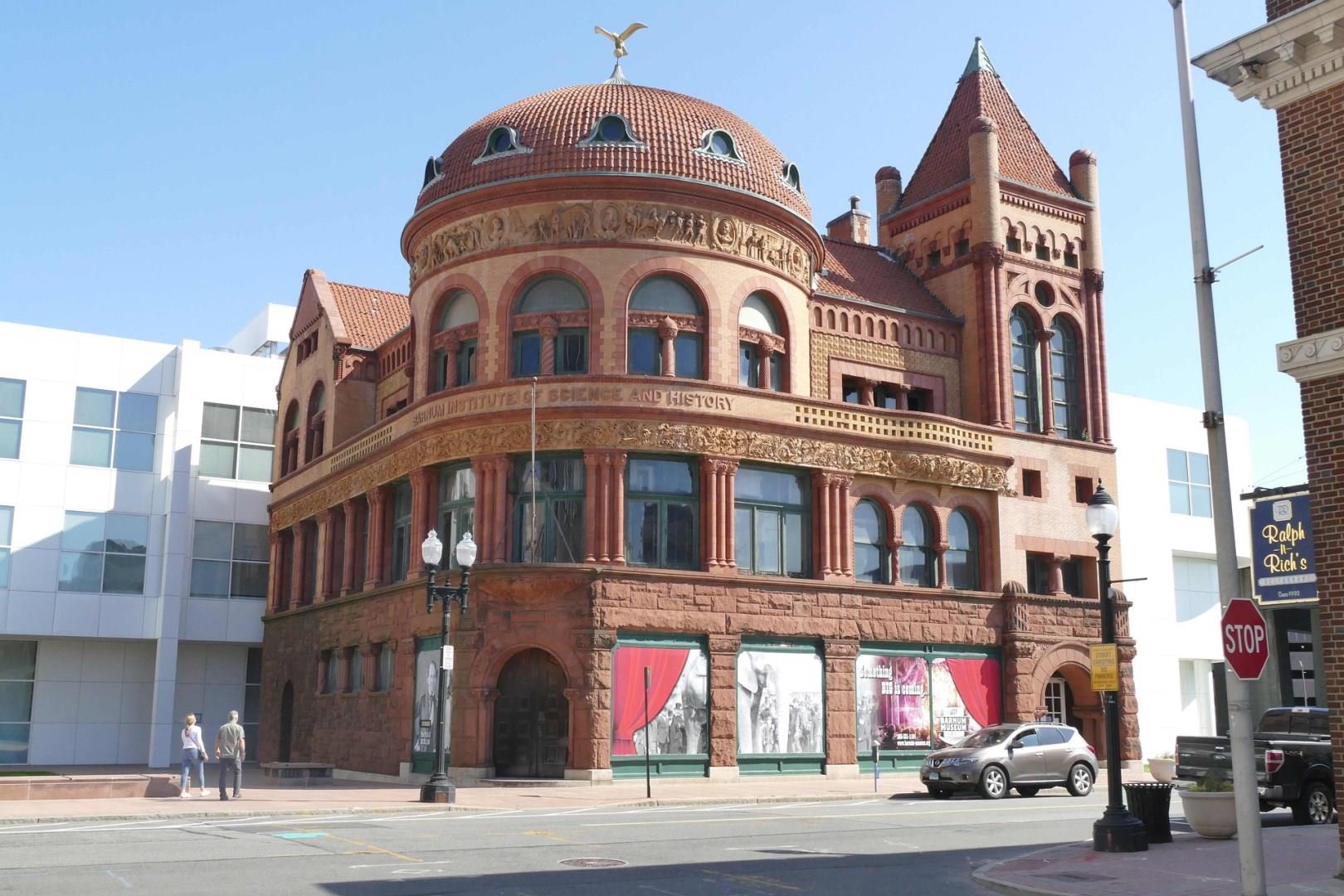
Bridgeport, Connecticut, offers visitors a fascinating mix of historical significance, cultural diversity, and coastal charm. As the largest city in the state, Bridgeport is known for its rich industrial past and vibrant waterfront. One of the must-visit spots is Seaside Park, a stunning 325-acre public park designed by Frederick Law Olmsted, the same visionary behind New York’s Central Park.

Vik
Perched on the southern coast of Iceland, the quaint village of Vík í Mýrdal, or simply Vík, is a destination that defies expectations with its dramatic landscapes and unique charm. Known as Iceland’s southernmost village, Vík is famed for its striking black sand beach, Reynisfjara, consistently ranked among the most beautiful non-tropical beaches in the world.
Saint-Émilion
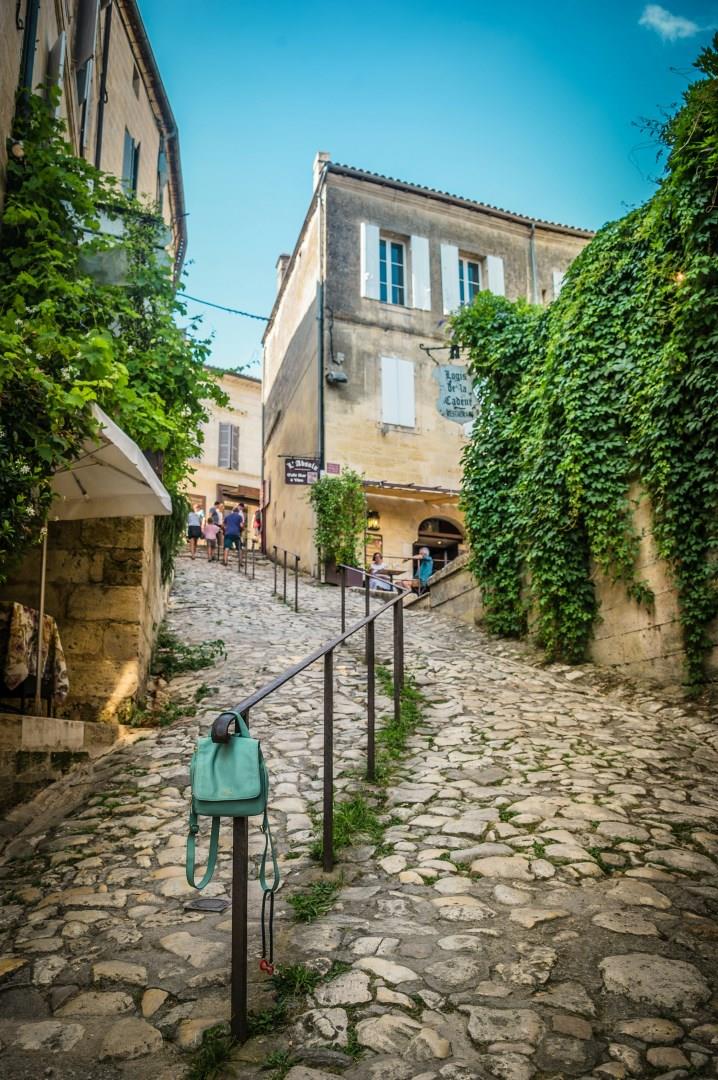
Saint-Émilion, nestled in the heart of southwest France, is a living monument to centuries of craftsmanship, faith, and wine-making. Recognized as a UNESCO World Heritage Site since 1999, this medieval town sits on a limestone plateau surrounded by vineyards that date back to Roman times. Visitors can explore cobbled streets that wind past centuries-old stone houses, descend into underground catacombs carved by monks, and visit the astonishing Monolithic Church.
Plovdiv
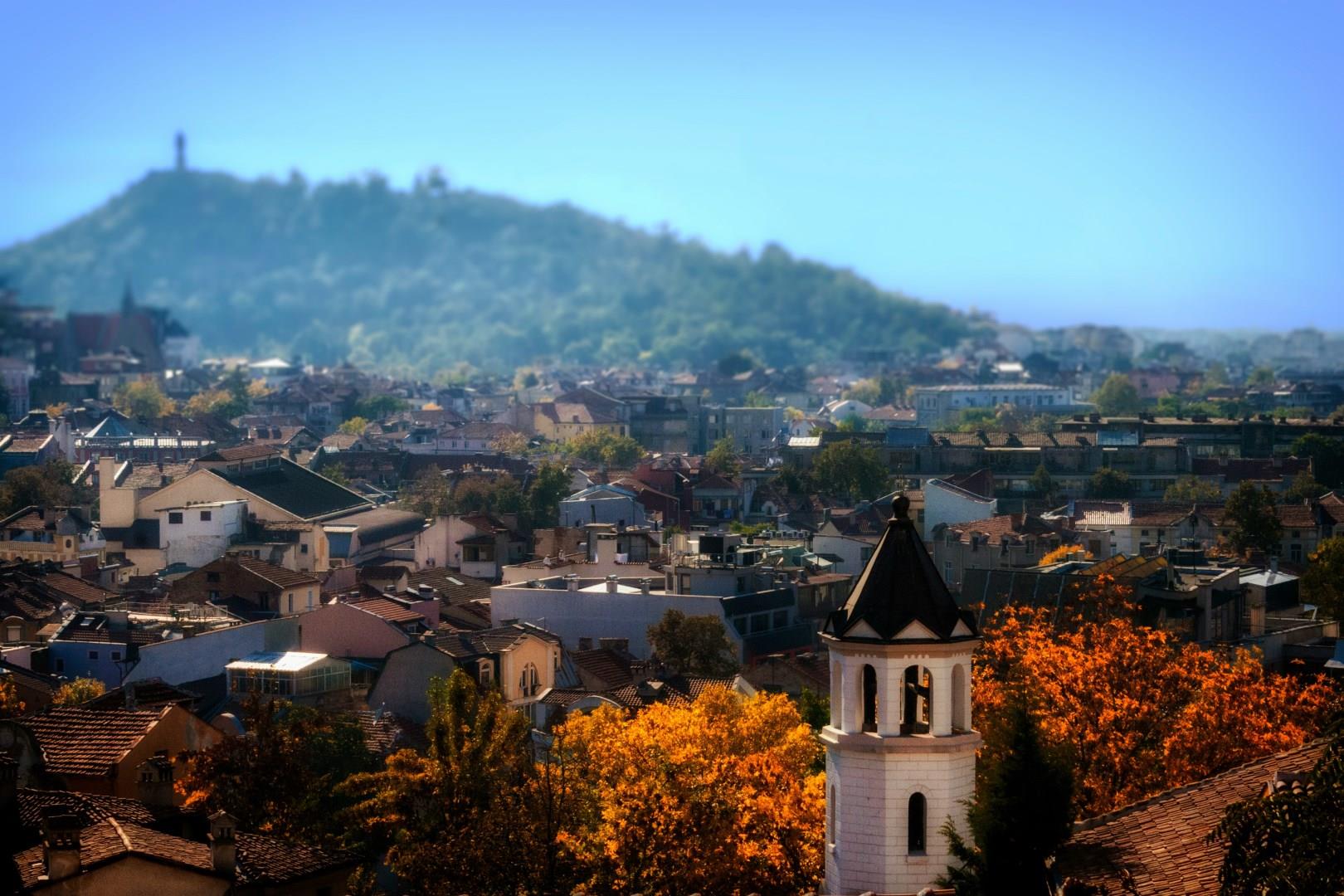
Plovdiv, one of the oldest continuously inhabited cities in Europe, carries over 8,000 years of history layered into its streets. The Roman Theater, still in use today, was discovered by accident in the 1970s and now hosts operas and concerts overlooking the Rhodope Mountains. Nearby, visitors can walk the remains of a Roman stadium buried beneath the main pedestrian street, where modern shops and cafés stand above ancient foundations.
