
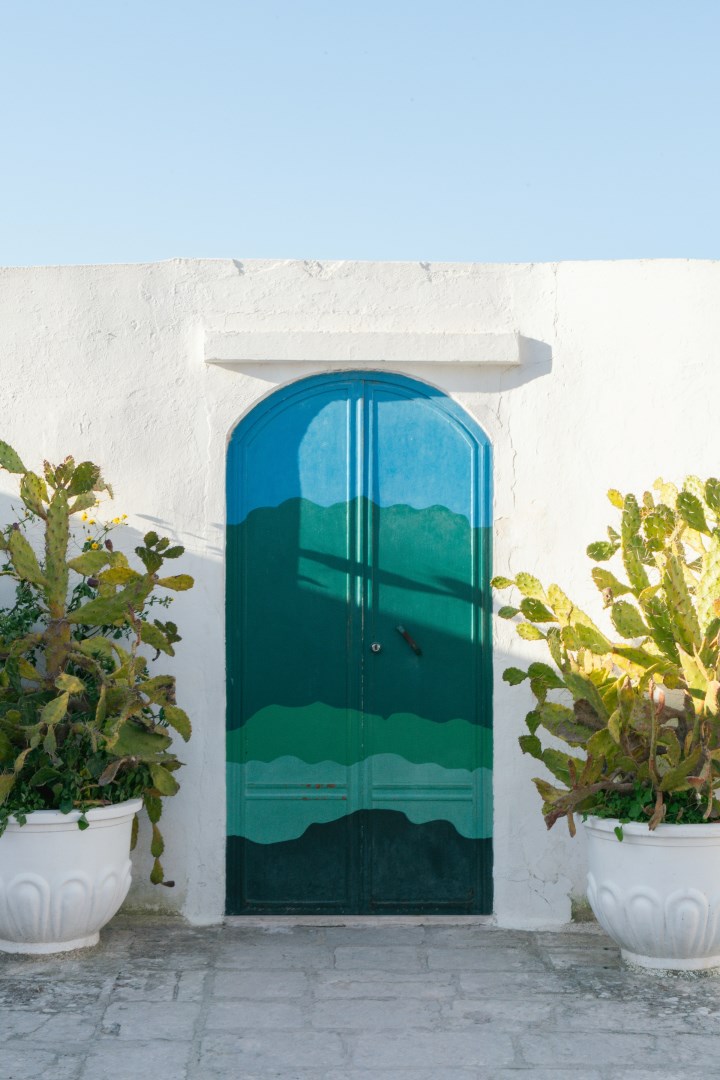
Ostuni
Ostuni is a hilltop town in Puglia, in southern Italy, known for the whitewashed buildings of its historic center and the olive groves that surround it. The town occupies the final slopes of the Murge plateau, with the old quarter, known as La Terra, rising above the surrounding countryside. Narrow lanes, stairways, arched passages, and small squares wind between lime-covered houses, while the higher streets provide views across the olive plain toward the Adriatic Sea.
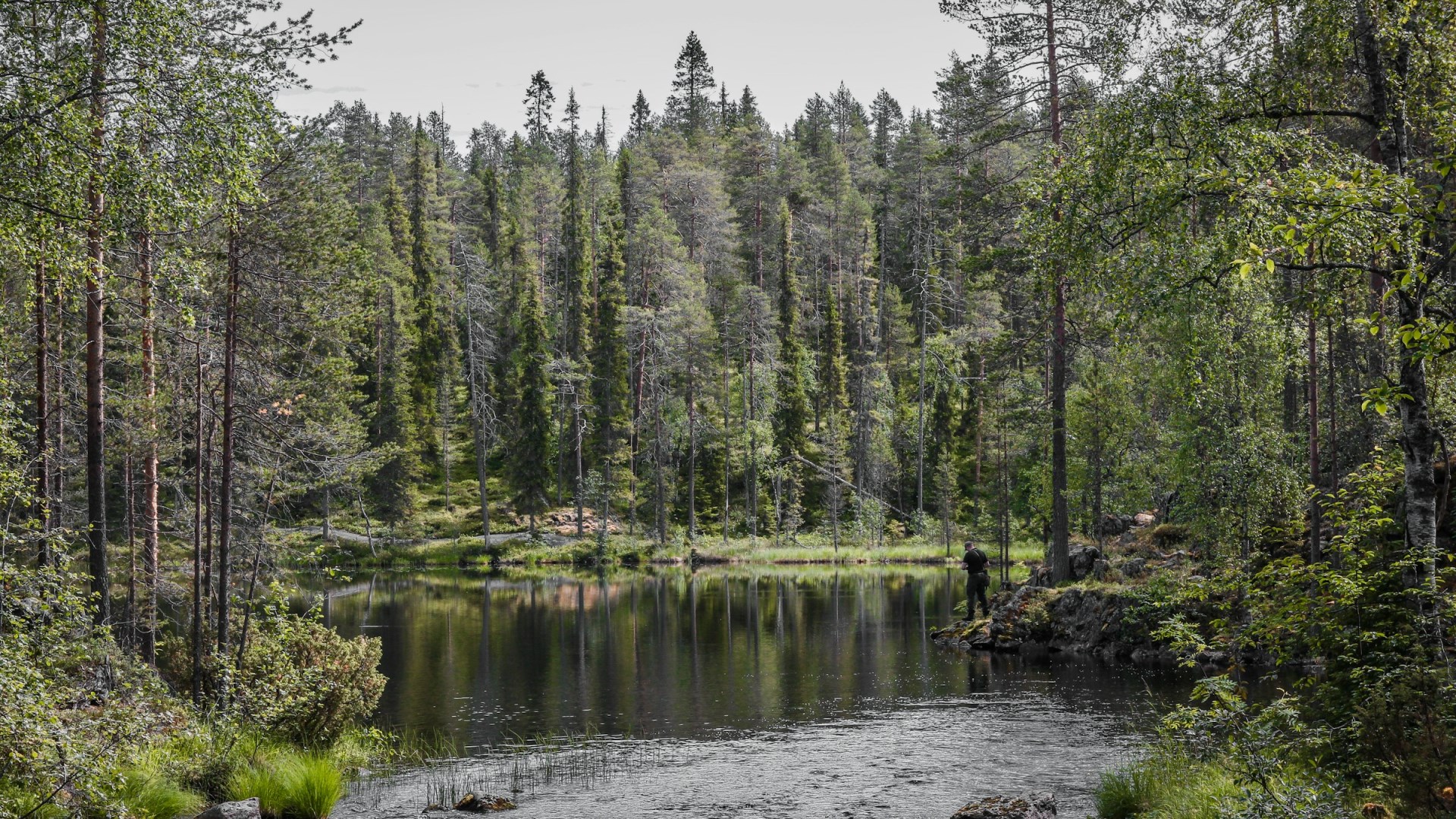
Hossa National Park
The name "Hossa" originates from the old Sami word Huossa meaning "a place far away," and this gorgeous location is definitely away from it all! This national park is one of seven hiking areas created under Finland's Outdoor Recreation Act and contains over 55 miles of trails for hiking enthusiasts to explore.
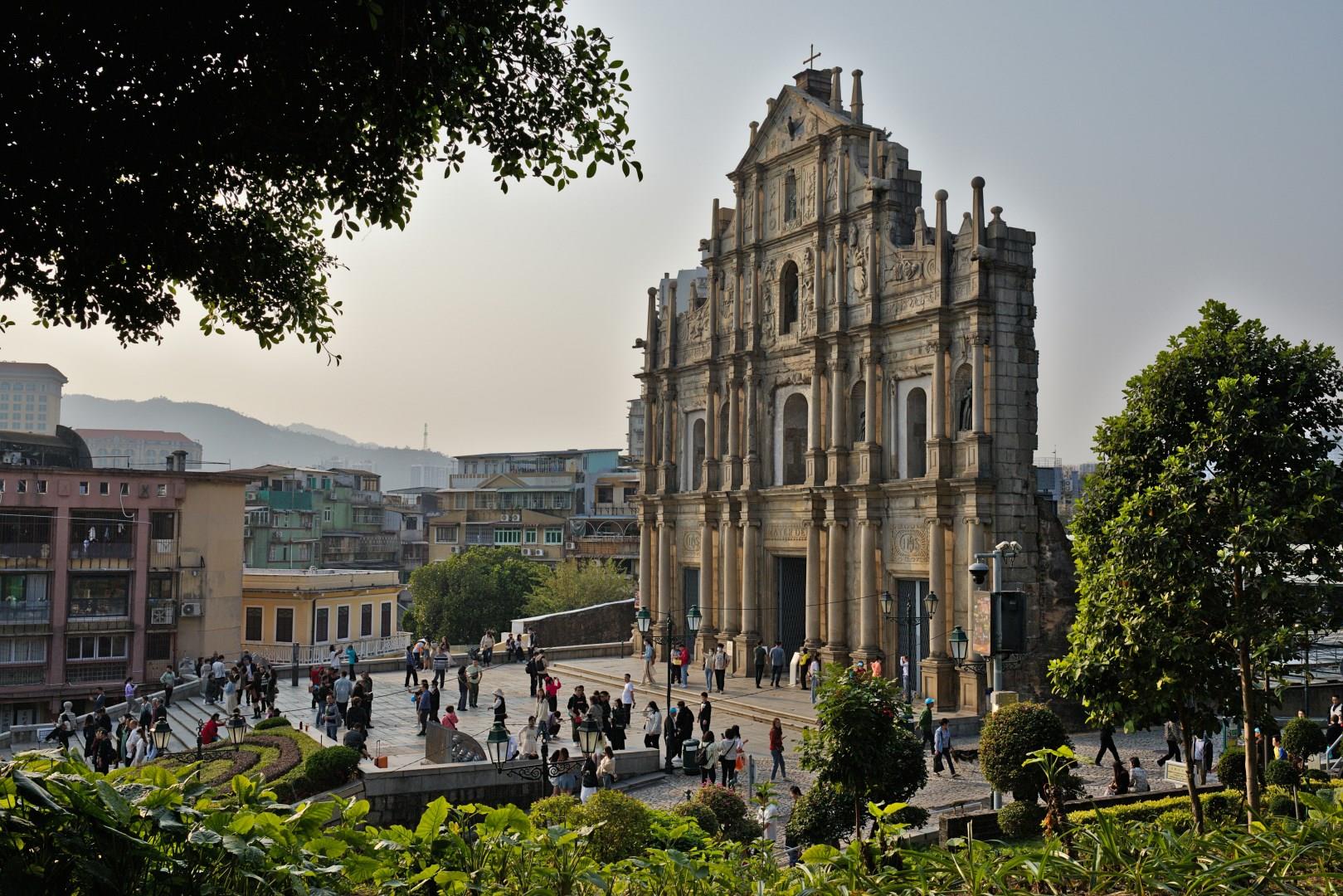
Macao
Macao, a Special Administrative Region of China, is known for its distinctive blend of Portuguese and Chinese heritage. Once a Portuguese colony, the city retains historic squares, colonial architecture, and cobblestone streets that contrast with its modern skyline of resorts and entertainment complexes.
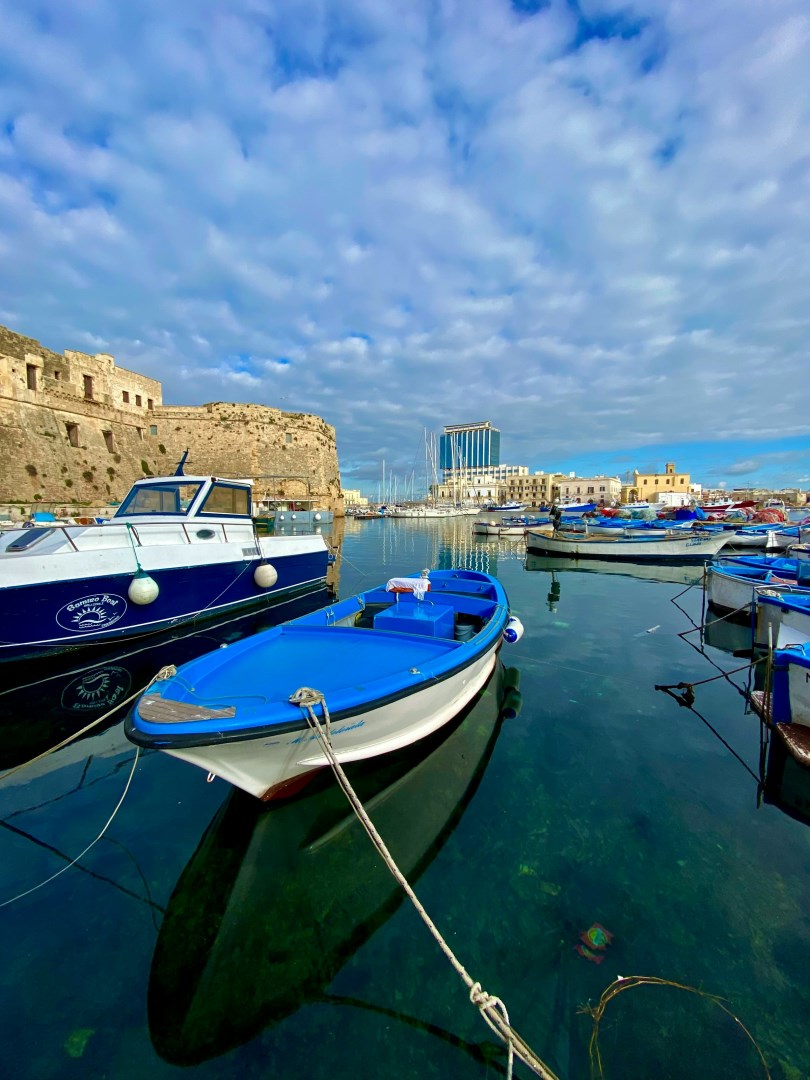
Gallipoli
Gallipoli is a coastal town in Puglia’s Salento peninsula, built around an old city that occupies a limestone island just offshore from the modern mainland. A bridge connects the historic island with the newer part of town, creating a distinctive layout shaped by the sea. The old center contains narrow streets, whitewashed buildings, small squares, churches, and remnants of defensive walls, while the waterfront opens toward the Ionian Sea.

Panama Canal
An essential passageway between the Atlantic and Pacific Oceans, the Panama Canal is an extraordinary technological landmark and a testament to human innovation. Built in the early twentieth century by American engineers, the canal weaves through the Panamanian isthmus and allows easy access for commercial freighters and cruise ships alike.
