
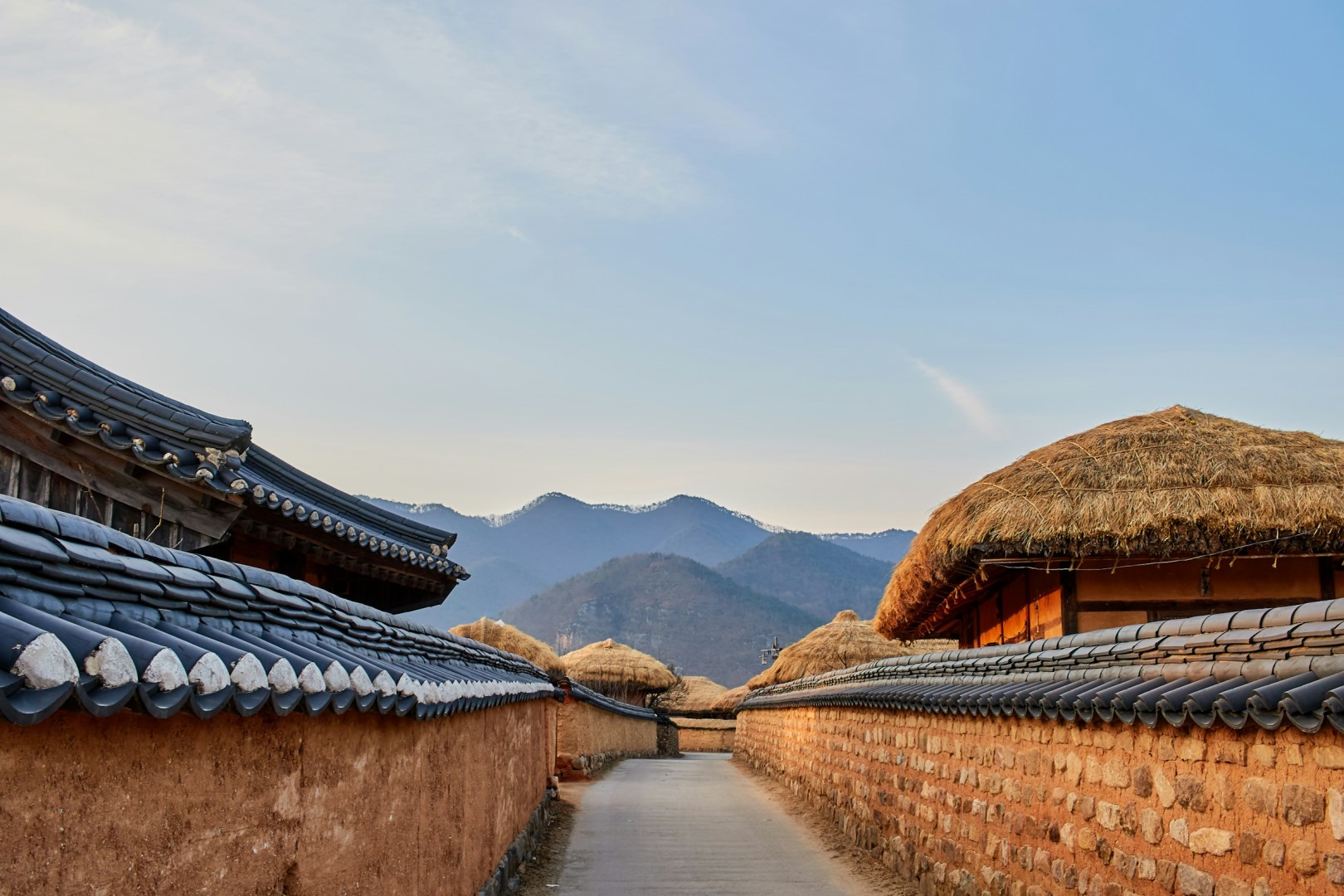
Andong-si
Andong-si is a city in North Gyeongsang Province known for its preserved traditions, Confucian heritage, and historic villages. The Nakdong River passes through the city, while surrounding hills and wooded areas shape its landscape. Andong is closely associated with Hahoe Folk Village, traditional mask dance, and Korean scholarly culture.

Mumbai
This energetic city is home to three UNESCO World Heritage Sites: the Elephanta Caves, Chhatrapati Shivaji Maharaj Terminus, and the city's distinctive Victorian and Art Deco buildings. It is the largest city in India and contains 7 distinct districts. There is so much to see here, but the most popular tourist attractions are typically concentrated in South Mumbai such as the Elephanta Caves, the Gateway of India and Chhatrapati Shivaji Maharaj Terminus.
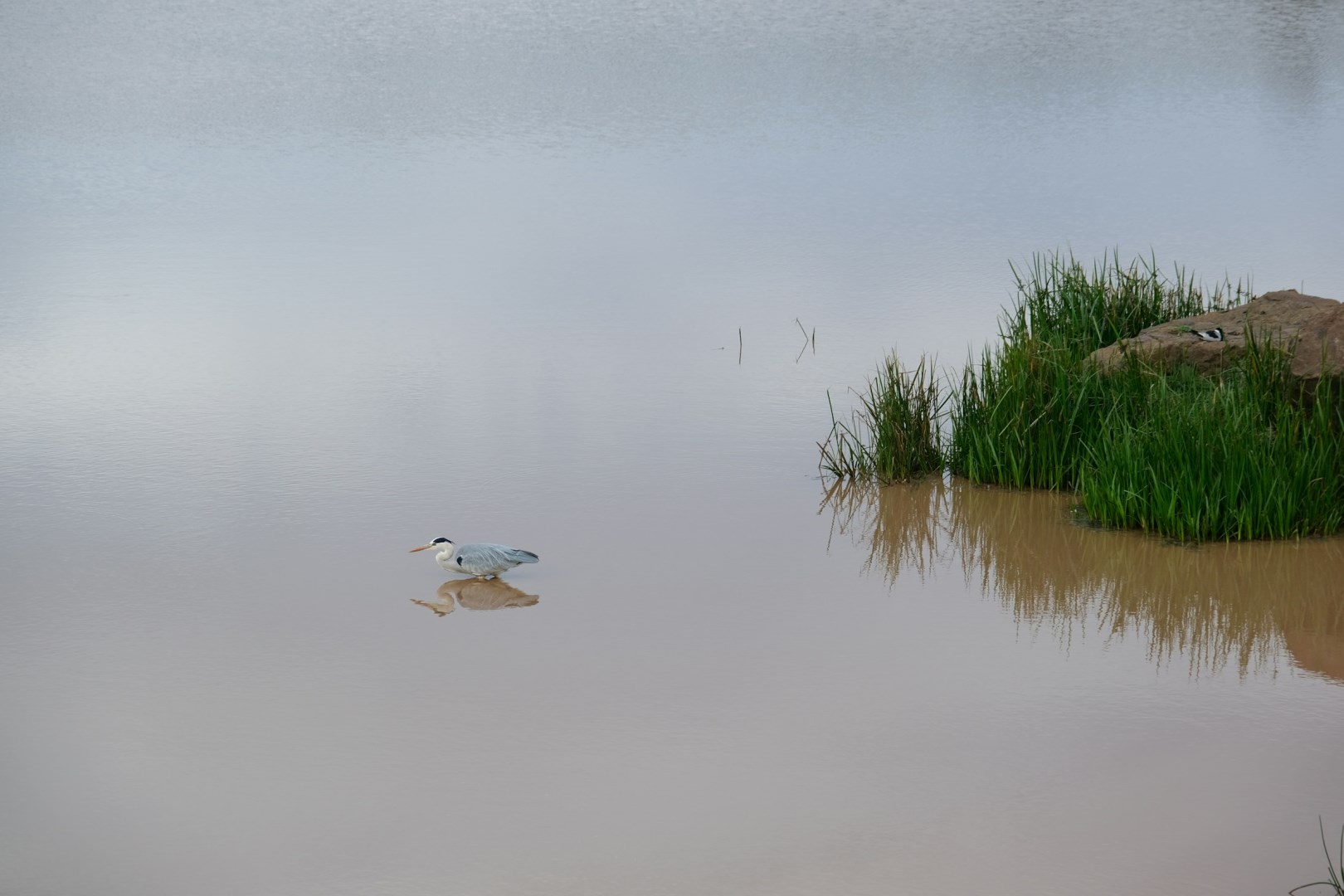
Aberdare National Park
Aberdare National Park is a 311 square mile sanctuary on an isolated volcanic massif which forms part of the eastern wall of the Rift Valley. Part of the larger forest reserve, the Aberdares are covered with a dense rainforest and provide spectacular views over the Rift Valley. Bird life is abundant with more than 200 species.
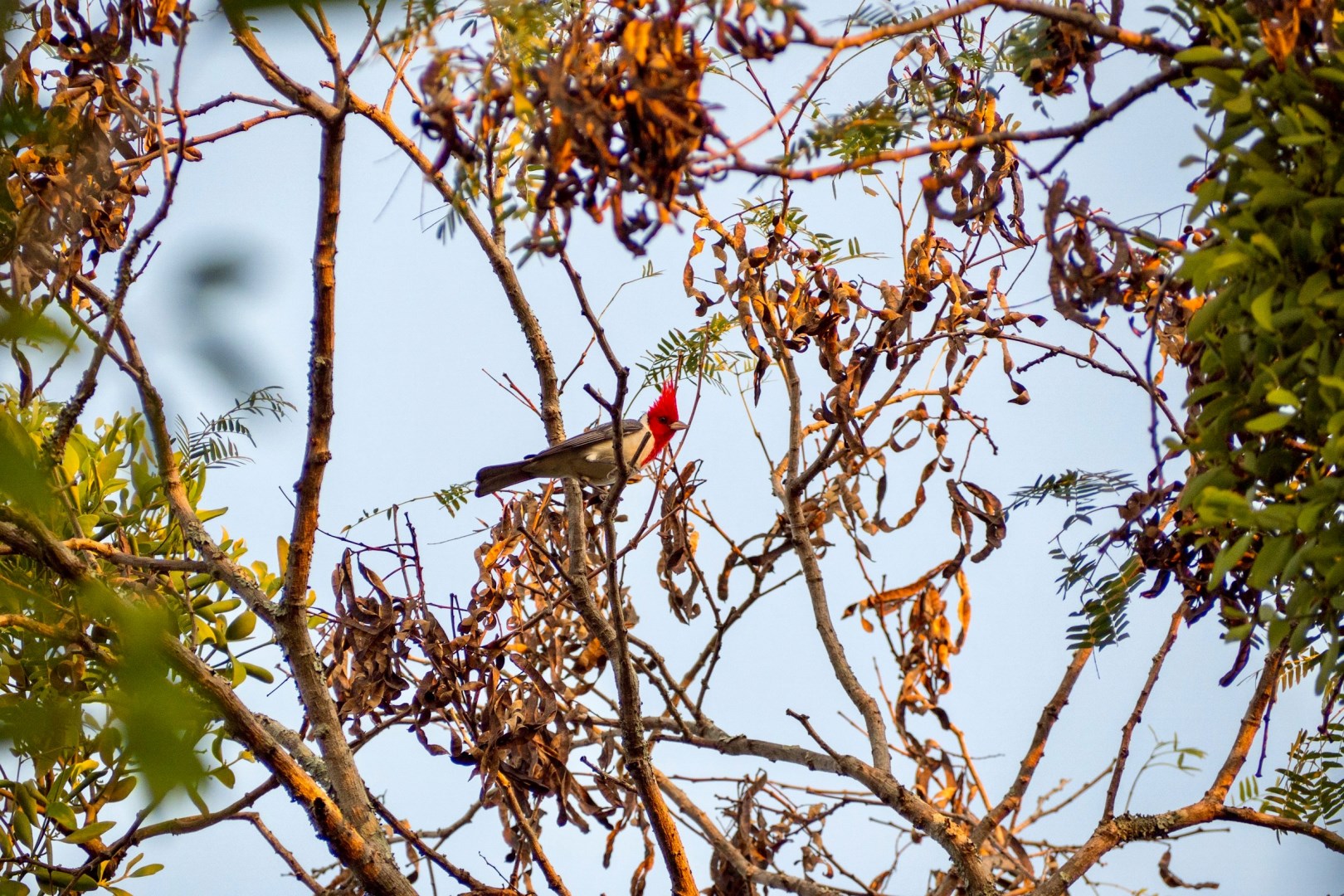
Paraguay
Paraguay is a country that moves to its own rhythm. Landlocked and often overlooked, it’s one of South America’s most culturally distinct destinations. With two official languages, Spanish and Guaraní, and a strong Indigenous heritage, Paraguay offers a travel experience shaped more by tradition than by trend. For travelers drawn to wild, open landscapes, Paraguay offers two distinct ecosystems: the lush, river-fed east and the remote, dry Chaco in the west.
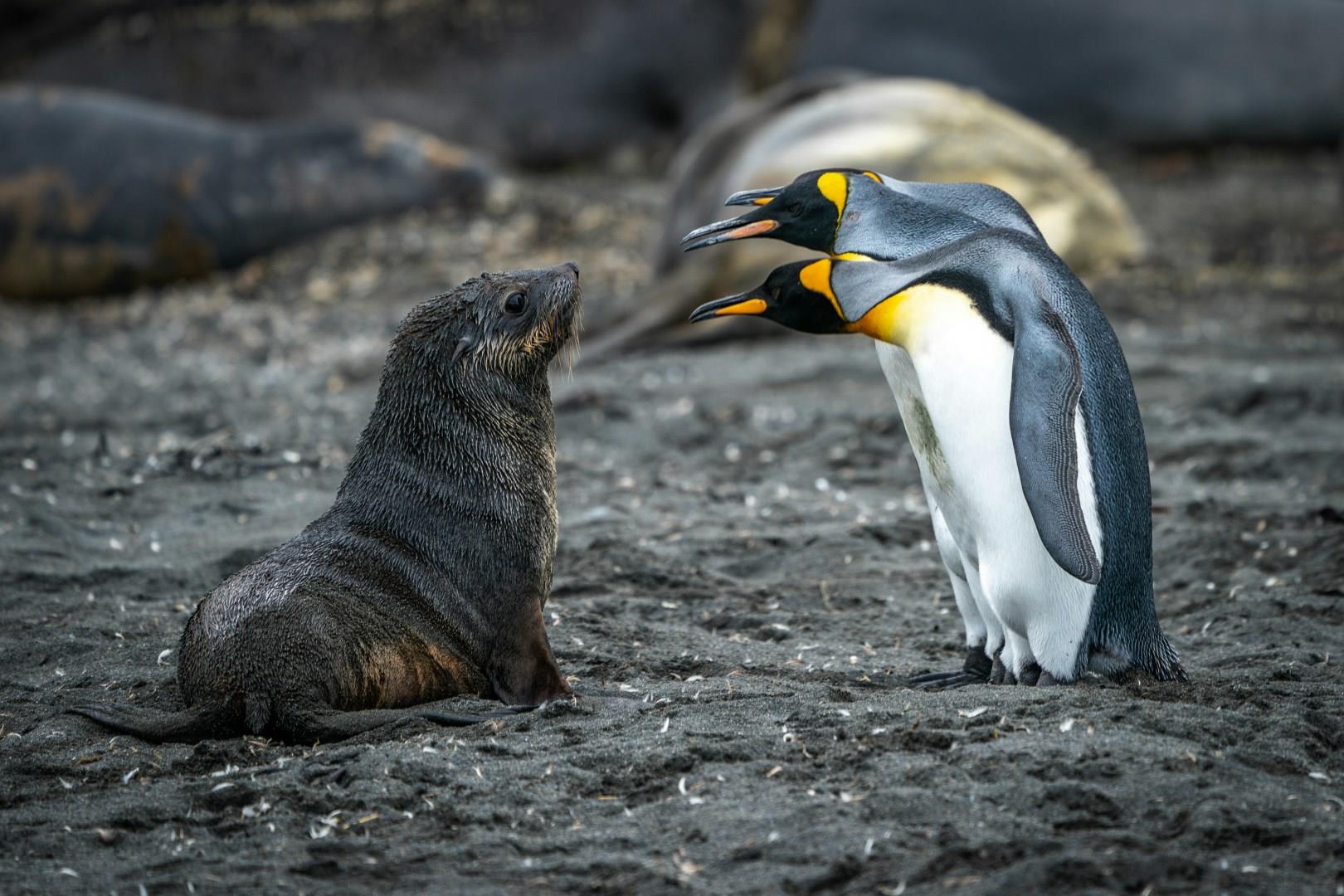
South Sandwich Islands
The South Sandwich Islands are among the most remote places on Earth, a chain of volcanic peaks rising from the Southern Ocean, over 1,300 kilometers southeast of South Georgia. With no permanent residents, no ports, and no infrastructure, these islands remain untouched by tourism in the conventional sense. What they offer instead is a rare glimpse into one of the planet’s most extreme and least disturbed environments.
