

Burlington
Nestled along the shores of Lake Champlain, Burlington, Vermont, is a charming city that offers a blend of outdoor adventure, rich culture, and a vibrant arts scene. With the majestic Adirondack Mountains to the west and the Green Mountains to the east, Burlington is an ideal destination for those seeking natural beauty and a laid-back atmosphere. The city's waterfront is a must-see, featuring the scenic Burlington Bike Path that winds along the lake, offering breathtaking views, beaches, and pa
Eden Islet
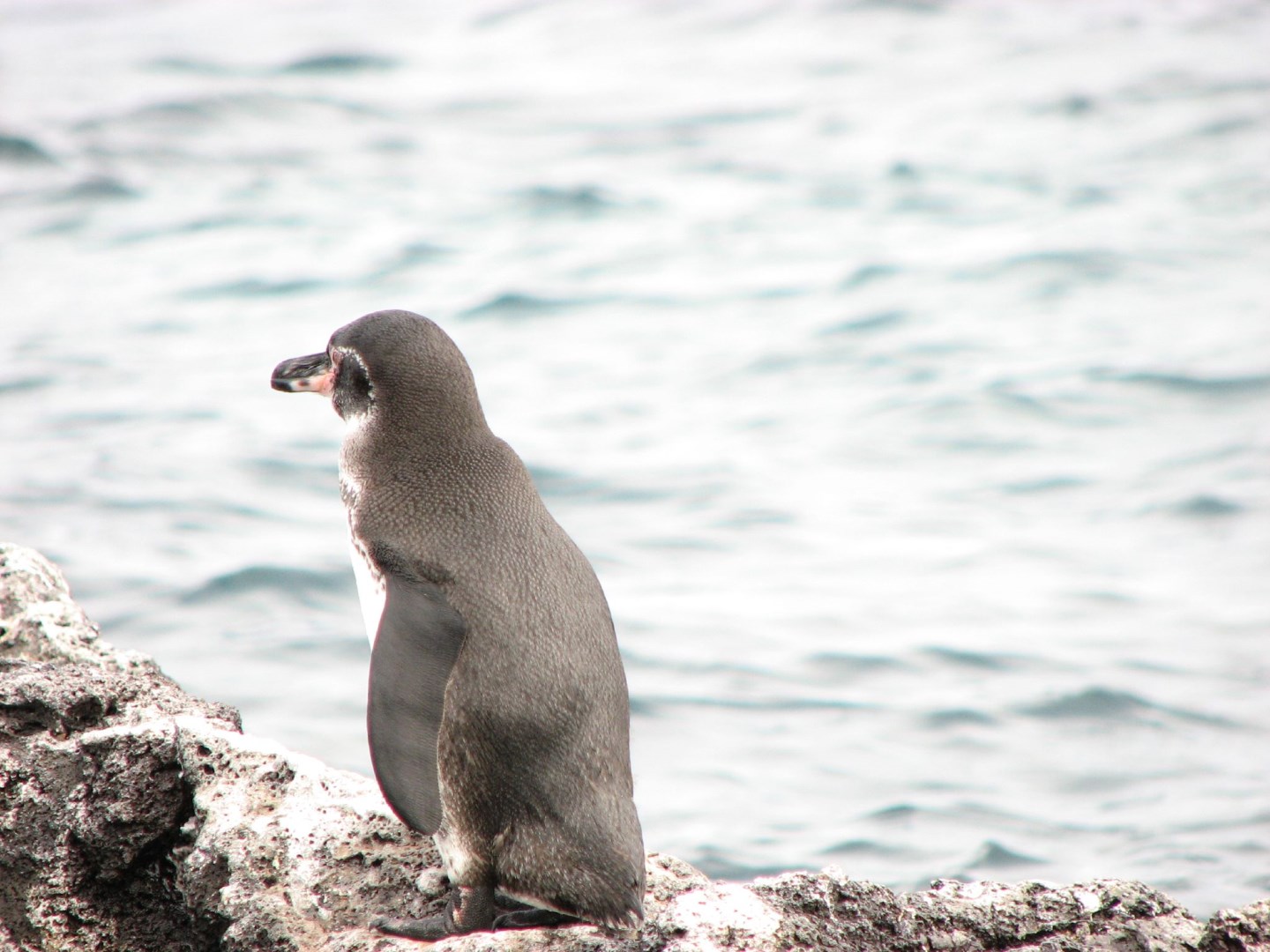
Eden Islet is a small volcanic tuff cone rising from the clear waters off the northwest coast of Santa Cruz Island. Though visitors cannot set foot on the rocks, the islet’s dramatic shapes and steep cliffs offer striking views as boats circle its perimeter. Guides often point out coastal mangroves and lava formations that hint at the volcanic forces that shaped this part of the archipelago.

Las Vegas
Las Vegas, Nevada, is an electrifying city where glitz and glamour meet entertainment and excitement. Known as "The Entertainment Capital of the World," Las Vegas offers an unparalleled array of attractions, from its iconic casinos and luxurious hotels to its world-class dining and live shows. The city's entertainment scene is second to none, featuring legendary headliners, cutting-edge performances, and an array of themed attractions.
Guangzhou
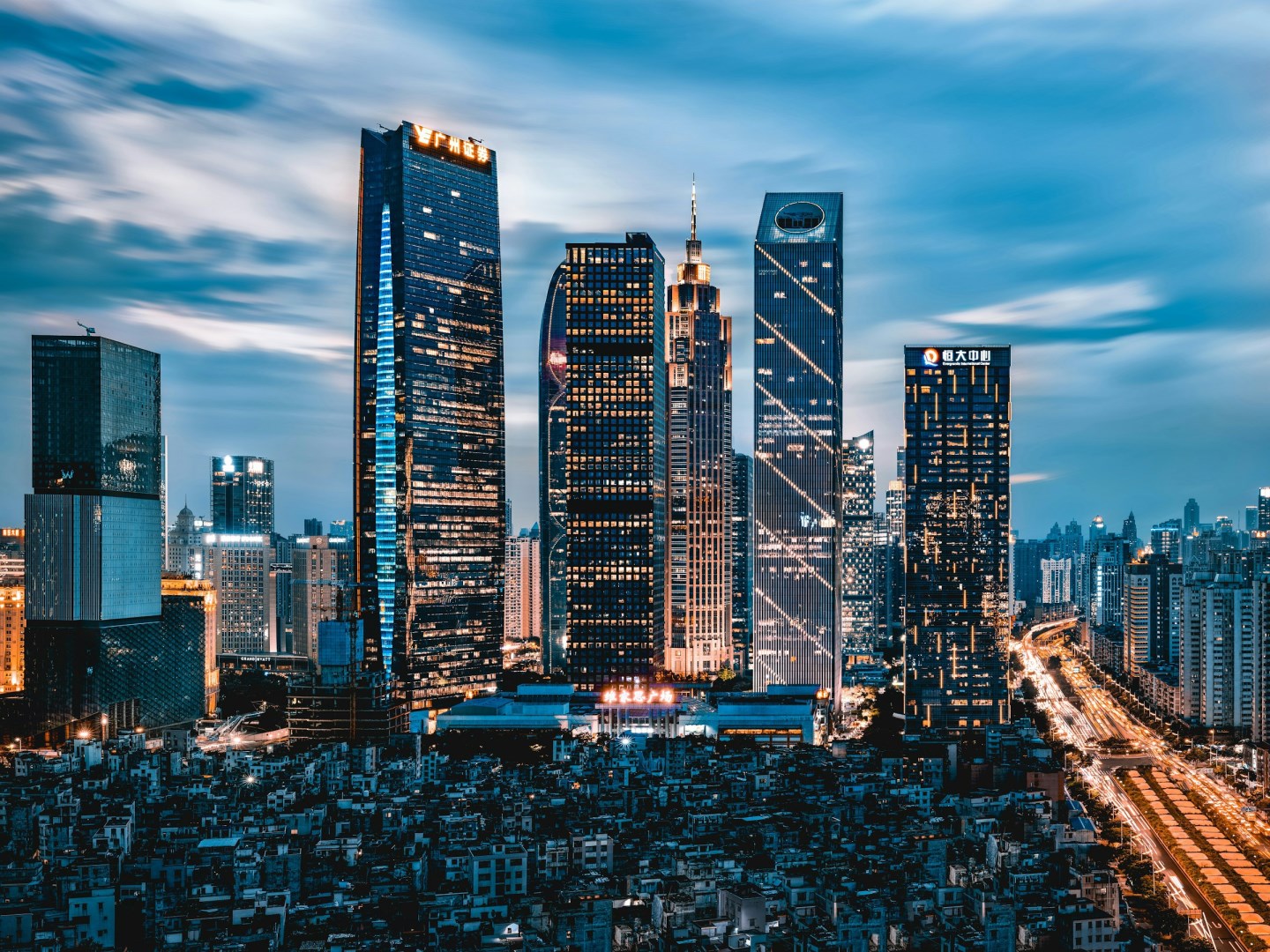
Also known as Canton, it is located adjacent to Hong Kong, an important industrial and trade center in South China.
Boquete Valley
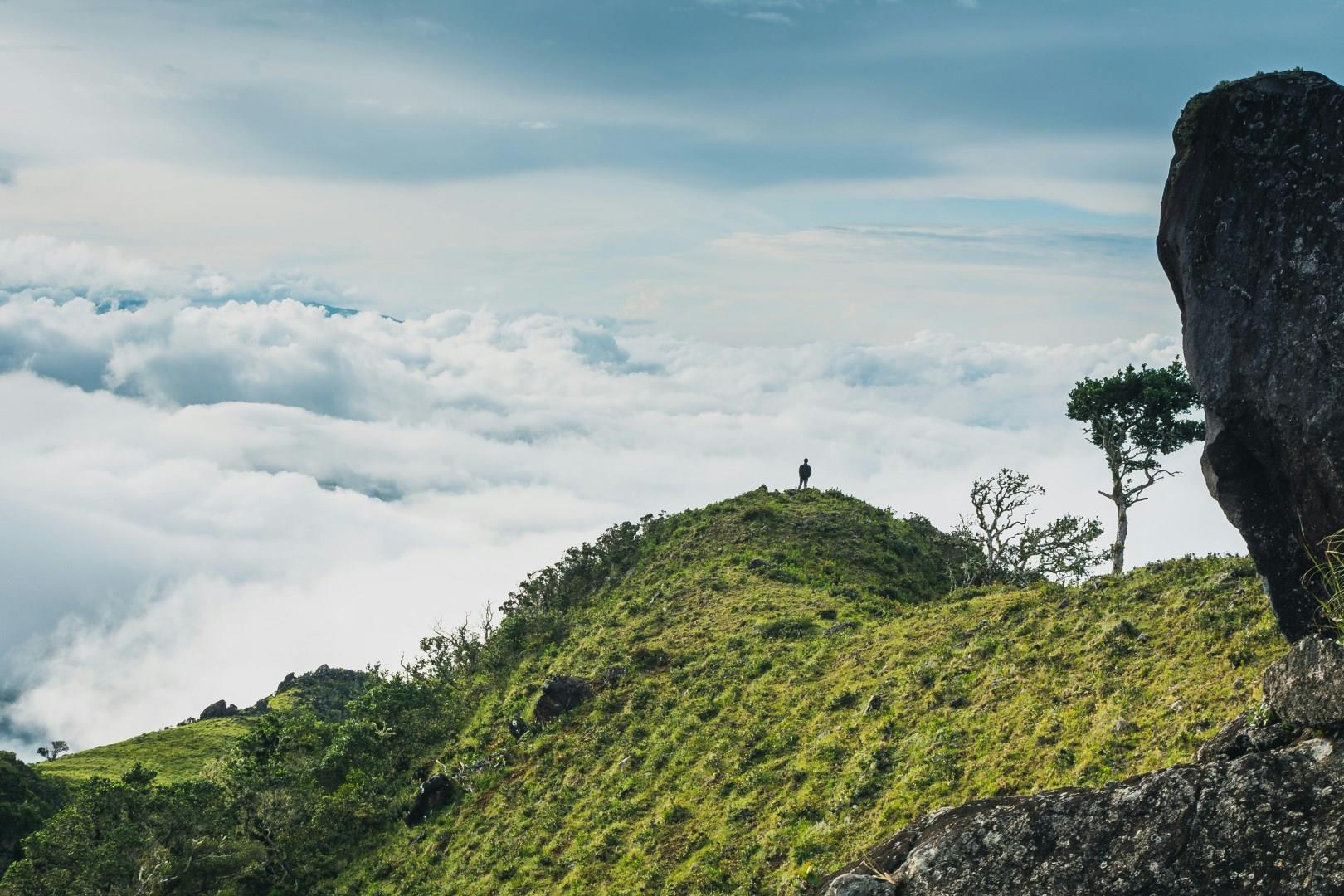
Boquete Valley, nestled in the highlands of Panama near the Baru Volcano, is a lush retreat known for its cool climate, verdant hills, and coffee plantations.
